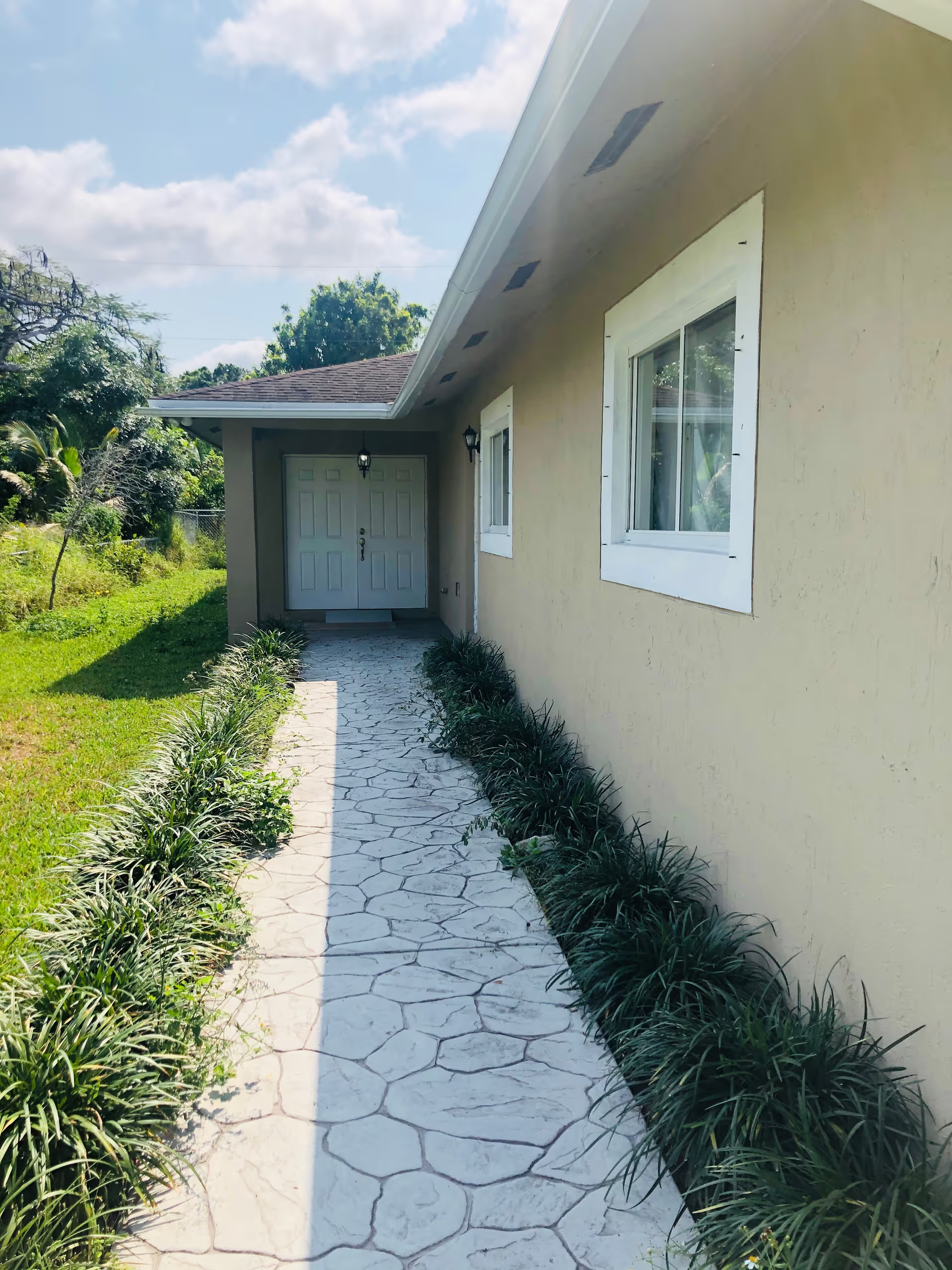
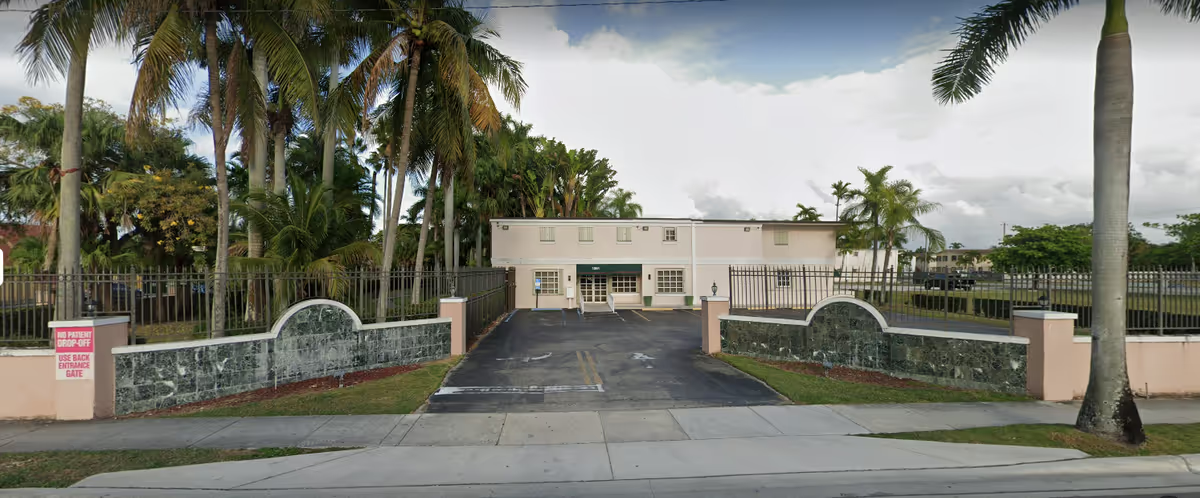
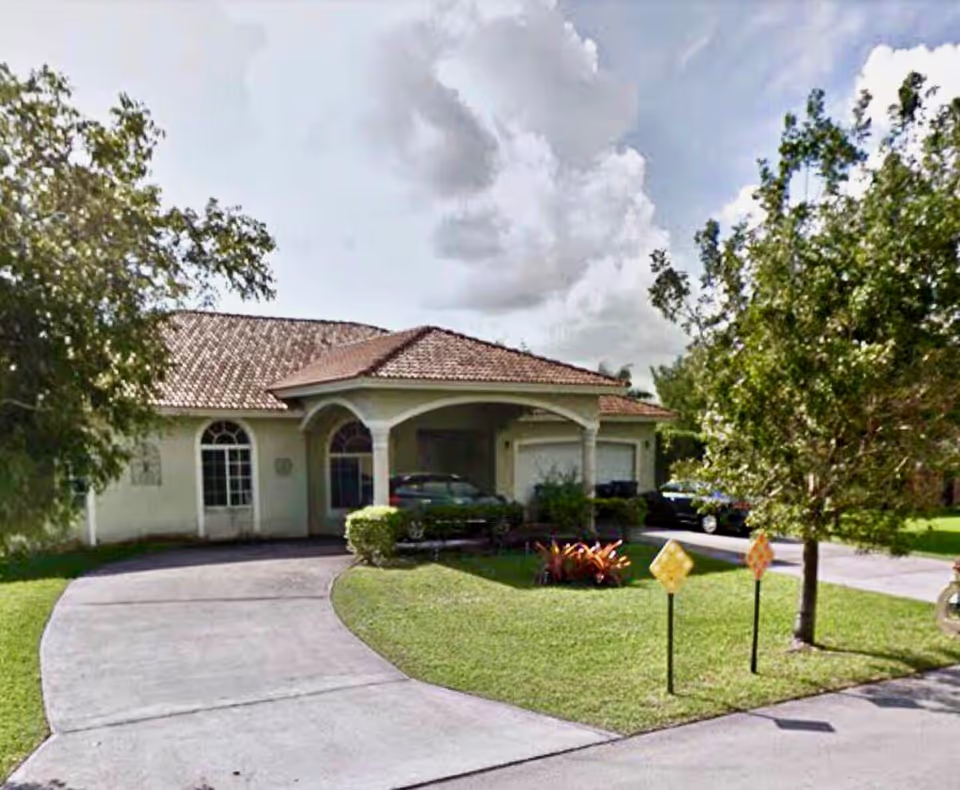
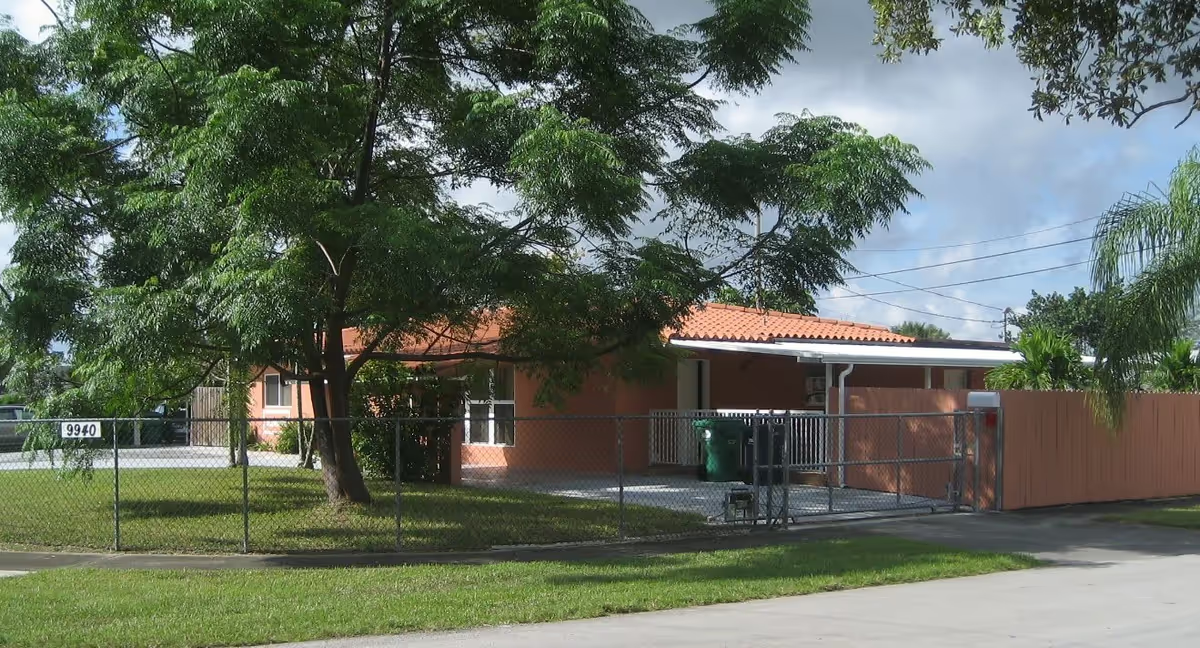
Swankridge Care Center presents as a small, family-owned residential option with a pronounced focus on a homelike experience. Multiple reviewers emphasized the facility's warm, peaceful atmosphere and upscale, bed‑and‑breakfast aesthetic. The facility's long-standing family ownership (since 1965) and small census create a setting that many families described as more personal and attentive than larger institutions, and several families noted that their relatives were happier or better cared for there than at home.
Care and staffing are frequently identified as strengths. Reviewers repeatedly described staff as caring, attentive, and experienced; families expressed gratitude and confidence in day-to-day caregiving. That said, there are recurring concerns about staff communication: phone responsiveness and the tone of some interactions have been described as inconsistent. These issues suggest variability in front‑desk or administrative responsiveness and occasional lapses in the consistency of staff conduct, which may affect family communication and satisfaction even when direct caregiving is strong.
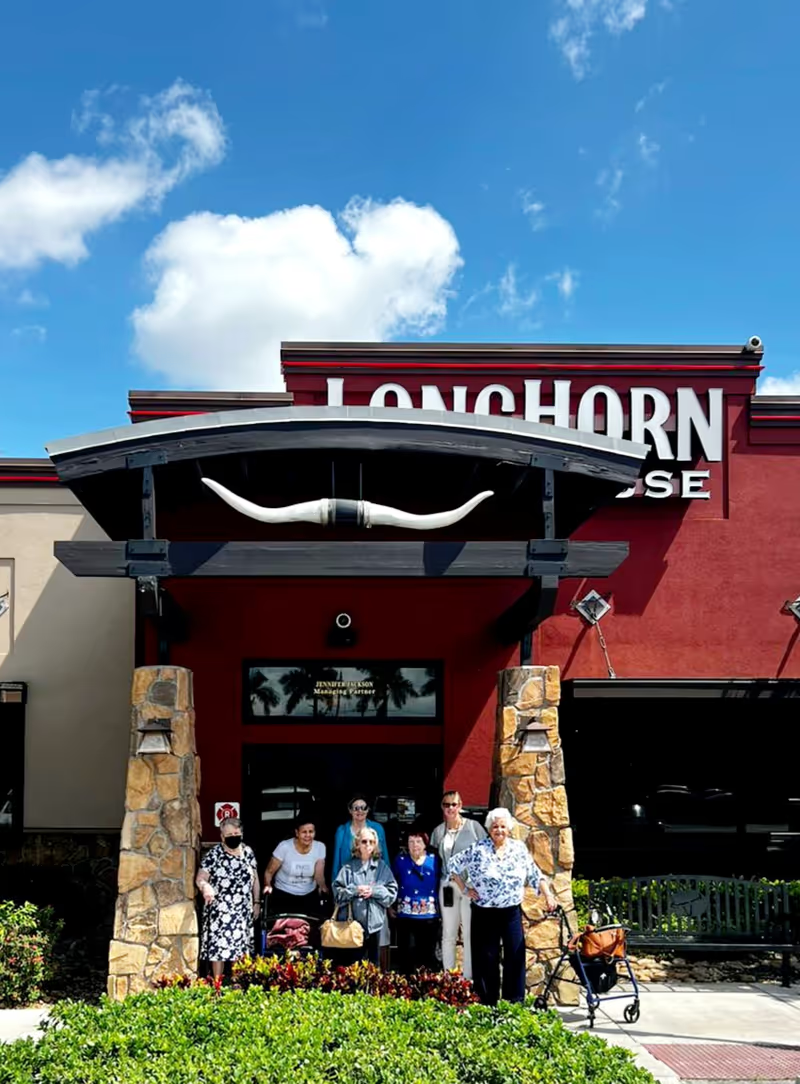
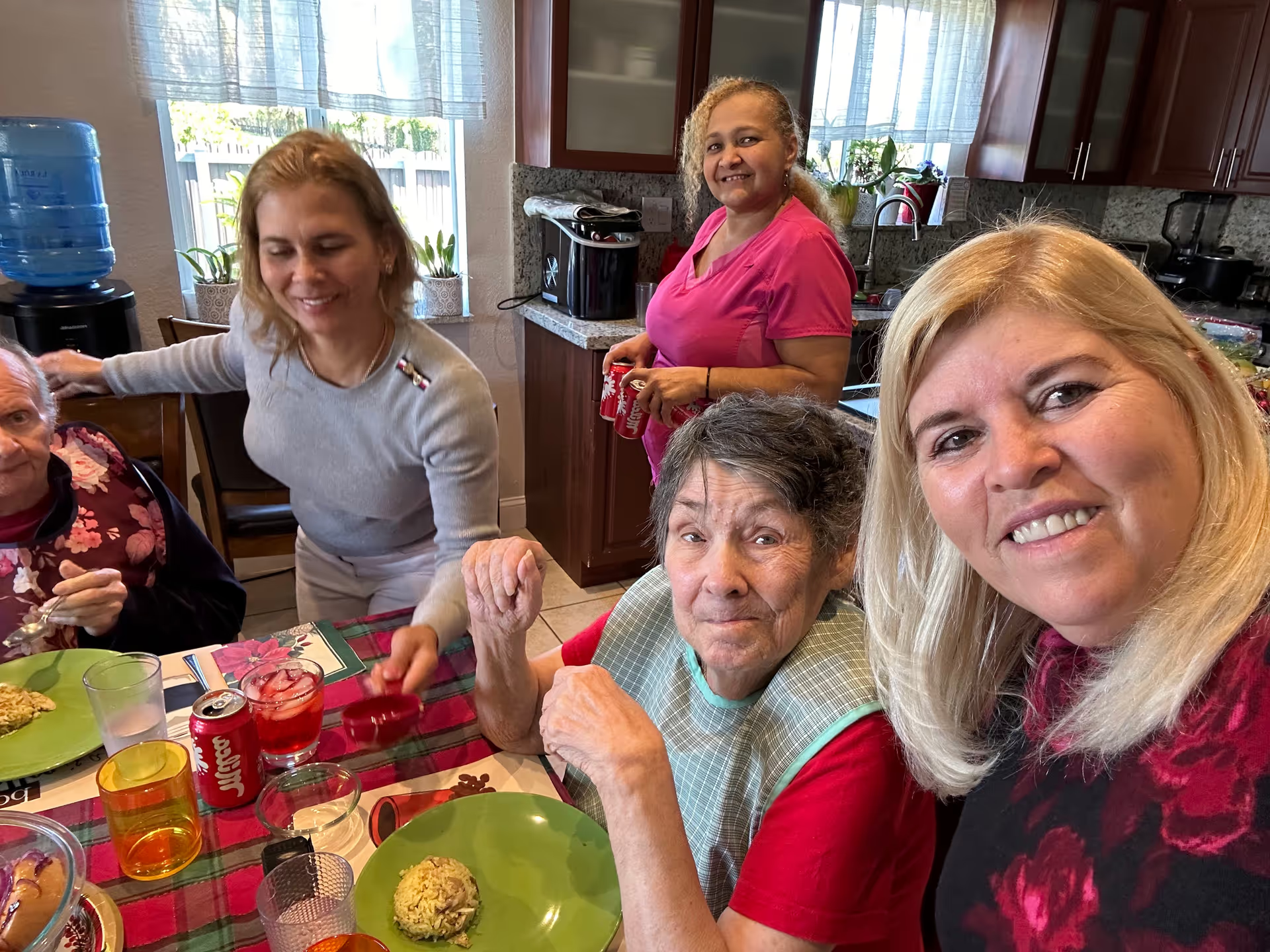
Dining and daily life are notable positives. Homemade meals served at a main table foster social interaction, and food quality is described as nicely prepared. The small scale supports individualized attention such as personal grooming (nail care) and flexible visiting hours, which reviewers appreciated. However, activity offerings appear limited; while communal meals and outdoor access (a backyard pond) provide social engagement, families seeking a broader program of structured activities and enrichment may find the options sparse.
Facilities are described as clean, well‑decorated, and intimate, with private rooms available and a comfortable, homelike environment. Management practices reflect the family‑owned model, including flexible visiting policies and personalized care; this structure can support continuity for long‑term residents. Prospective families should weigh the benefits of a small, homelike setting—close staff relationships, individualized attention, and a calm environment—against operational limitations such as inconsistent administrative communication and a limited formal activities program. A focused conversation with facility management about communication protocols and activity planning is advised prior to placement.