Review content for Avante at Inverness presents a mixed picture with pronounced strengths in clinical rehabilitation and interpersonal caregiving alongside operational and environmental concerns. Many reviewers praise the therapy teams (physical, occupational, speech) for being skilled, goal-oriented, and effective in promoting recovery. Nursing staff are frequently described as compassionate and attentive, with several accounts of strong bedside presence, post-care follow-up, and quality end-of-life attention. Admissions, business-office responsiveness, social services, and some activity staff are also highlighted as supportive resources that help families connect and navigate care transitions.
At the same time, reviews indicate persistent operational weaknesses. Dining service is a recurring issue: inaccuracies in meal delivery, missed diet modifications, cold or poorly prepared meals, and a perceived disconnect between kitchen and dietitian functions were described. Communication gaps extend beyond dining—families report inconsistent notification about clinical incidents, medication timing, and changes in condition, as well as uneven coordination between nursing, therapy, and administrative teams. Staffing instability and shift-coordination problems are noted as contributors to those inconsistencies and to variable levels of staff professionalism; reviewers describe a range from exemplary caregivers to staff whose conduct and responsiveness were perceived as inadequate.
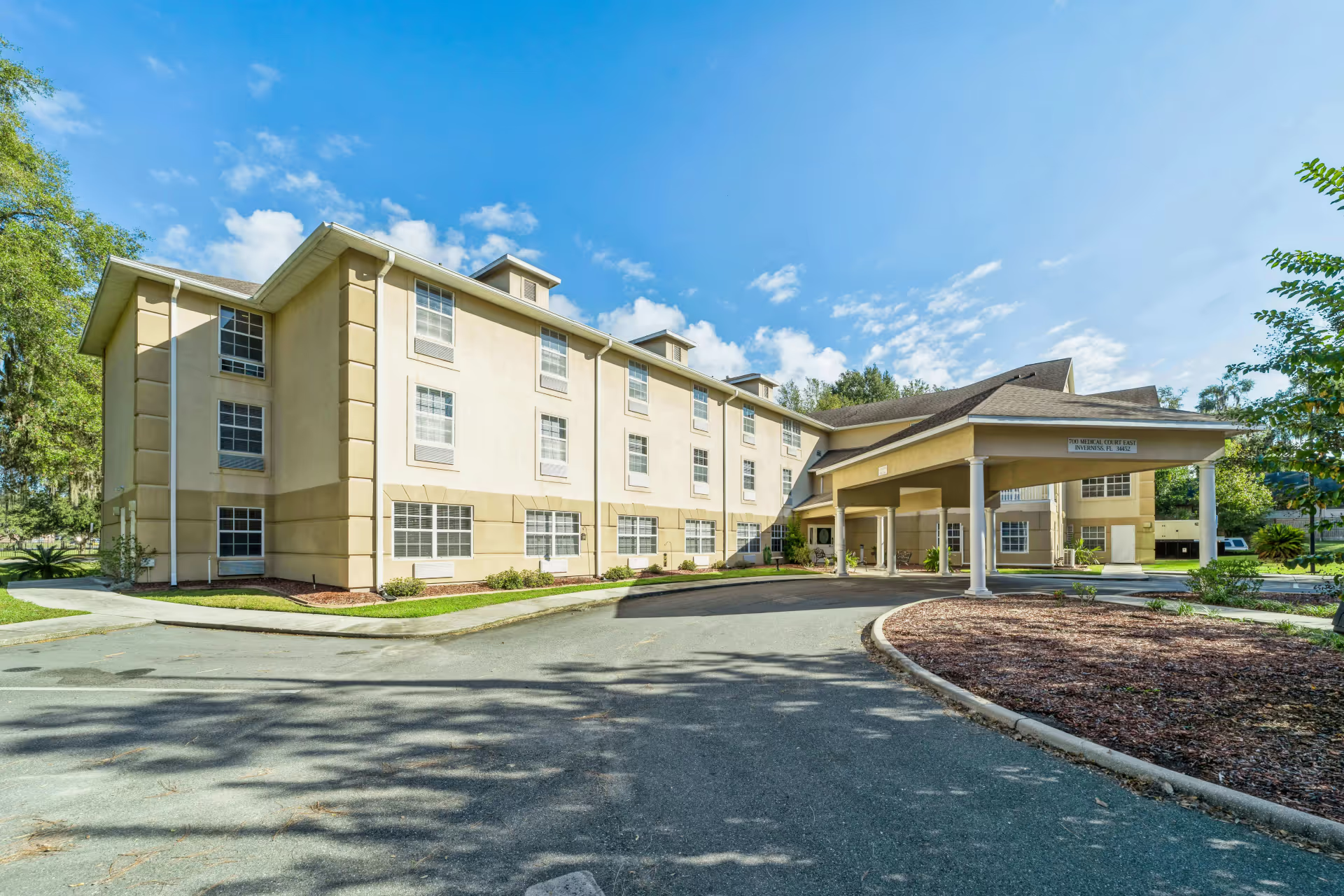
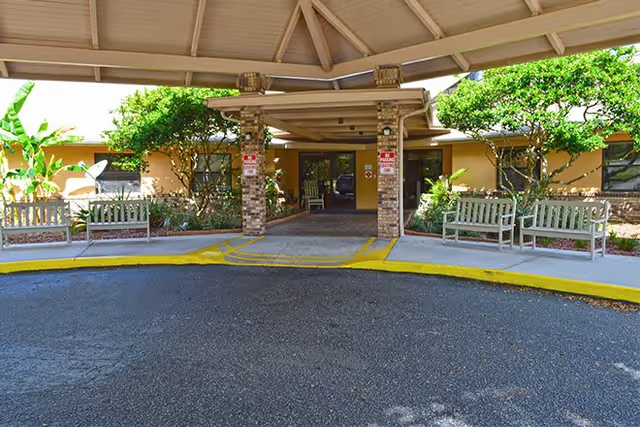
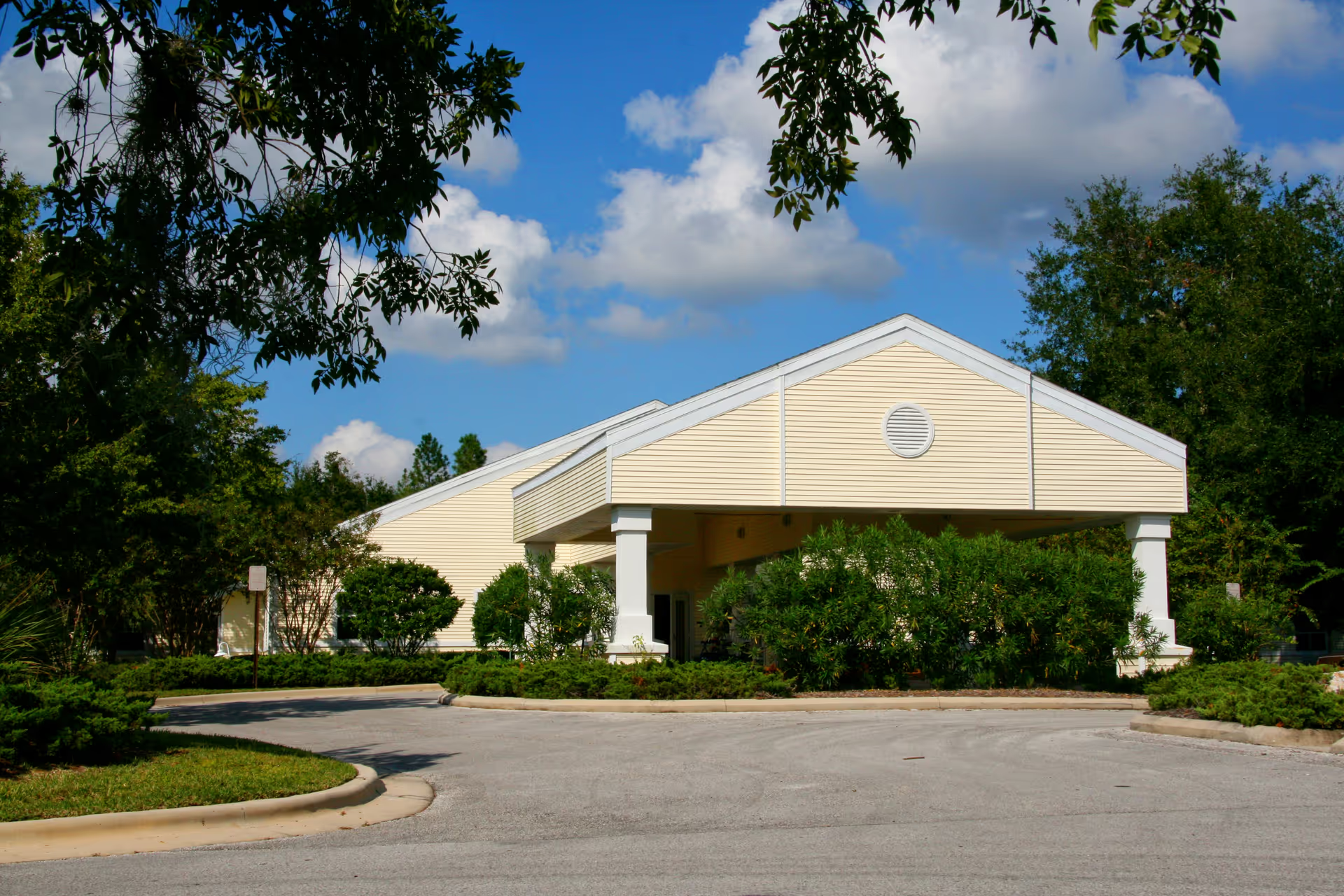
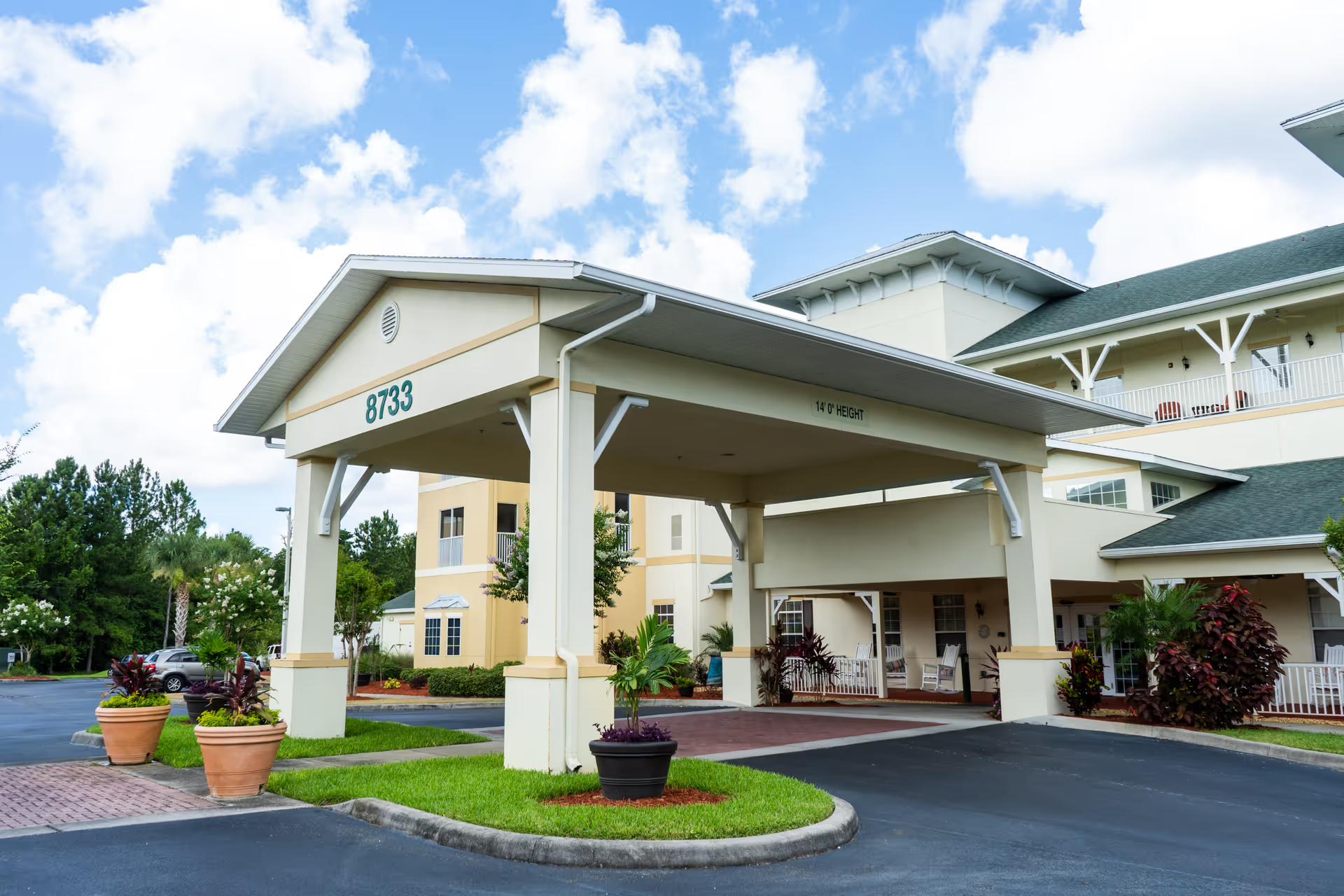
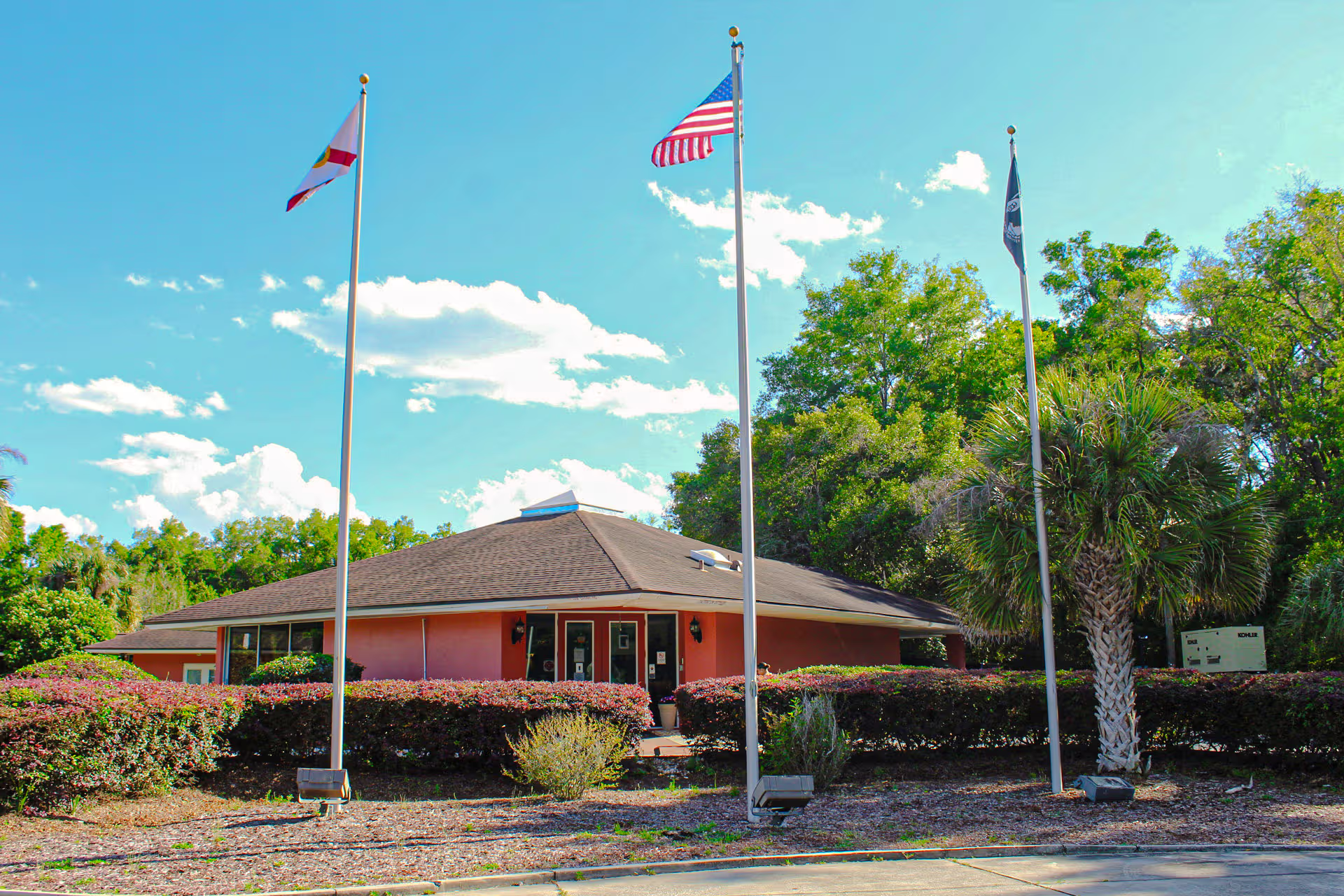
Facility- and environment-related concerns are evident in multiple comments. The building is described as older and somewhat institutional in layout, with many shared rooms (double and some higher-occupancy arrangements) that can create crowding and privacy limitations. Cleanliness and sanitation concerns, including odor and pest-control issues, are raised in a subset of reviews; by contrast, other reviewers describe clean, well-maintained common areas. These divergent observations suggest variability across units or shifts rather than uniform conditions. Privacy and HIPAA process gaps also appear as an operational weakness in several accounts.
Management and leadership impressions are similarly mixed. Positive notes include an open-door administrator and responsive business-office staff, while other reports point to unprofessional management tone, limited responsiveness from compliance channels, and inconsistent handling of family concerns. Activity programming is generally viewed favorably for on-site engagement and social offerings, although some families wished for more tailored activities and off-site outings.
Notable patterns to emphasize: rehabilitation services are a clear strength and a primary reason families choose or recommend this center; interpersonal care from many nurses and therapists is a recurring positive. Conversely, recurring themes that would merit direct inquiry during a tour include meal-service accuracy and dietary processes, staffing levels and shift continuity, incident-notification protocols for families, room-occupancy options and privacy, current sanitation/pest-control measures, and recent regulatory or survey outcomes. Prospective residents and families should verify current staffing ratios, ask for examples of recent quality-improvement actions, and observe cleanliness and meal service during a visit to form a balanced assessment.