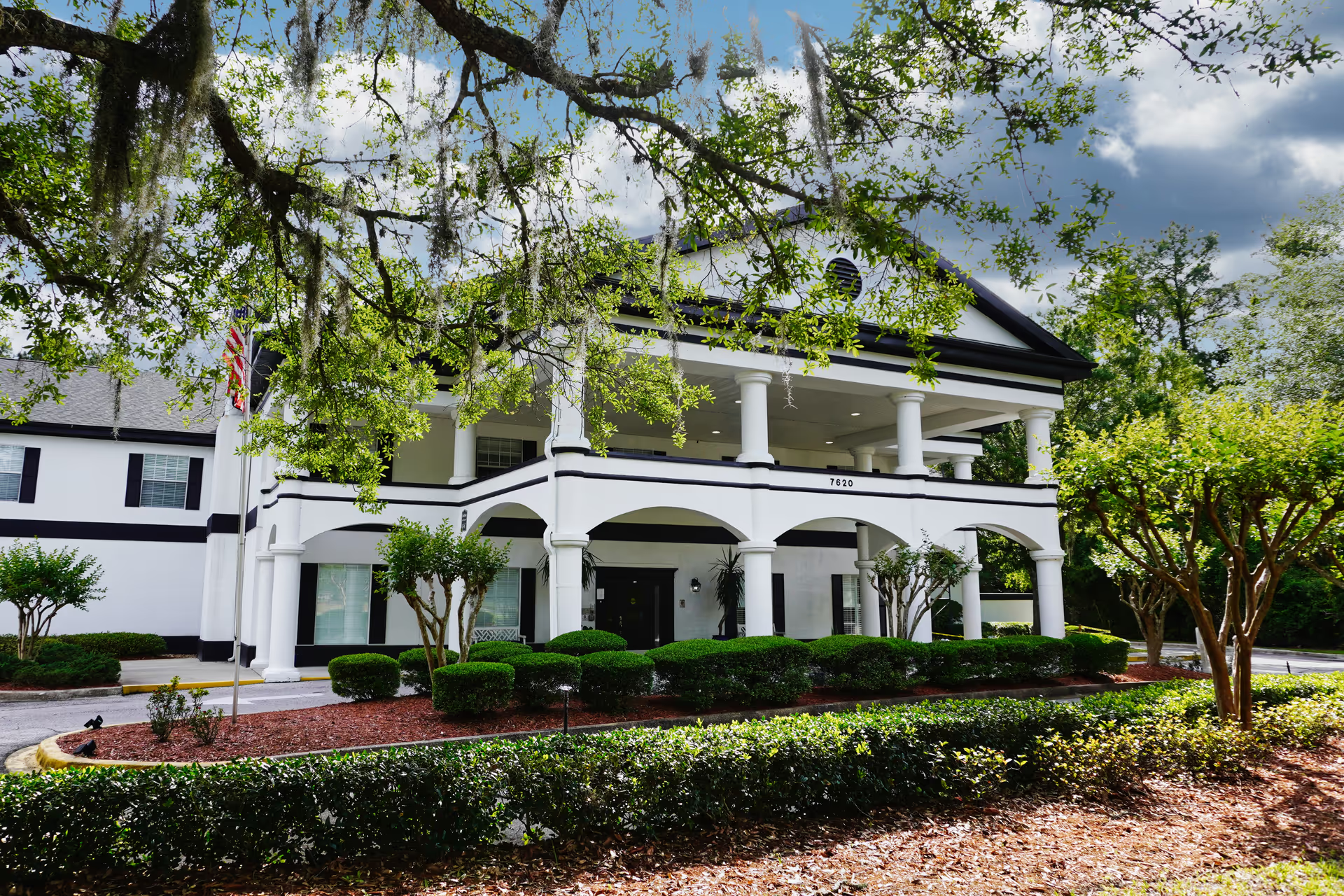
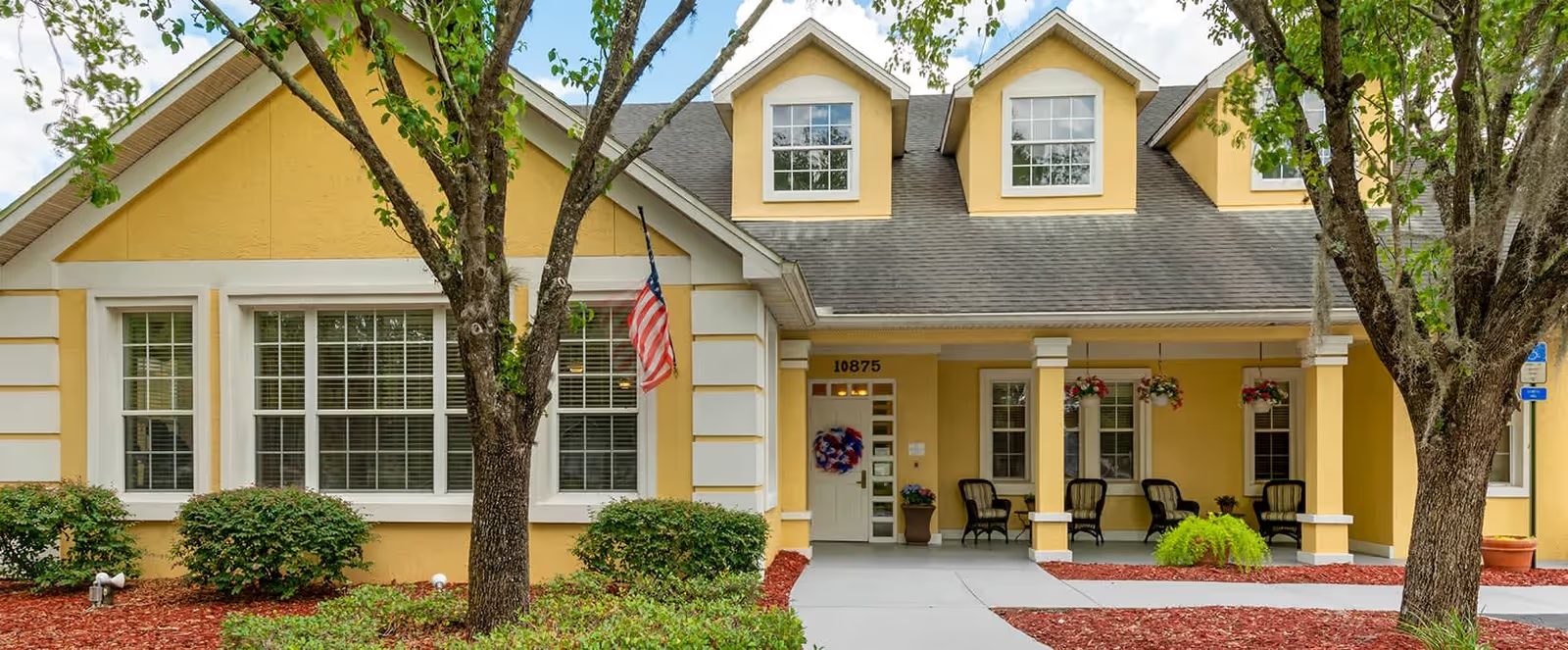
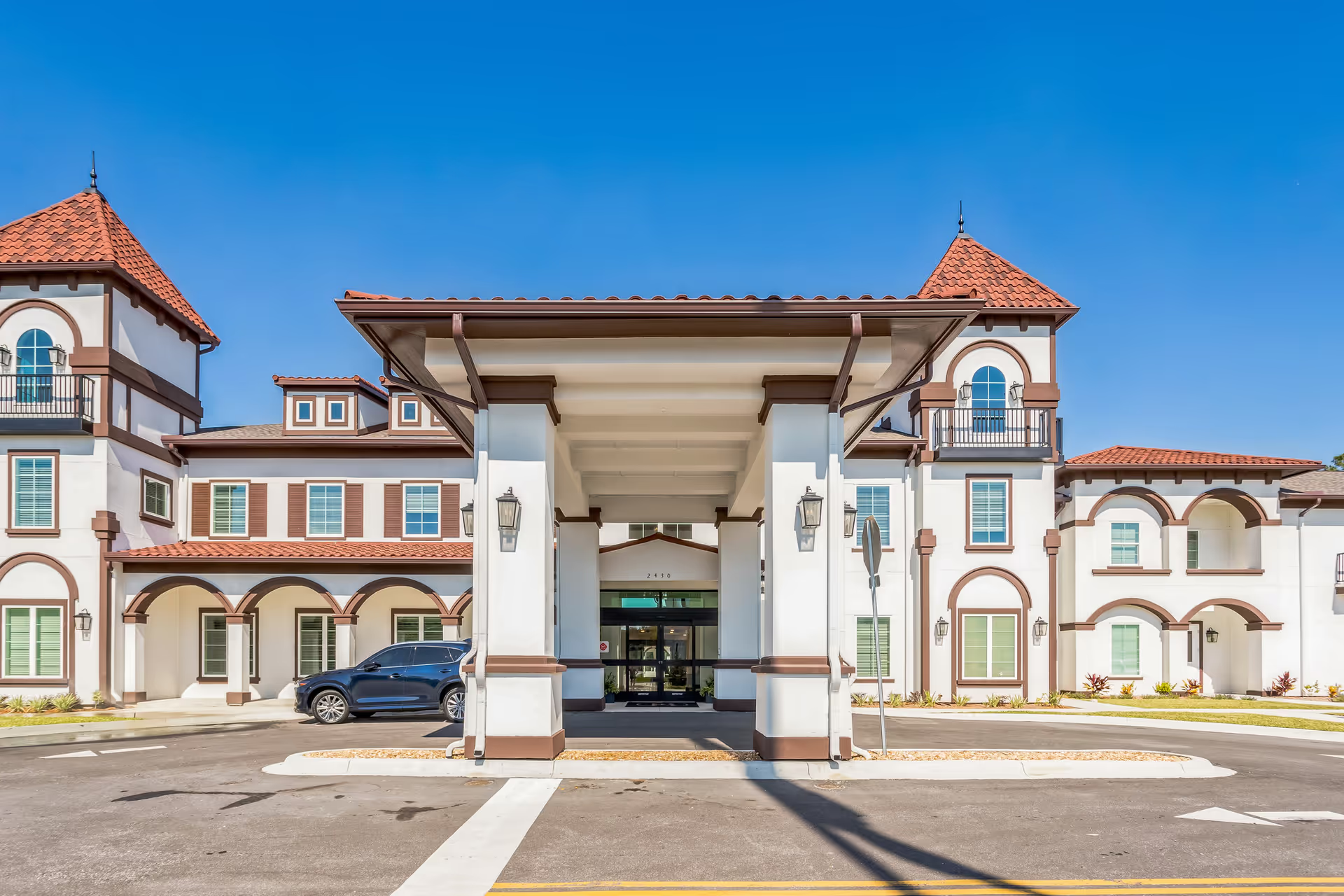
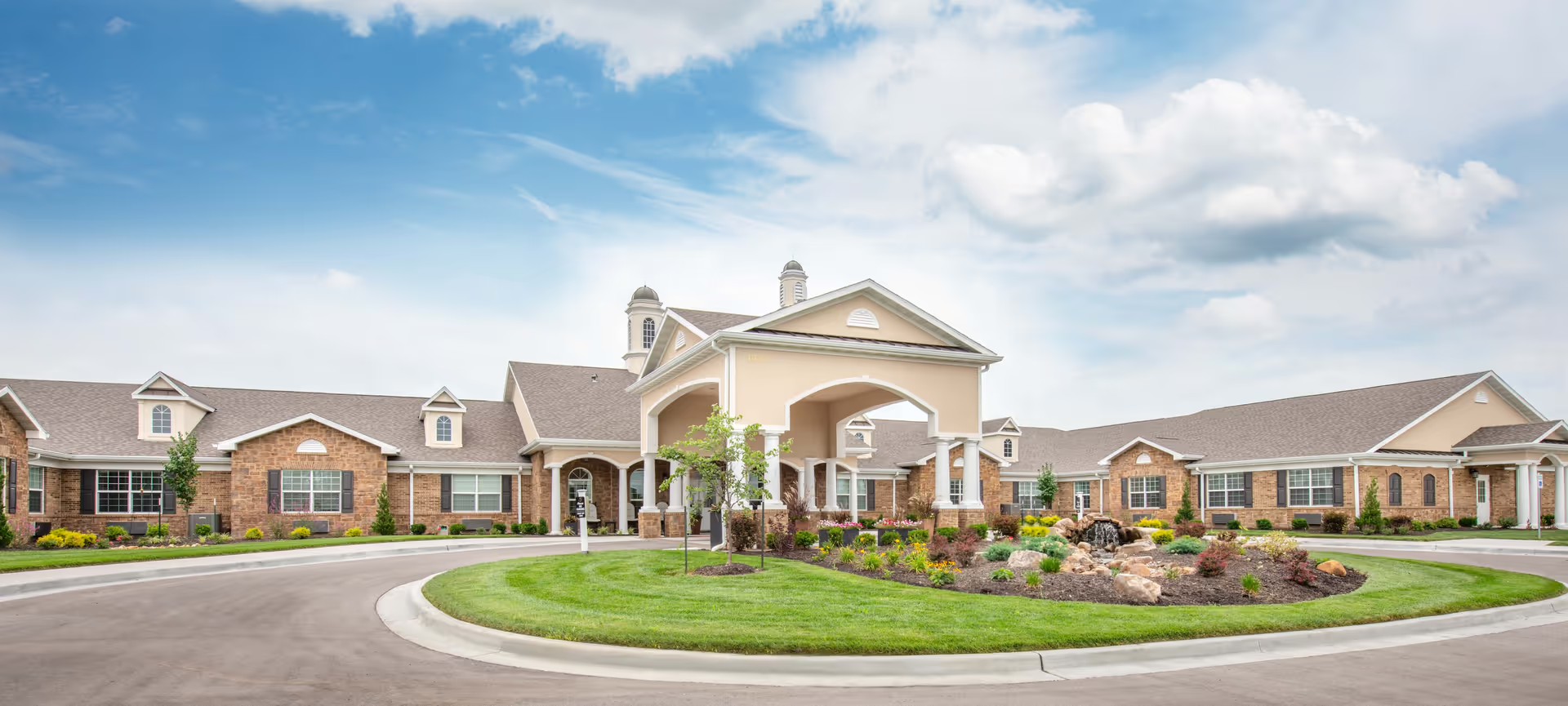
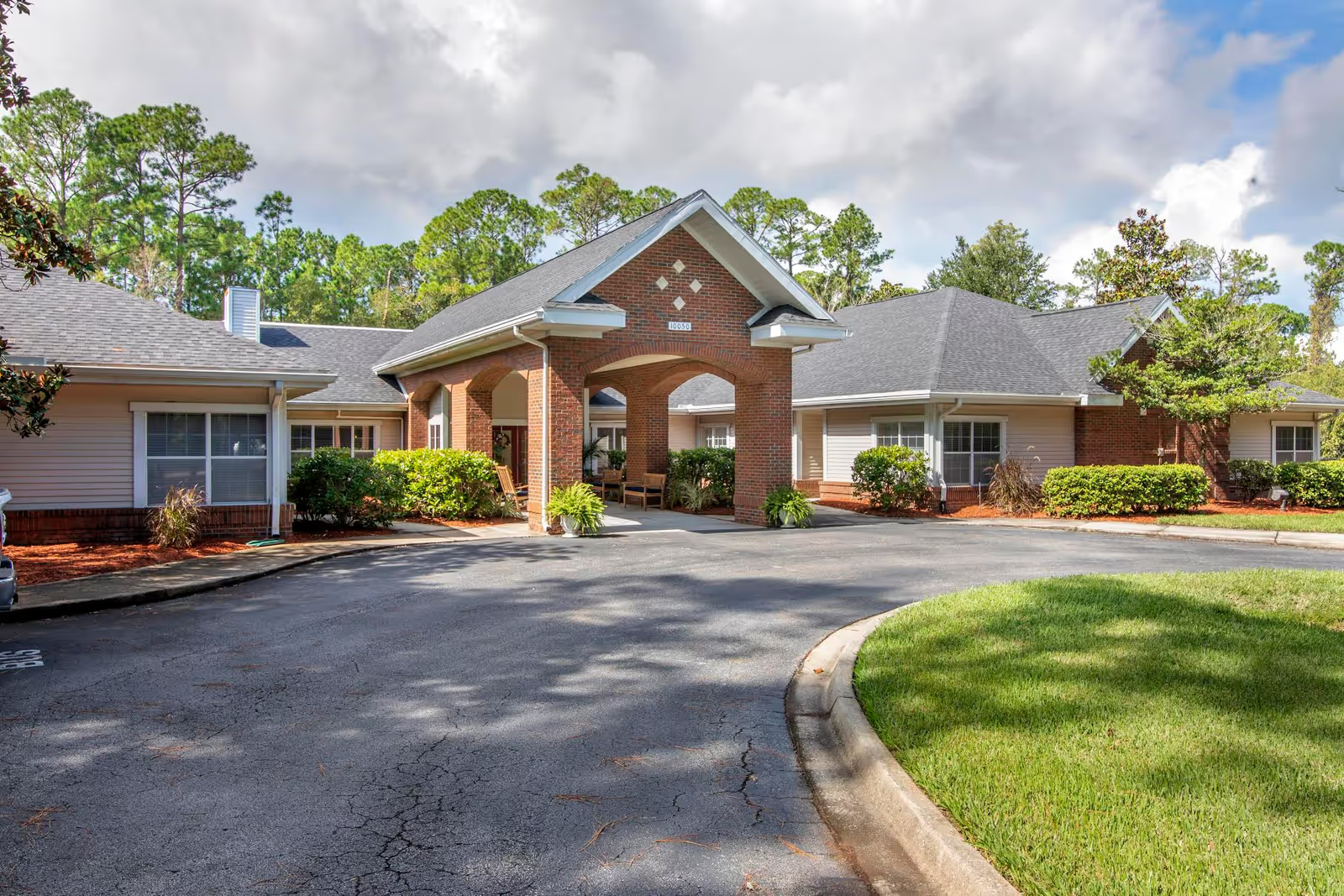
Bartram Lakes Assisted Living elicits strongly divergent impressions. Many families praise the physical environment and social programming: the building and grounds are frequently described as clean, bright, and well maintained, with private apartments that include climate control and pleasant common spaces such as a dining room, library, game room, patios and screened lanais. The presence of on-site rehabilitation services, a doctor-visit room, and convenient medical access are commonly listed as practical advantages. Prospective residents who prioritize social engagement and a smaller, community-oriented setting will likely appreciate an active activities schedule (bingo, socials, supervised outings), a library and events that foster friendships, and a generally family-like atmosphere.
Staffing impressions are mixed but polarized. Numerous reviews single out an admissions coordinator and front-desk team for helpfulness and warmth, and many families describe caregiving staff as kind, attentive, and willing to go above and beyond. Memory-care programming and dementia-focused services receive positive mention from several families, as do examples of sustained, comfortable long-term stays. At the same time, there are recurring operational concerns: inconsistent communication, lapses in staff attentiveness, and reports of distracted staff behavior. Staffing instability and turnover are mentioned as contributors to uneven day-to-day care, and several accounts point to unclear escalation pathways when clinical problems arise.
Clinical quality and safety present the most significant pattern of concern. Multiple reviewers describe delays responding to alarms and emergency calls, and there are consistent references to inconsistent personal-care delivery (bathing and laundry) and billing disputes related to those services. Medication-management and clinical oversight were raised as facility-level issues by several families, and the staffing model — where licensed practical nurses are described as the highest-available clinical level at times — suggests limited RN coverage for higher-acuity needs. For families considering Bartram Lakes, this pattern indicates the facility may be better suited to more independent or moderately assisted residents than to those requiring intensive nursing oversight or complex medication regimens.
Dining and amenities receive mixed feedback. Many reviewers praise home-style meals, a caring chef, and social dining experiences that support resident enjoyment and socialization. Others describe variability in food quality and portion sizes, and note that changes in kitchen staff affected satisfaction. Maintenance and facility services are generally seen as responsive, but isolated concerns about unfinished construction, unclear maintenance contact procedures, and sanitation or odor issues in particular units were also raised.
Management and administration show contrasting strengths and weaknesses. Admissions and post-admission support are frequently commended for being proactive and communicative. Conversely, families identified problems with billing transparency, charge disputes, transport coordination, and limited responsiveness when clinical or safety concerns were raised. There are also allegations related to staff conduct (including discriminatory remarks) and to possible manipulation of online reviews; these are serious reputational issues that warrant direct inquiry during a tour.
Bottom line: Bartram Lakes has clear strengths in environment, social programming, memory-care offerings and admissions/front-desk responsiveness. However, recurring operational themes — inconsistent clinical responsiveness, personal-care service reliability, medication-management oversight, and certain management and billing practices — suggest the facility is a better match for residents who are relatively independent or require moderate assistance rather than those who need continuous RN-level care or complex clinical oversight. Prospective families should ask targeted questions about emergency-response times, clinical staffing levels (RN coverage), personal-care schedules and billing procedures, recent inspection or complaint history, and staff training on conduct and end-of-life care before making a placement decision.