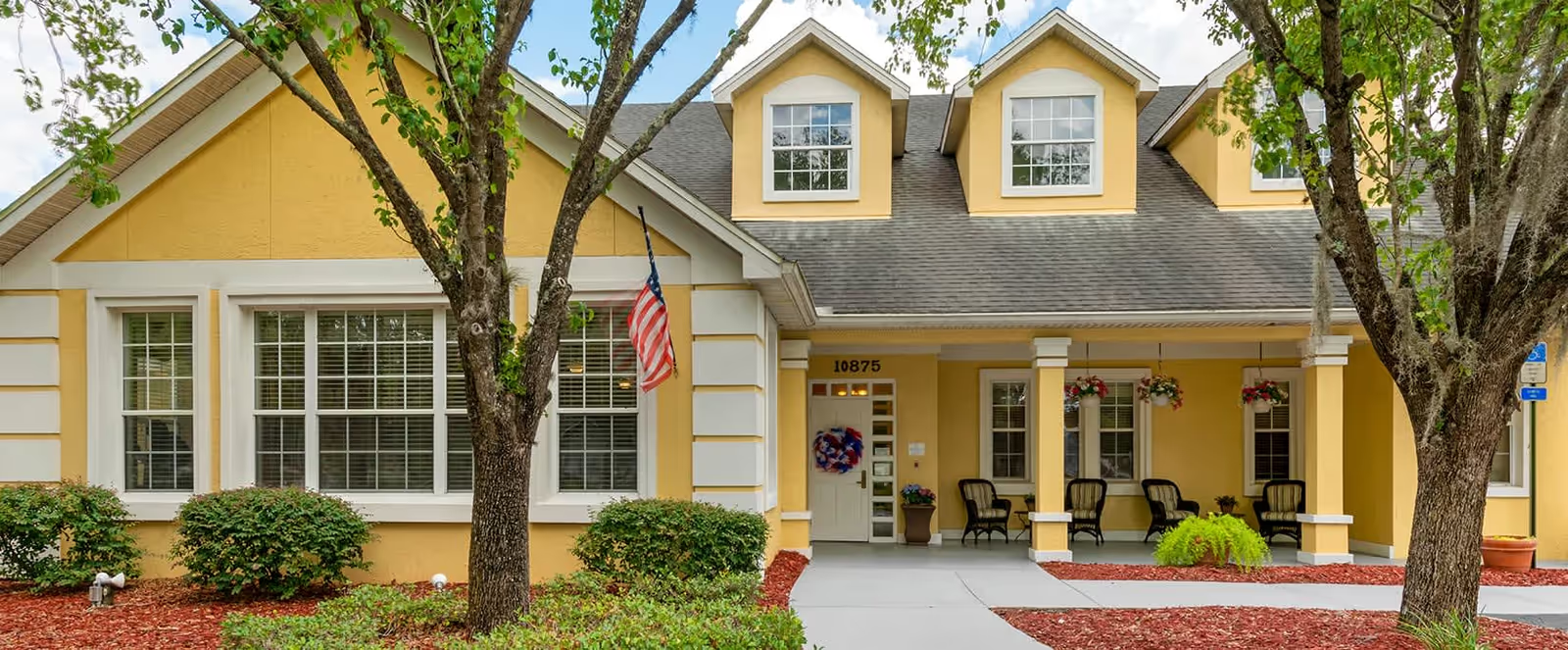
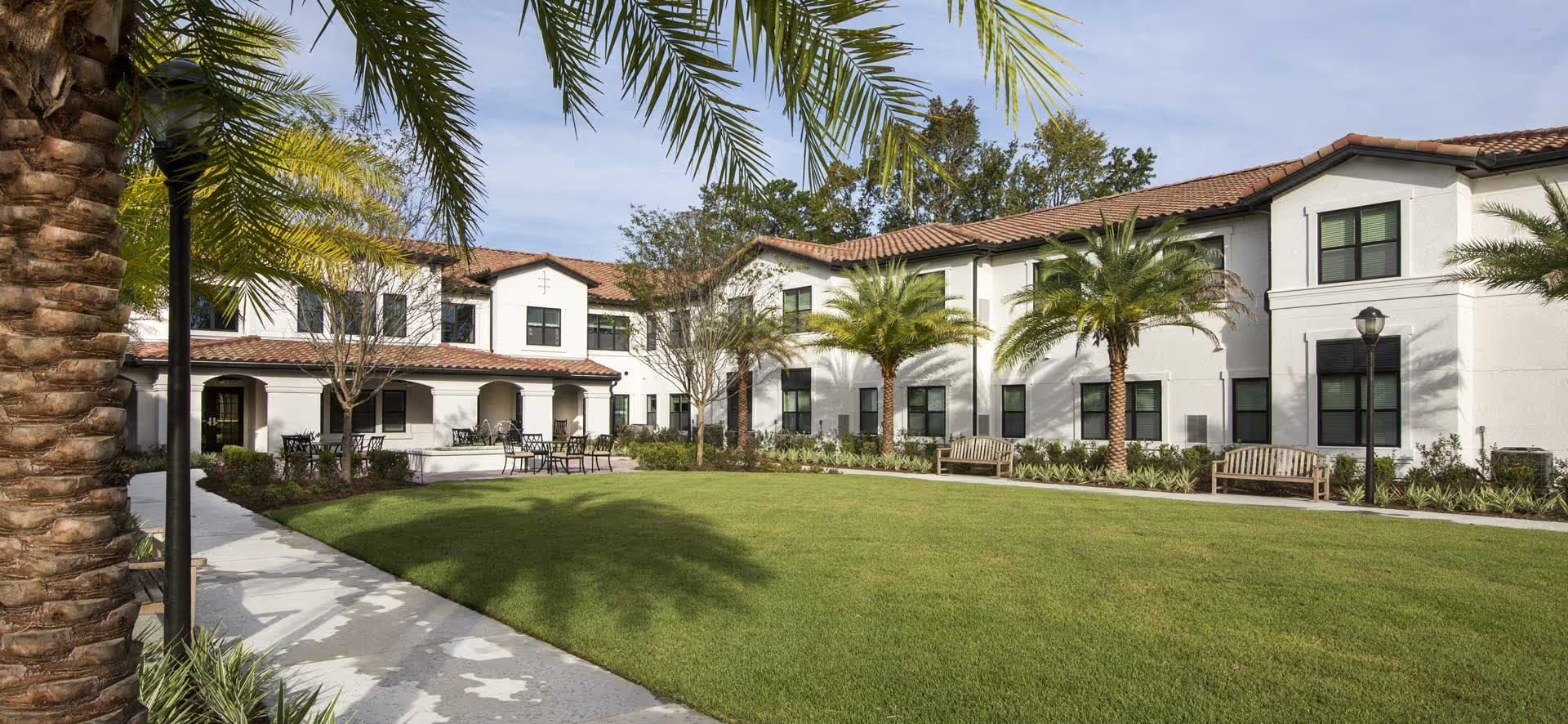
Brookdale Crown Point is described by families as a homelike, well‑kept facility with a strong emphasis on memory care and social engagement. Positive impressions center on a compassionate caregiving culture, a bright single‑story layout, private resident rooms that accept personal furnishings, attractive outdoor gardens and walkways, and visible efforts to maintain cleanliness. The facility offers several on‑site services such as laundry and hair care, adaptive dining areas, and an established activities program led by a long‑tenured director; these features contribute to frequent family‑inclusive events and a lively calendar of themed activities and outings.
Care quality and staff behavior generate mixed but distinct themes. Many families praise individual caregivers for patience, warmth, and responsiveness, and they report that residents receive attentive, personalized attention—particularly within the memory‑care unit which several families described as small, secure, and well organized. At the same time, reviewers indicate variability in staff performance: weekend shifts, holiday coverage and certain employees are sometimes characterized as less engaged. Chronic staffing pressure is a recurring operational concern and reviewers link it to reduced engagement in some shifts. In addition, there are noted concerns about clinical coordination in specific cases, including medication oversight and hospice collaboration; a few families described serious incidents that they felt were not fully addressed, which points to uneven clinical oversight and incident‑response processes.
Dining and activities are frequently cited strengths. Meals are generally described as high quality, with special family dinners, themed events, and regular social programming. Residents have access to multiple dining rooms with seating arranged to assist different levels of independence. Activity offerings are broad—karaoke, outings, crafts, reminiscence work such as Life Story shadow boxes, and community events—and these are often highlighted as contributors to resident well‑being and family satisfaction. Occasional comments mention menu repetition or blandness, suggesting some variability in culinary experience.
The physical environment is a commonly praised element: the community is described as bright, orderly, and recently refreshed in places, with secure grounds, gardens, and interior spaces designed for visibility and resident safety. However, the facility also shows signs of aging infrastructure. HVAC and heating/cooling reliability, some bathing equipment, closet doors and other maintenance items have been flagged, and families noted delays in repairs. Housekeeping is generally credited with keeping spaces tidy, but staffing constraints have been mentioned as limiting responsiveness to cleaning and small maintenance tasks.
Management and administration exhibit mixed feedback. Positive notes describe helpful admissions staff, good tour experiences, and proactive event coordination. Conversely, administrators are sometimes criticized for turnover, inconsistent communication, and billing problems—examples include unclear extra charges, billing errors, and at least one instance where account handling escalated to collections in a way that concerned a family. These administrative and communication gaps, combined with the clinical and staffing variability described above, create the primary tension in otherwise favorable impressions of daily life at the community.
Overall pattern and guidance: Brookdale Crown Point appears to deliver a strong, family‑oriented experience for many residents—especially in memory care and social engagement—backed by a clean facility and committed activities staff. The principal operational weaknesses are inconsistent staffing and engagement, aging building systems with occasional maintenance delays, and administrative/billing processes that families should review carefully. Prospective residents and families would benefit from an on‑site visit that includes discussion of staffing ratios (including weekend coverage), maintenance response times, medication and clinical‑care escalation procedures, billing transparency, and examples of how the community addresses incidents and family concerns.