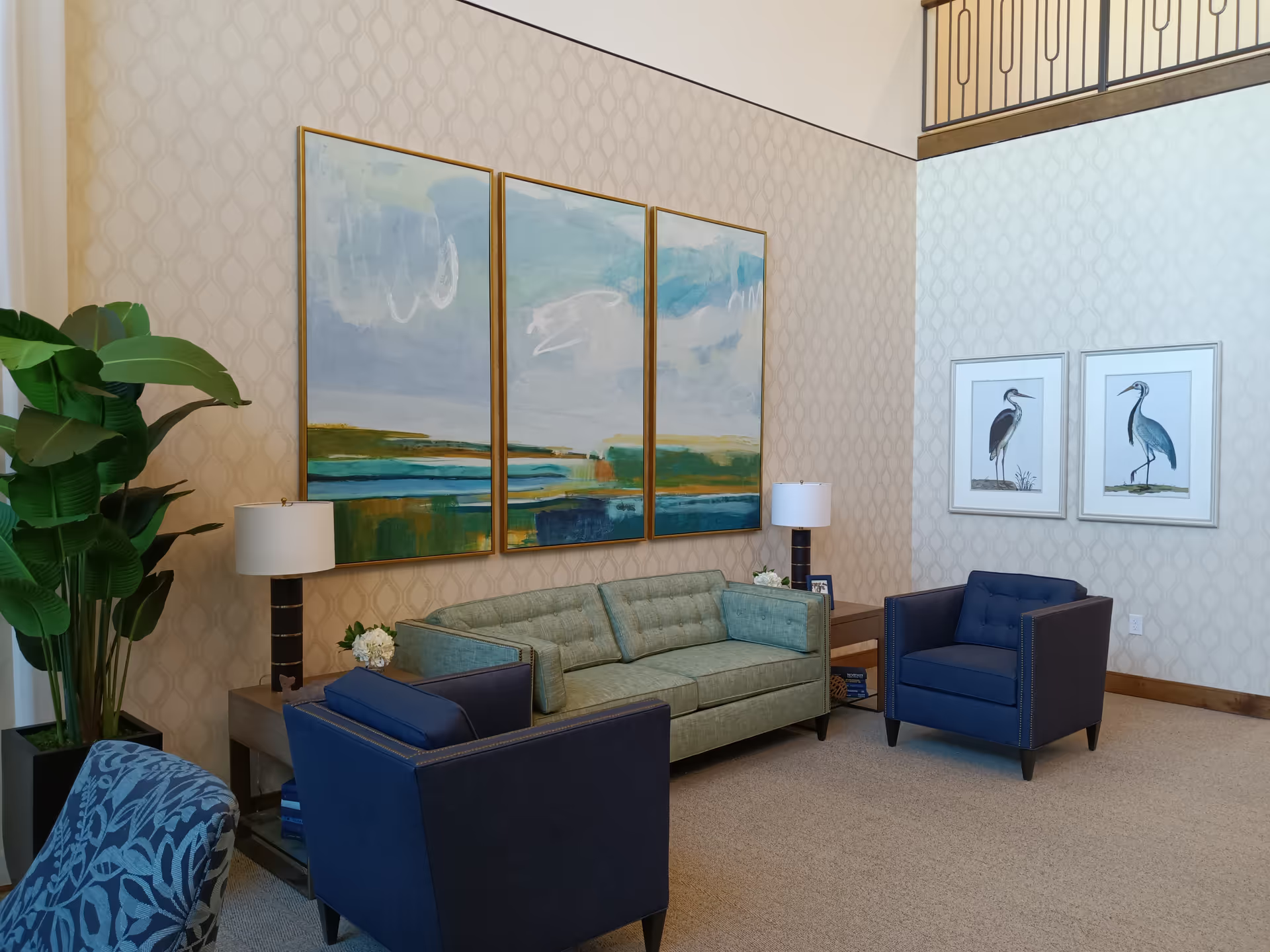
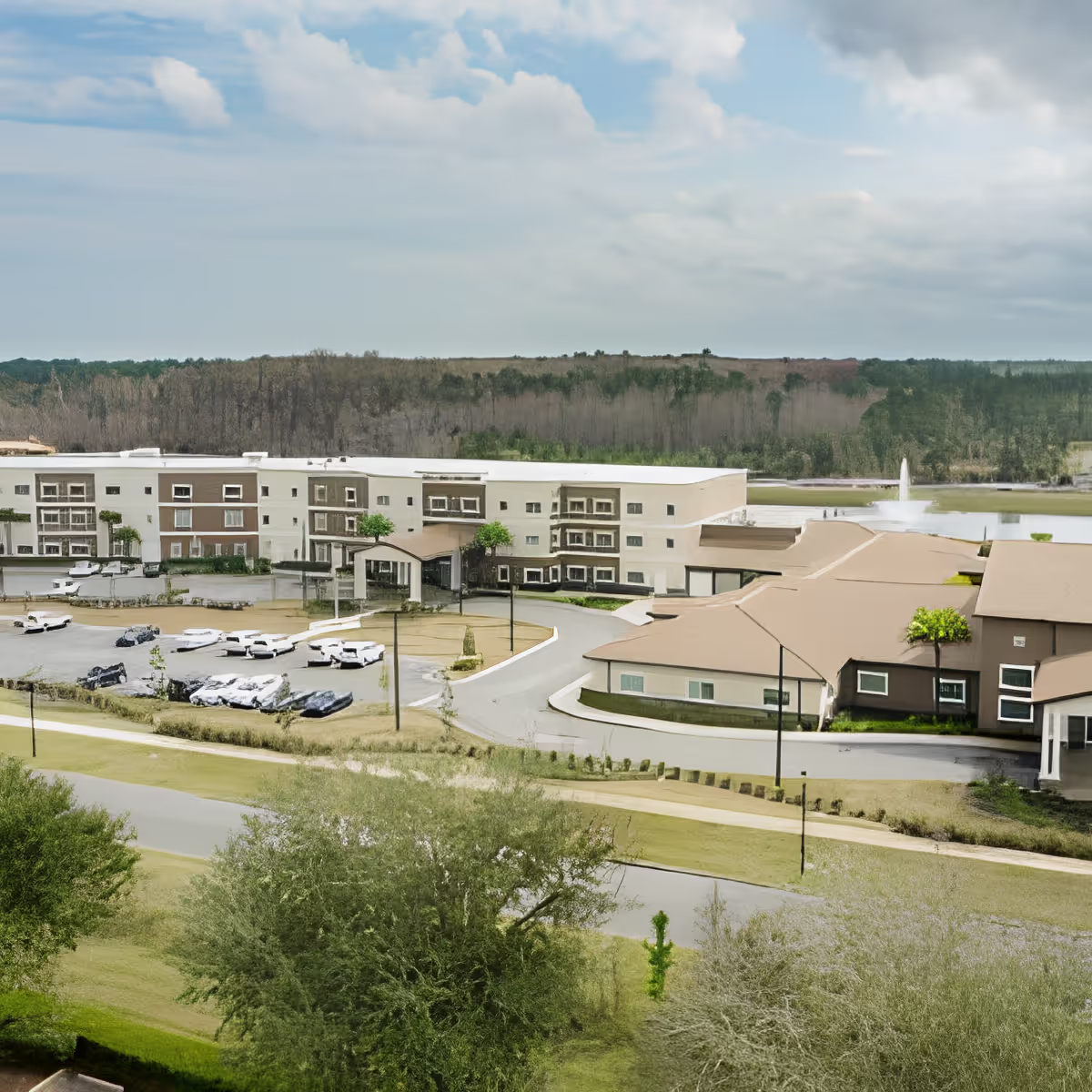
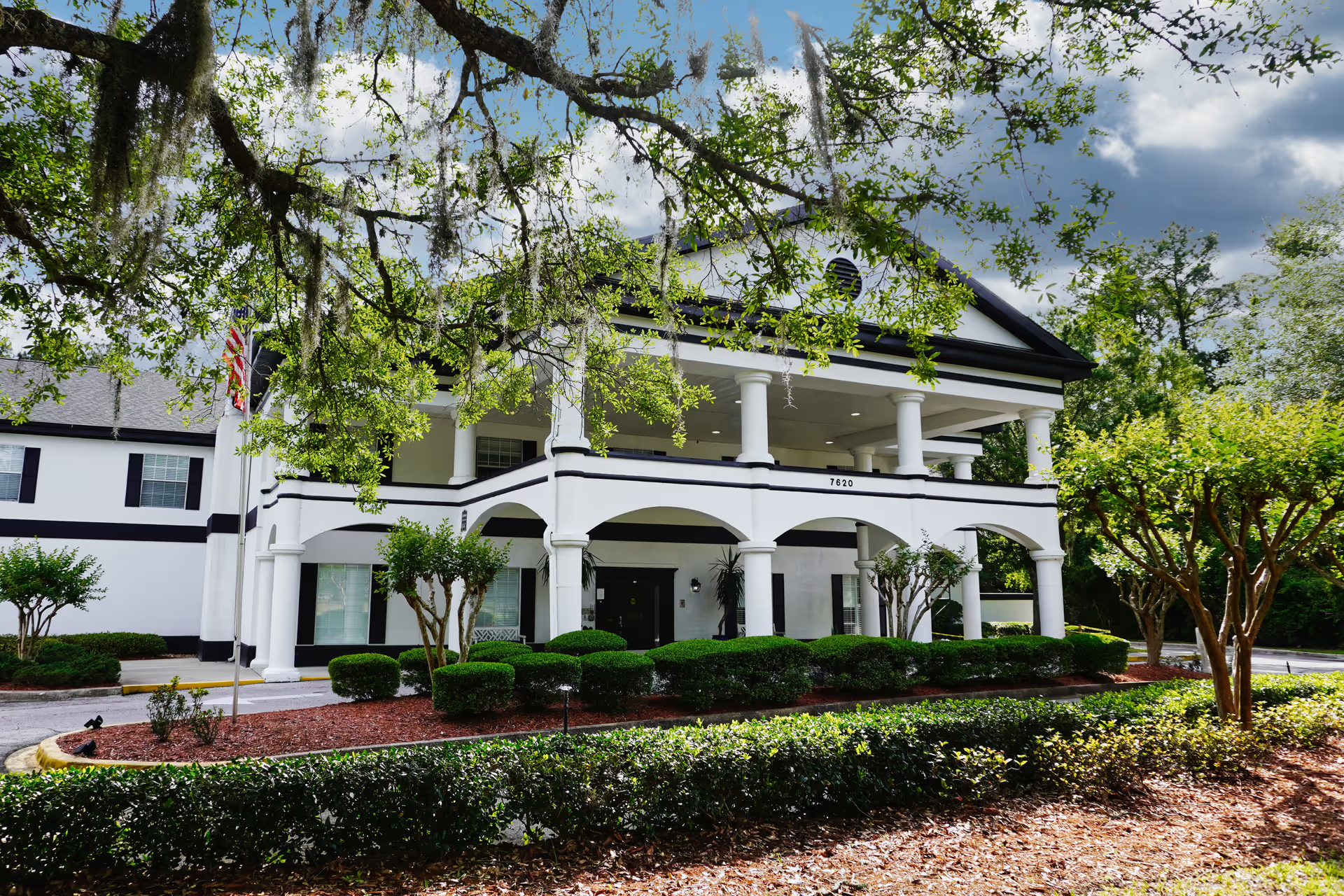
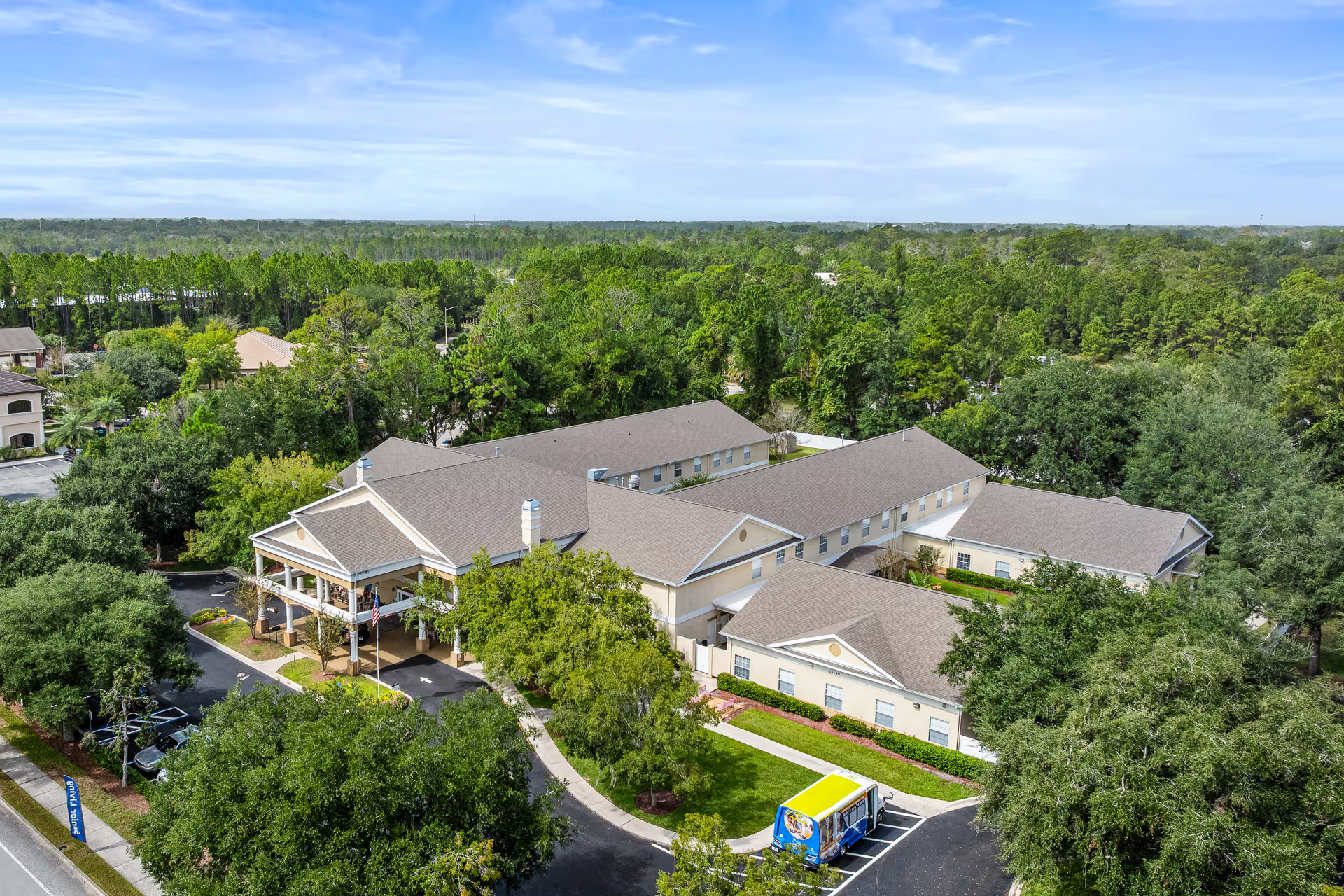
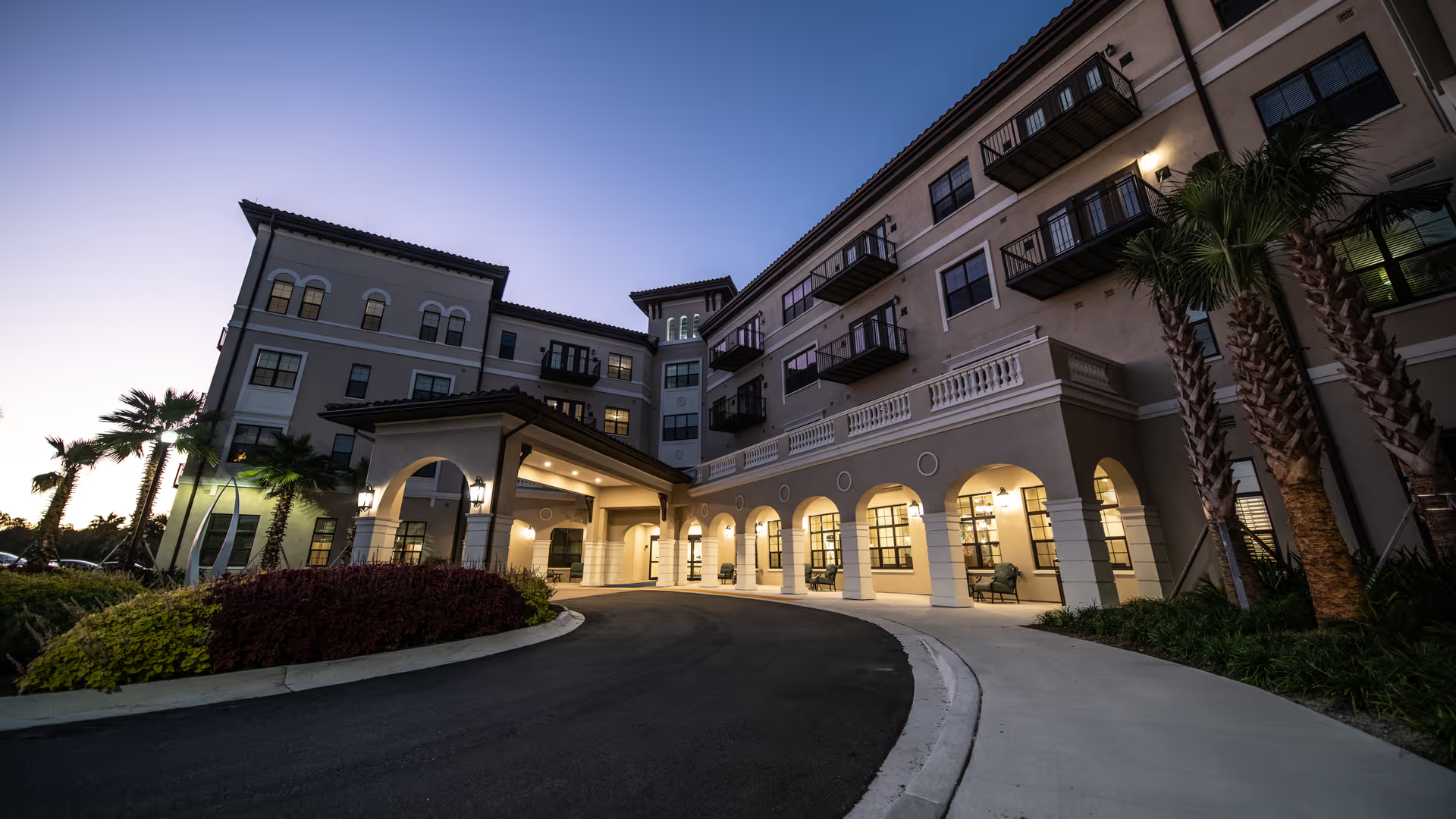
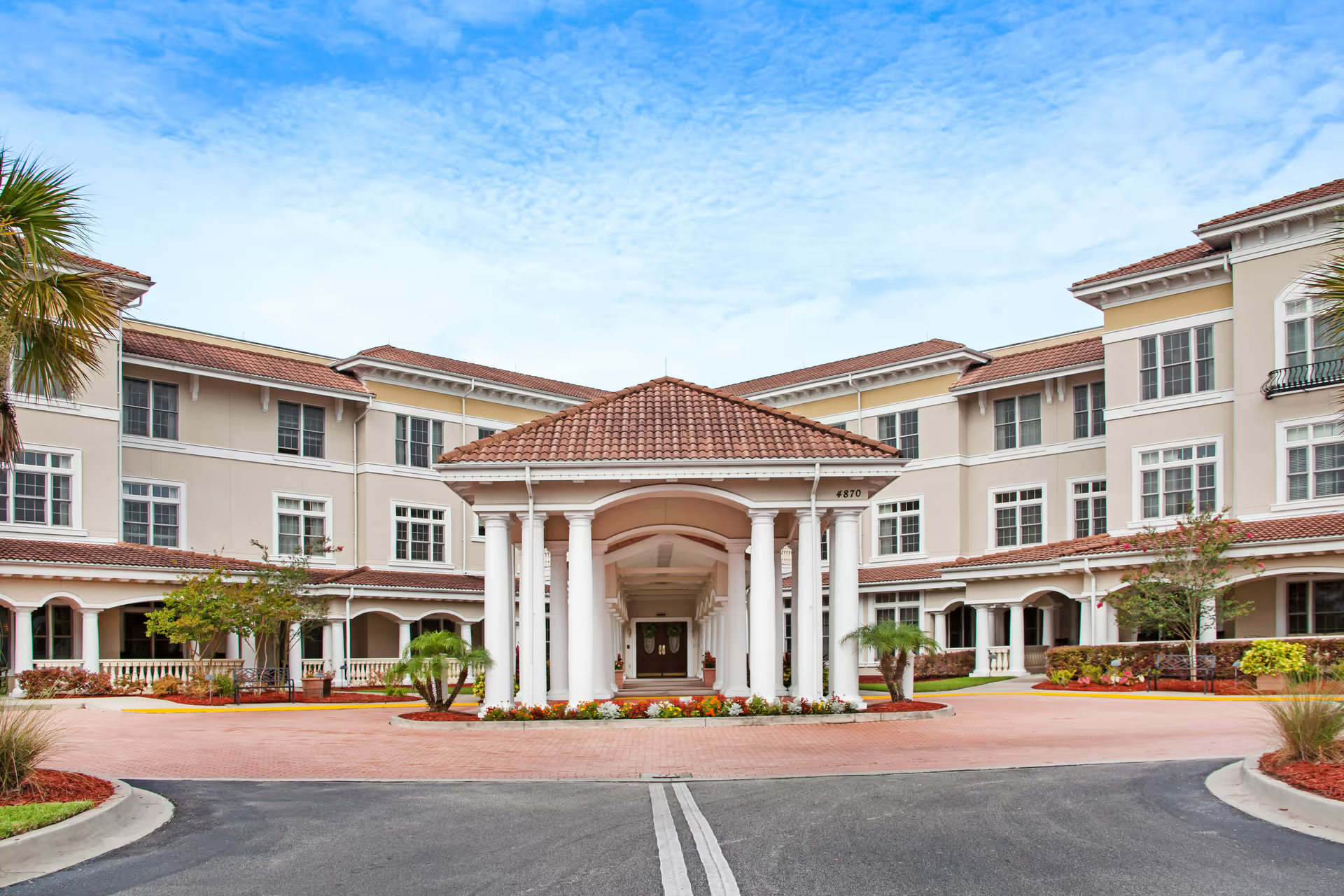
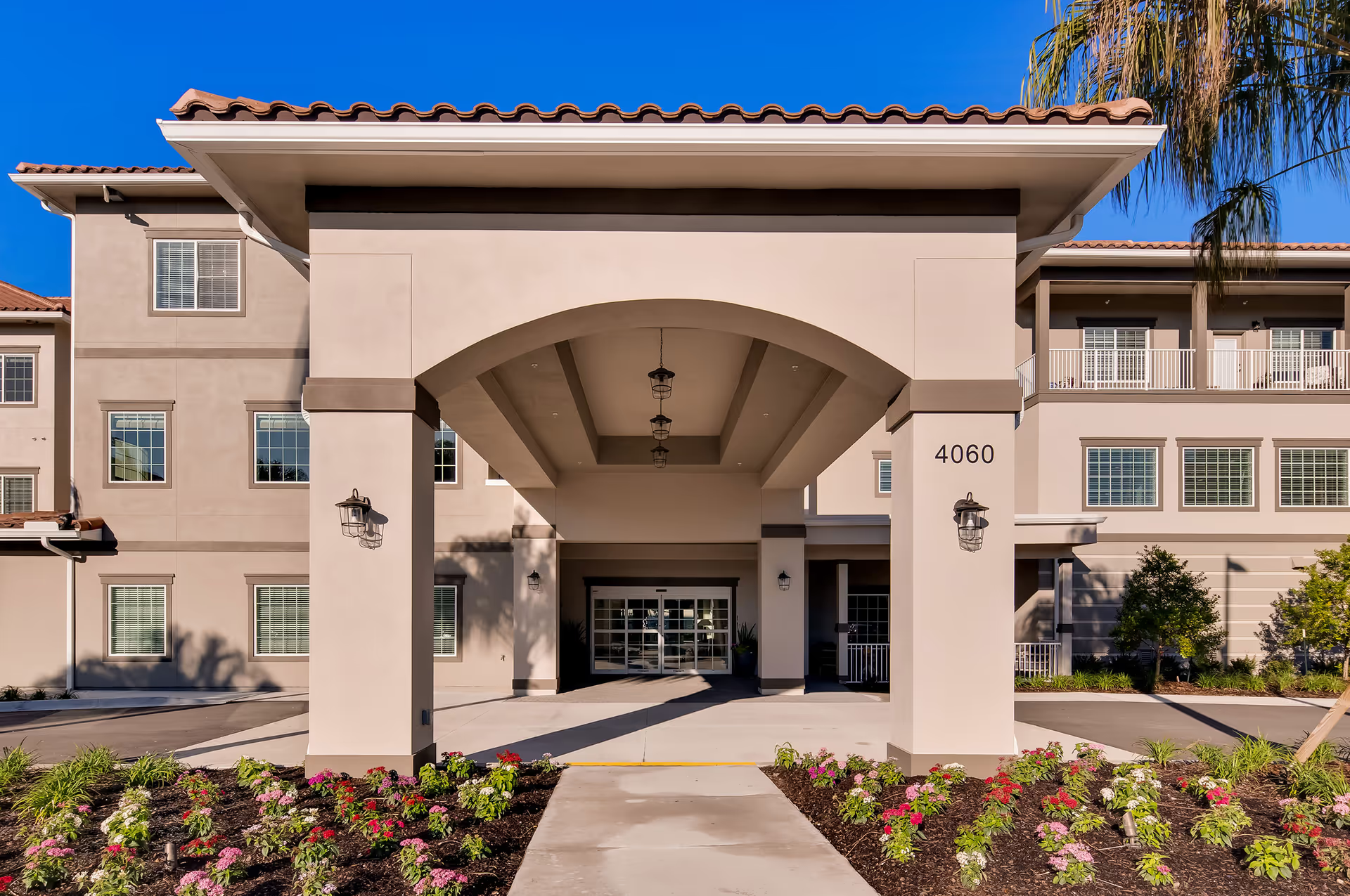
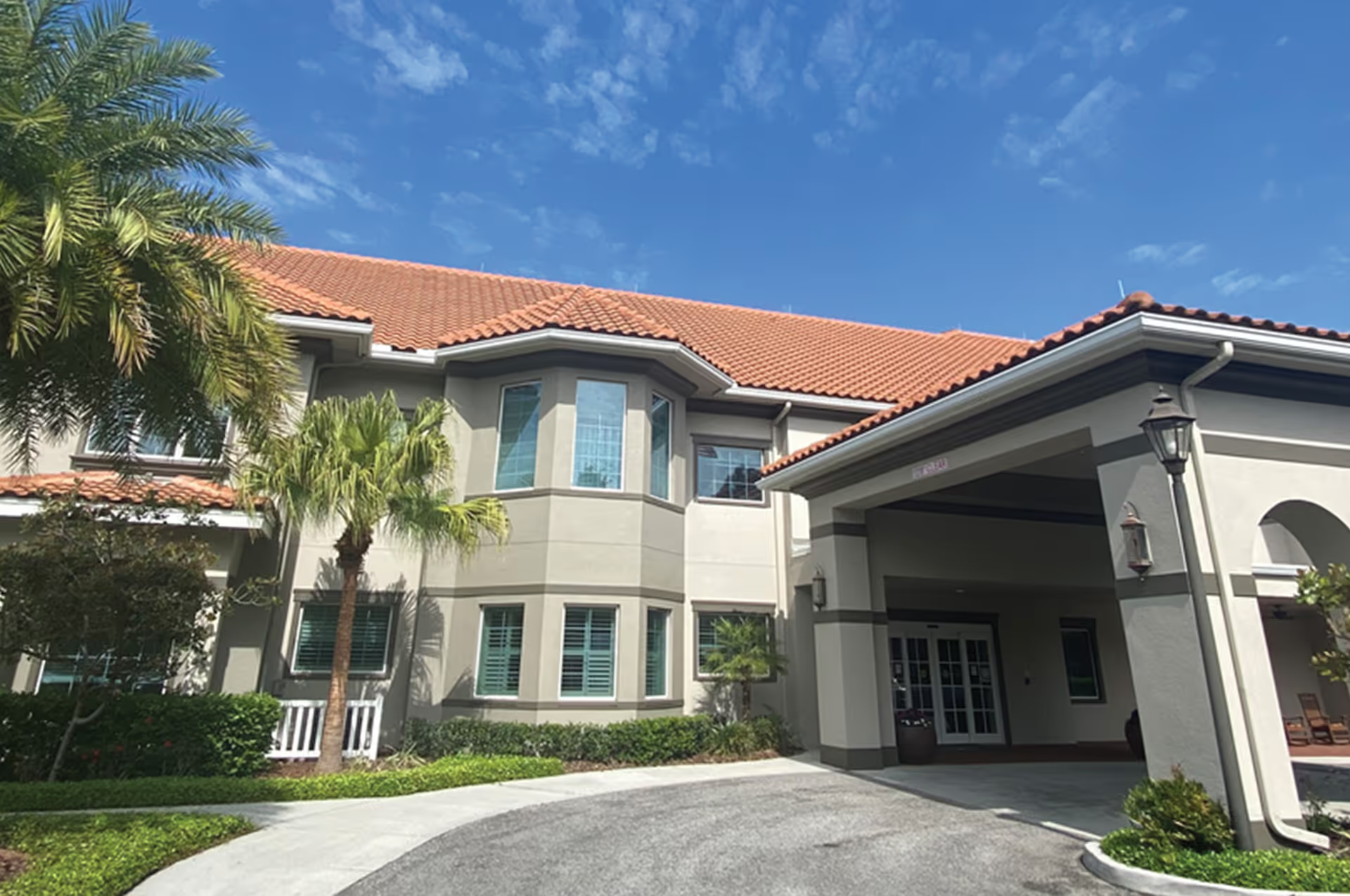
Camellia at Deerwood is frequently described as a modern, resort-style senior living community with extensive social and recreational amenities. Reviewers consistently note a wide range of communal features — saltwater pool, movie theater, salon, multiple dining venues, library and game rooms — and an active calendar of programs and excursions that many residents find engaging. Apartments are commonly described as bright and well-appointed, with several floor plans that include full kitchens and balconies; maintenance and housekeeping services are generally regarded as responsive.
Staff and care receive mixed-but-often-positive assessments. Many families praise compassionate caregivers, an involved memory-care team, and staff who facilitate smooth move-ins and transitions. Memory-care programming and person-centered attention are recurring strengths. At the same time, reviewers flagged limits to the facility’s clinical capacity: there is no consistent 24/7 RN coverage and the community is not structured to provide high-acuity skilled nursing. These limitations, combined with instances of staffing shortages and turnover, have produced concerns about timeliness of assistance, medication handling flexibility, and availability of night-time support.
Dining and food service are polarizing. Numerous accounts highlight restaurant-style meals, a responsive executive chef, dietary accommodations (including diabetic and gluten-free options), and appealing presentation. Conversely, there are repeated complaints about inconsistent food quality over time, slow or unreliable service, occasional use of prepackaged items, menu shortages, and long waits in the dining room. Staffing patterns in the dining department — including turnover among kitchen and service personnel — appear to drive much of this variability.
Programming and amenities are clear selling points: daily activities, live music, happy hours, classes, and off-site trips are cited often as improving residents’ quality of life. A subset of reviewers however felt activity options were limited on weekends or not suited to all residents’ interests, and some newer memory-care residents reported smaller social groups until census grows. Pool safety is another area of mixed commentary: while the pool is an appreciated amenity, families have raised questions about lifeguard and supervision protocols around the water.
Operational and management patterns are uneven. Many families commend specific leaders and front-line staff for professionalism, transparency during admissions, and individualized attention. At the same time, there are multiple accounts of management instability, delayed or unclear communication with families, and disputed incident disclosure practices. More serious concerns include a documented water-system contamination event that affected resident health and drew attention to infection-control and notification practices; there are also isolated but severe allegations related to personal-property and identity issues that have eroded trust for some families. Auxiliary fees and ad hoc charges are another recurring theme — prospective residents should review the fee schedule closely.
Bottom line: Camellia at Deerwood offers a strong amenity set, active programming, and many examples of compassionate direct care, particularly in memory care. Prospective residents and families should weigh those strengths against operational patterns that have produced inconsistent dining experience, staffing shortages at certain times, limited clinical/nursing availability, and past safety/communication problems. Recommended pre-move questions include verification of clinical staffing levels and on-call nursing coverage, recent infection-control remediation and reporting practices, current dining staffing and menu sourcing, typical staffing ratios at different times of day, fee and auxiliary charge details, and specifics about supervision around pool and other higher-risk areas.