Reviewer feedback for Jacksonville Center for Rehabilitation and Healthcare is highly mixed, with distinct clusters of positive and negative observations. Strengths cited consistently include clinical rehabilitation services (therapists and physicians), several frontline staff who are described as compassionate and attentive, and a reception/administrative team that many visitors find friendly and efficient. Multiple comments also reference meaningful activity programming and occasions where staff made extra efforts to accommodate dietary preferences or provide a warm, home-like atmosphere. Recent management changes and ongoing remodeling were noted as positive steps toward facility improvement.
Care quality presents a polarized picture. While rehabilitative services and some nursing staff receive praise for effective therapy and attentive care, there are repeated concerns about inconsistent nursing and CNA performance, delays in medication administration, and failures to follow established wound- and hygiene-related care plans. A few reviewers raised serious conduct concerns and described problematic post-event administrative practices; these have prompted family escalation in some cases. There were also reports pointing to limited availability of specialized clinical resources (for example, respiratory therapy) which may affect residents with higher acuity needs.
Staff-related feedback is likewise mixed. Several staff members and teams are singled out positively for compassion and professionalism, and some reviewers describe interactions that feel personalized and respectful. At the same time, other comments point to variability in staff responsiveness, communication tone with families and residents, and apparent gaps in training and supervision. These differences suggest inconsistent staffing practices or uneven training across shifts.
Dining and activities receive both praise and criticism. Some reviewers found the food satisfying, staff accommodating to dietary needs, and activity offerings valuable for social engagement. Conversely, others described limited menu variety (particularly for texture-modified diets), intermittent meal quality issues, and periods with fewer activity options. Consistency in these areas appears uneven across time and units.
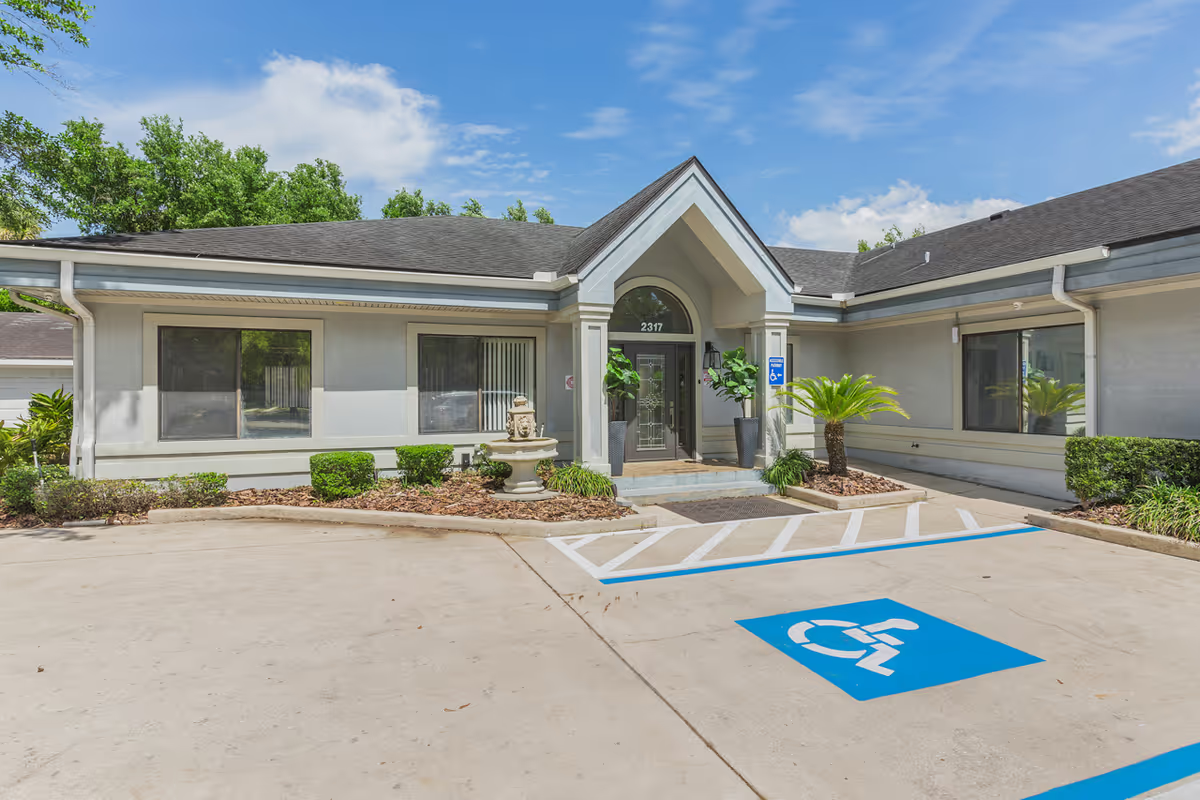
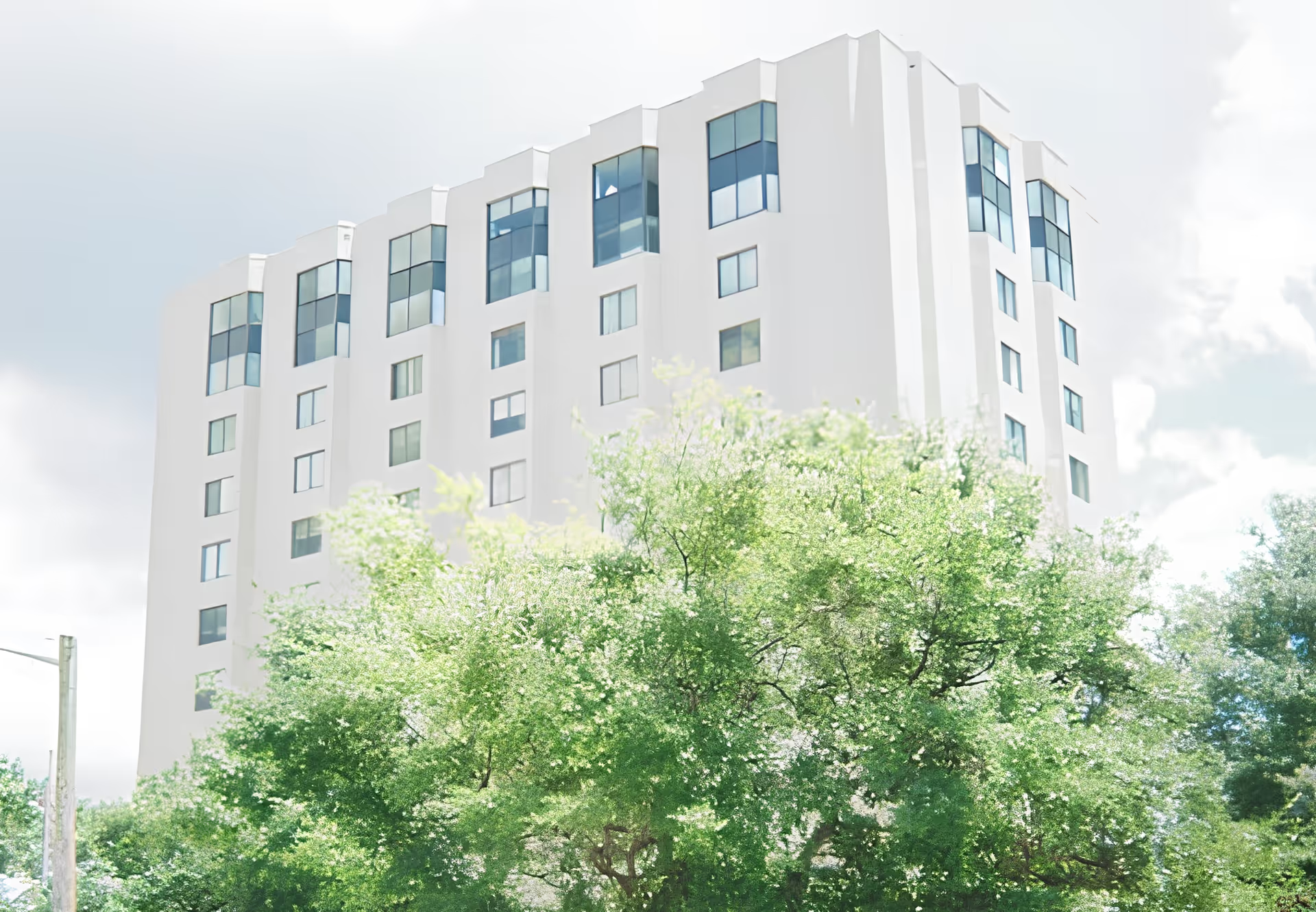
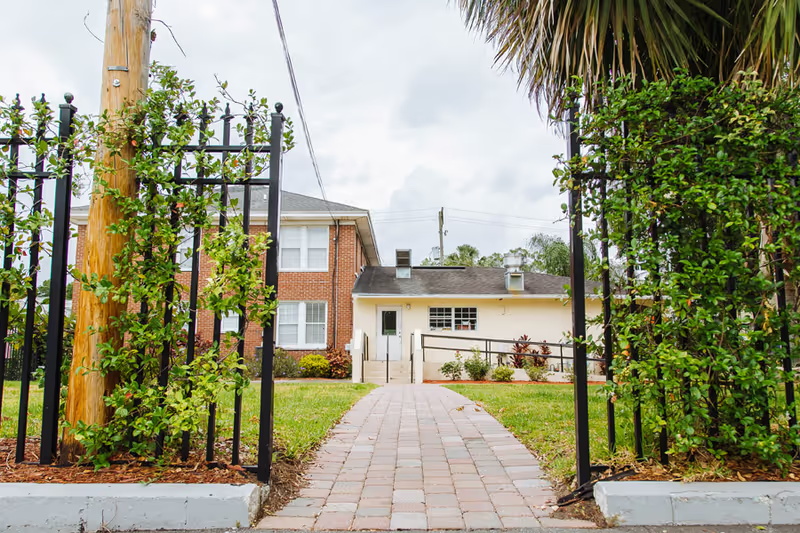
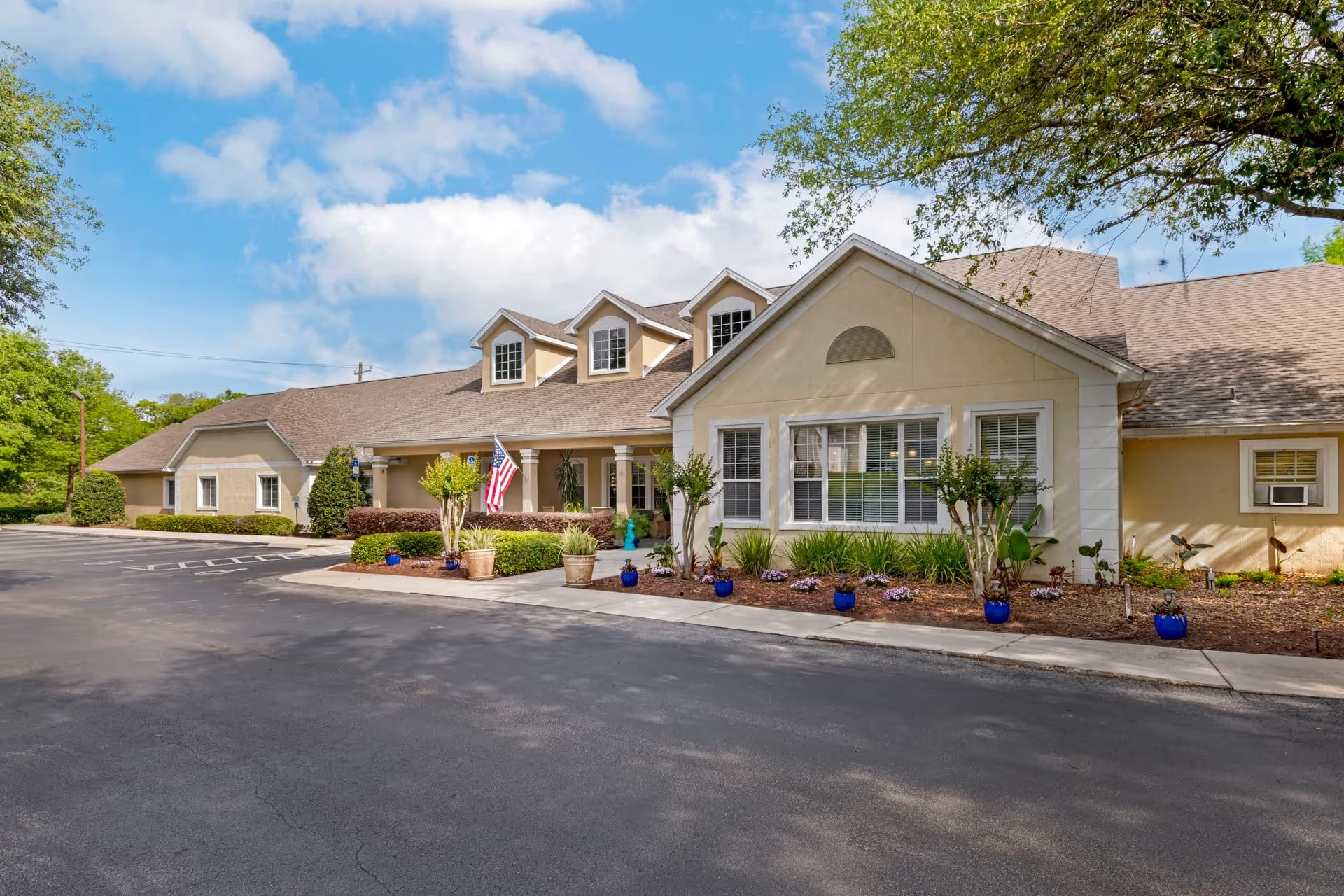
Facility condition and environment are recurring concerns. Many reviewers characterize the building as dated with a need for renovation, and others note overcrowded rooms and sanitation or odor-management problems. Several comments identified pest-control concerns and uneven housekeeping performance. At the same time, parts of the facility were described as clean, secure, and improving under the current management team.
Management and operations show signs of transition. New ownership and active remodeling suggest efforts to address infrastructure deficiencies, and some families report positive changes. However, operational gaps remain evident in areas such as care-plan communication, incident response, discharge planning, hospice coordination, and billing practices; a number of reviewers indicated they had escalated matters to external agencies. Prospective residents and families should therefore seek specific, up-to-date information on staffing ratios, medication procedures, wound-care protocols, hospice policies, pest control, and recent remediation efforts.
Overall, the facility displays clear strengths in therapy services and in individual staff who provide compassionate care, but persistent operational and environmental issues create variability in resident experience. Families should arrange in-person visits at different times of day, review current care plans and staffing, and ask management for documentation of recent corrective actions before making placement decisions.