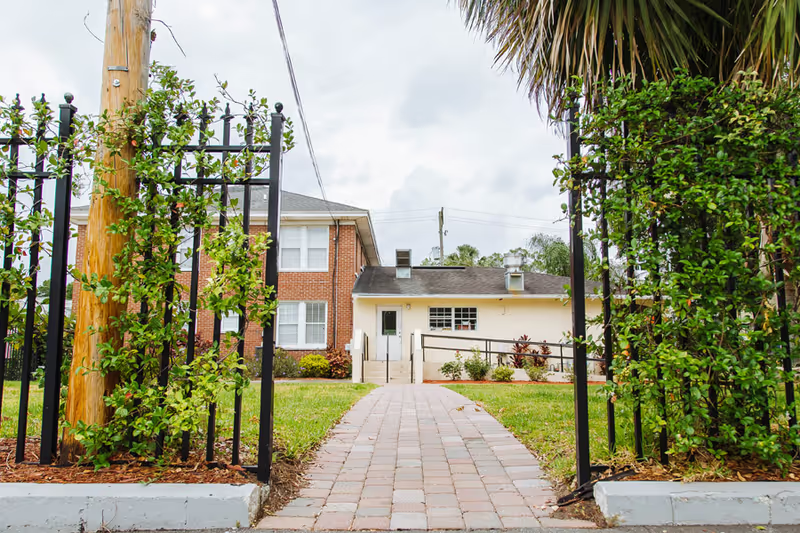
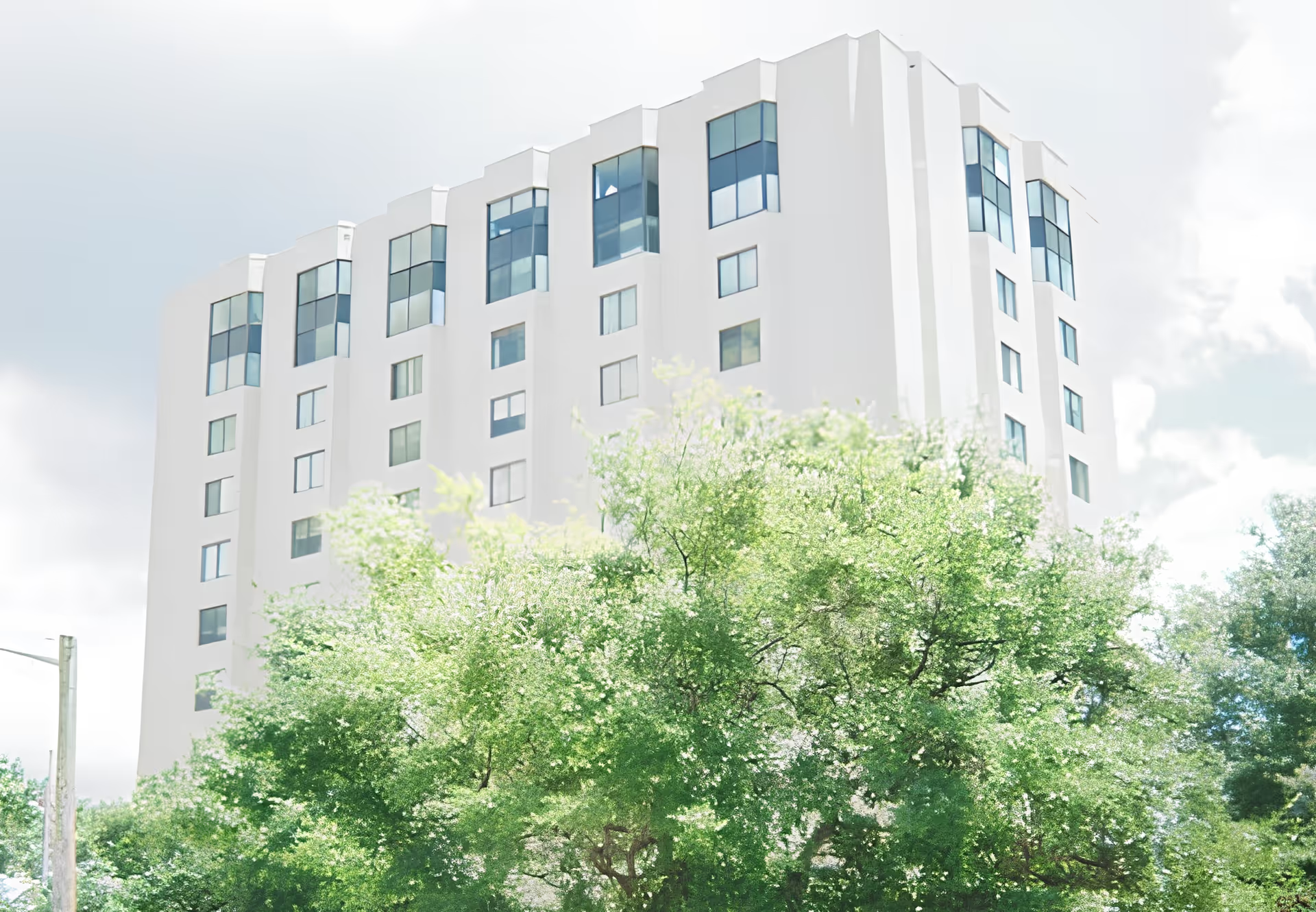
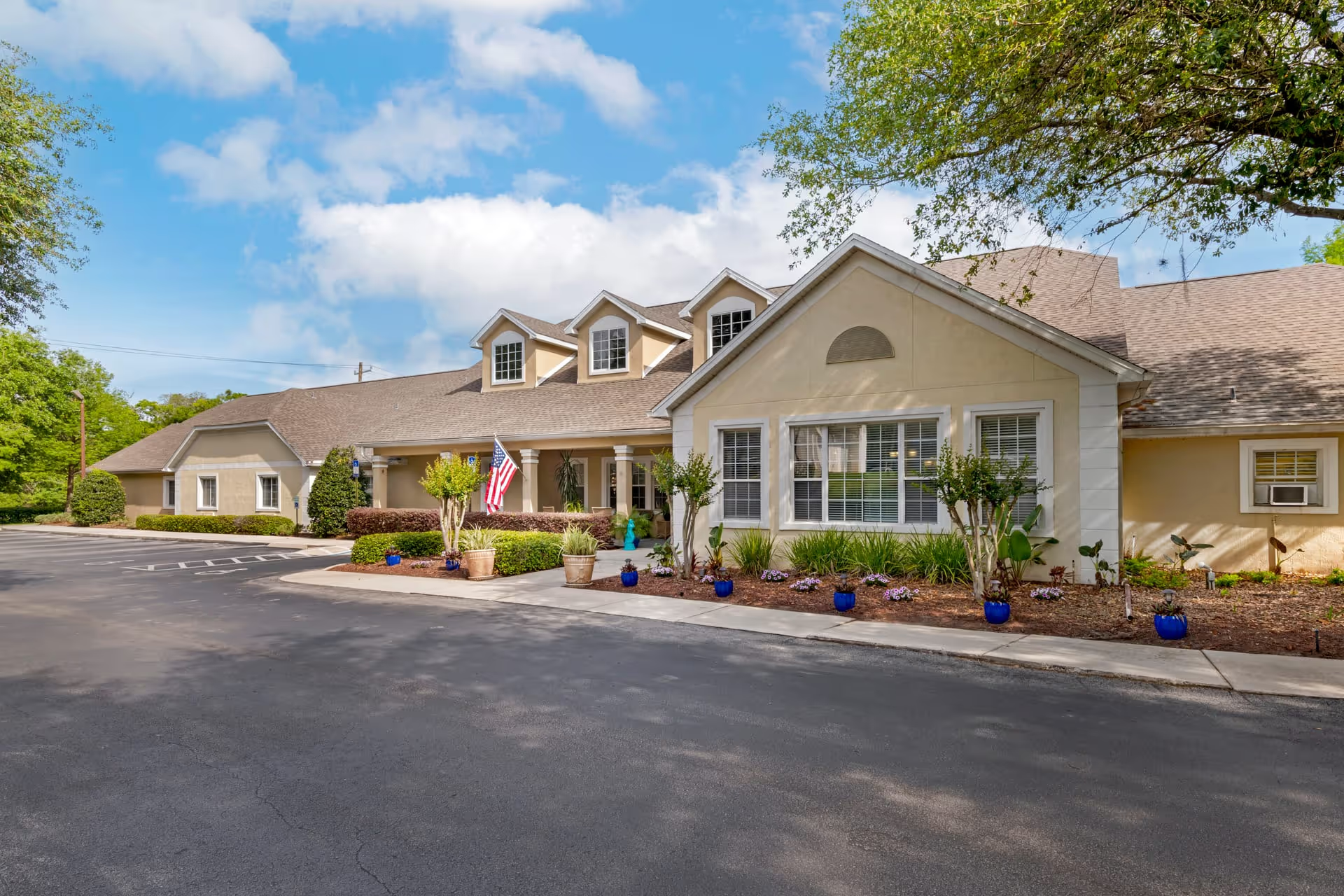
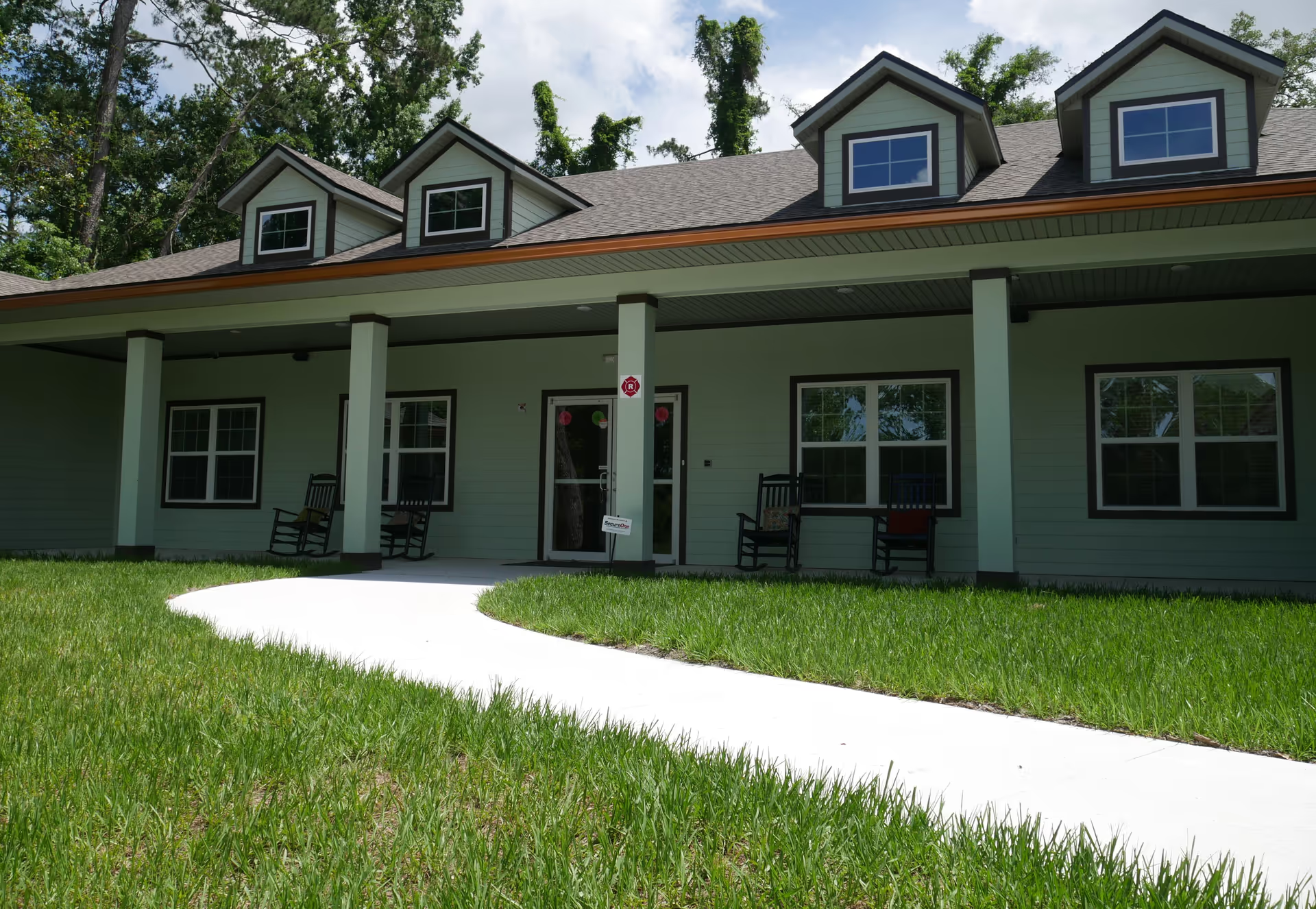
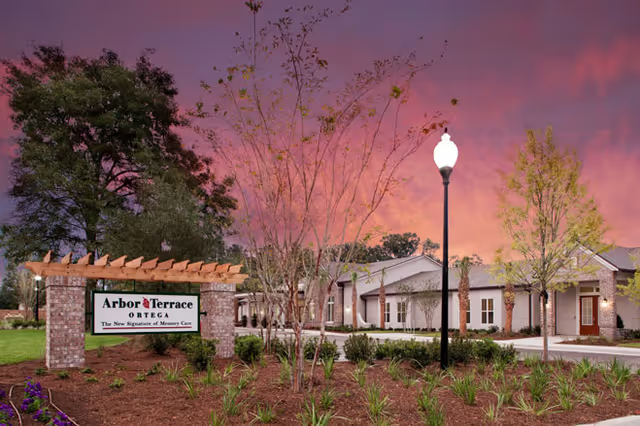
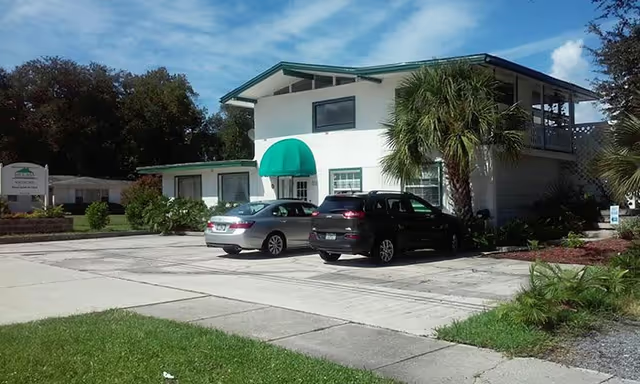
Across the summaries, Better Days Senior Living is described primarily as a small, boutique assisted-living option with a strong emphasis on a home-like environment and medical oversight. Multiple comments highlight that the facility is physician-owned and that clinical support — including access to specialists — contributes to families’ sense of security. Reviewers frequently characterize the facility as clean, well-maintained, and located in a safe, residential neighborhood. The physical setting is noted as welcoming and intimate rather than institutional.
Care and staffing receive substantial positive mention: reviewers commonly describe staff and leadership as compassionate, professional, and attentive. Families emphasize 24/7 accessibility, clear communication, and a caring approach that helps create peace of mind. Several summaries specifically praise directors and owners for ethical, family-oriented management. Clinical competence is reinforced by references to knowledgeable staff and good relationships with medical providers, including cardiology support.
Dining and programming are presented as strengths for many residents. Food quality is repeatedly described as fresh, homemade, and satisfying; reviewers also note a variety of activities, wellbeing programs, and social opportunities that contribute to residents’ engagement and quality of life. The facility’s boutique scale is framed as allowing many of the same services larger communities provide while maintaining a small, community feel.
Despite the generally positive tone, a number of operational concerns appear across the summaries and are worth attention. The most prominent issues relate to individualized attention and dementia care: some summaries indicate limited one-on-one caregiving time and gaps in protocols or supervision for residents with cognitive impairment. Related concerns include reports of inflexible dining arrangements and mealtime practices that may not suit all residents’ needs. There are also remarks about inconsistent staff professionalism and communication tone, and isolated incidents that point to workplace-culture and management-communication weaknesses. These items suggest variability in operational consistency and responsiveness at times.
For prospective residents and families, the pattern suggests Better Days may be a good fit for those seeking a small, medically connected community with strong emphasis on cleanliness, food quality, and active staff engagement. Visitors with family members who have dementia or who require intensive one-on-one support should probe specifically about staffing ratios, dementia-care protocols, supervision during meals and transfers, and how the facility addresses staff training and conduct issues. Asking for examples of how the community manages behavioral needs, staff turnover, and family communication during incidents will help clarify whether the facility’s strengths align with an individual resident’s needs.