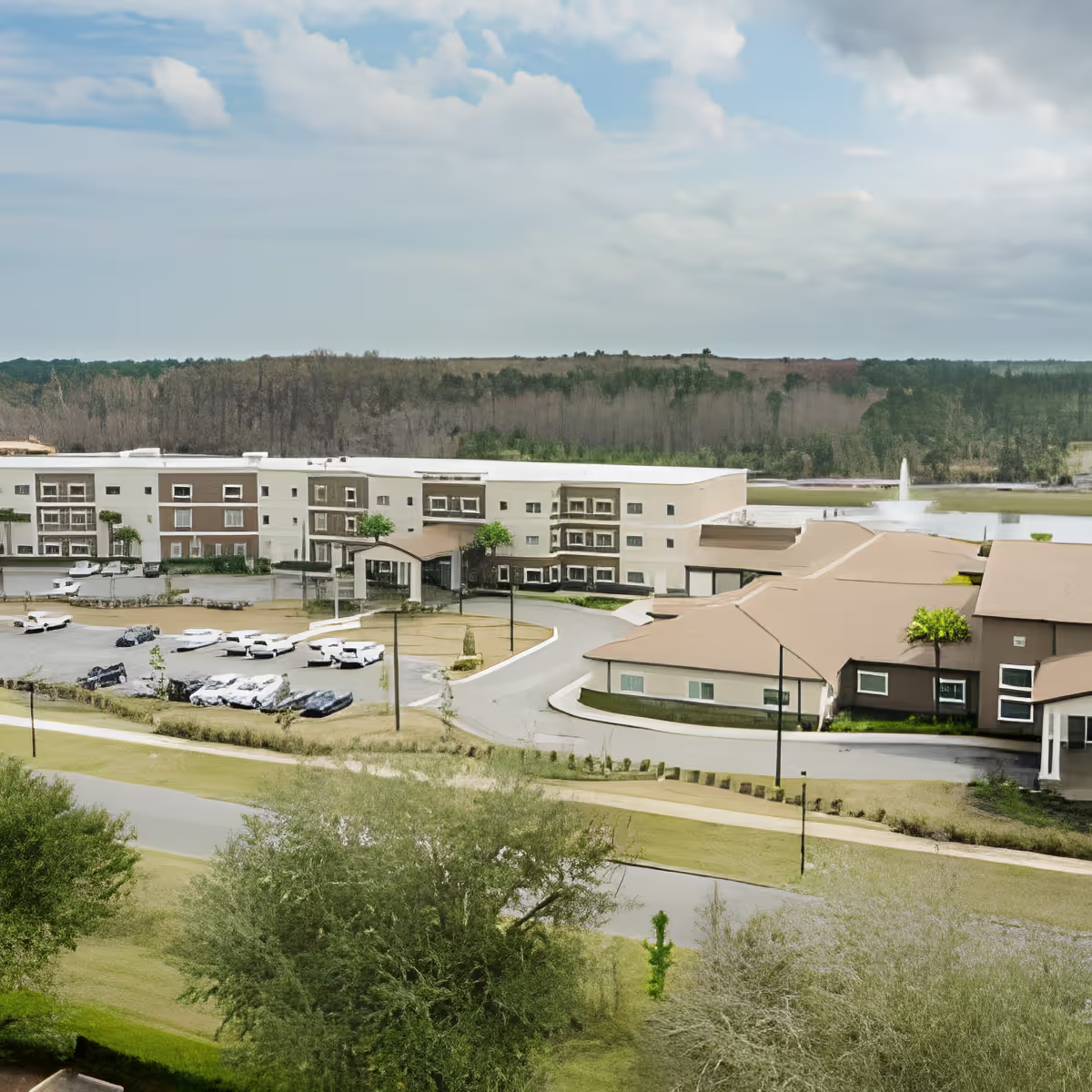
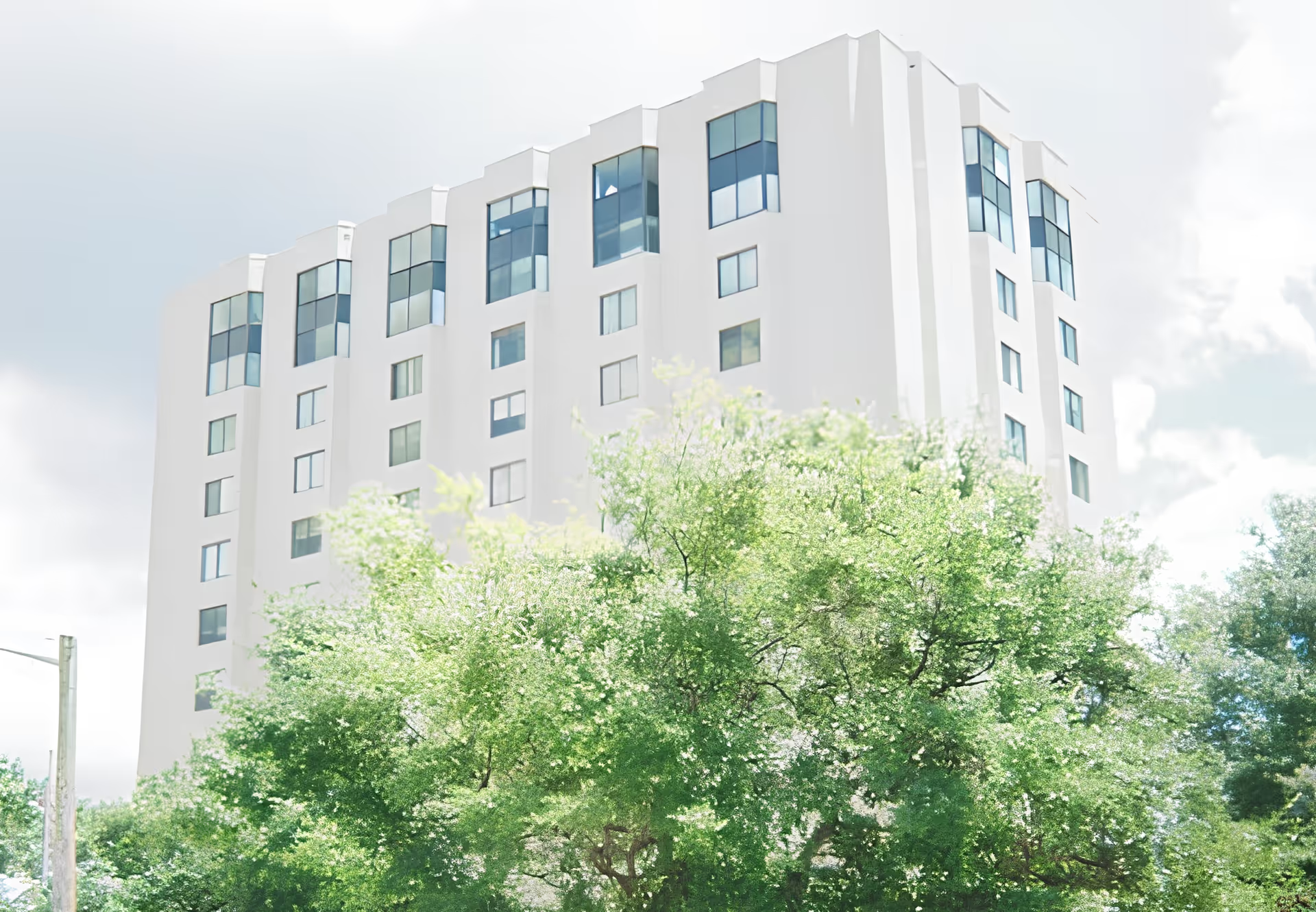
The reviews for Vivo Healthcare University present a highly polarized picture. Many families praise the facility's therapy program, social work team, and a number of individual caregivers for producing measurable rehabilitation gains and providing compassionate end-of-life support. Several accounts describe coordinated discharge planning, attentive therapists, and CNAs who demonstrated dedication and empathy. Front-desk staff and some members of leadership are frequently described as courteous and helpful, and there are multiple reports of successful short-term stays that led to improved mobility and function.
Alongside those positive experiences are recurring operational weaknesses that appear to drive most negative feedback. Staffing levels and scheduling reliability emerge as central issues: reviewers describe long waits for assistance, unanswered call bells, and insufficient supervision. Those staffing gaps are associated with delays in personal care and difficulties maintaining consistent hygiene routines. Medication handling and documentation problems are another recurring theme, with families concerned about timing errors, missed signatures, and instances where medication administration practices were unclear.
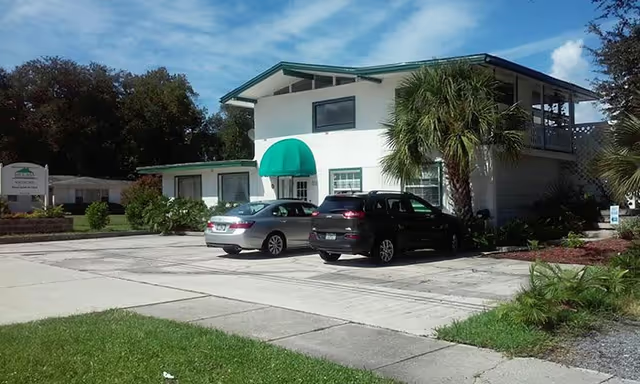
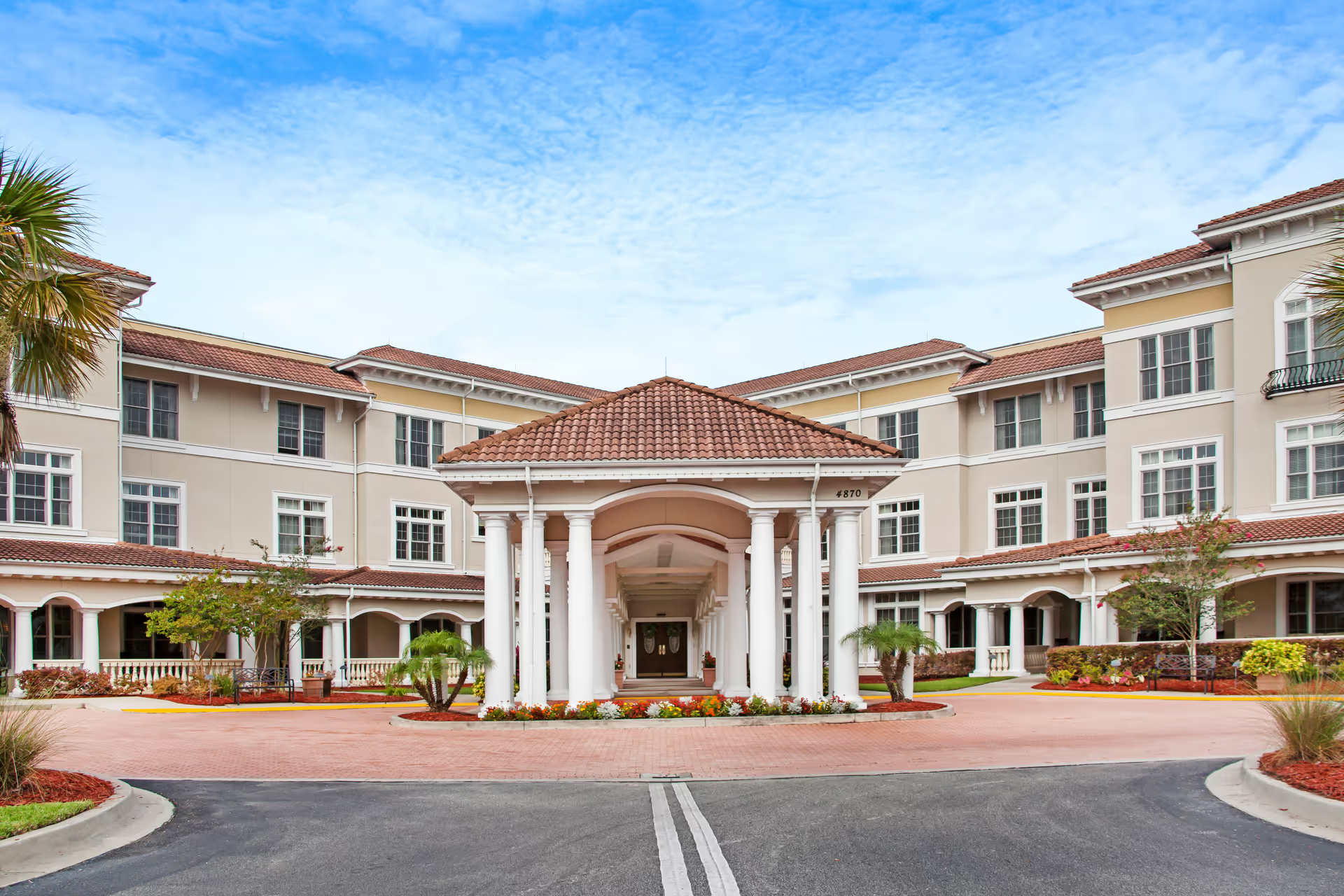
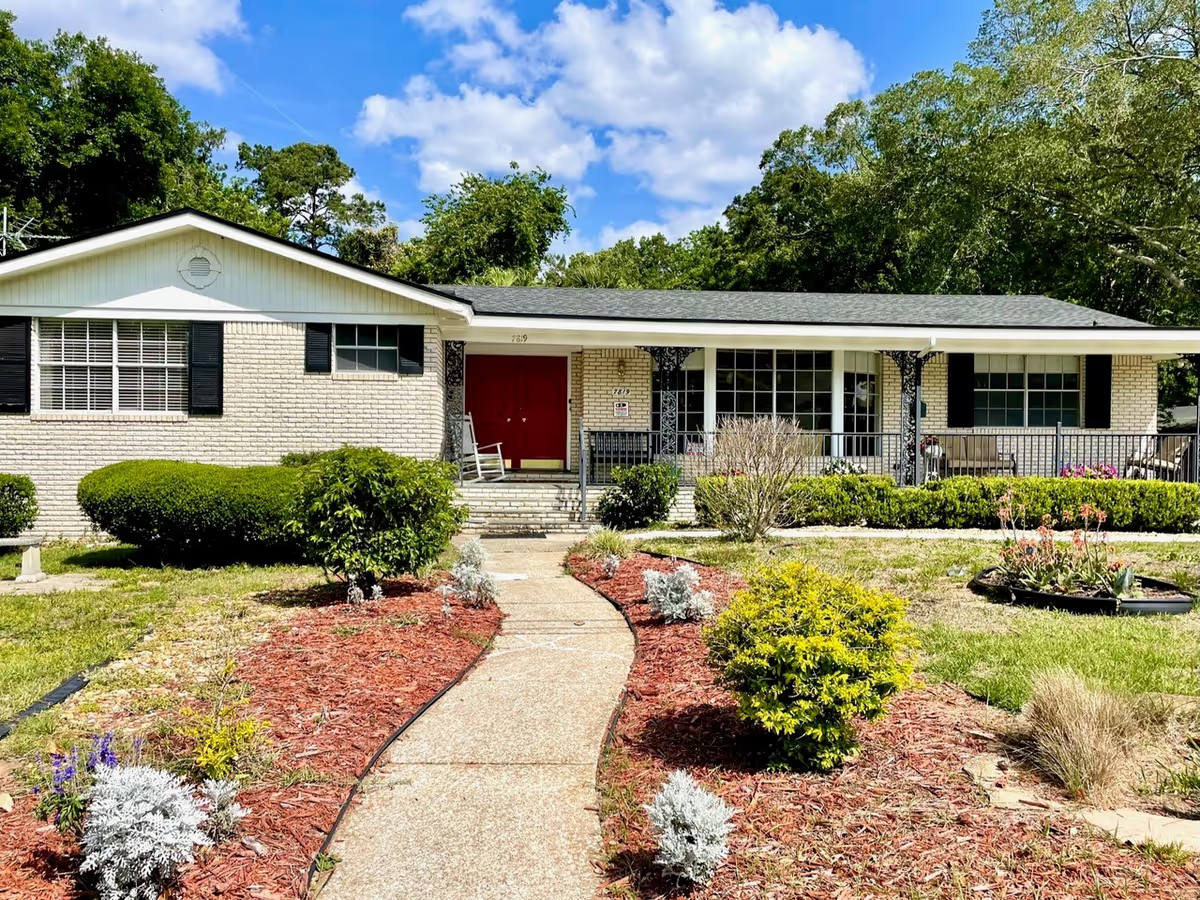
Facility condition and environmental management are additional areas of concern. Multiple accounts mention maintenance deficits such as wall and ceiling damage, mold growth, wallpaper issues, and general sanitation shortcomings in some units, together with odor concerns and pest-control issues. While some parts of the building and certain rooms were described as clean and pleasantly scented, the overall picture suggests uneven environmental upkeep across the campus.
Dining and daily-life routines were described as inconsistent. Complaints include late or poorly timed meal service, variable food quality, and limited flexibility for family-provided items. Activity programming and social engagement were noted as limited in several reviews, contributing to a depressing environment for some residents; other families, however, described positive interactions and person-centered moments from staff.
Communication and management responsiveness show variability. Some reviewers credit administrators and specific leaders with addressing concerns promptly and improving care; others describe insensitive advocacy, unreturned calls, long phone waits, and poor follow-through after incidents. A small number of more serious claims—including allegations of financial misconduct and discriminatory behavior—were also raised; these individual-level assertions would warrant formal review by oversight authorities if substantiated.
Notable patterns: therapy and rehabilitation are consistently cited as strengths, while personal-care consistency, staffing reliability, environmental maintenance, and medication processes are frequent sources of concern. Prospective residents and families should weigh the facility's demonstrated clinical strengths against the variability in day-to-day operations and consider in-person assessment of the unit, staffing levels, and environmental condition before placement. When possible, ask for specifics about staffing ratios, emergency power/back-up plans, medication-administration protocols, pest-control schedules, and examples of how the facility addresses family concerns and incident follow-up.