The Cabana at Jensen Dunes elicits a broadly mixed but actionable portrait: many families and residents praise a warm, attractive, newly built campus with roomy, well-appointed apartments and a wide range of amenities, while others describe operational and leadership weaknesses that produce variability in day-to-day experience.
Care and staffing: Numerous comments highlight caring, personable aides, nurses, and engagement staff who form strong bonds with residents, provide individualized attention when staffing allows, and maintain consistent family communication. At the same time, a recurring operational theme is inconsistent staffing levels and scheduling that create delays in call-button responses and assistance requests. Several reviewers raised concerns about clinical oversight in memory care and noted periods when coverage felt insufficient; a smaller number described end-of-life care and clinical-incident issues that warrant careful inquiry during a tour. Medication-management practices and access-control for medications were also mentioned as areas to review with leadership.
Dining and activities: The community receives strong praise for its restaurant-style dining room, frequent happy-hour programming, plentiful entertainment, and an active calendar of social events and outings. Many residents and families complimented the food presentation, private dining options, and a 24-hour sandwich/snack area. However, there are contrasting comments about meal quality and preparation methods; some residents perceived portions of the menu as prepackaged or frozen versus made-from-scratch, producing variability in dining satisfaction.
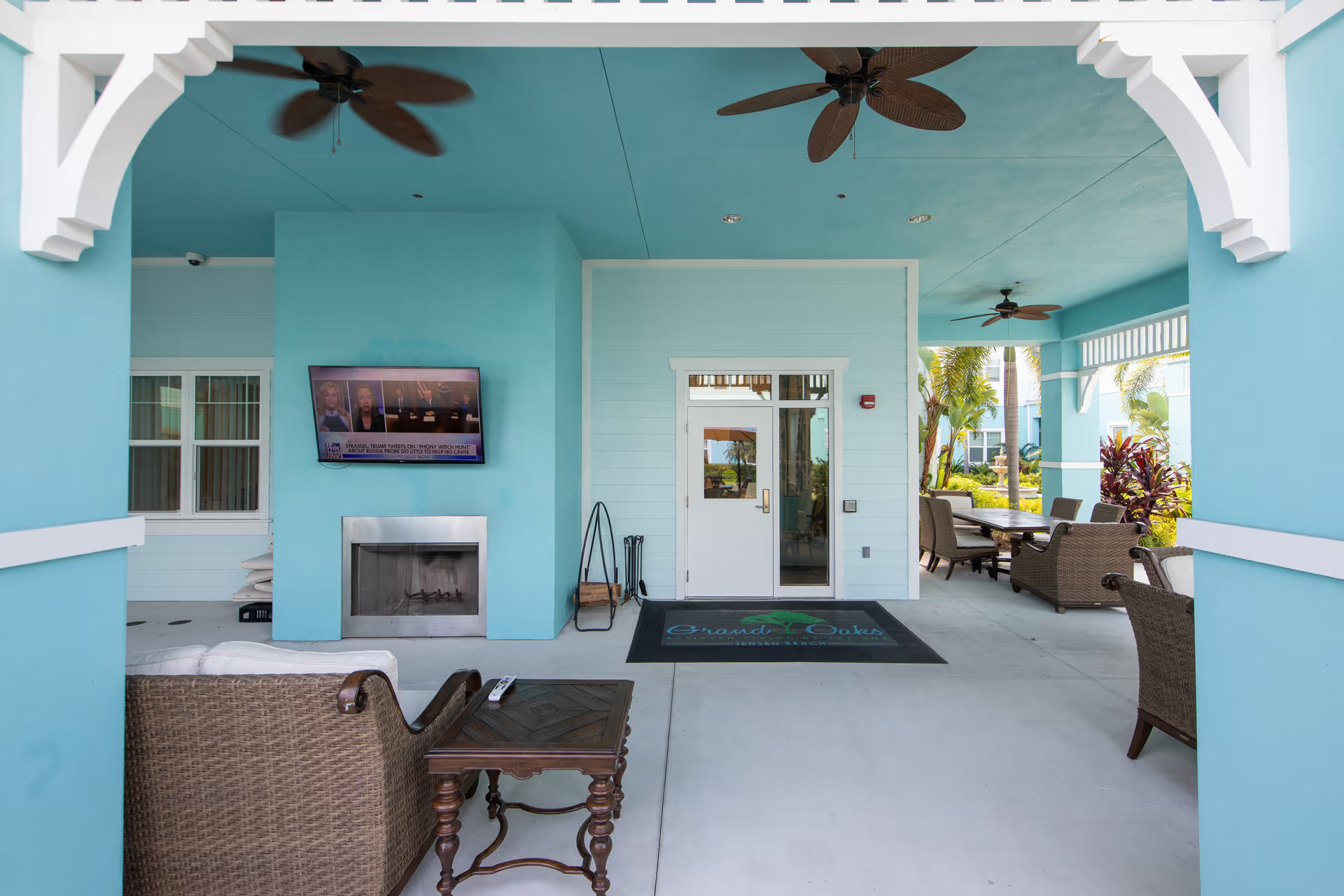
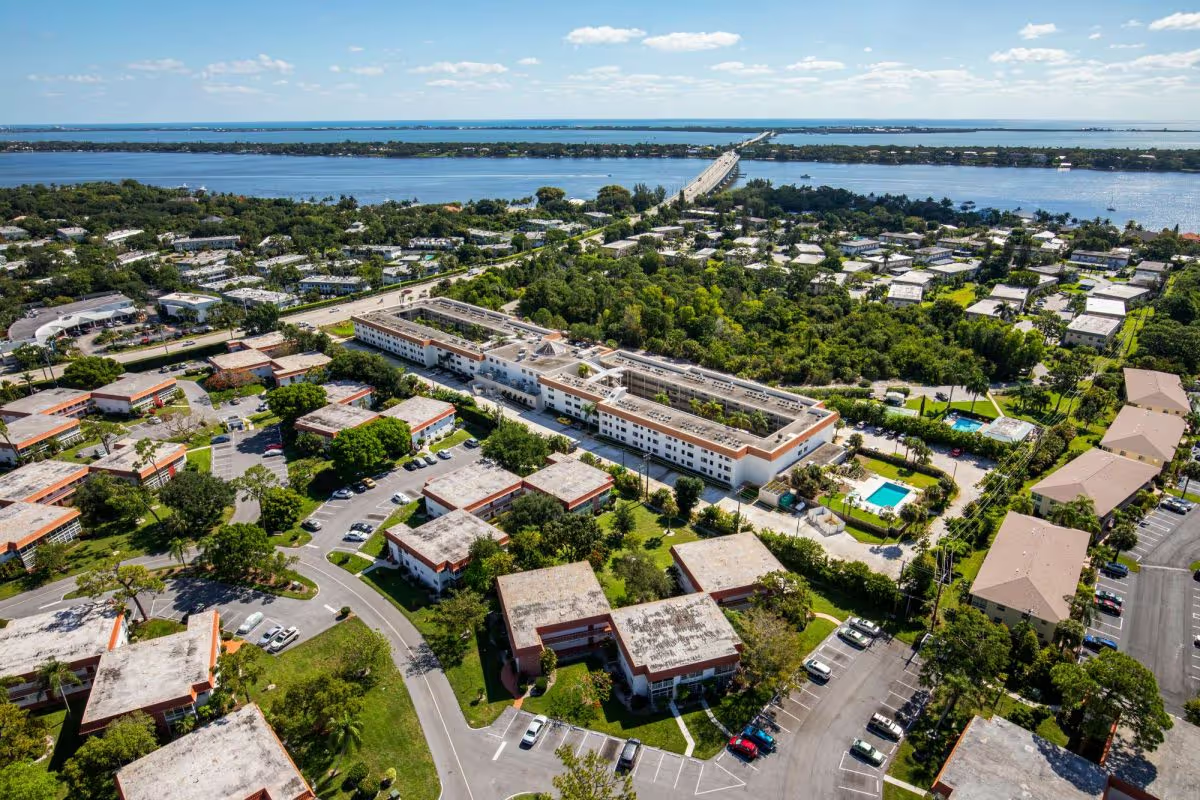
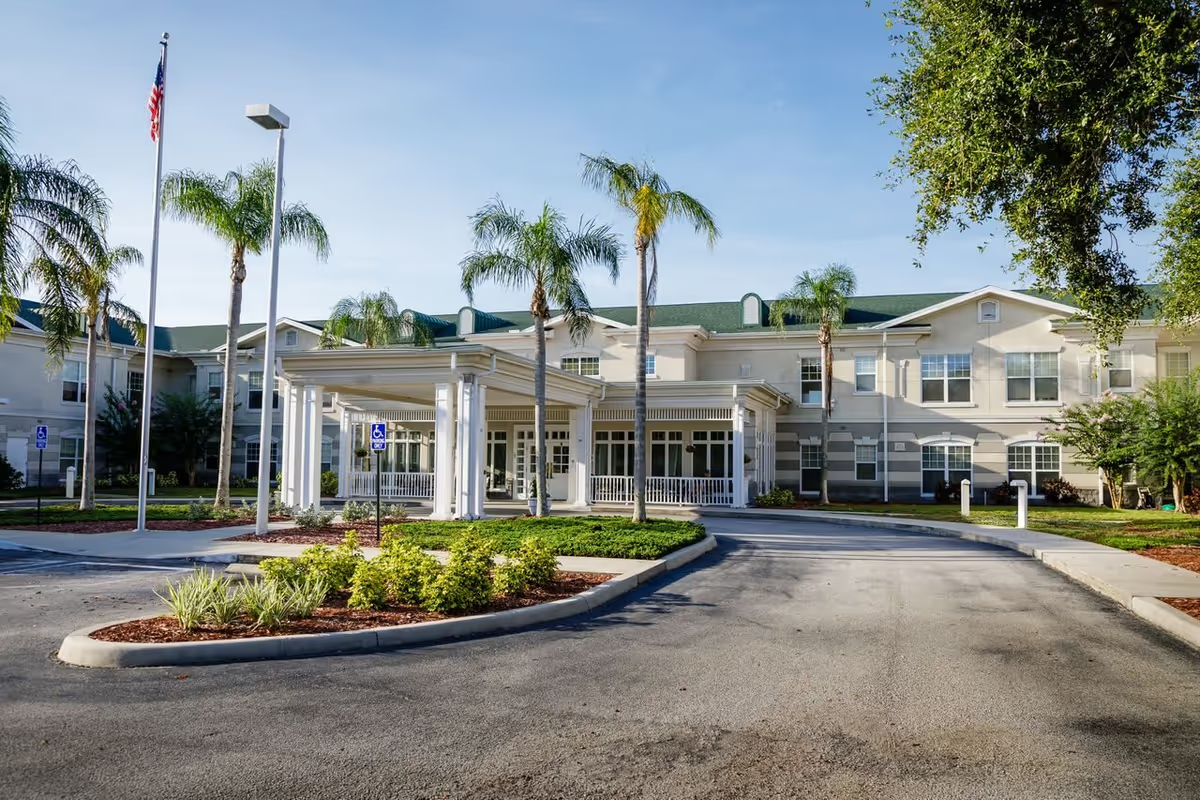
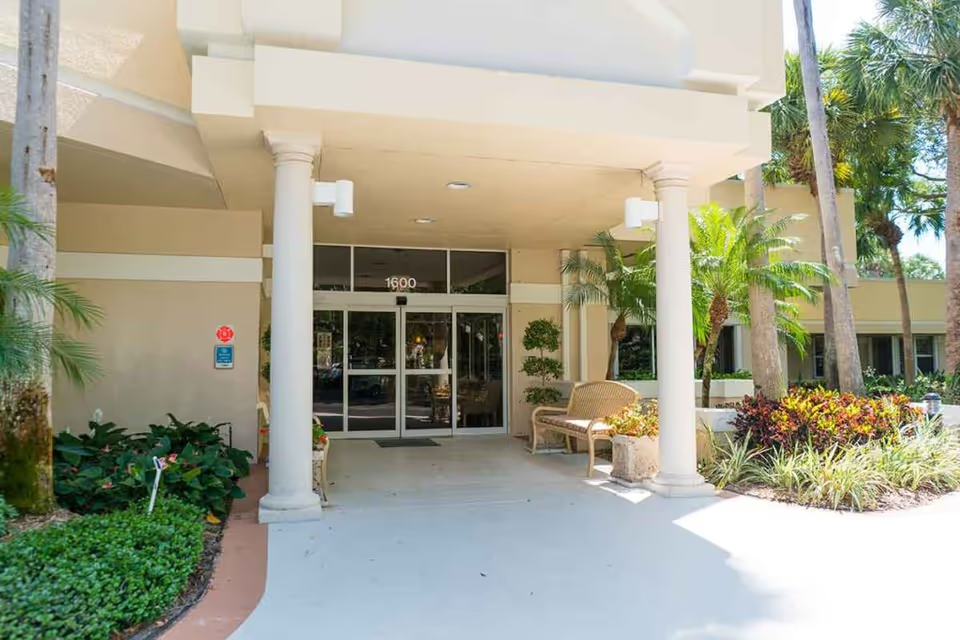
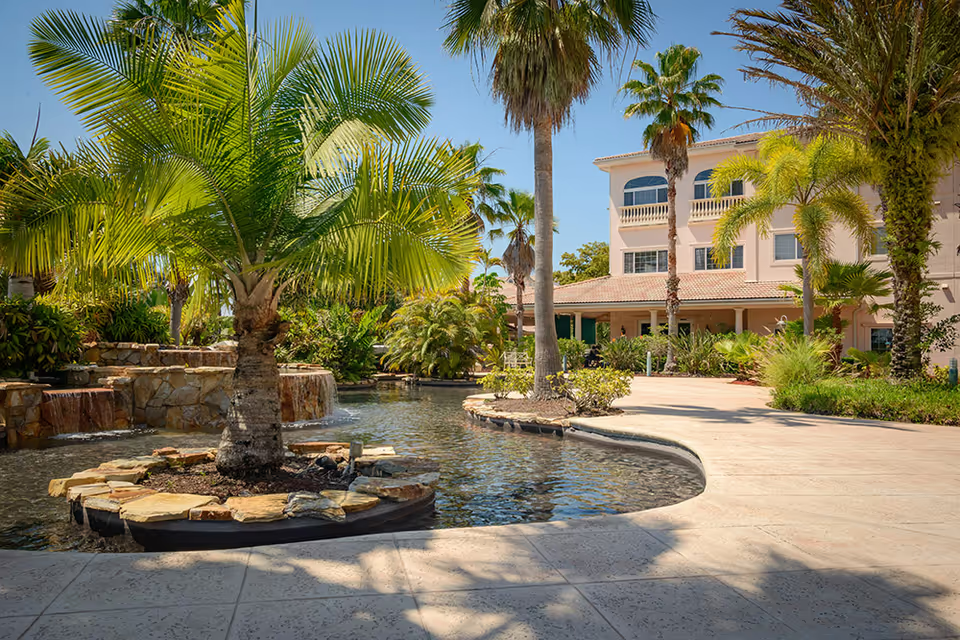
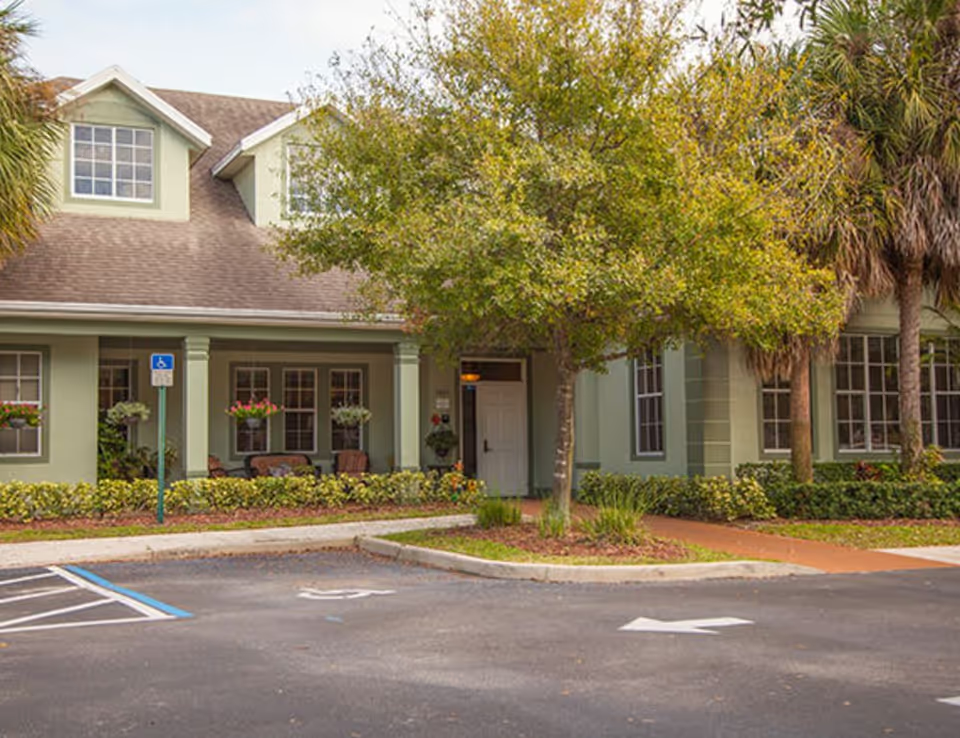
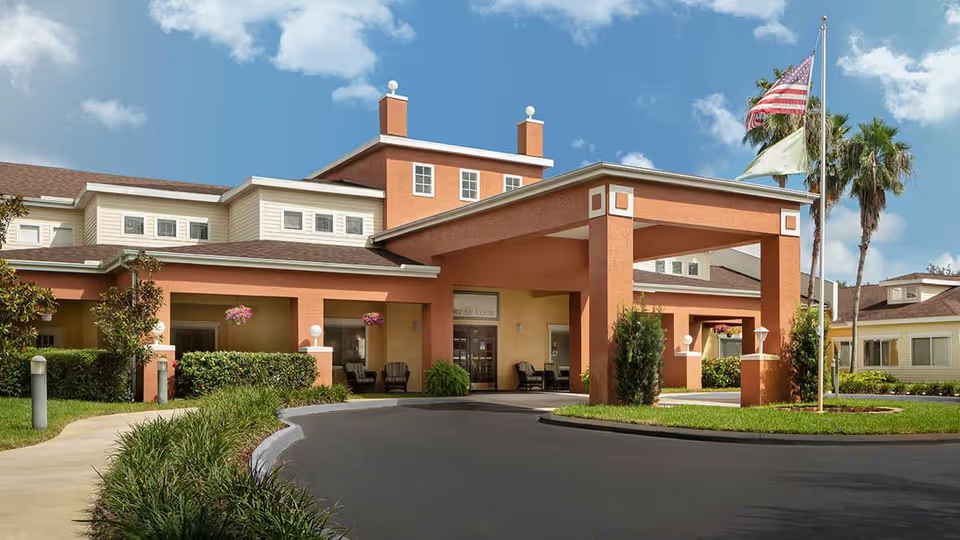
Facilities and amenities: The physical campus is consistently described as attractive, modern, and well-decorated, with sizeable apartments (kitchenettes, walk-in closets, roomy living areas), accessible design, and appealing outdoor spaces. On-site amenities—pool, fitness room, salon, theater, putting green—are frequently noted as strengths that support social life and activity. Conversely, reviewers mentioned intermittent maintenance and building-systems reliability problems (hot-water and HVAC inconsistencies), isolated pest-control concerns, and occasional alarm/security irregularities that prospective families should confirm have been addressed.
Management and operations: Perceptions of leadership are mixed. Several reviewers praised the executive and admissions teams for smooth transitions, responsive follow-up, and high standards; others described management turnover, poor rapport with particular directors, and billing or contractual disputes. Complaints about financial-administration practices, eviction-related stress, and collections are among the more serious administrative concerns cited and should be clarified directly with the community and in contract review. Security- and access-control practices were described as inconsistent in some accounts, suggesting a need to review policies during a visit.
Notable patterns and recommendation: The dominant pattern is strong frontline performance—engaging activities, visible staff compassion, and an attractive environment—combined with variability tied to leadership, staffing consistency, dining execution, and facility maintenance. Prospective residents and family members would benefit from an in-person tour that focuses on current staffing ratios (including night coverage), memory-care staffing and incident protocols, meal-sourcing and preparation, recent maintenance history (HVAC/hot water), pest-control records, medication-management procedures, and clear written financial/billing policies. When those operational areas meet your expectations, the community's social programming, amenities, and many staff strengths make it a compelling option; where gaps remain, they appear to be concentrated in administrative and staffing reliability rather than the physical setting or program offerings.