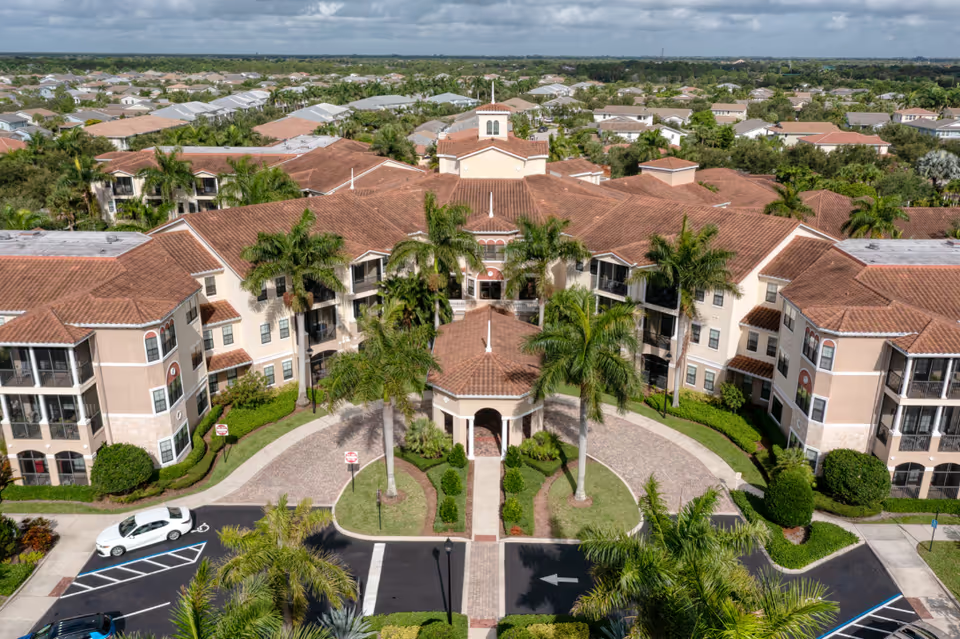
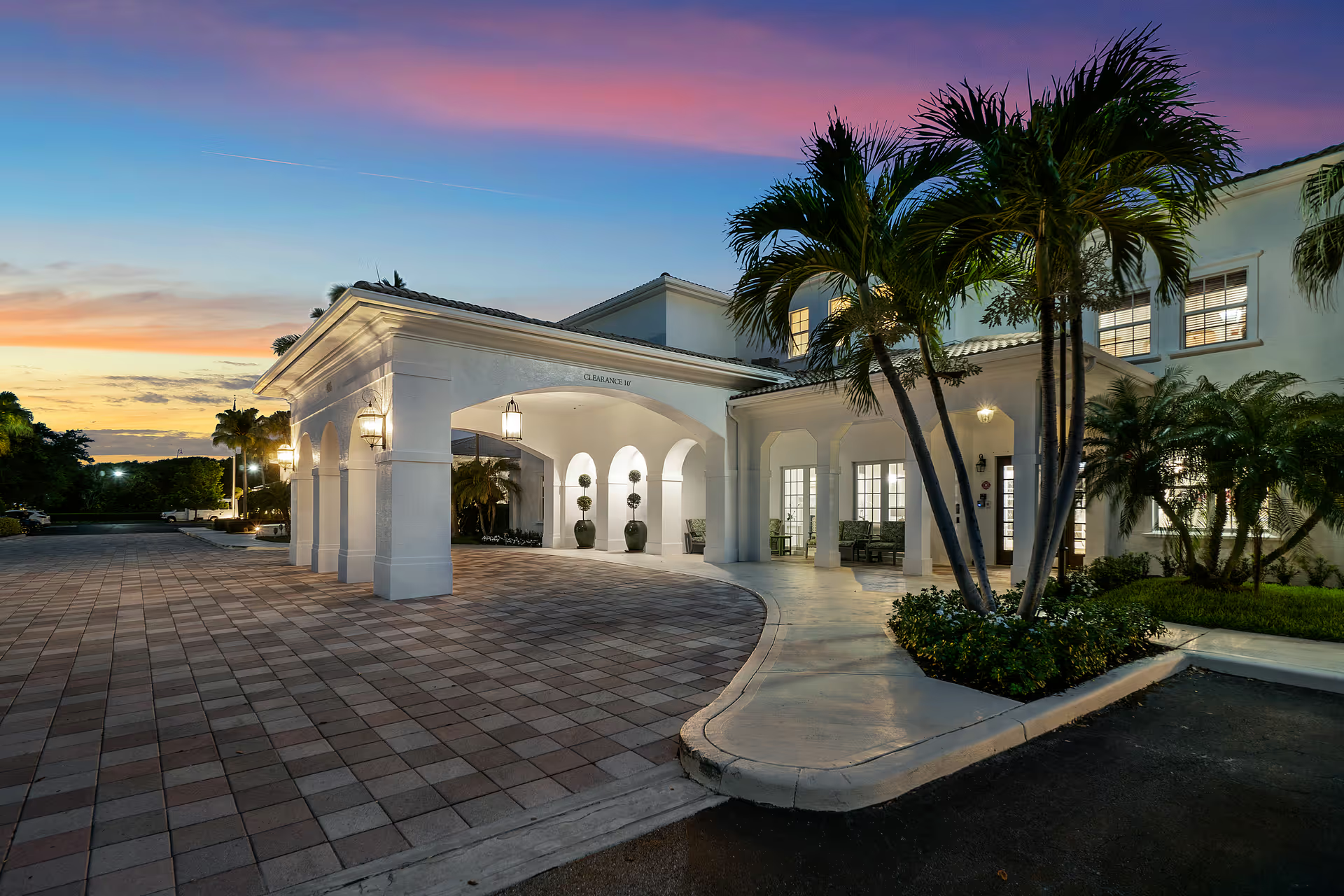
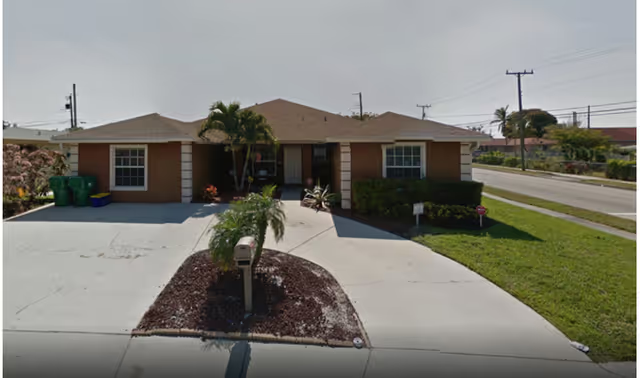
Courtyard Gardens of Jupiter is consistently described as a well-kept, home-like assisted living community with strengths in staffing continuity, on-site clinical resources, a robust activities calendar, and a pleasant campus environment. Many families highlighted long-tenured caregivers, an on-site physician or clinical team, chef-prepared meals, frequent special events, and a landscaped courtyard that supports outdoor engagement. The facility's small, community-oriented scale and family-style dining are repeatedly noted as contributors to a welcoming atmosphere.
Care and staffing receive mixed but detailed commentary. Positive comments emphasize attentive, compassionate caregivers who know residents by name, proactive family communication, and an active leadership presence in nursing and administration. However, a consistent operational concern centers on responsiveness and monitoring: reviewers described delays in caregiver response and an antiquated call/notification system that limits wearable call-device options. Those patterns suggest the facility may be well suited to residents who require typical assisted-living supports but that families should verify suitability and monitoring capabilities before placing higher-acuity residents.
Dining and activities are strong points. Multiple accounts praise varied, chef-driven menus, family-style dining, and an active schedule that includes music, bingo, crafts, holiday parties, and off-site outings. On-site amenities such as a beauty salon, physical-therapy room, and opportunities for gardening or courtyard relaxation were cited as enhancing daily life for residents.
Physical plant and safety observations are generally favorable but not uniform. Many reviewers found the building clean, attractively designed, and well maintained, with comfortable rooms and inviting common areas. Conversely, isolated comments point to occasional maintenance and cleanliness inconsistencies (for example carpeting or courtyard upkeep) and to aspects of the facility layout that may complicate monitoring of residents who require more intensive supervision.
Management and administrative patterns are mixed. Positive notes include engaged leadership, useful family updates, and reasonable transition processes for some families. Concerns raised by others involve inconsistent administrative responsiveness, difficulties obtaining escalation contacts, variability in staff qualifications or turnover, and examples of billing or refund processing problems. Tour experiences also varied: some families felt well informed, while others described tours that were brief or sales-focused.
What to ask and verify: prospective residents and families should confirm the facility's capability for the intended level of care, ask specifically about the resident-call/notification system and availability of wearable call devices, review staffing ratios and training protocols, request written policies for emergency response and clinical escalation, inspect recent inspection or incident summaries if available, and clarify billing, refund, and contract terms in writing. Observing a mealtime, meeting nursing leadership, and speaking with current families can help balance the generally positive community features against the operational concerns described above.