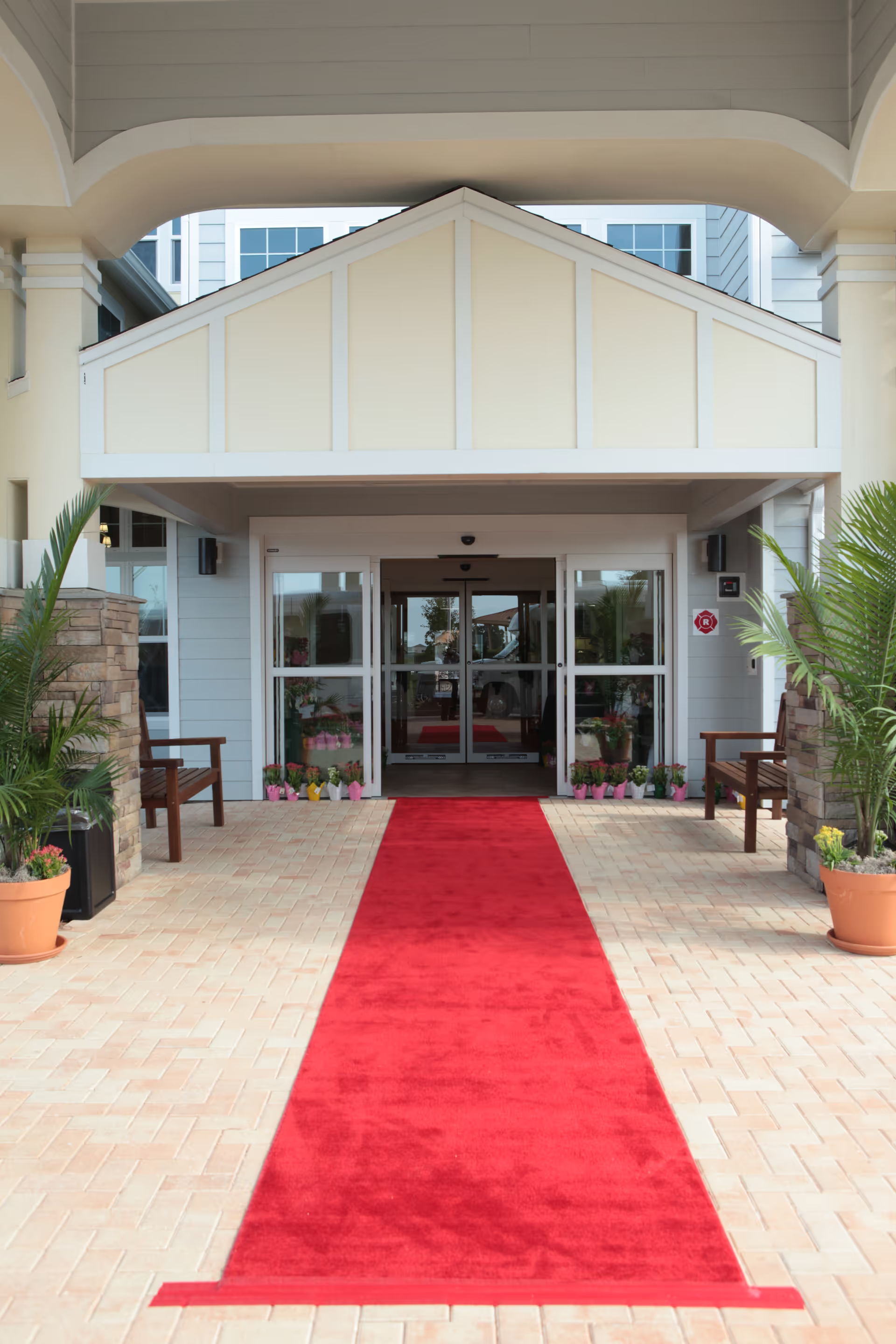
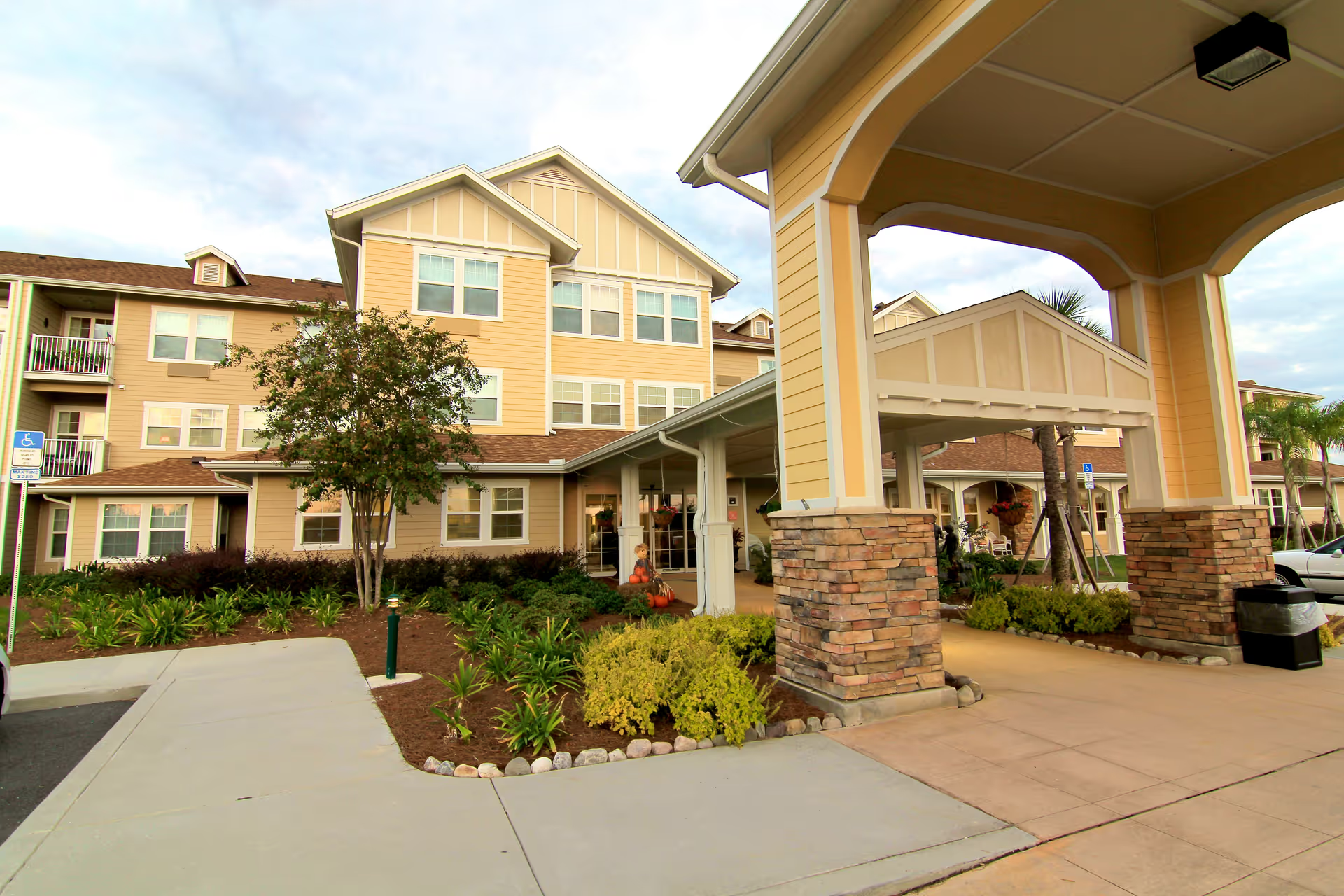
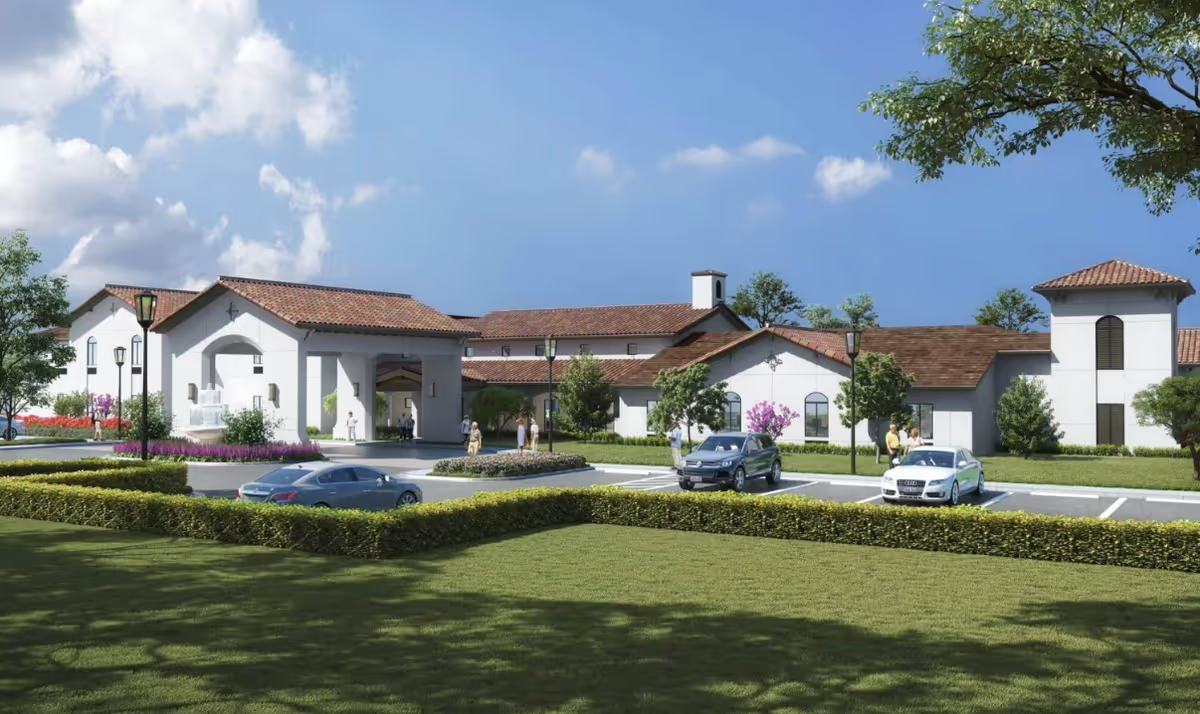
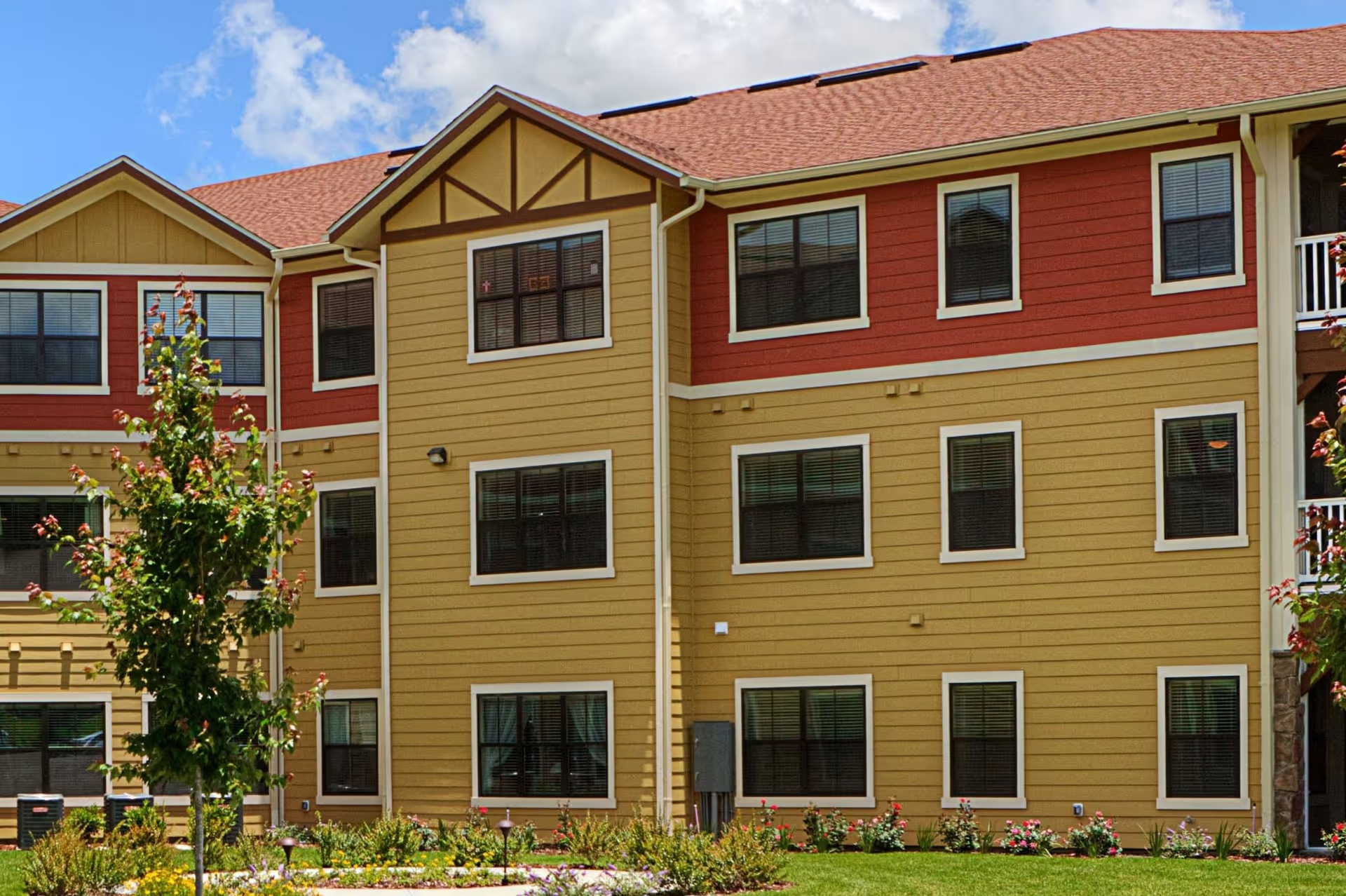
Buffalo Crossings is frequently described as a modern, attractive assisted‑living community with many amenities. Reviewers commonly praise the facility’s physical plant—a new, clean building with well‑furnished public areas, multiple common spaces, and a range of apartment sizes and layouts (including one‑bedrooms and kitchenettes). Maintenance responsiveness and visible infection‑control measures are often cited as strengths. The community offers a large activity program, transportation services, on‑site rehabilitation and private therapy rooms, and an operational dining program with extended meal hours and a 24‑hour snack station.
Care and staff interactions receive mixed but often positive commentary. Numerous families and residents describe attentive, compassionate nurses and direct‑care staff, along with admissions and dining personnel who go above and beyond. Several employees are singled out by name for consistently supportive care. At the same time, a pattern of variability emerges: staffing levels and staff turnover appear to affect consistency of care, with specific shifts identified as providing lower quality or slower responsiveness. Reviewers raise operational concerns about medication delivery and therapy continuity on occasion, and there are isolated but serious allegations related to staff conduct that some families felt were not fully resolved by management.
Dining and activities are central features. Many reviewers praise the dining program for variety, presentation, and restaurant‑style service; however, others report inconsistent food quality, issues with meal temperature/presentation, and occasional inability to accommodate certain food‑preparation requests. The activity calendar is comprehensive—offering classes, theater nights, exercise, card groups, and frequent events—and transportation to appointments and outings is viewed positively. That said, some new residents experience difficulty integrating into established social groups, and activity leadership quality is perceived as variable across time.
Facility operations and management present a mixed picture. On the positive side, admissions and sales staff, as well as front‑desk personnel, are often described as helpful and informative. Conversely, families flag gaps in after‑hours coverage, inconsistent responses to concerns, and variability in how complaints are handled. Practical unit‑level issues include limited closet/storage space in some floor plans and occasional confusion about pool or amenity access. A subset of reviews describe sanitation or incontinence‑care lapses; while these appear to be outliers relative to many positive cleanliness comments, they are significant operational concerns that prospective families should address directly.
Overall impression: Buffalo Crossings offers many features expected in a contemporary assisted‑living community—modern facilities, an active social program, transportation, and a strong cadre of staff members who deliver compassionate care. However, variability in staffing, shift‑to‑shift care quality, inconsistent meal experiences, and the existence of serious unresolved complaints in some accounts suggest that prospective residents and families should conduct a focused tour and ask targeted operational questions. Recommended areas to probe on a visit include staffing ratios and turnover, night/after‑hours coverage, medication and therapy continuity, sanitation and incontinence protocols, complaint‑resolution processes, amenity access rules, and specific unit storage dimensions.