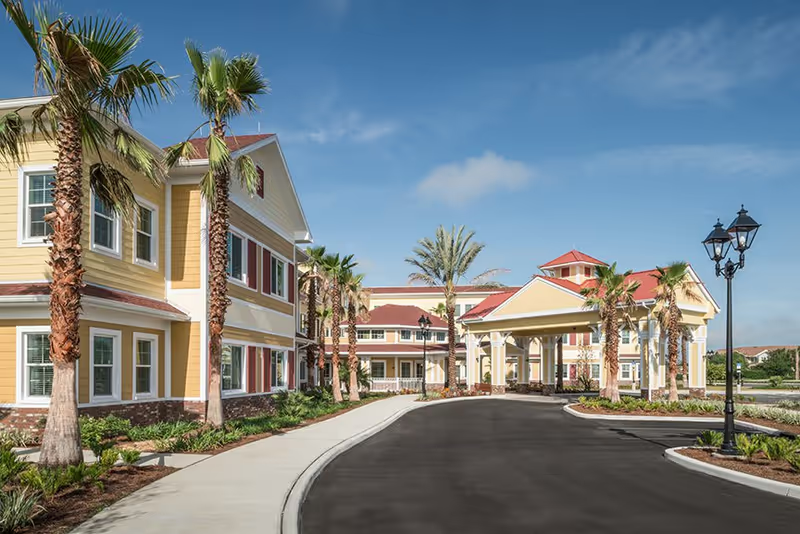
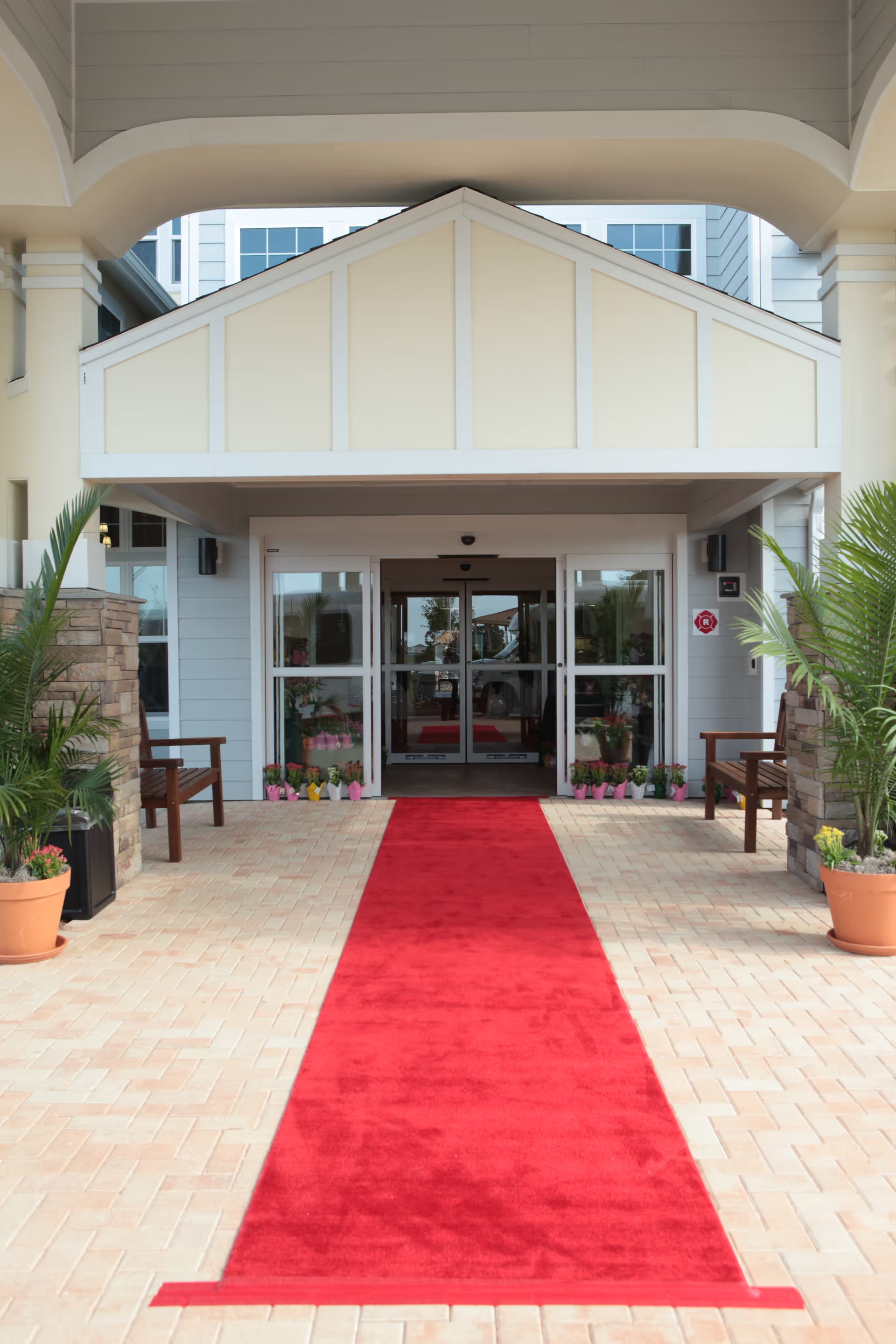
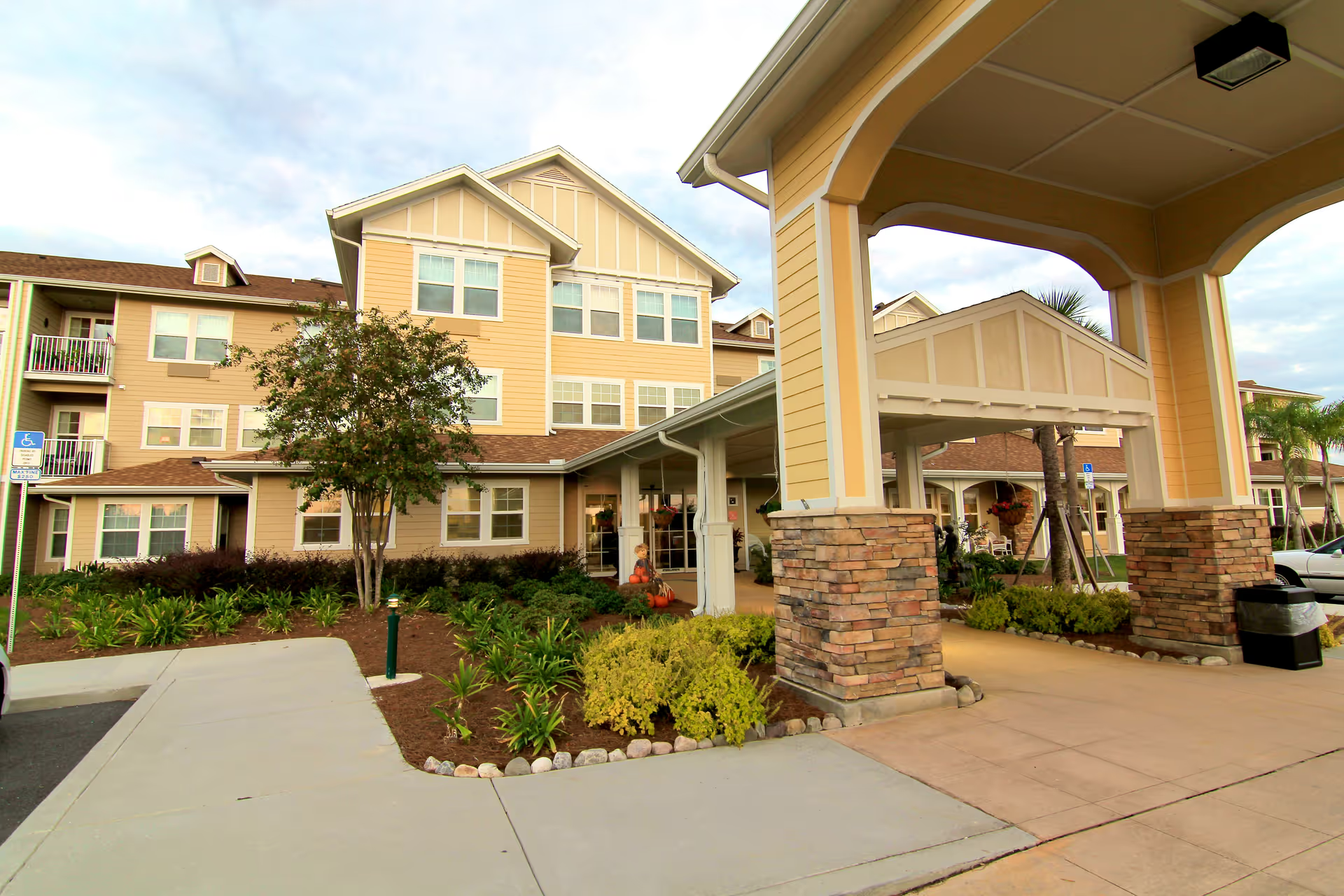
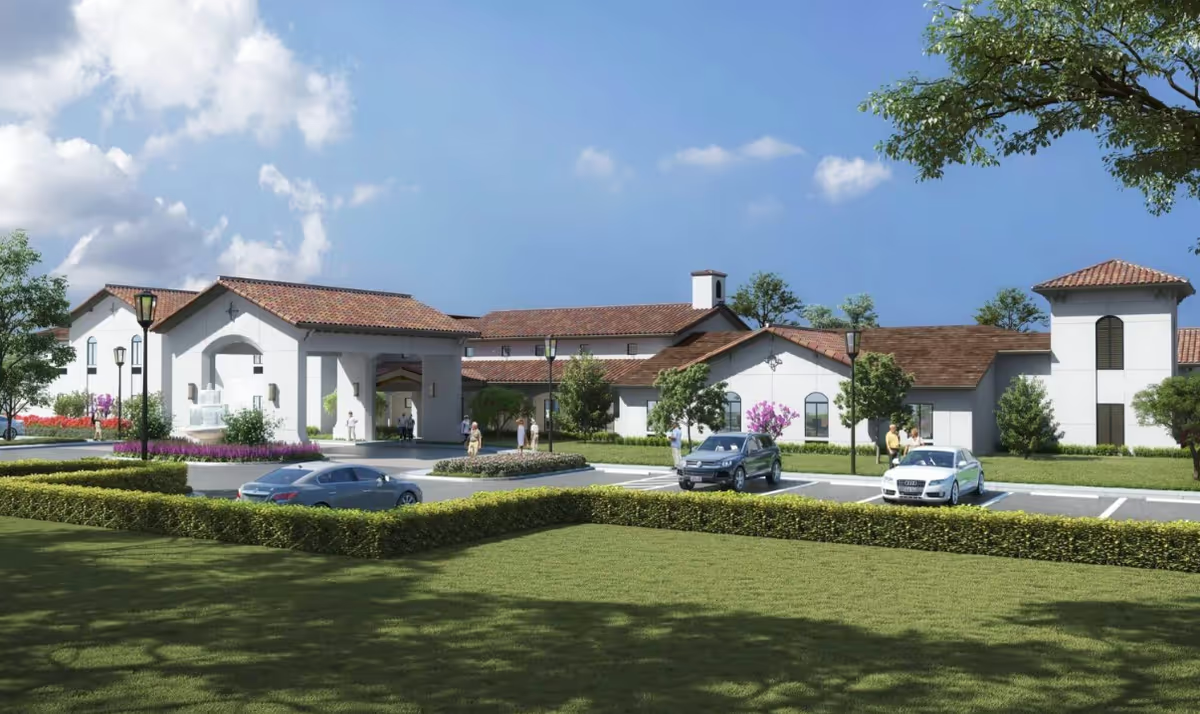
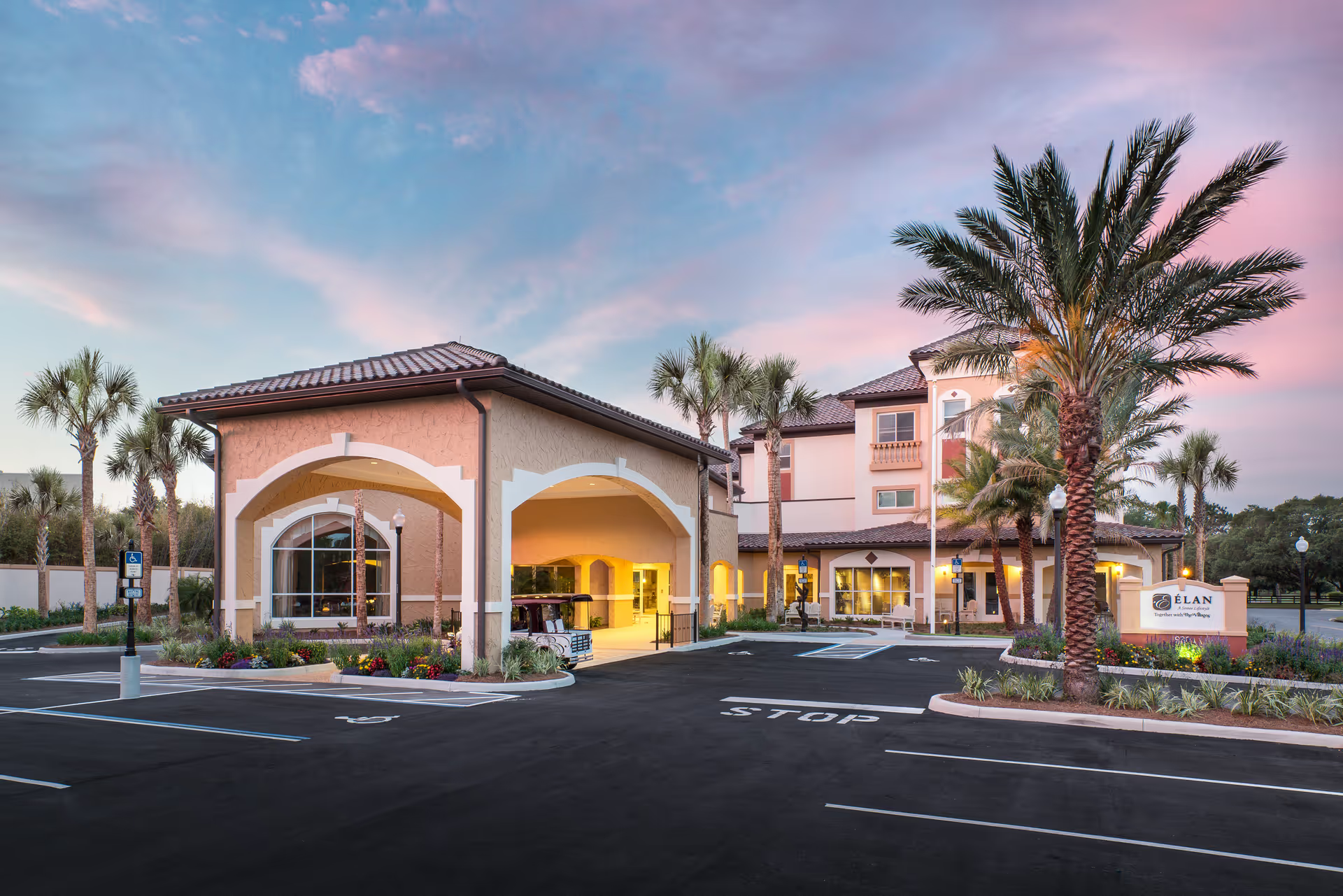
Watercrest Buena Vista presents a mixed but distinct profile: many families and residents describe a modern, hospitality-oriented campus with strong, compassionate frontline staff and notable strengths in memory-care leadership. The community's physical plant and amenity set are frequently praised — bright, designer-finished common areas, restaurant-style dining rooms, a theater, pool, salon, fitness spaces, and covered parking create a resort-like atmosphere. The facility also offers a true continuum of care with on-site memory care, and its transportation program (private van/bus and golf-cart outings) supports regular off-site activities and social engagement.
Staff quality is a central theme. Numerous accounts highlight warm, attentive caregivers, proactive move-in support, and individual staff members (particularly memory-care leadership) who are highly regarded for personalized attention. Those strengths underpin high satisfaction for many residents, especially in memory-care units where leadership and day-to-day engagement are repeatedly noted. At the same time, persistent operational issues are described: frequent staff turnover and uneven staffing levels appear to create variability in supervision and clinical oversight. Reviewers link those staffing patterns to inconsistent programming, lapses in supervision that increase fall risk, and uneven assistance in assisted-living level care.
Dining and activities are both significant selling points and areas of variability. When functioning well, dining is described as restaurant-quality with attractive presentation and thoughtful service; activities include live music, arts and crafts, exercise classes, games, and frequent outings. However, other accounts describe cold or undercooked meals, menu shortages, long waits in the dining room, and inconsistent activity schedules when staffing is thin. These opposing impressions suggest that food-service and program delivery are sensitive to staffing and management practices.
Operational and management themes recur across reviews. Several families cite strong concierge, maintenance responsiveness, and helpful tour staff, while others note communication breakdowns from administration, slow follow-up on family concerns, and a perceived decline or variability after ownership/leadership changes. Facility-level weaknesses include inconsistent housekeeping and sanitation in some areas, accessibility and design limitations for residents with mobility devices, limited resident/visitor parking, and concerns about security of personal belongings. There are also mentions of infection-prevention and skin-care oversight gaps; given the clinical implications, prospective families should inquire directly about protocols and oversight in these areas.
Price and value perceptions are mixed. Some residents feel the community's amenities and service justify the cost; others perceive a price–value mismatch when operational inconsistencies occur. For prospective residents and families, useful due-diligence topics include current staffing ratios and turnover, medication-management and clinical oversight protocols, dining-service continuity and quality controls, property-security measures for resident belongings, infection-control policies, accessibility of apartments for mobility aids, and specifics of parking and transportation logistics. Overall, Watercrest Buena Vista offers many high-quality hospitality and memory-care features but also demonstrates operational variability that merits targeted questions during tours and contract review.