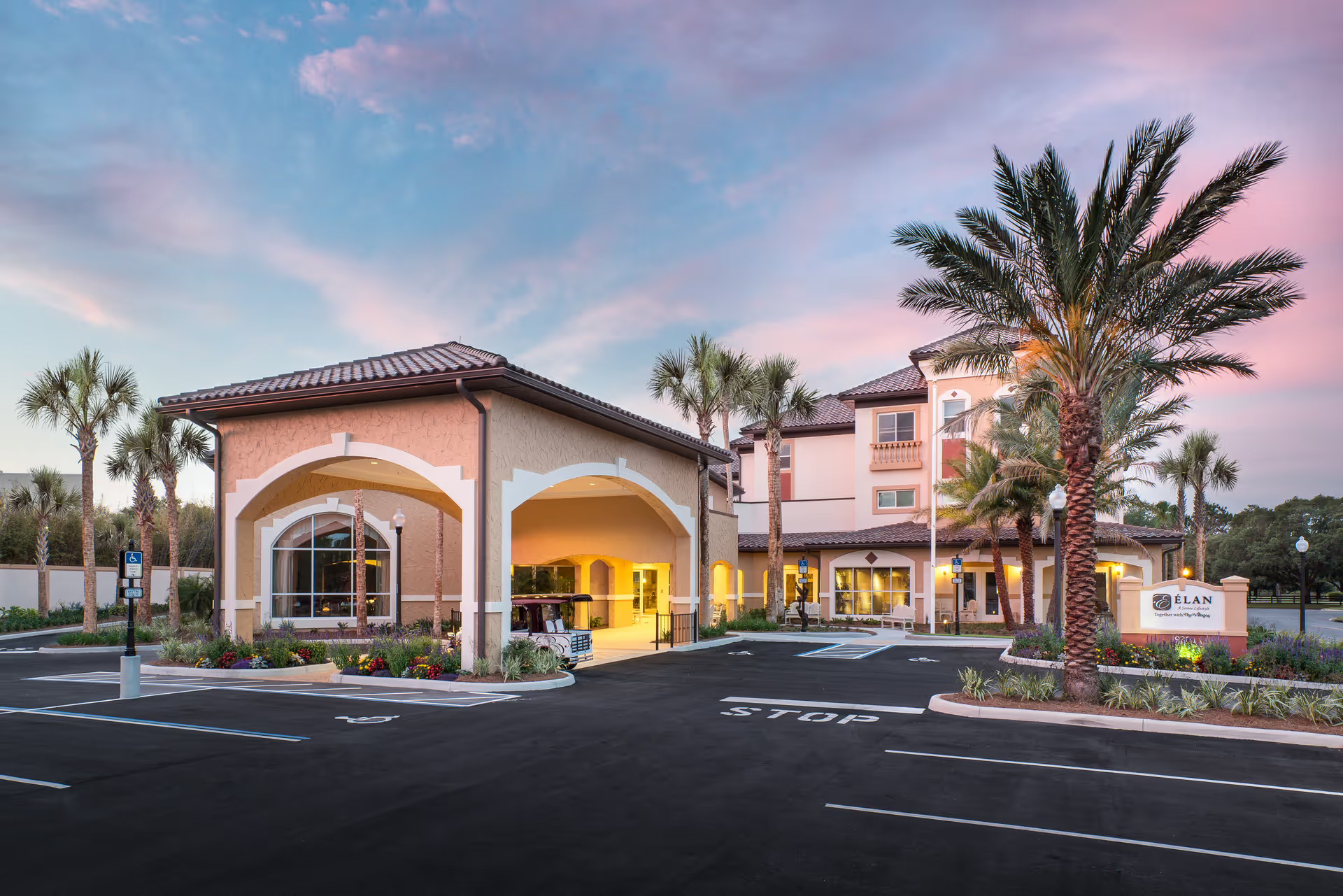
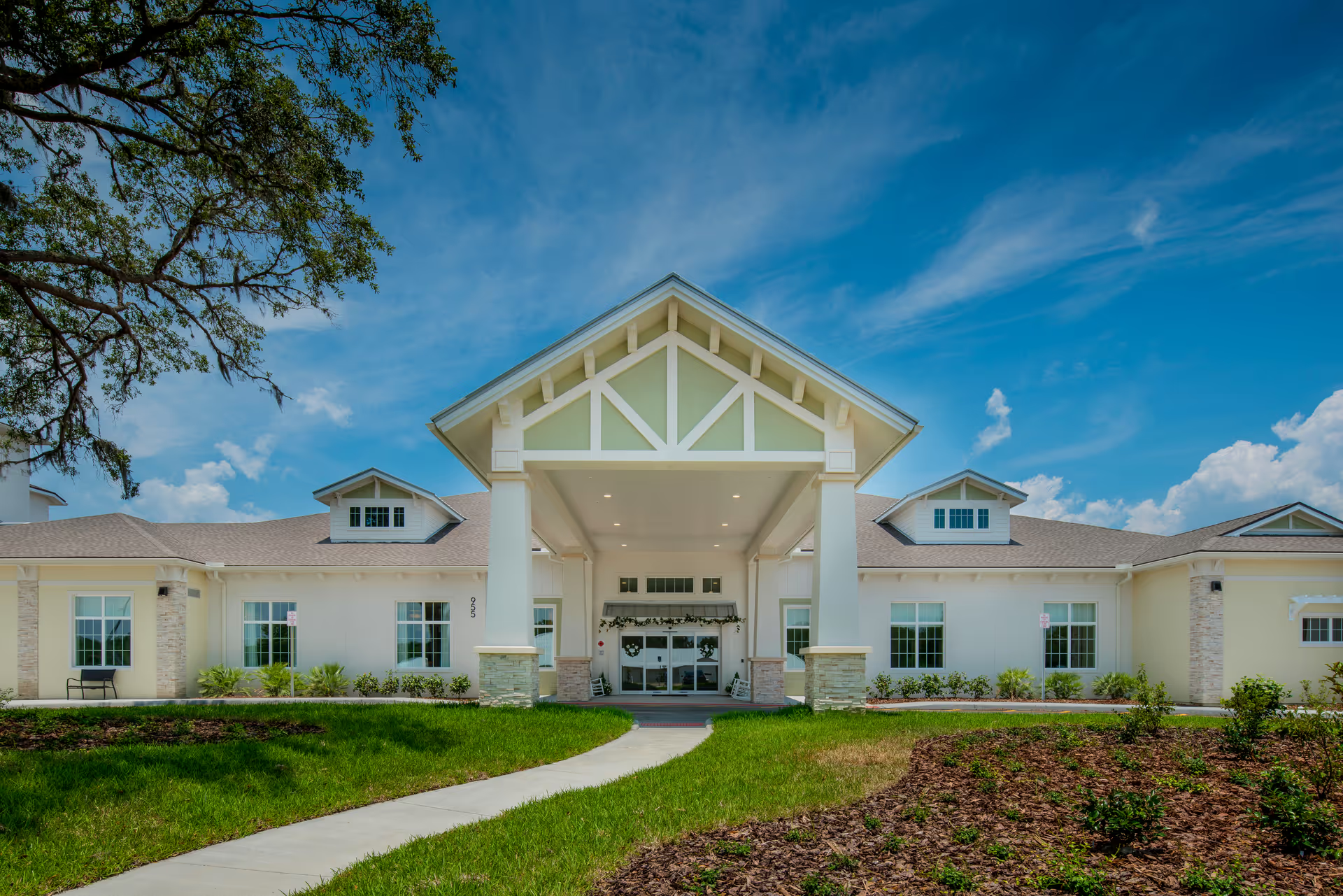
The reviews describe a facility with several clear strengths alongside recurring operational weaknesses. Many families and residents praise the staff’s compassion and day-to-day attentiveness, note a warm, social atmosphere, and highlight a robust set of amenities (courtyards, craft and activity rooms, library, barber shop, and exercise spaces). Dining receives frequent positive comments — reviewers call the food appealing and restaurant-quality — and the community offers on-site therapy, individualized meal accommodations, regular outings, and private apartment options that some families find roomy and comfortable.
Care and staffing present a mixed picture. While numerous accounts identify specific staff members and teams as caring, proactive, and highly engaged, other comments point to staffing shortages, frequent turnover, and tired or overextended employees. Several families signaled operational gaps in clinical coverage (including limited on-site nursing hours) and raised medication-management and documentation concerns, including the absence of electronic dispensing records. These patterns appear to contribute to inconsistent responsiveness, occasional medication or scheduling errors, and uneven monitoring during activities or appointments.
Dining and activities are also uneven. The facility’s culinary program is often singled out as a strength, yet reviewers also described inconsistent meal service (delays, temperature issues, and menu mismatches). Activities programming is regularly praised — with an active activities director and a range of exercise, music, art, and social events — but memory-care offerings and engagement levels in some units were described as less consistent or insufficient for residents with higher needs.
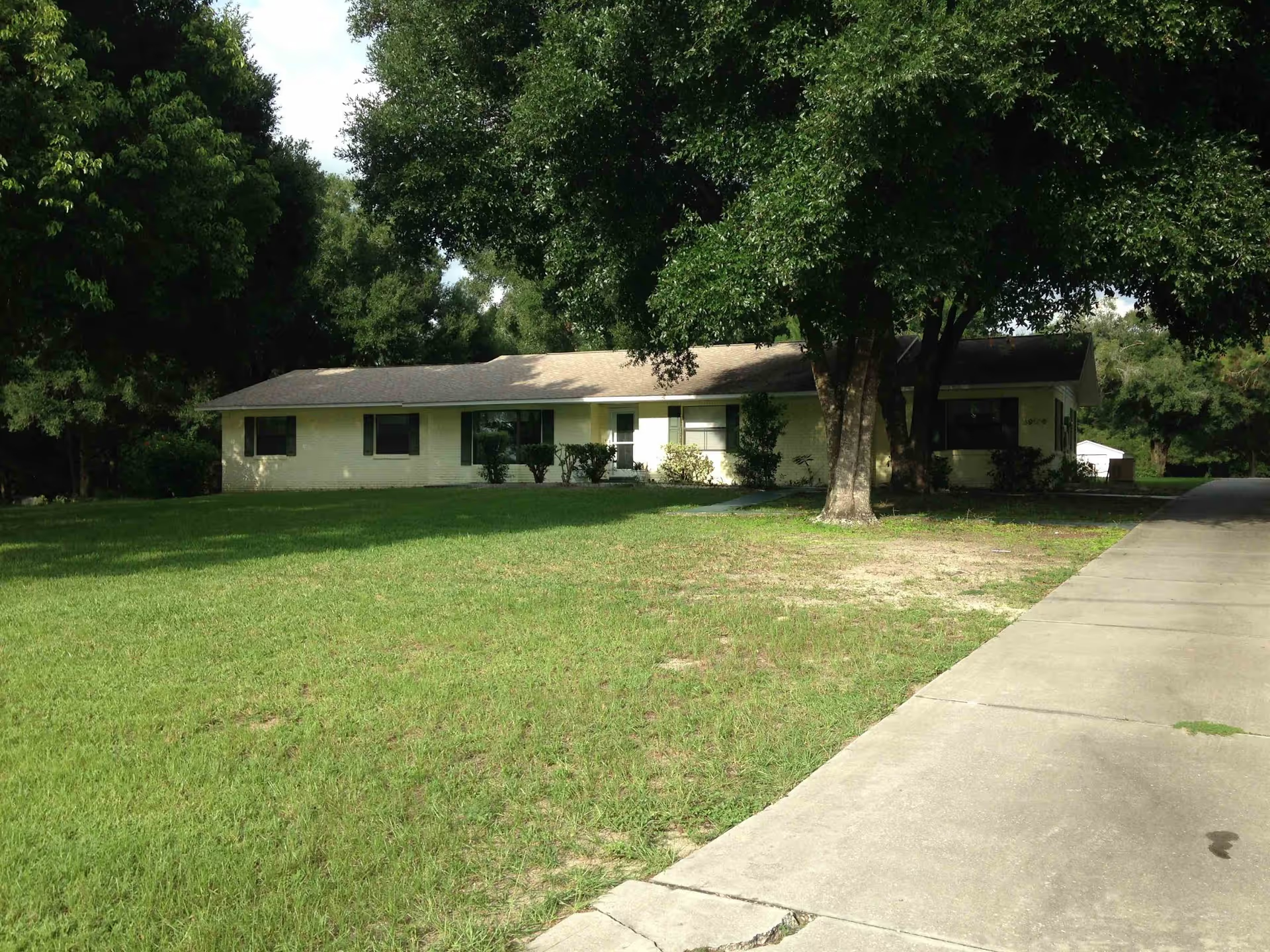
Facility condition and operations show divergence across accounts. Many visitors and residents report clean, updated common areas and a homelike atmosphere; others report sanitation and odor concerns in particular areas and mention maintenance needs such as flooring or painting. Housekeeping and routine maintenance appear to be inconsistent at times. Administrative issues emerge in several reviews: ownership and leadership changes (including a noted transition to a new operator and a license-class change) have been linked to perceived instability, unclear communication with families, opaque ancillary charges, and problems with scheduling or billing.
Taken together, the pattern suggests a community with strong interpersonal strengths — warm staff, engaging activities, and good dining for many residents — but with operational vulnerabilities that can affect the resident experience: staffing consistency, clinical coverage, sanitation oversight, medication/documentation practices, and transparent billing. Prospective residents and families would benefit from an in-person tour, targeted questions about nurse coverage and turnover, requests to review medication-administration and sanitation protocols, clarification of all ancillary fees, and an evaluation of memory-care programming to confirm the facility’s current performance against their specific needs.