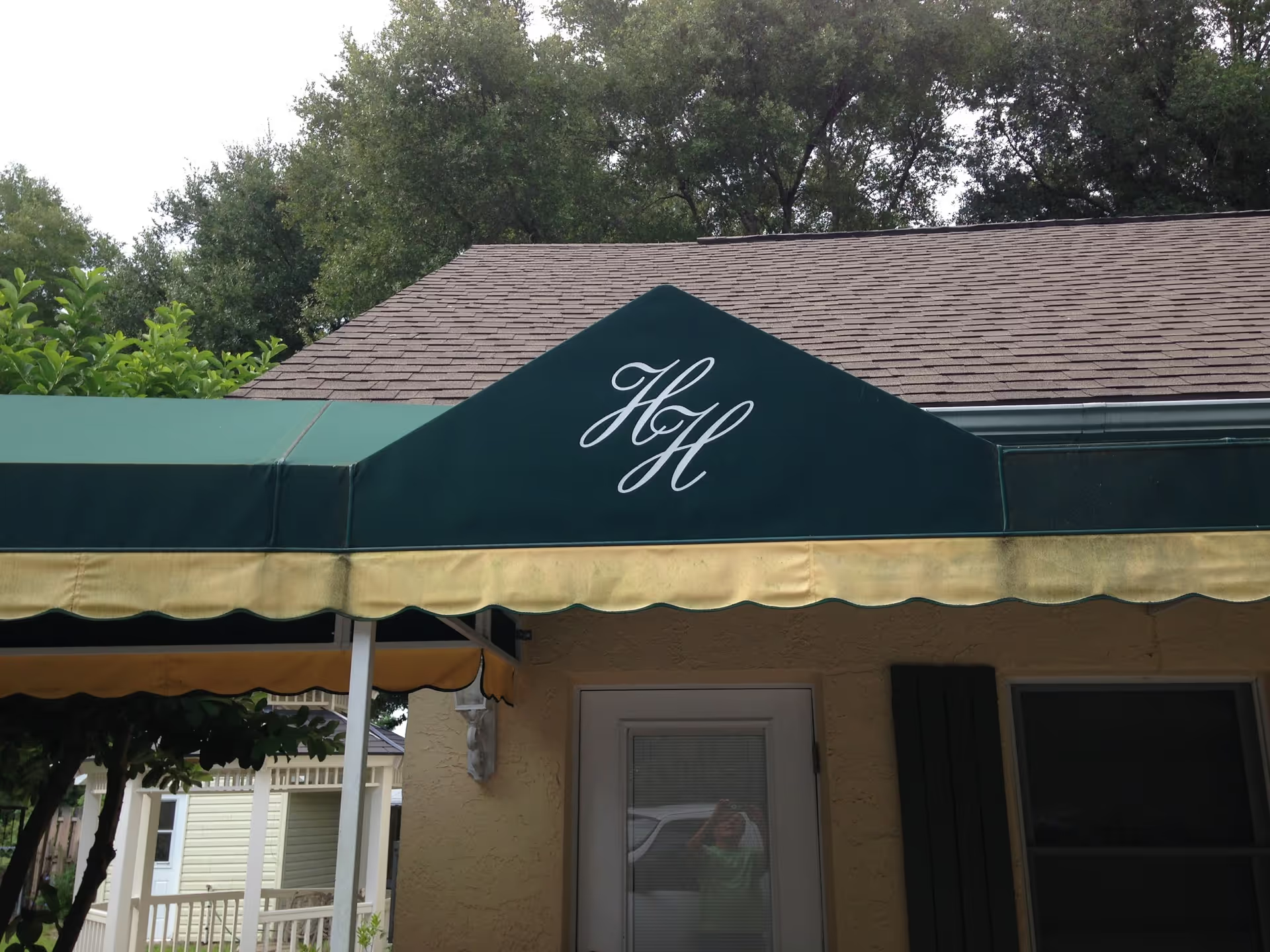
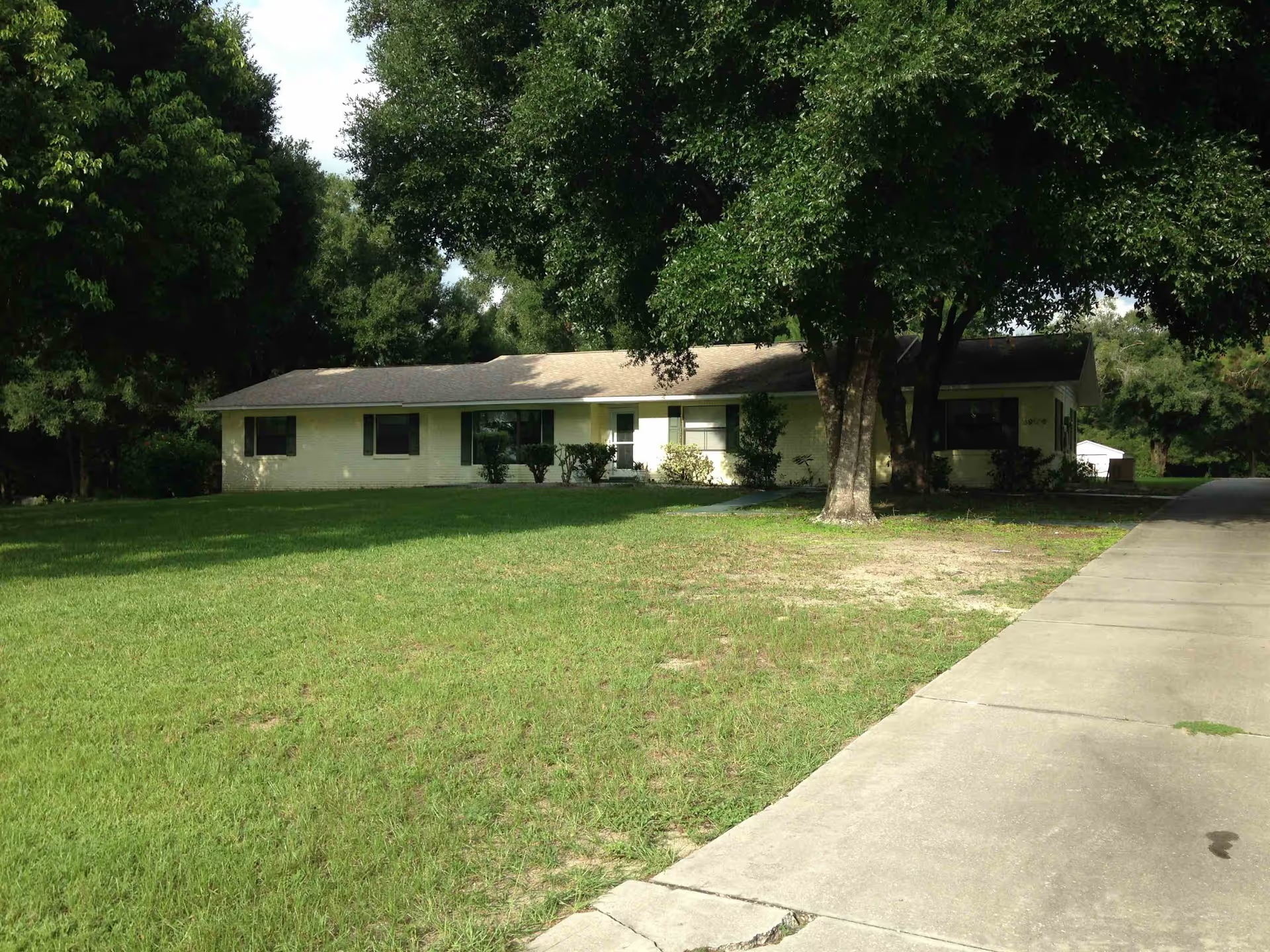
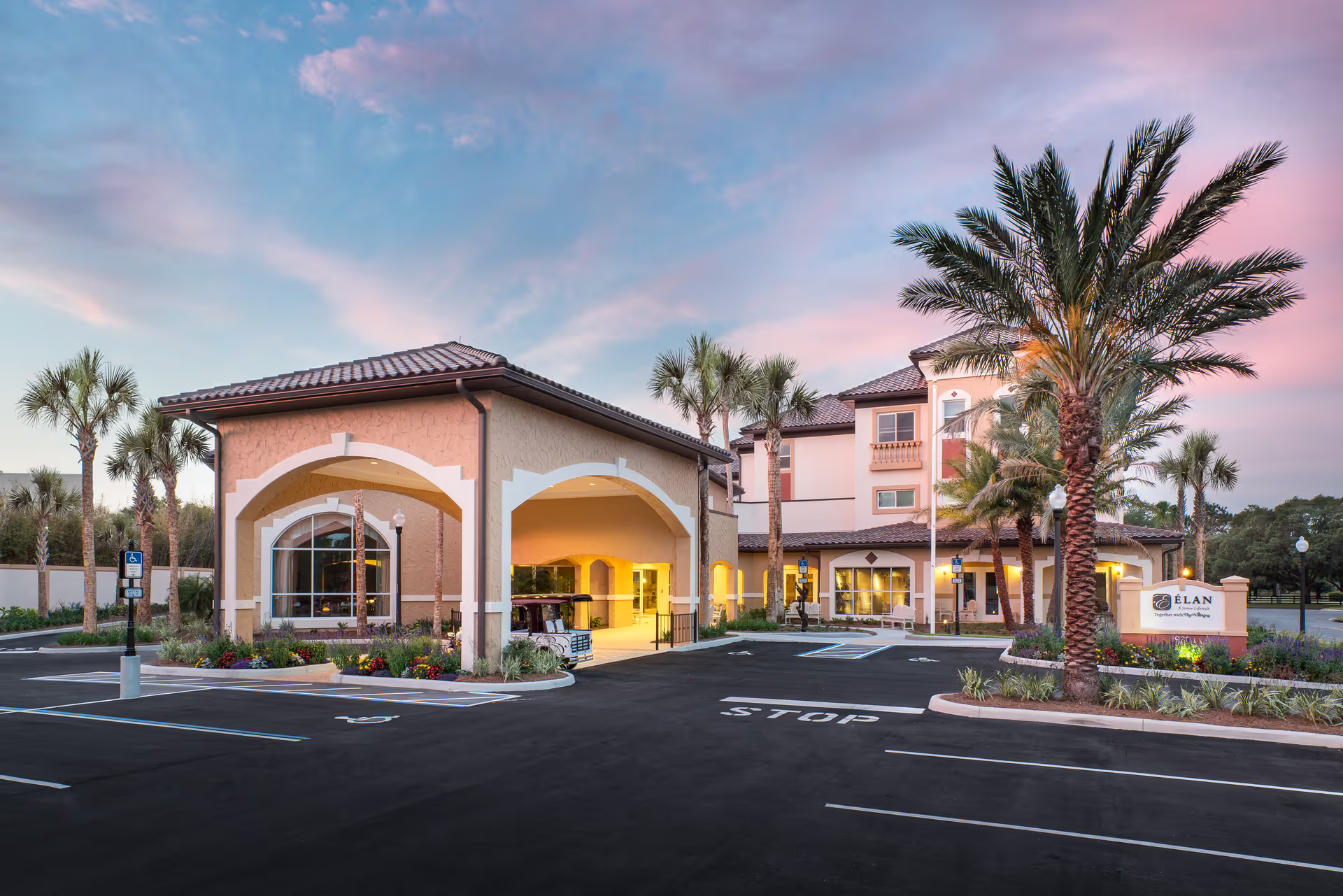
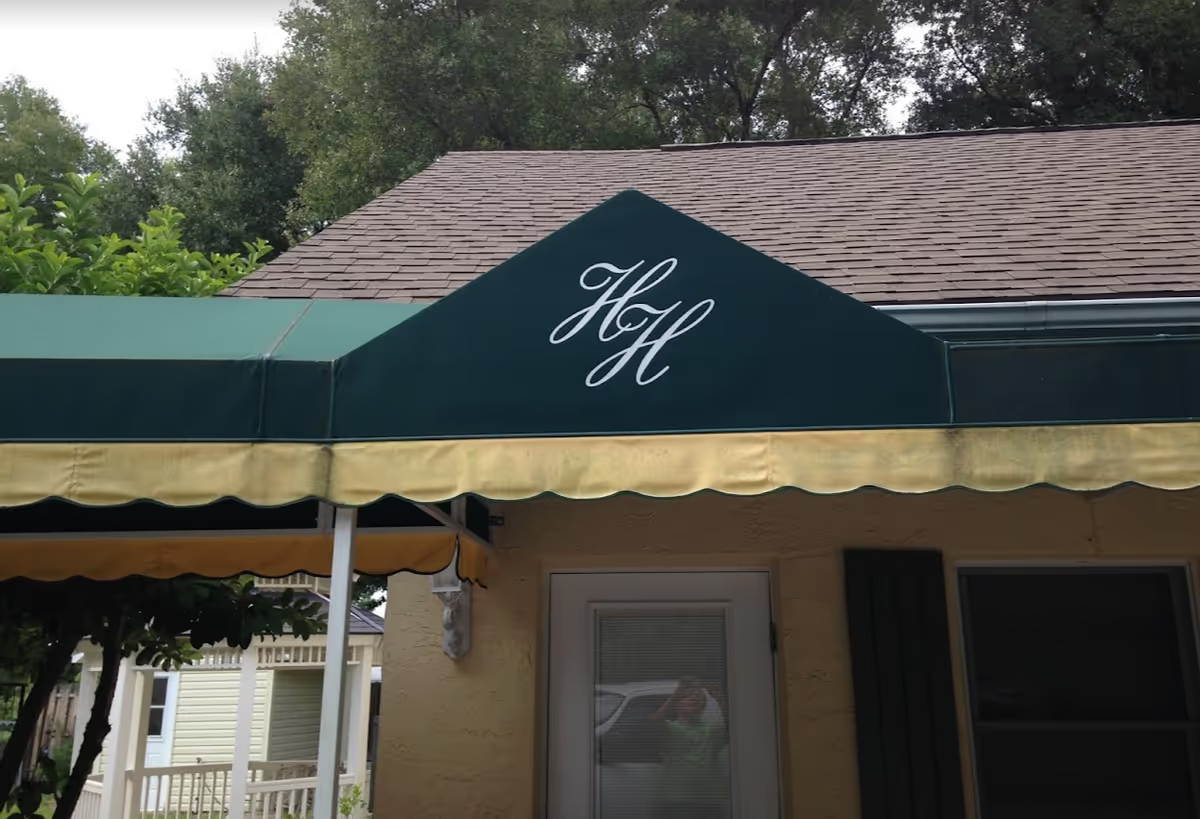
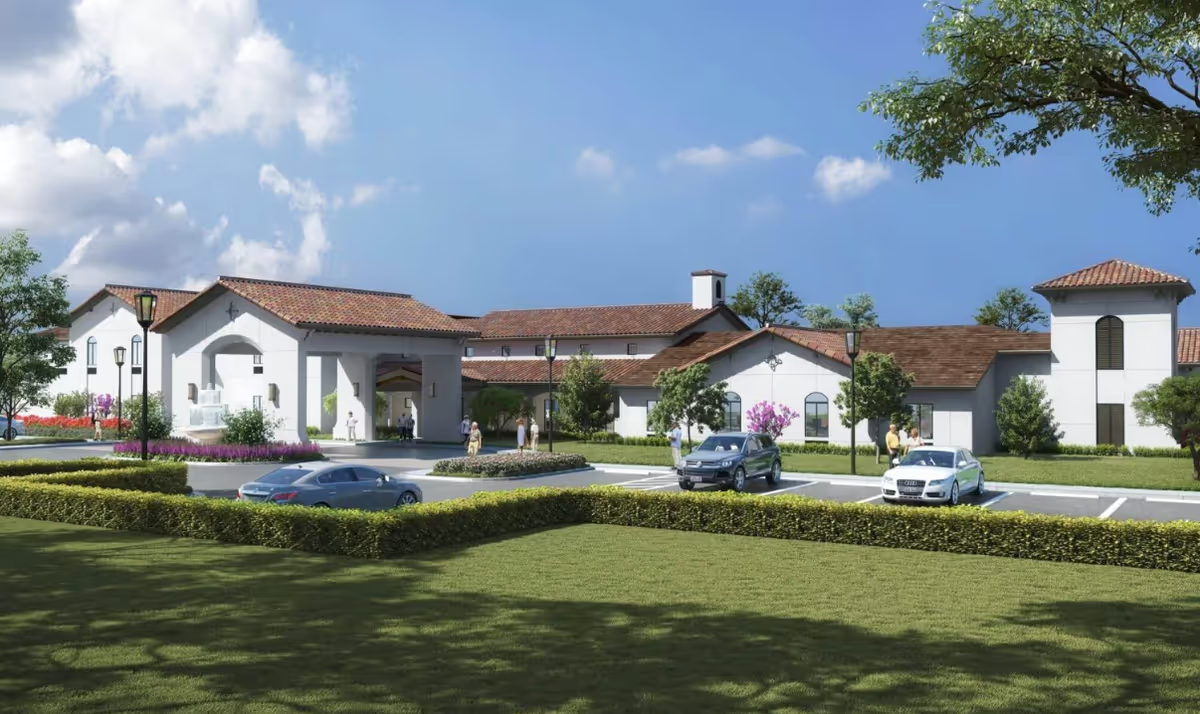
Village Veranda at Lady Lake is frequently described as a visually attractive, modern community with a broad set of amenities and a campus-style layout. Many families and residents praise the facility’s physical plant: bright dining and activity spaces, large resident rooms (including sizable memory-care suites), multiple outdoor courtyards and gardens, and specialty spaces such as a theatre, salon/barbershop, and an ice cream parlor. The community accepts Medicaid, offers in-house pharmacy and therapy options, and several accounts highlight smooth admissions, move-in assistance, and useful onboarding programs that match new residents by interests.
Direct-care staff and activities are commonly cited as strengths. Numerous reports describe caregivers and activity directors as compassionate, attentive, and creative; examples include regular live music, coordinated social events, drumming and coordination activities, and ambassador programs to help new residents integrate. Many families describe improved social engagement and satisfaction for loved ones. At the same time, reviewers note unevenness in activity participation and a desire for broader weekend programming or a wider variety of activity types in certain units.
Dining and food service receive mixed feedback. Several reviewers commend restaurant-style dining, variety, and accommodating chefs, and many residents enjoy meals and snacks included in the service. Other accounts indicate variability over time—menu changes, perceived decline after staffing or chef turnover, and limited choices at certain meal periods. Housekeeping and room-level cleanliness also show variability: while public areas are often described as clean and pleasant, there are recurring mentions of sanitation concerns and inconsistent housekeeping attention in resident rooms.
Clinical operations and responsiveness are an area of notable divergence. Some families report strong nursing leadership and effective care coordination, including appropriate medication management and successful transitions from other care settings. Conversely, a number of reviews describe medication-administration gaps, delays or missed deliveries of meals and medications, slow after-hours response lines, and concerns about emergency-response reliability. These issues are frequently linked by reviewers to staffing shortages and high turnover, which in turn are said to produce inconsistent care and longer wait times for assistance.
Management and organizational practices are another mixed area. Several reviews praise individual leaders and frontline managers for being thoughtful and responsive, while an overlapping set of reviews cites inconsistent administrative responsiveness, frequent leadership changes, and weak communication on billing and medical coordination. A few serious allegations—including concerns about impaired judgment by an on-site administrator and reports of financial-safeguard problems—appear in the feedback; these items are acute and carry reputational risk and would warrant direct inquiry by prospective families.
Overall pattern: the facility's built environment, amenities, and many frontline caregivers receive strong positive remarks, suggesting the community can deliver a high-quality social and environmental experience. However, persistent operational concerns—notably staffing stability, housekeeping consistency, medication and after-hours responsiveness, and management communication—create variability in the day-to-day experience. Prospective residents and families should balance the clear strengths of the campus and activities against these operational weaknesses, ask specific questions about current staffing levels, clinical oversight, after-hours response protocols, financial safeguards, and housekeeping schedules, and consider recent leadership changes when making a placement decision.