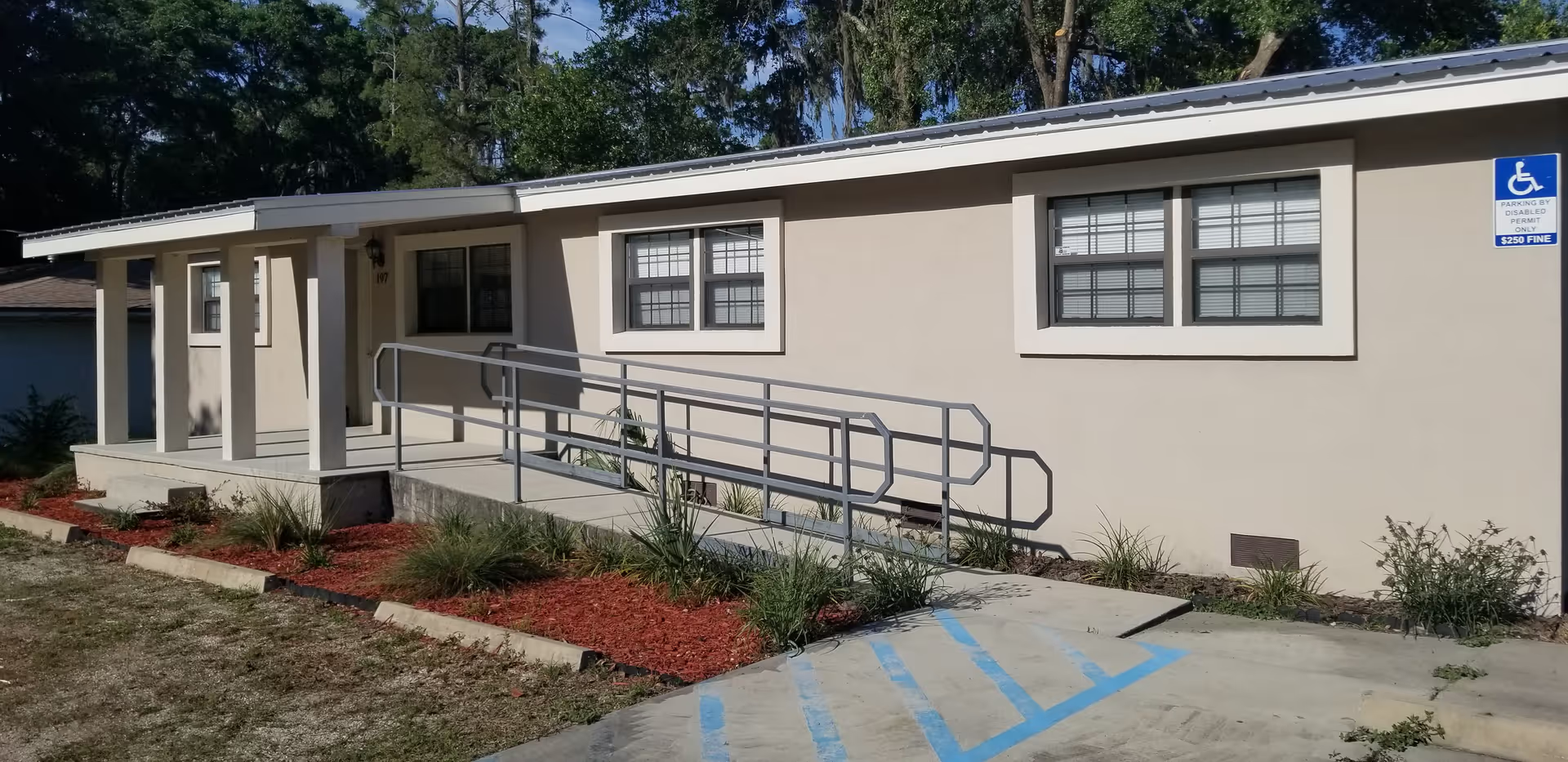
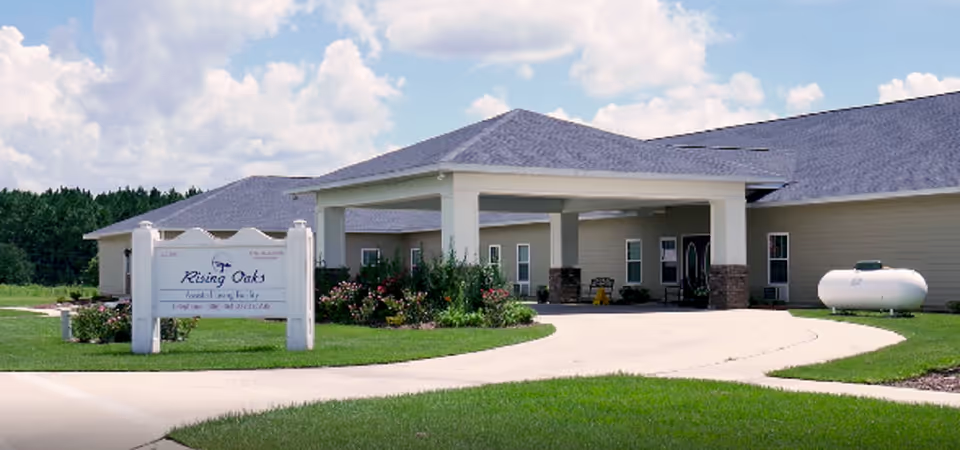
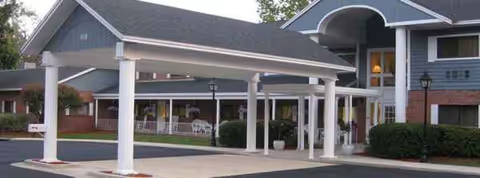
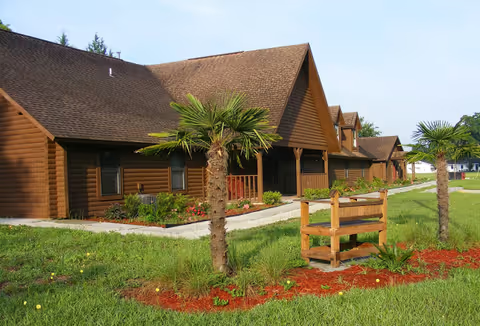
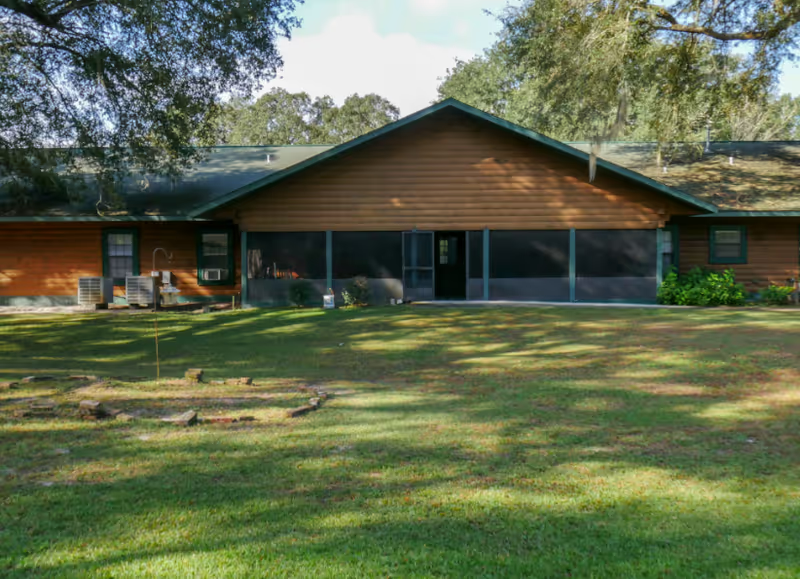
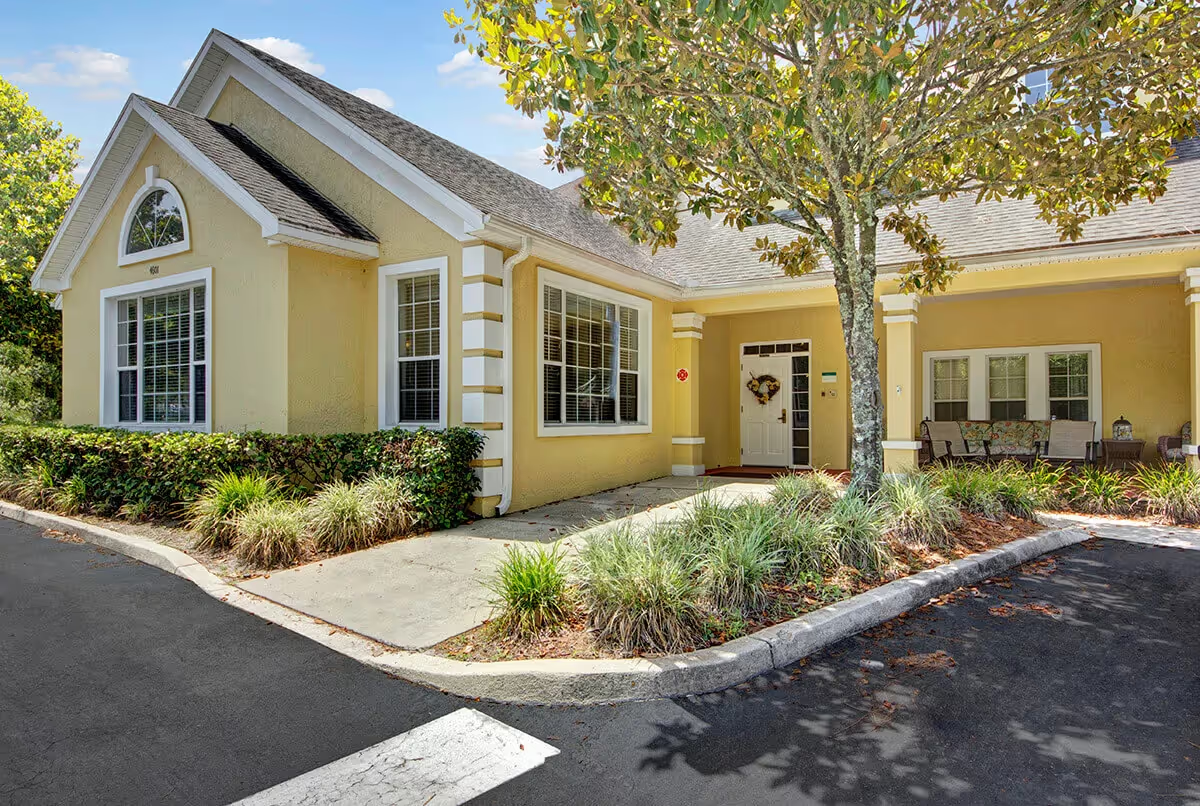
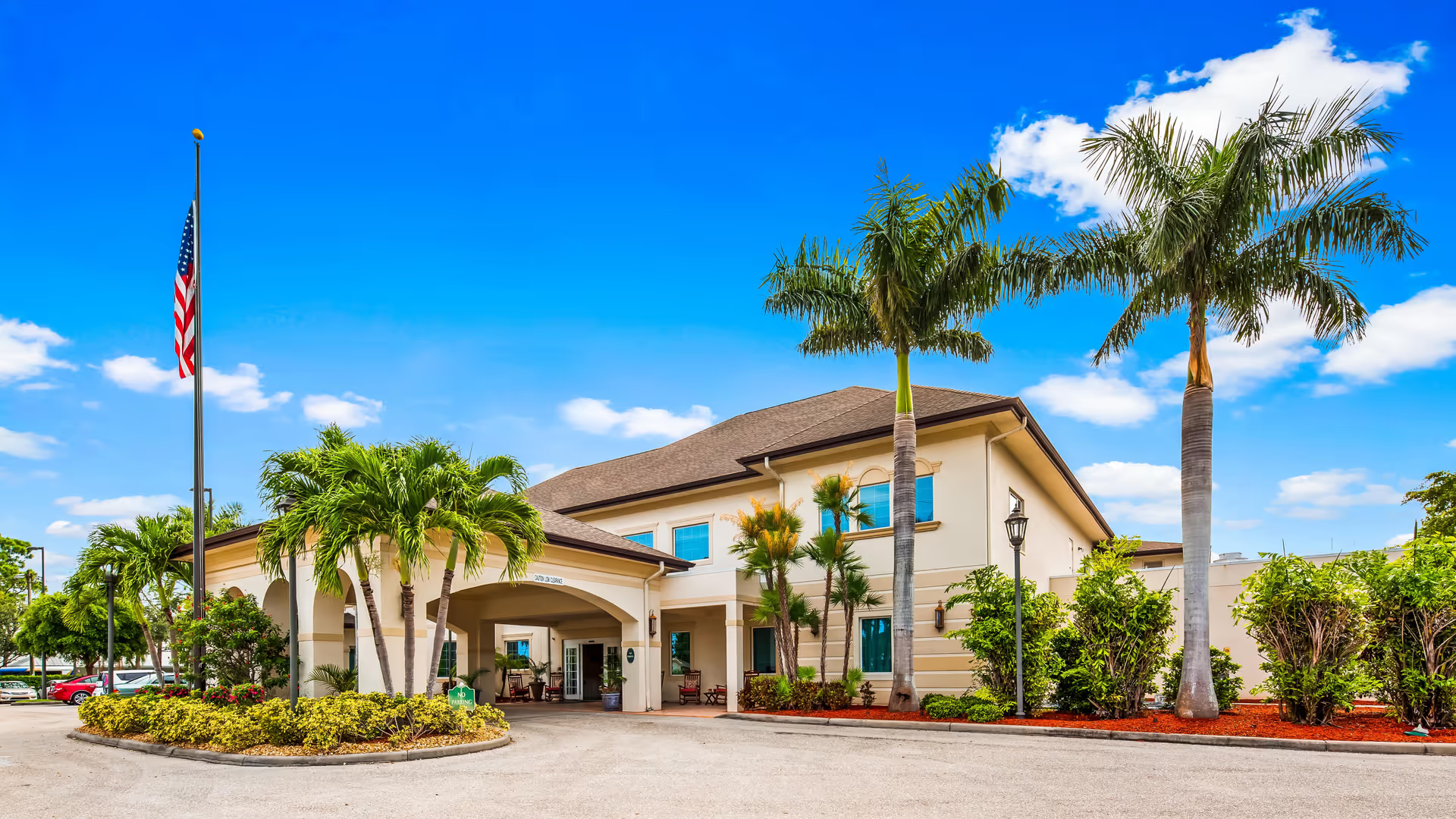
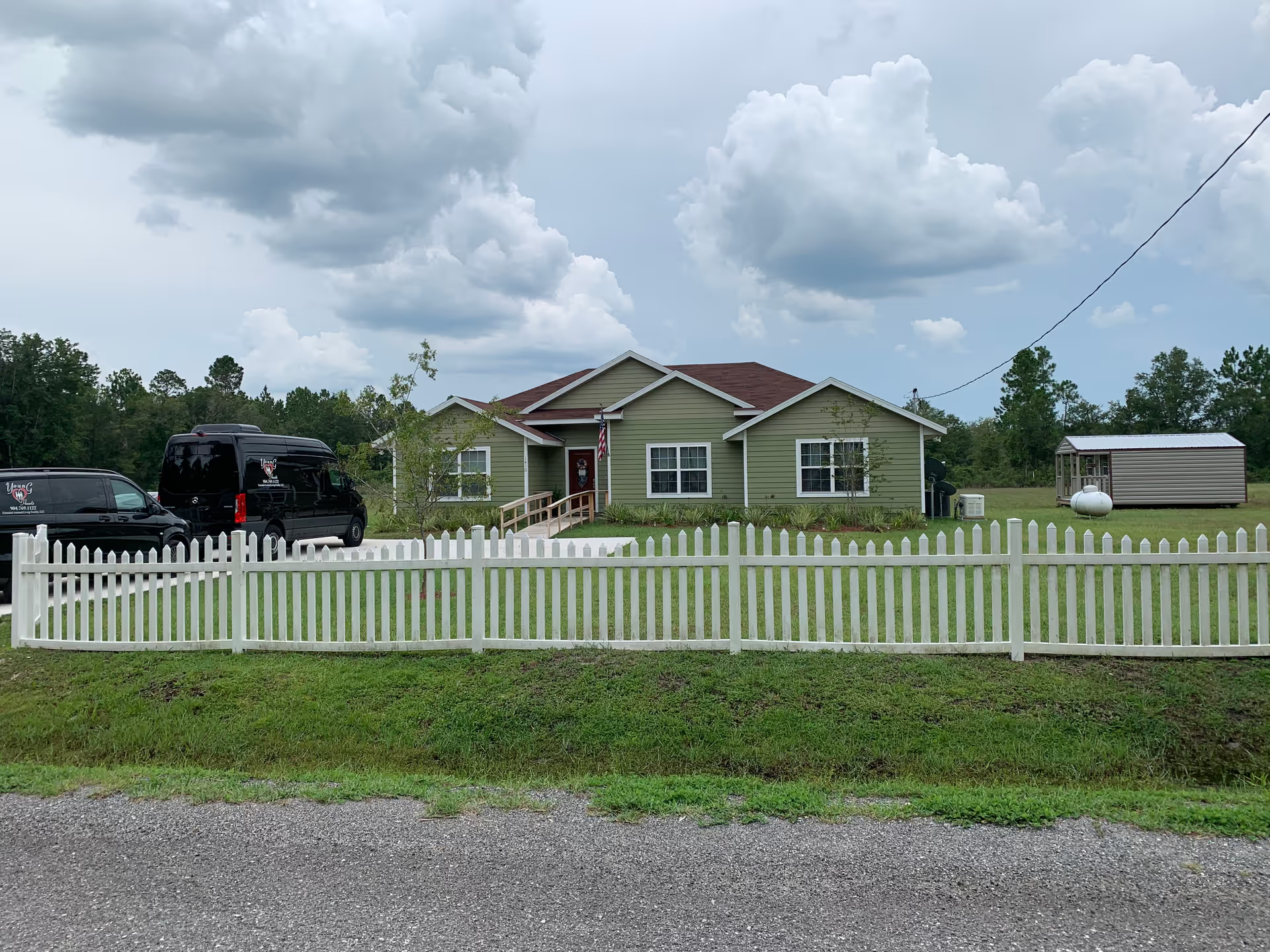
The Canopy at Harper Lake presents a largely positive physical environment and many operational strengths alongside operational gaps that prospective families should weigh. Strengths frequently cited include an attractive, home-like interior, well-maintained common areas and outdoor amenities, and a generally clean facility. Admissions and front-desk staff are often described as responsive and helpful, move-in/move-out logistics are typically smooth, and the facility positions itself as value-oriented with personalized room-decor options and 24-hour assisted-care availability. Dining is commonly praised for tasty, accommodating meals and a chef willing to address special needs.
Staffing and daily caregiving receive mixed assessments. Many reviewers praise compassionate, individualized attention, warm caregiver–resident interactions, and a family-like community culture; activity staff and specific team members are frequently highlighted for effective programming and engagement. However, recurring operational concerns include high staff turnover and periodic short-staffing, which families say can produce inconsistent follow-through on care plans and communication. Several reviewers specifically raised serious allegations concerning staff conduct and property handling in the memory care unit; relatedly, reviewers described gaps in dementia-specific training and supervision that may contribute to variable care quality in higher-acuity areas.
Programmatic offerings and resident life are a clear selling point for many families: activity calendars, social events, outings, and organized programs are well regarded, and some reviewers describe thriving, engaged residents. At the same time, activity availability appears to vary by care level and unit — a number of families noted fewer or less consistent offerings in memory care compared with assisted-living areas. Safety-related operational issues were also mentioned, including fall occurrences and perceived gaps in fall-prevention practices; these concern families seeking a higher level of clinical oversight.
Management and quality oversight show a pattern of improvement claims alongside instability. Several reviewers praised prompt responsiveness when concerns were raised and described swift resolutions to transition issues; others pointed to leadership turnover and inconsistent enforcement of policies, which they view as a factor in care variability. Sanitation-related and incontinence-care concerns were reported in particular units, and there were mentions of inventory or resident-property control weaknesses. Visitation practices were influenced by infection-control periods, and families described inconsistent policy flexibility during those events.
In summary, The Canopy at Harper Lake offers many attributes families value: a welcoming, attractive facility, attentive frontline staff, robust social programming, and accommodating dining. Those positives coexist with operational risks that prospective residents and families should evaluate directly—notably staffing stability, dementia-specific training and supervision, consistent implementation of care plans, sanitation and incontinence-care practices in some units, and safeguards around safety and resident property. Visiting the memory care neighborhood, asking about turnover and training programs, reviewing incident-response protocols, and confirming how the facility documents and communicates care plans will help families assess whether the Canopy aligns with their priorities and risk tolerance.