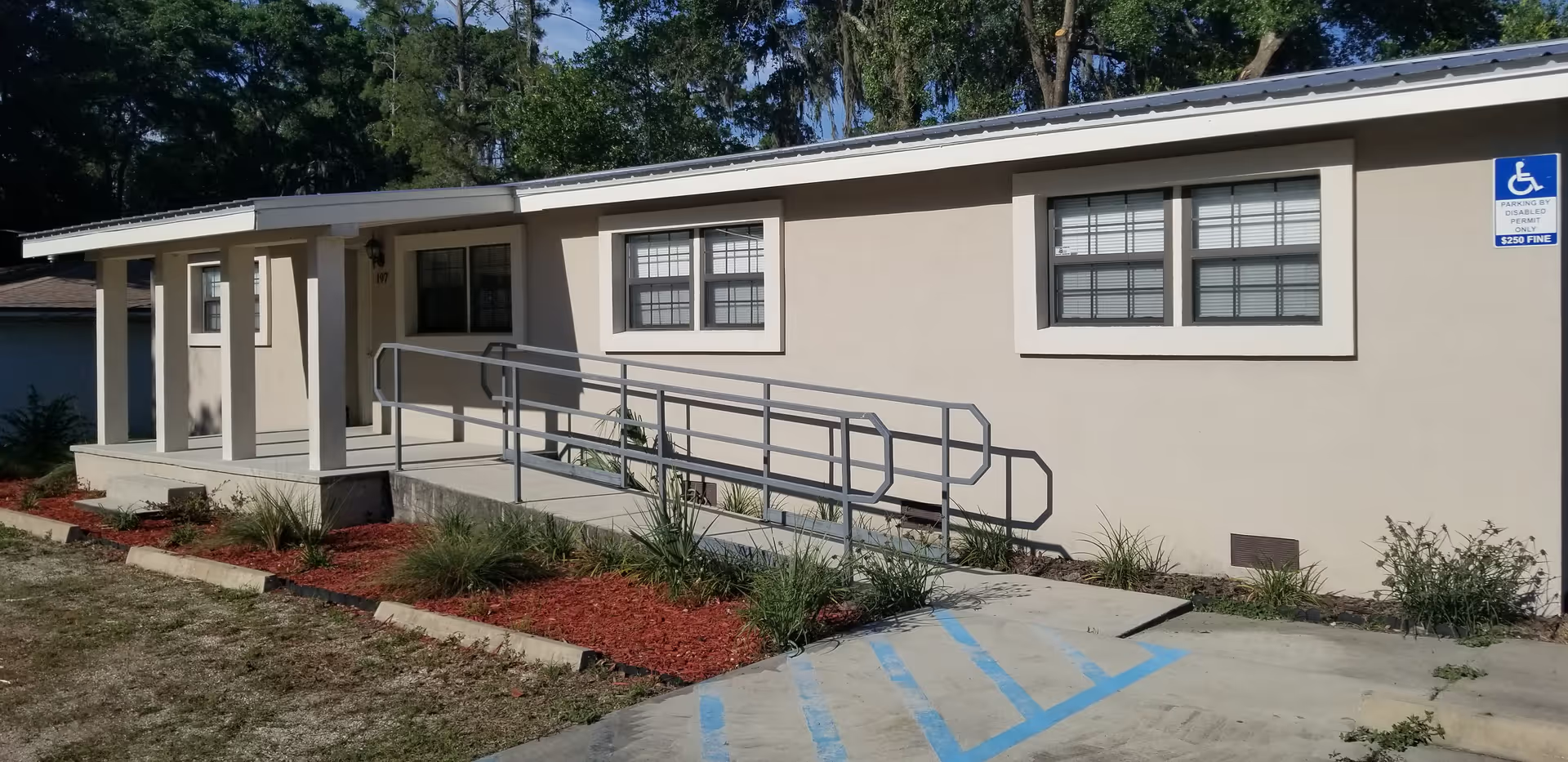
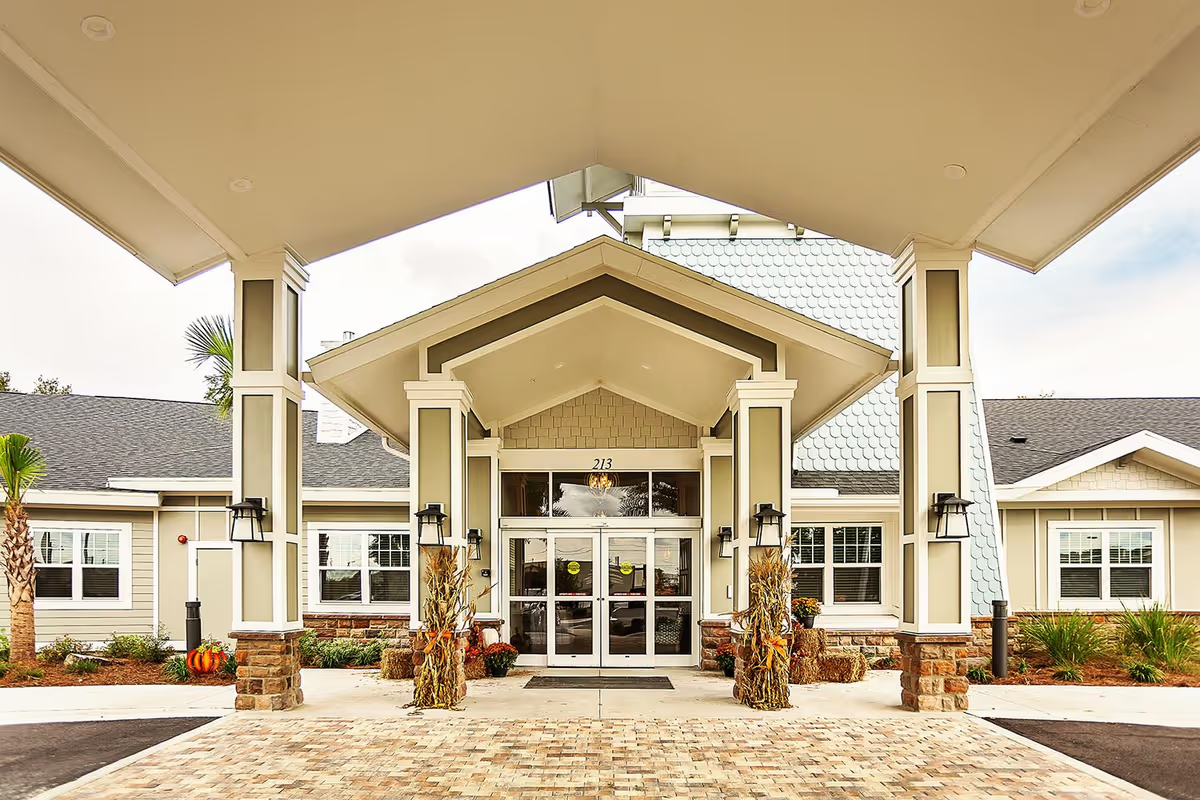
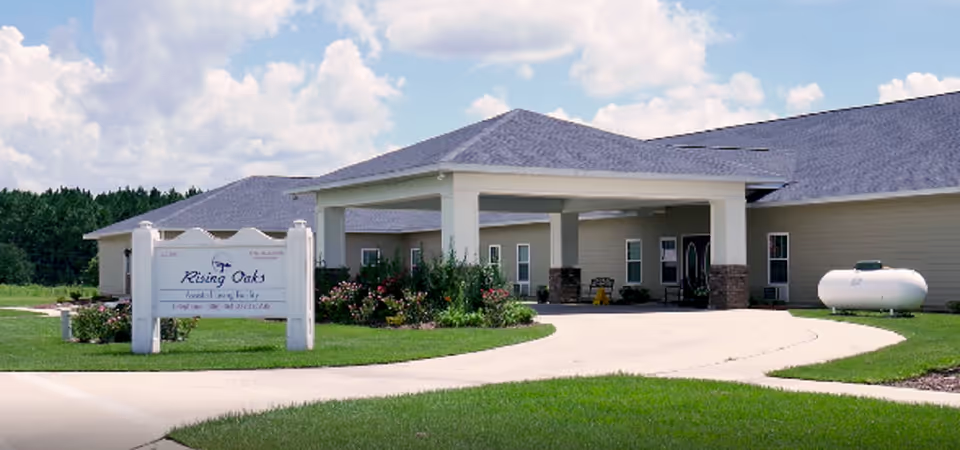
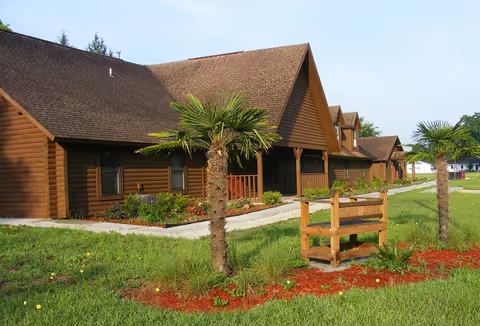
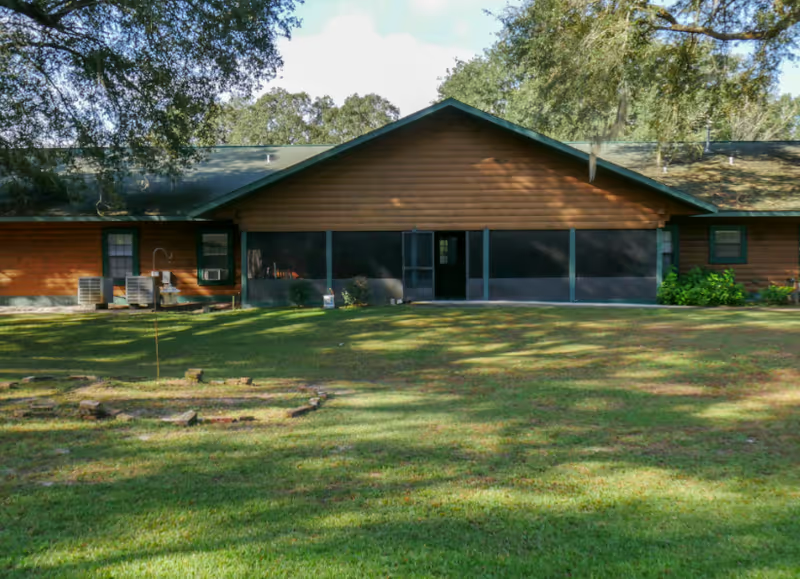
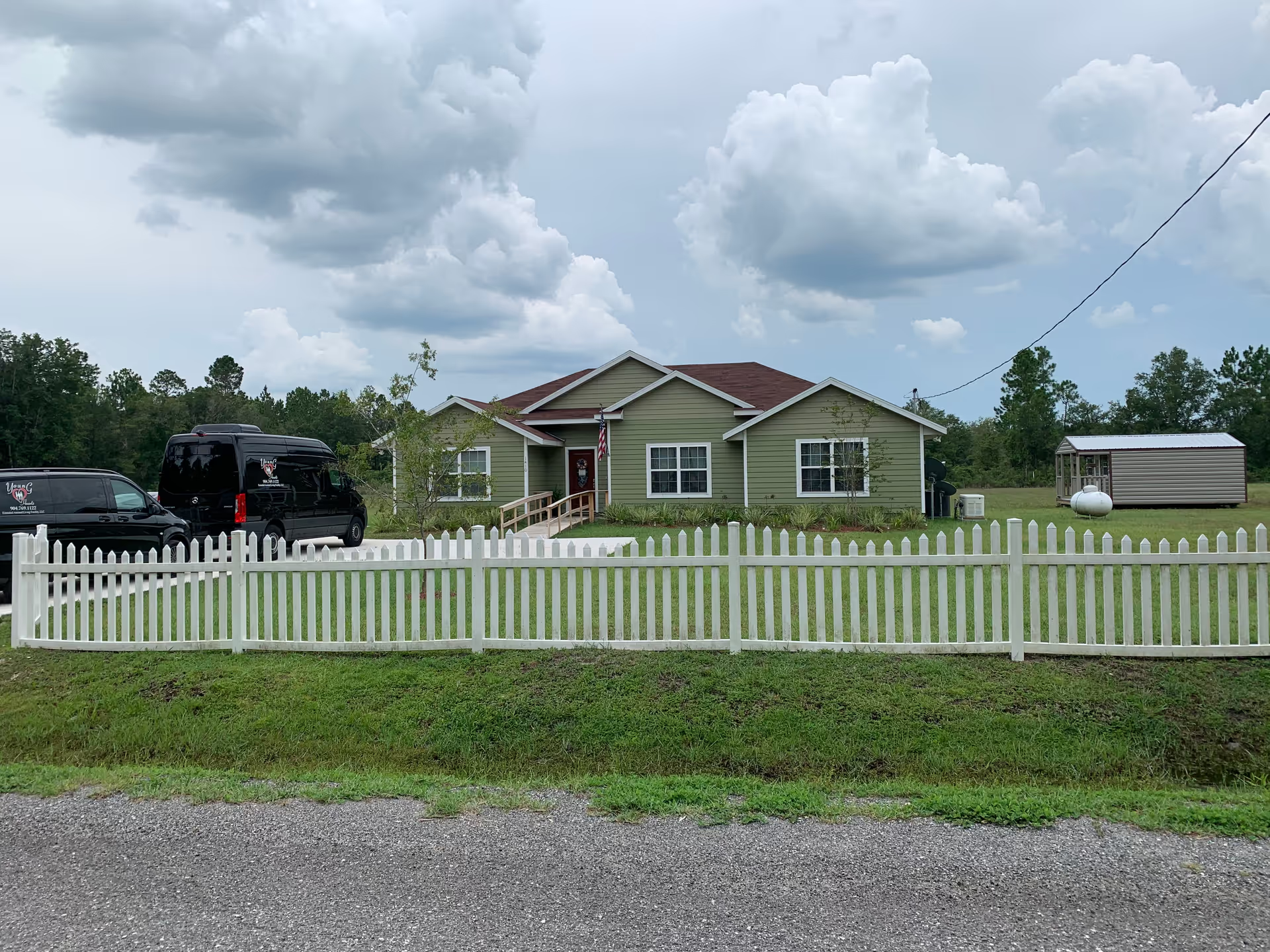
WillowBrook Assisted Living presents a mixed but largely positive profile. Many reviewers highlight the caregiving staff as compassionate, attentive, and personable; families frequently describe the admissions team and tour staff as knowledgeable and informative. The facility itself is commonly characterized as recently updated, well-maintained, and spacious, with well-lit apartments available furnished or unfurnished. Residents and visitors often note a friendly social environment, active camaraderie among residents, and an outdoor area that supports small-group interaction.
The activities program is a clear strength for many: reviewers point to a variety of structured options such as bingo, crafts, chair exercises, musical visits, card games, and a dedicated jigsaw-puzzle room. These offerings, together with maintenance-free living and visible safety features (door locks, wearable alert bracelets), contribute to a sense of home-like routine and security for many residents. Several families also praised instances of timely medical response and compassionate end-of-life or transition support.
Despite these positives, there are recurring operational concerns that prospective residents and families should weigh. Administrative responsiveness and family communication are inconsistent in practice; reviewers describe delays or failures to return calls and difficulty obtaining timely information. Relatedly, there are documented gaps in clinical documentation and follow-up care, which have been associated with delayed clinical responses in some cases. Staffing shortages were also mentioned as a factor that can reduce service consistency.
Dining and housekeeping present a mixed picture. Some reviewers appreciate home-style meals and steady meal service, while others cite variable food quality, nutritional content, and presentation. Cleanliness and odor concerns appeared in certain reports, indicating inconsistency in sanitation standards across areas or shifts. Activity programming is generally robust but not uniformly available; a few families found programming limited at times.
There are also higher-severity operational issues that emerged in isolated but serious accounts, including allegations related to human-resources handling and billing practices, and concerns about whether the facility’s clinical scope matched some residents’ needs. Safety features are in place and praised by many, yet a small number of reviewers raised questions about exit-monitoring and wandering prevention effectiveness. In sum, WillowBrook offers notable strengths in staff compassion, social programming, and facility upkeep, but prospective residents should perform targeted inquiries about staffing levels, clinical documentation practices, dining standards, sanitation consistency, and administrative/billing policies during tours and before admission.