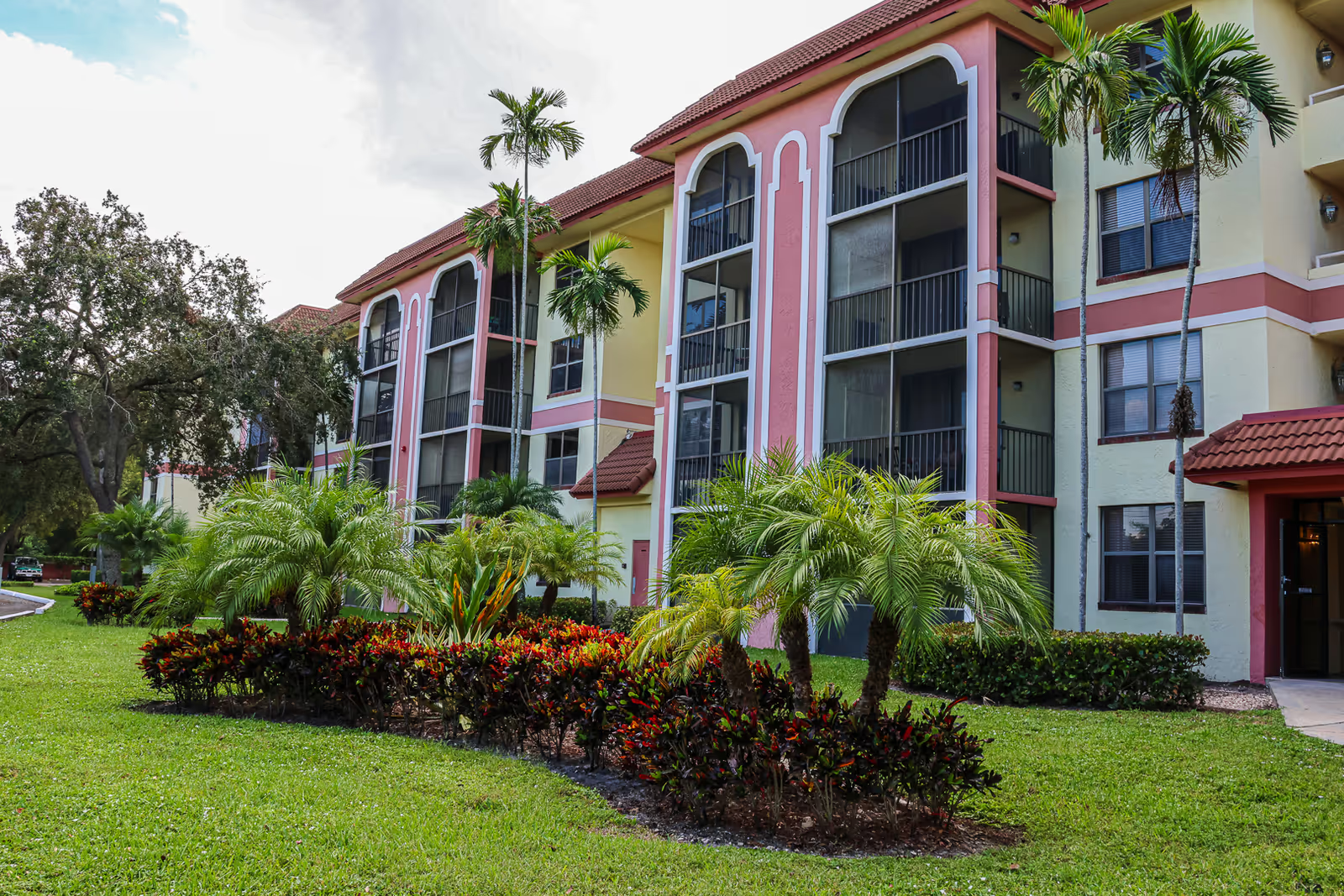
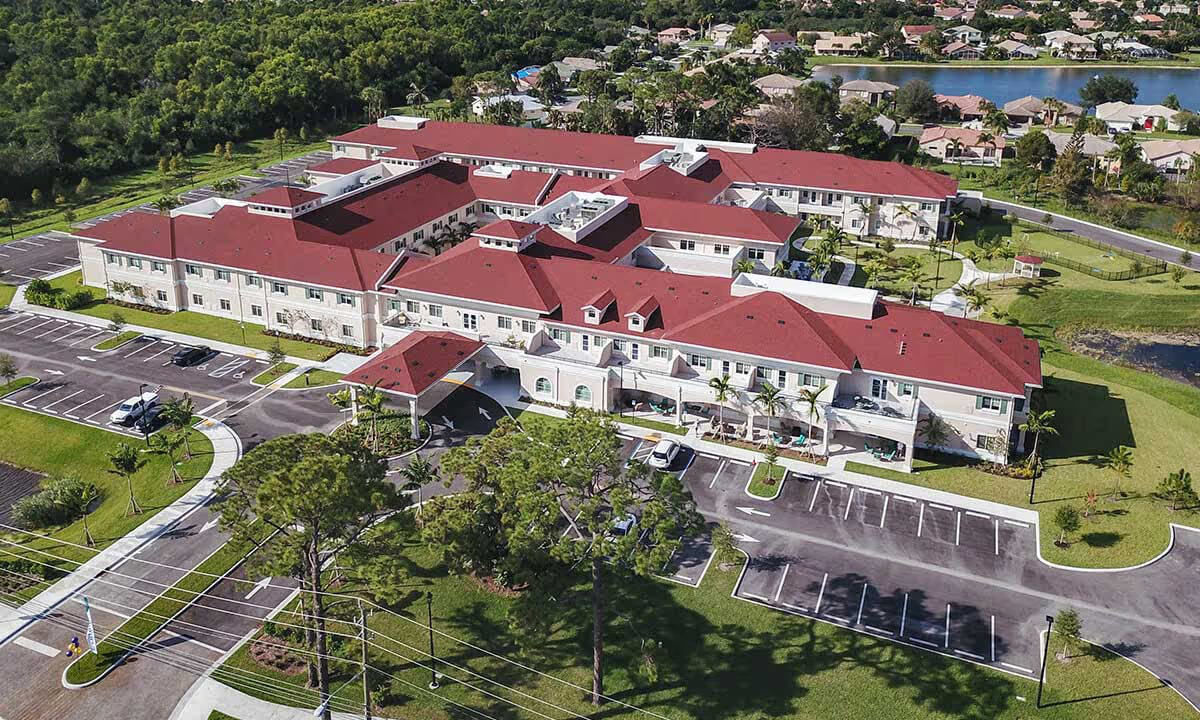
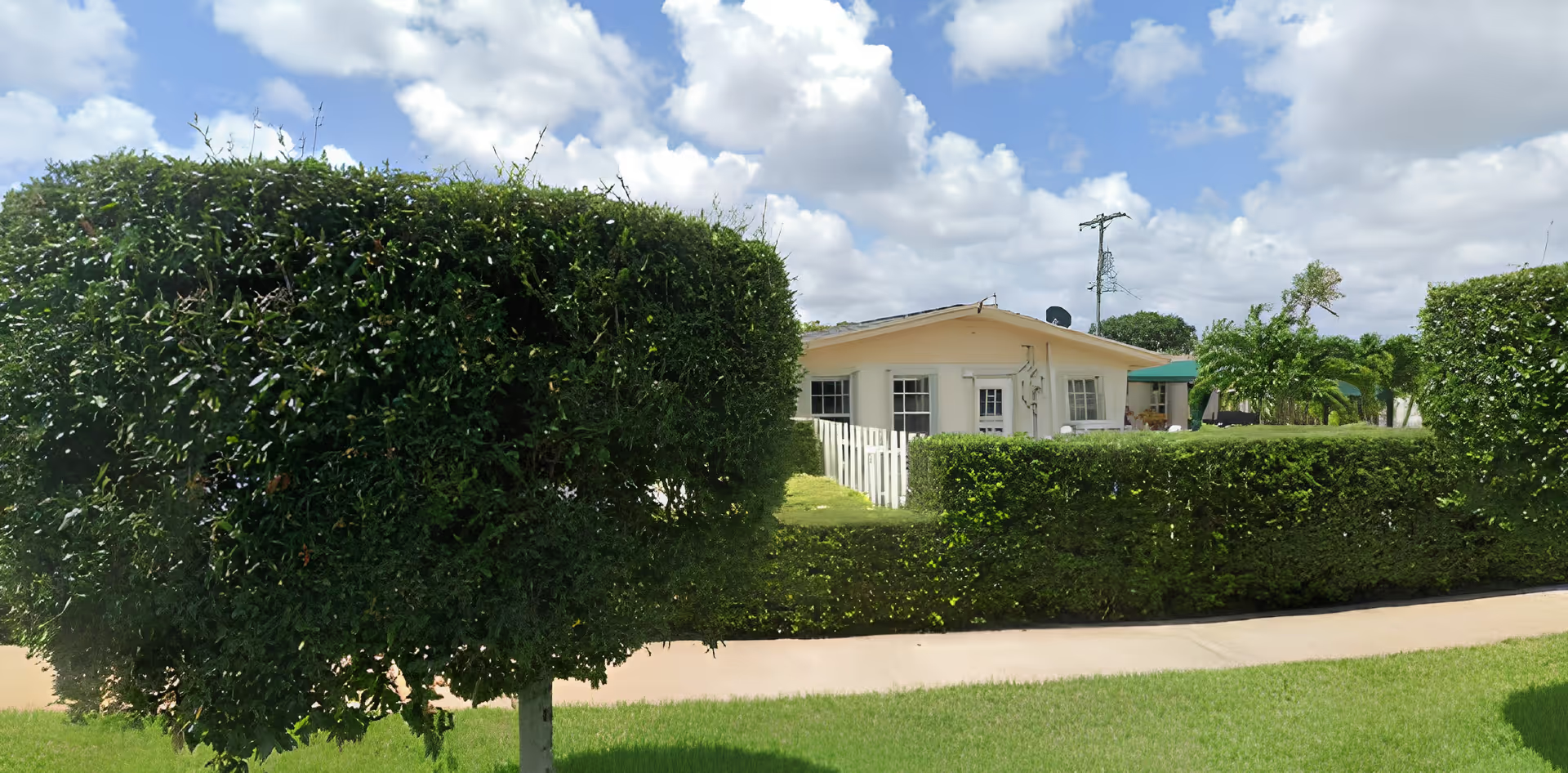
Arbor Oaks at Greenacres presents a mixed but distinctive profile: many reviewers describe an attractive, well-kept campus with numerous on-site amenities and a broad activities program, while other accounts raise operational and clinical concerns. The physical environment and social programming are frequent strengths — reviewers cite a grand entrance, pleasant grounds, clean common areas, an appealing dining room, an ice cream parlor, a salon and barber, library and sundry shop, and frequent outings and social events. The community appears to place emphasis on social engagement and a home-like atmosphere, with transportation available for errands and doctor visits and a separate memory-care neighborhood for residents with dementia-related needs.
Staff and clinical care evoke polarized impressions. Numerous comments praise compassionate, attentive caregivers, long-tenured staff, and personalized approaches that helped residents acclimate and families feel supported; several reviews specifically commend nursing staff and describe thoughtful end-of-life presence and communication. At the same time, other reviews point to operational patterns that affect clinical reliability: inconsistent staffing levels or turnover, changes in clinical staffing mix (for example reliance on med techs versus licensed nursing), gaps in medication-administration controls, and concerns about fall-prevention and transfer safety. Related issues include lapses in timely emergency response and family notification, and inconsistent follow-up after incidents. These represent facility-level risks that prospective families should query directly.
Dining and activities are generally cited as strengths. The menu and meal presentations draw positive comments; many reviewers highlight themed luncheons, cooking demonstrations, and an array of daily and weekend activities (bingo, arts and crafts, exercise classes, painting, manicures/pedicures, and social ice cream events). On-site clinical offerings including weekly physician visits and an on-site clinic are also noted as conveniences that support resident care and access to routine medical services.
Facility maintenance, housekeeping, and room accommodations show variability in the reviews. Several reviewers describe a spotless, well-maintained building and grounds, while others note sanitation concerns and cleanliness issues in specific units and describe small or dimly lit resident rooms. Security measures and background checks are mentioned positively, but some families felt certain areas limited resident mobility or felt enclosed. Costs and billing practices are another recurrent theme: while many families find value in the services provided, a subset described unexpected or high out-of-pocket expense and requested clearer financial transparency.
Management and communication illustrate a split experience. Some reviews praise strong leadership, continuity, and family-oriented responsiveness; others indicate management turnover, perceived administrative focus on finances, and inconsistent communication or follow-up with families. There are also isolated, serious allegations concerning personal belongings and incident documentation that suggest the value of reviewing facility incident policies and references before placement.
Recommendation for prospective families: arrange an in-person visit during active hours to observe staffing levels, mealtime flow, and activity engagement. Ask for written details on staffing ratios, weekend and night coverage, fall-prevention protocols, medication administration and audit procedures, incident-reporting and family-notification policies, room dimensions and lighting, housekeeping schedules, and a clear explanation of fees and billing practices. Request recent state inspection reports, references from current resident families, and examples of care plans for residents with similar needs. Given the clear split in experiences, focused due diligence will help determine whether Arbor Oaks aligns with a particular resident’s clinical and personal priorities.