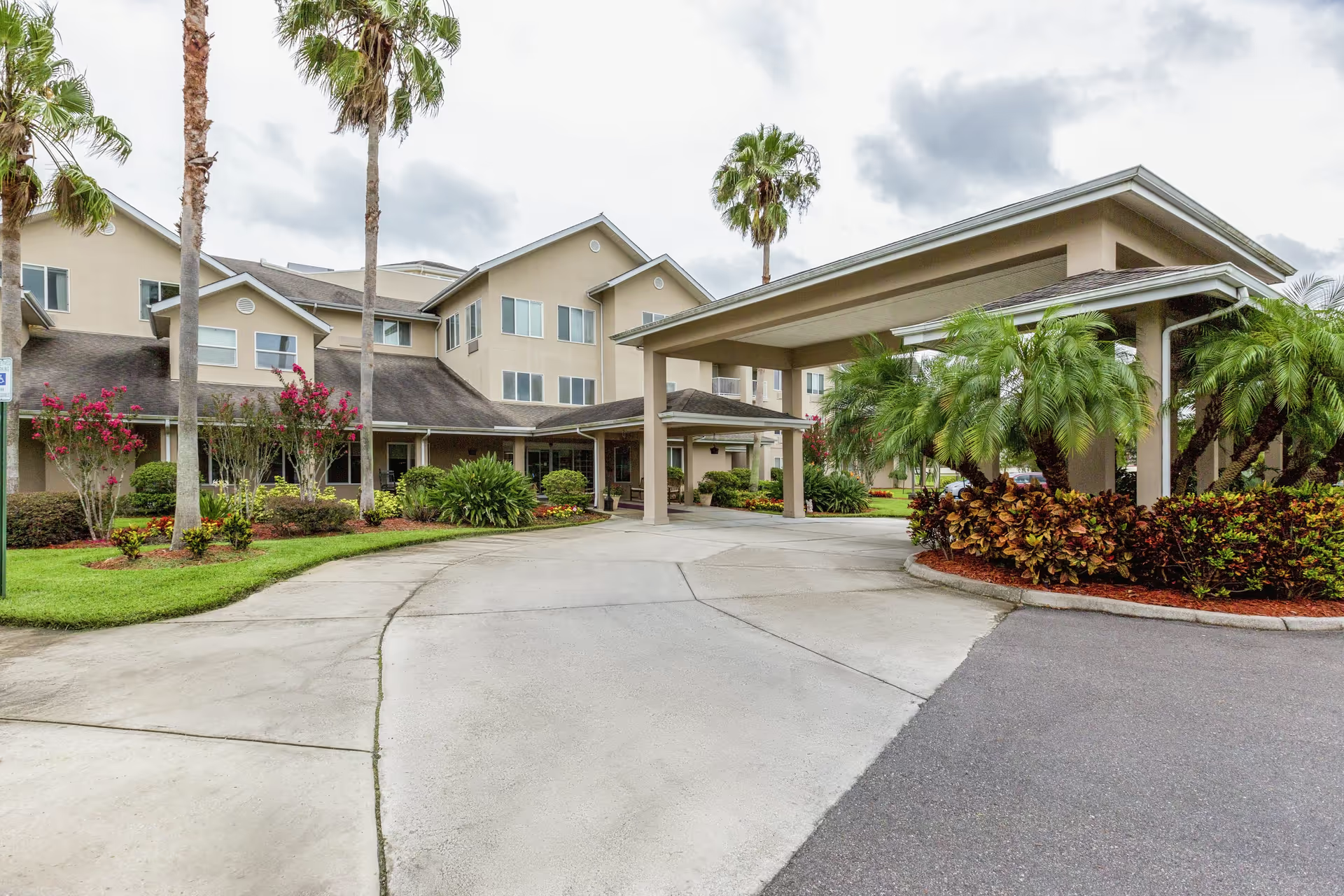
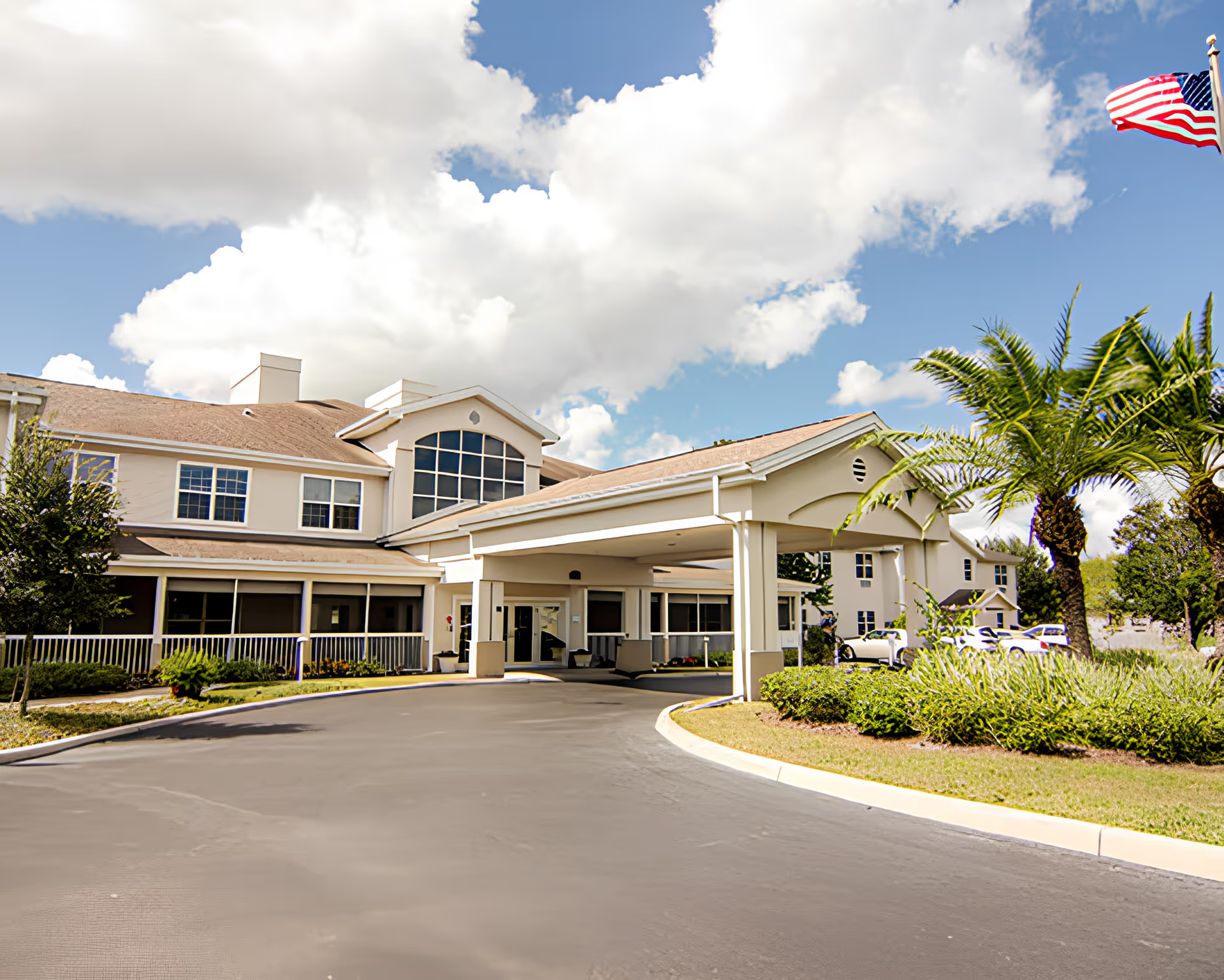
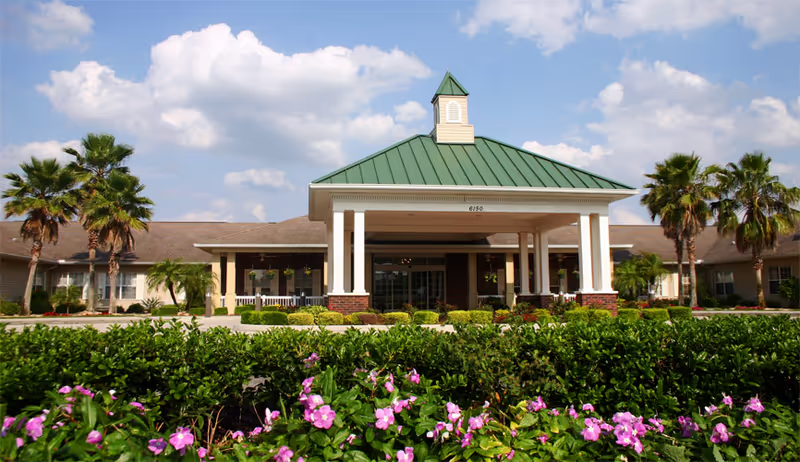
Reviews present a mixed but consistent set of operational patterns. On the positive side, Arbor Oaks at Lakeland Hills is frequently described as a well-appointed, hotel-like campus with attractive common areas and numerous amenities (library, beauty salon, ice cream parlor, lakefront setting). Many families praise the physical environment, spacious units, and an elegant dining room with restaurant-style service. The community offers an active social calendar—ice cream socials, live music, bingo, happy hour, and regular events—that several reviewers found engaging and appropriate for assisted- and independent-living residents.
Clinical and daily-care experiences vary across accounts. Several reviewers praise on-site therapy services, 24/7 nursing presence, attentive caregivers, routine check-ins, and quick emergency responses; these families report good coordination with physicians and noticeable improvements in health outcomes. Counterbalancing that, a recurring operational theme is high frontline staff turnover and periodic shortages, which reviewers linked to delayed assistance, inconsistent personal-care routines, and uneven medication-handling practices. There are specific concerns about medication management and pharmacy coordination that prospective families should query directly.
Dining feedback is polarized. Some residents and families describe excellent, hotel-quality meals and attentive dining service; others describe limited menu choices, reliance on prepackaged items, and inconsistent freshness. Reviewers also flagged the dining-room layout and meal logistics as a potential mismatch for memory-care residents—shared dining spaces and seating configurations can limit tailored support for residents with cognitive impairment.
Memory-care-specific feedback contains several recurring operational issues: locked bedroom access policies during daytime, limited structured activities in some shifts, and constrained use of separate, dedicated activity spaces. These factors contributed to dissatisfaction among families seeking a more specialized, engaging memory-care program. Related concerns include laundry and personal-item management weaknesses and asset-protection gaps; there are reports of missing belongings and at least one allegation of employee theft that prompted police involvement. These items point to the need for clearer property-control and handover procedures.
Facility management and communication receive both praise and criticism. Some reviewers highlight responsive administrative staff who address issues quickly; others cite inconsistent communication between shifts, delayed family notifications, and perceived lack of follow-through on complaints. Additional operational items to check during a tour include pest-control practices, sanitation routines, and how the facility documents and communicates clinical incidents.
Practical suggestions for prospective families: observe a mealtime and an activity session in the neighborhood you are considering (assisted living vs memory care), ask about staffing ratios and turnover statistics for the unit, request the facility’s medication-administration and incident-reporting policies, inquire about laundry and personal-item handling procedures, and clarify physical-access policies for memory-care bedrooms and communal areas. Request references from current families, review recent health-inspection or complaint records, and confirm contract terms for asset protection and complaint resolution. Taken together, the reviews describe a modern, amenity-rich community with many strengths in environment and programming, but one where operational consistency—particularly staffing, medication processes, memory-care programming, and property controls—merits careful, specific inquiry before placement.