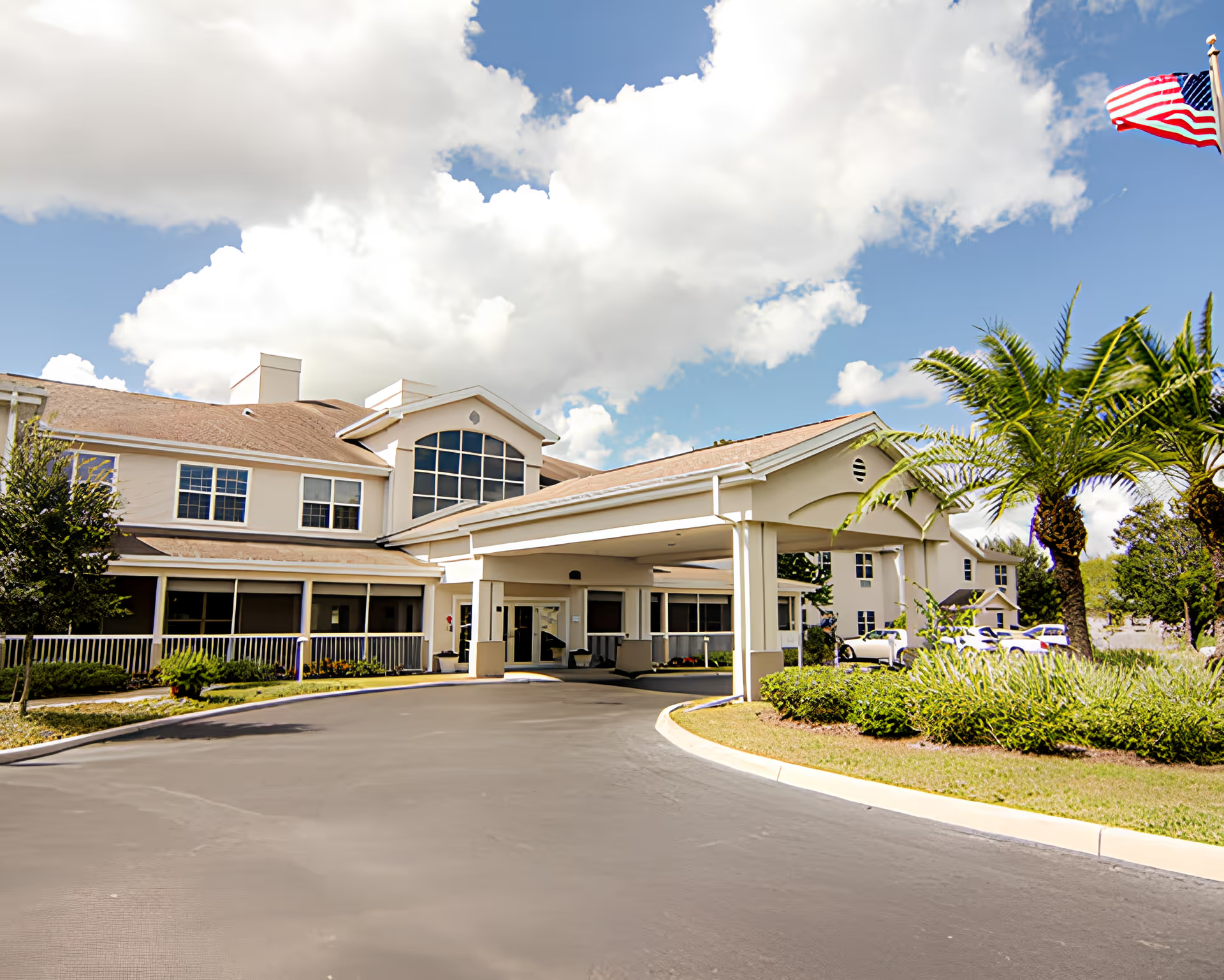
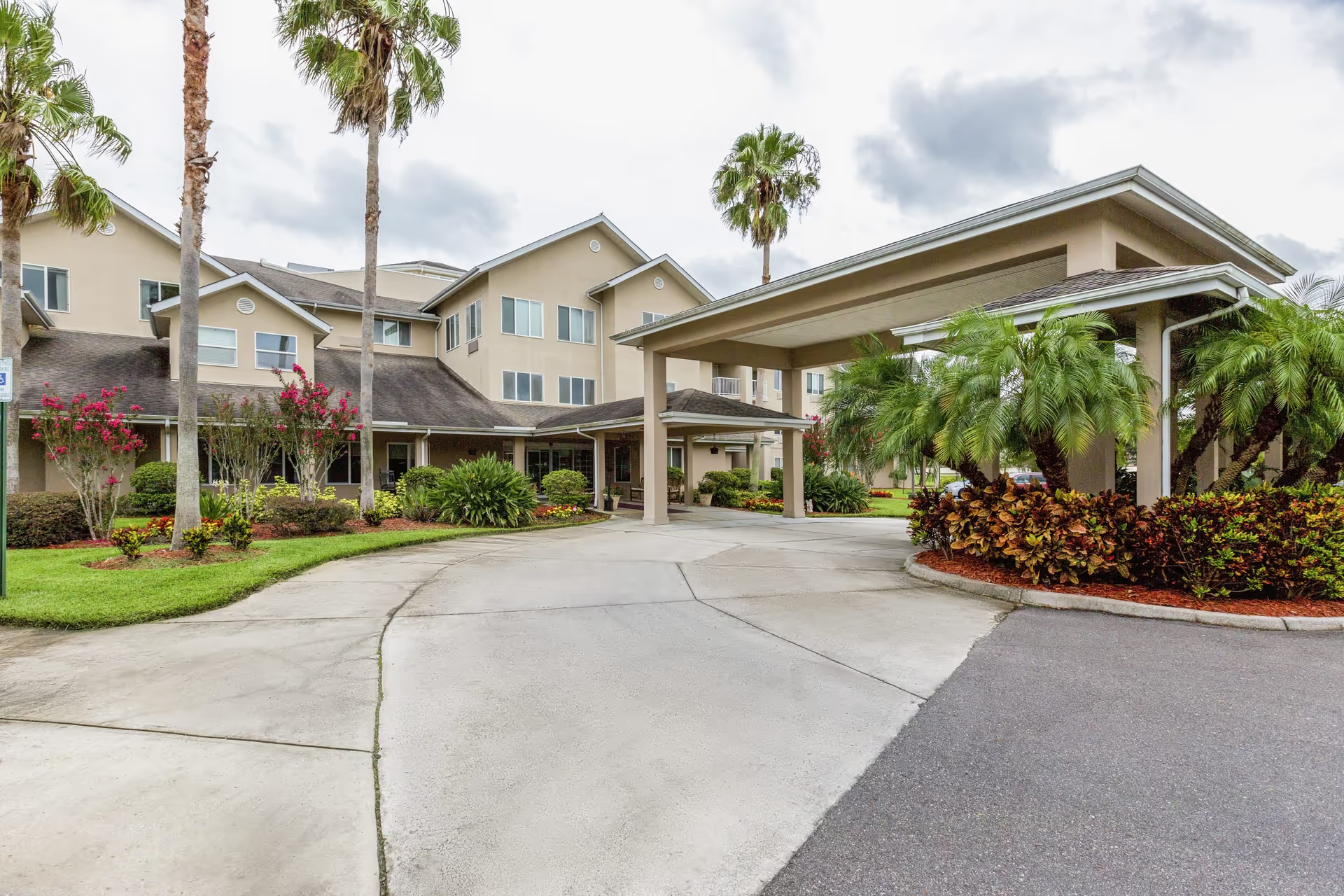
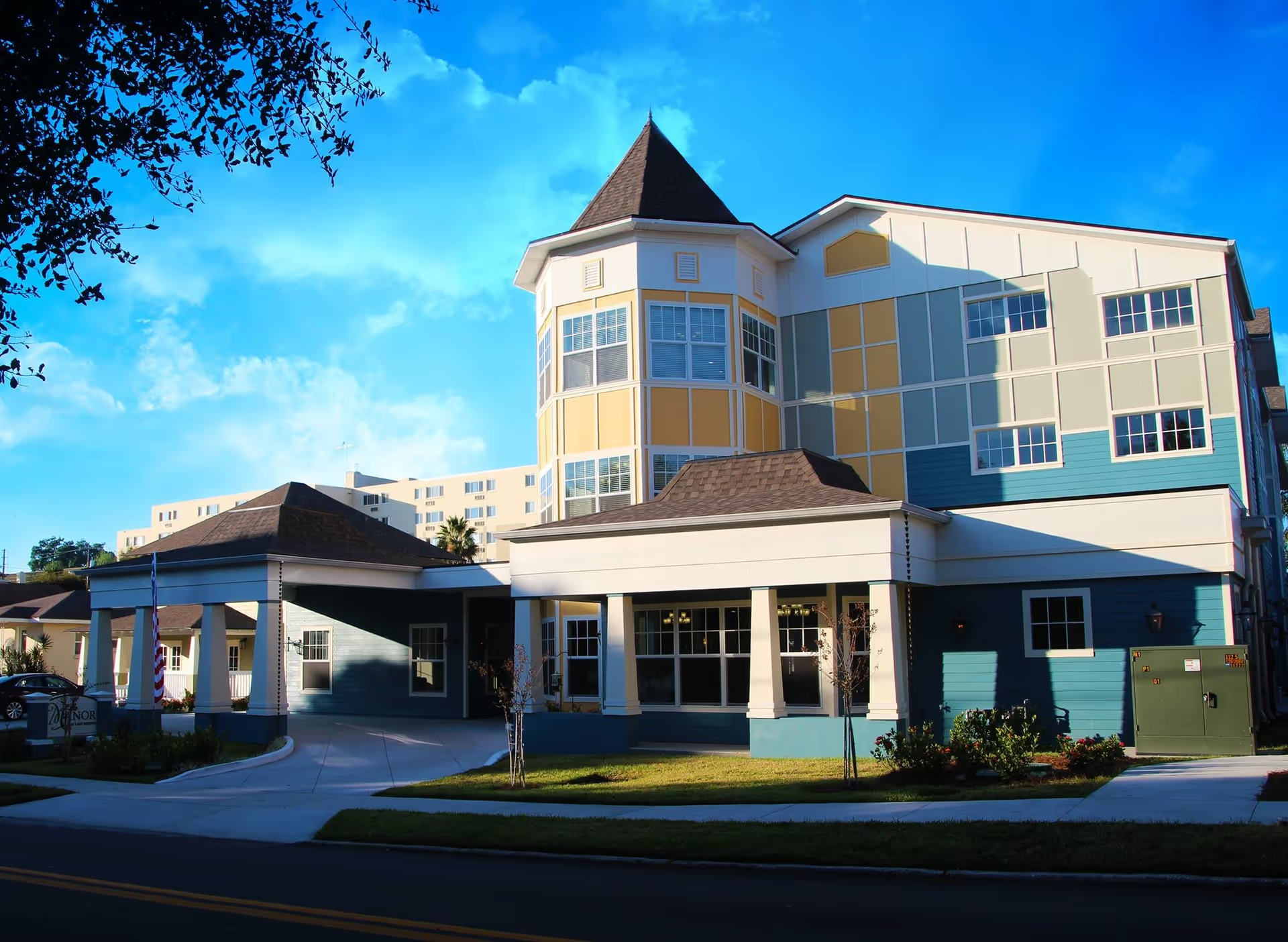
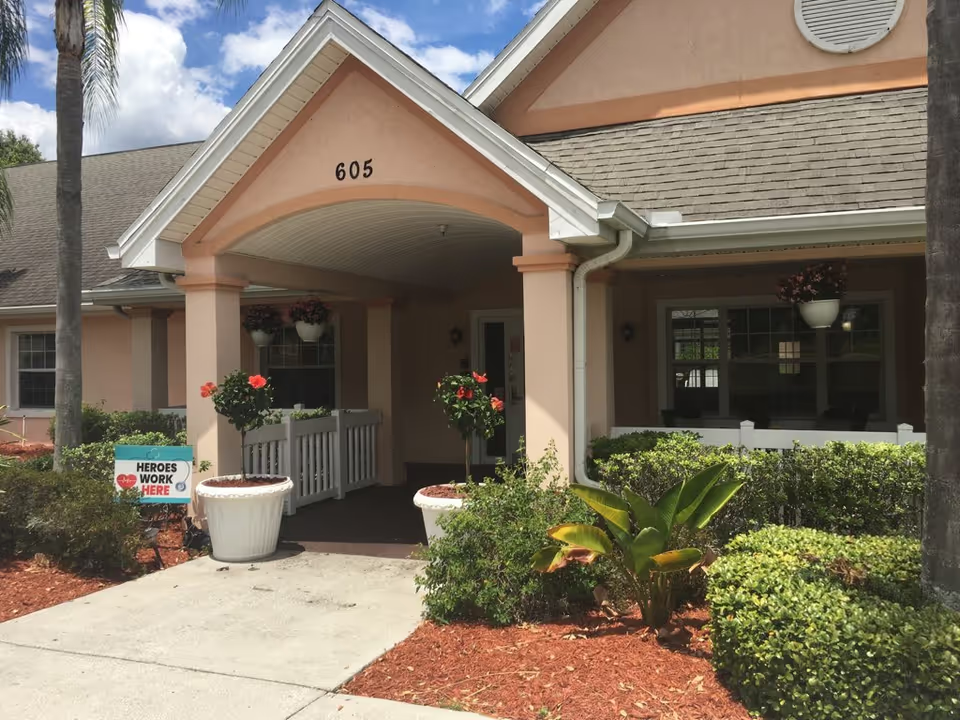
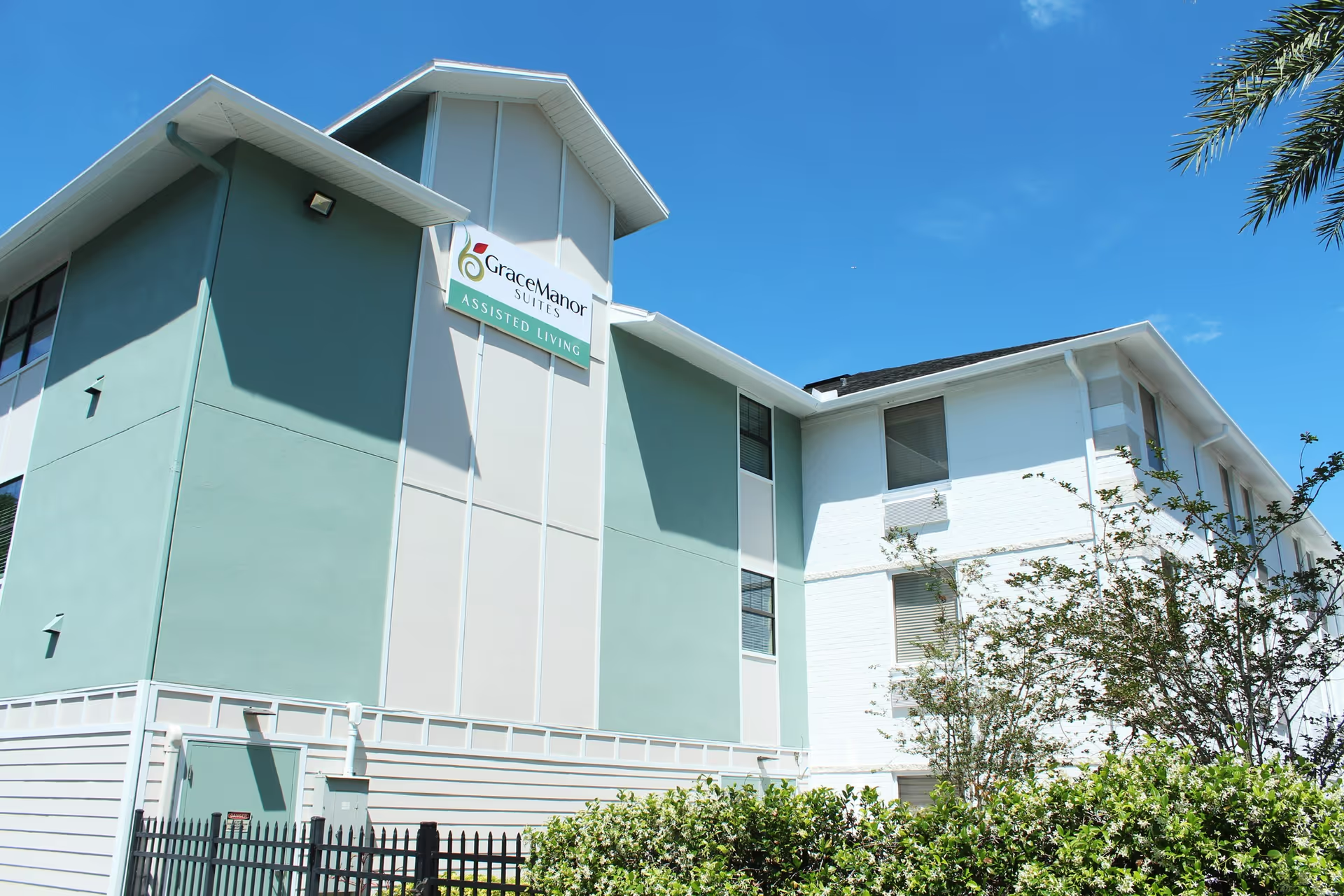
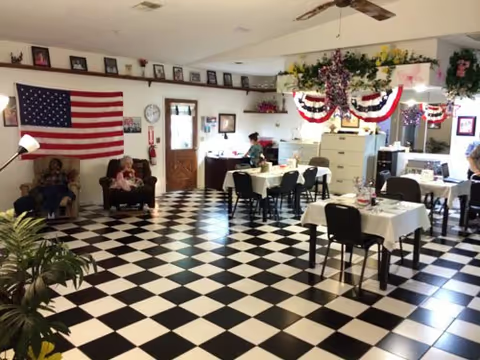
Hawthorne Inn of Lakeland is described predominantly as a small, household-style senior community with a strong emphasis on personalized, dementia-capable care. Reviewers consistently highlight compassionate and attentive caregiving, a well-trained memory-care team, and a secure locked neighborhood for residents with cognitive impairment. The facility’s layout — often described as a town-square or village concept — and active common areas support socialization, and routine clinical supports such as a doctor-on-call and regular safety checks are noted.
Staff quality and direct care are the facility’s principal strengths. Families and residents frequently cite caring, personable aides and nurses, timely hospital notifications, and administrative assistance with insurance and Medicaid. Activity staff receive positive comments for a broad, structured calendar that includes musical entertainment, crafts, games, exercise, outings and shopping trips; these programs appear to contribute to an engaged resident population. The community atmosphere is often described as warm and family-like, which many families find reassuring.
Dining and services are also viewed favorably. Meals are characterized as home-style with varied menu options, desserts, and the ability to accommodate dietary requests. On-site amenities such as a salon, fitness room, ice cream parlor, and larger apartments with kitchenettes are cited as added conveniences. Routine support services like weekly laundry and scheduled transportation further support resident needs.
Several operational and facility-level weaknesses recur across feedback. Cost is a consistent concern: the community is perceived as relatively expensive and may present affordability issues for some families, particularly with Medicaid. Reviewers note parts of the facility and some rooms feel dated and would benefit from updates. There are also periodic operational gaps, including staffing shortages or turnover that can affect responsiveness, limited weekend administrative presence, and variability in family communication. Specific service-process issues such as inconsistent bathing/toilet and laundry handling and occasional odor concerns in memory-care areas are mentioned and merit direct inquiry during a tour.
The setting itself is generally clean and well-maintained inside but is described as somewhat isolated, with limited outdoor walking areas and low walkability to nearby restaurants. Proximity to a large clinic/hospital is a practical advantage, but the lack of immediate neighborhood walkability may matter to families who prioritize outdoor access and walking paths. Management receives mixed notes: many families praise helpful administration and good organization, while a minority point to periods of declining standards or perceived management inaction.
In sum, Hawthorne Inn of Lakeland appears to suit families seeking a smaller, community-oriented facility with strong dementia care, robust activities, and attentive staff. Prospective residents and families should verify current staffing patterns, weekend administrative coverage, unit-specific maintenance and update status, outdoor-access options, and detailed cost/insurance arrangements during an in-person visit to confirm fit and address the operational concerns noted above.