Overall impression: The Manor at Lake Morton is consistently described as a clean, well-maintained assisted-living community with a strong emphasis on person-centered service. Reviewers highlight an environment that feels welcoming and home-like, supported by a team that many families describe as compassionate, attentive and communicative. Housekeeping, infection-control practices, and overall sanitation are frequent strengths in the commentary, and the property’s relatively recent construction contributes to a modern, updated presentation.
Care and staff: Care quality is portrayed positively across reviews, with repeated praise for front-line caregivers, activity staff, and on-site leadership. Families note respectful interactions, responsive communication from management, and involvement from named staff members who facilitate outings and engagement. End-of-life and dementia-related supports are described empathetically by staff, and several families cited consistent availability of management to address concerns. At the same time, the community operates as assisted living only; families seeking higher clinical levels of care should verify clinical capabilities before placement.
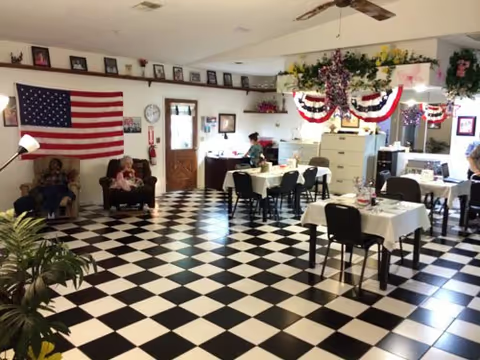
Dining and activities: Dining is generally viewed as a strength — described as fresh, varied, and enjoyable by many residents — though a minority of comments indicate variability in meal satisfaction. The activity program is robust and frequent, with a calendar that includes arts and crafts, bingo, movies, exercise, regular trips (shopping and lake visits), and salon services. Residents appear to have many options for structured and social engagement, including use of a library, courtyard, and organized outings facilitated by shuttle service.
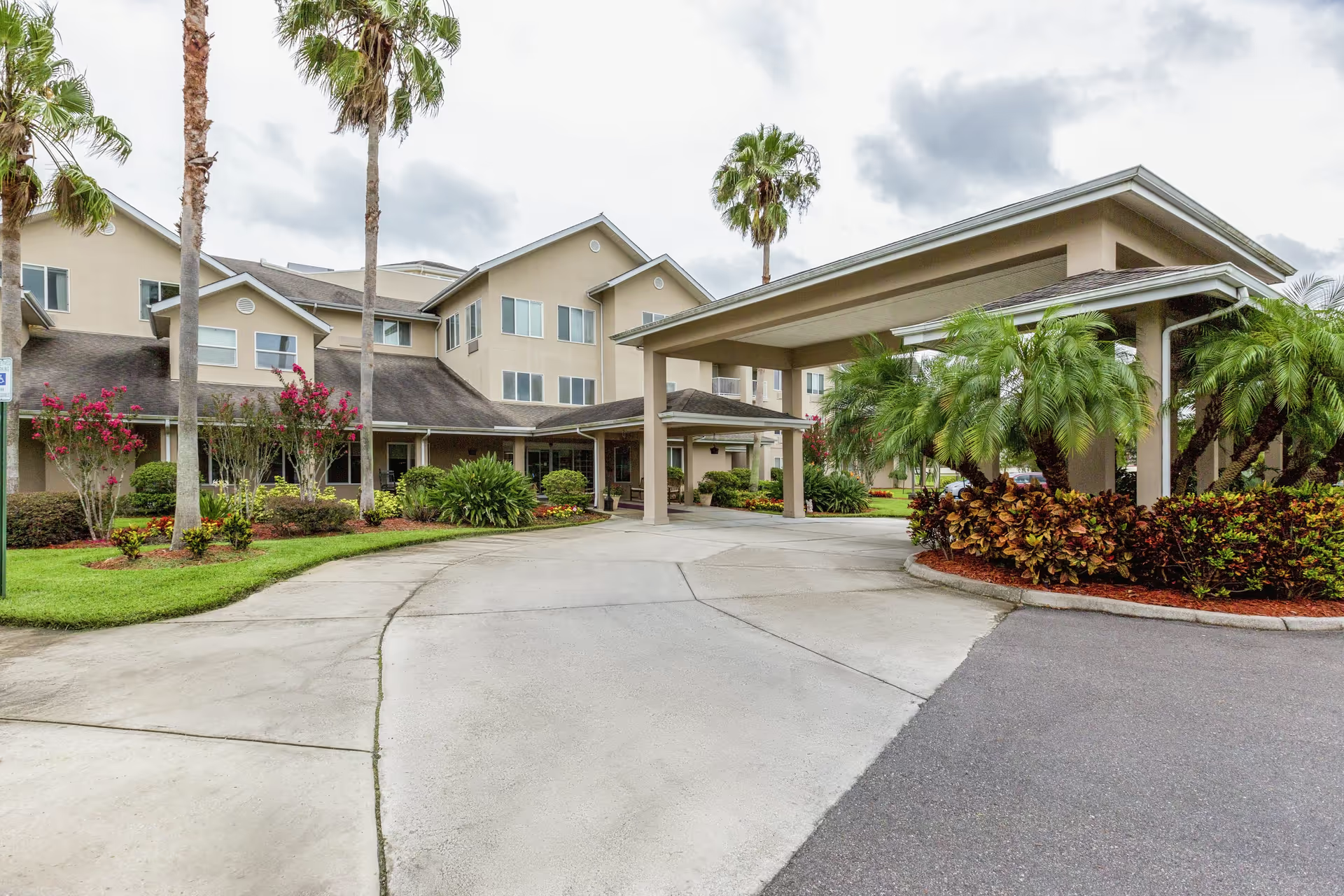
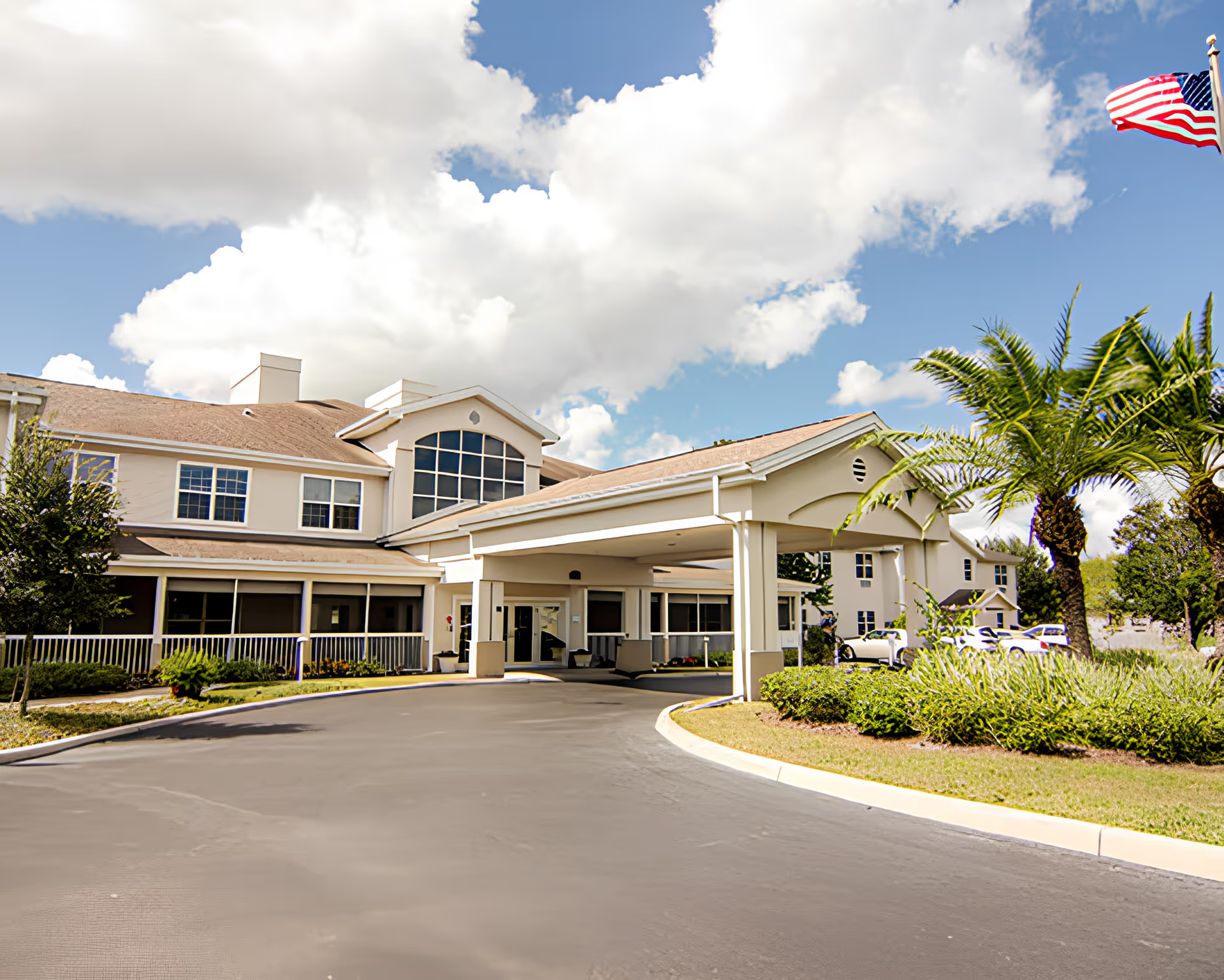
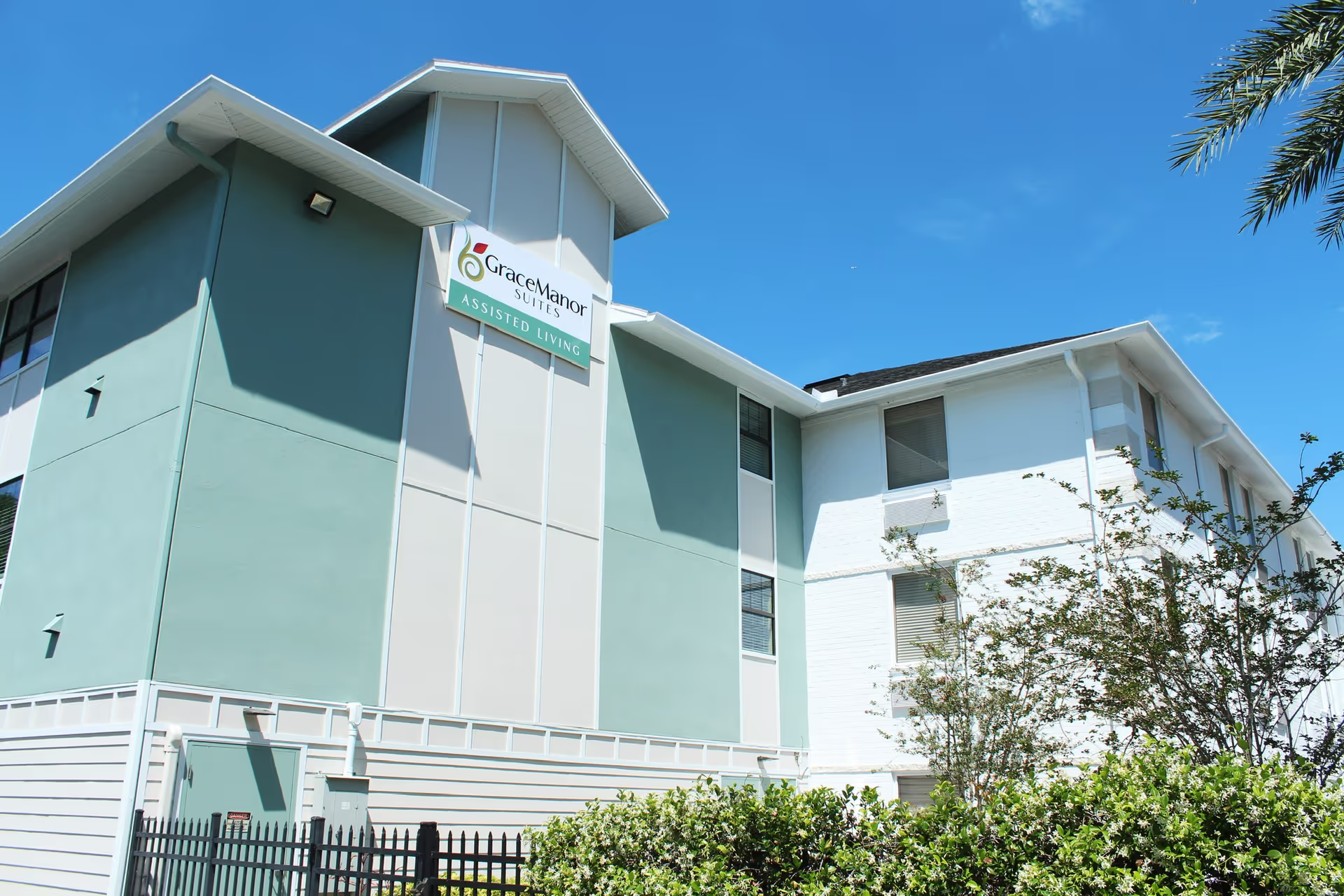
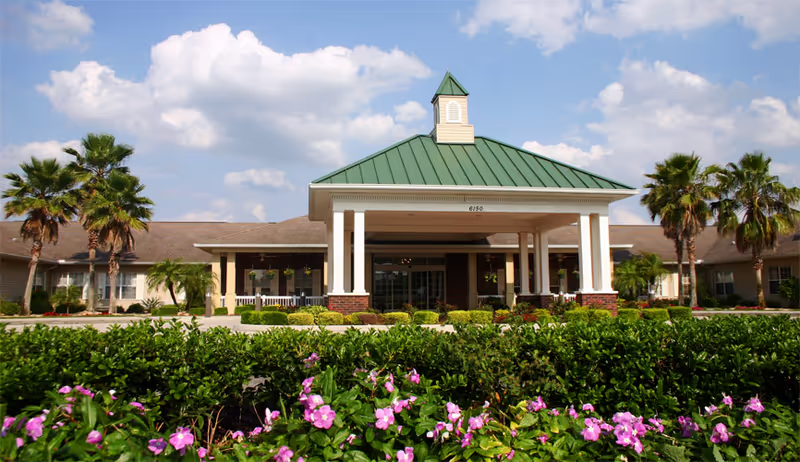
Facilities and location: The physical plant is newer and well-kept, with clean apartments, updated finishes, and some units offering larger floor plans and full-size refrigerators. The property’s downtown Lakeland location and proximity to a lake are attractive features for families who value walkable access to local amenities and outdoor visits. Conversely, the immediate neighborhood character and limited green space were noted as less appealing by some; the site footprint is compact, and certain common or outdoor areas are described as small or container-based rather than expansive gardens.
Operational patterns and fit: The Manor is described as a small-to-midsize community that fosters close social connections and a family-like culture. That small scale is appealing to many families but also contributes to perceptions of limited communal space. Several families described a smooth, communicative move-in process, while a few noted that initial transitions required adjustments; this suggests variability in early onboarding experiences. Also, the resident population includes a substantial number of individuals with cognitive impairment, which will influence social dynamics and may affect suitability for residents who prefer a different acuity mix.
Recommendation guidance: For prospective residents and families, the Manor’s clear strengths are its staff responsiveness, cleanliness, active programming, and newer facilities. It is well-suited to people seeking a warm assisted-living environment with frequent social programming and reliable housekeeping. Families requiring higher medical or dementia-specific clinical services, who prioritize expansive outdoor grounds, or who are sensitive to neighborhood context should confirm clinical capabilities, unit sizes, and outdoor-access options during a tour to ensure the community is the right operational fit.