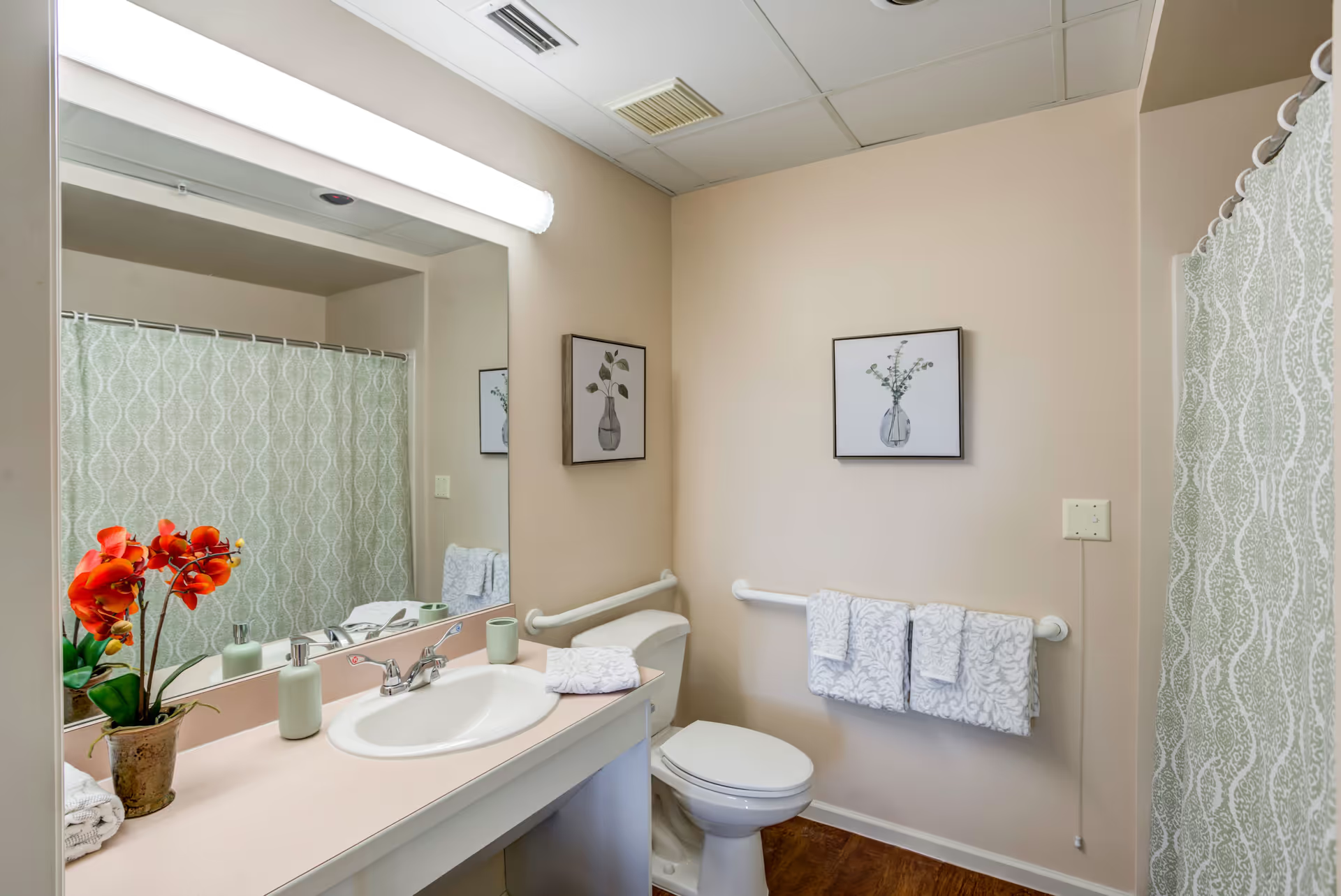
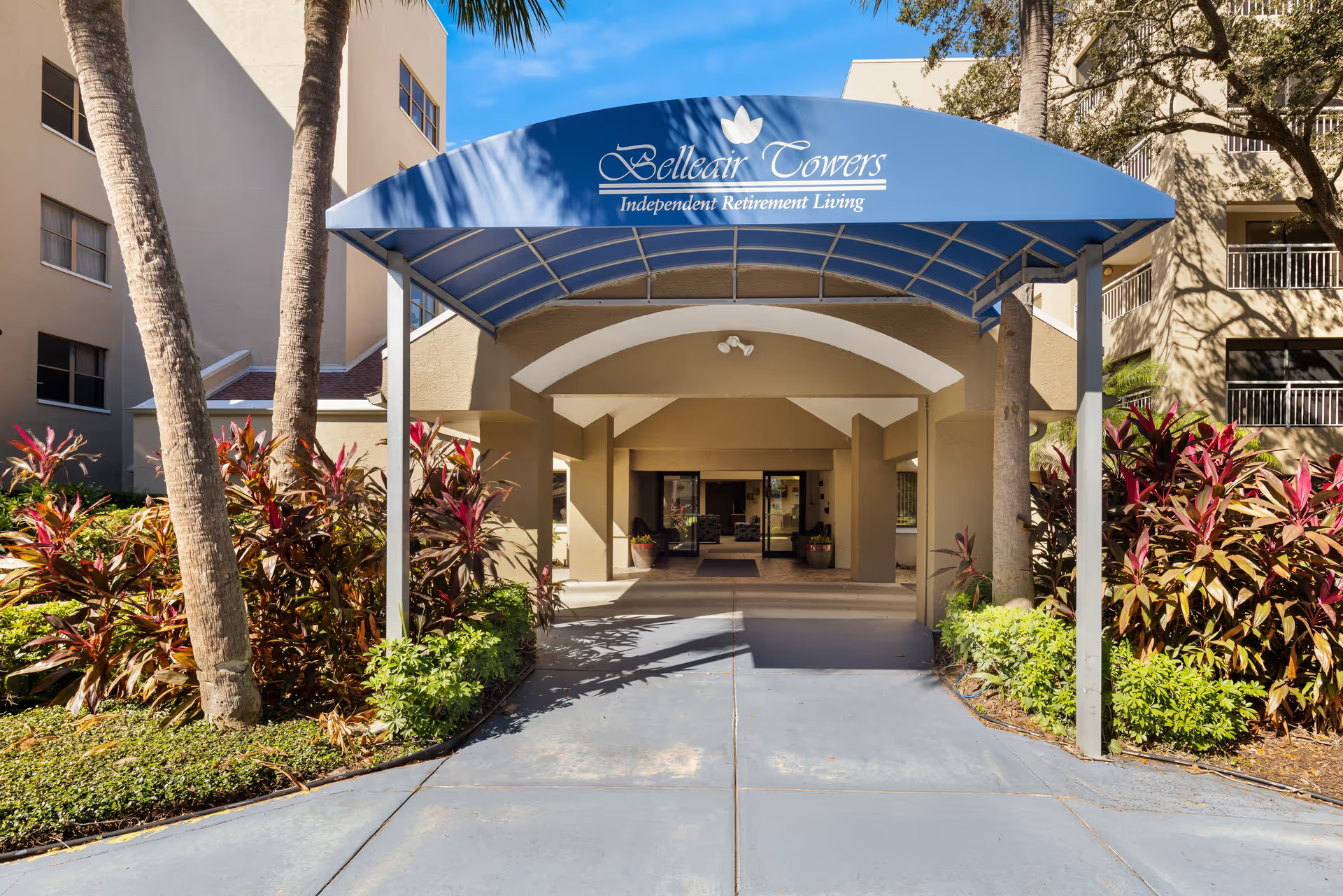
The Barrington is frequently described as an attractive, amenity-rich senior living community with a strong emphasis on social programming and a resident-focused culture. Reviewers commonly cite compassionate direct-care staff, a lively activities calendar (including outings, themed events, entertainers, and daily classes), and chef-prepared meals as core strengths. Apartments and common areas are often characterized as spacious, bright, and well landscaped, with on-site amenities such as a pool, gym, salon, and therapy services that support an active lifestyle.
Care quality is generally viewed positively for assisted and independent-living needs: many families praised attentive aides and nursing support, timely assistance during transitions, and visible staff engagement with residents. At the same time, recurring operational concerns appear around staffing consistency and clinical reliability. Several accounts indicate delays in responding to call lights, inconsistent medication timing or documentation, and variability in the hands-on care experience. These suggest that staffing levels and clinical-process controls can be uneven at times.
Dining and activities are prominent strengths, but not uniformly so. Numerous reviewers praised the dining program, special menus, and flexible dining options, while others described variability tied to chef availability and menu repetition. The activities program is robust during daytime hours and weekdays, with many social and educational options; however, reviewers also note limited evening and Sunday programming in some periods and pandemic-related restrictions that reduced communal activities in the past.
Facility amenities and upkeep are frequently highlighted: well-kept grounds, attractive communal spaces, and functional apartment features such as balconies, kitchenettes, and large closets. Conversely, there are repeated notes about inconsistent housekeeping and maintenance follow-through, occasional HVAC or utility interruptions, and an older building footprint in places that may need ongoing refurbishment. Accessibility and transfer supports were raised as considerations for prospective residents who require higher levels of physical assistance.
Management and administrative themes are mixed. Positive experiences include proactive move-in assistance, staff who facilitate insurance/financial navigation, and individual staff members who go above and beyond. Offsetting that are recurring concerns about leadership turnover, lapses in family communication (especially around clinical incidents or hospital transfers), and uneven handling of contracts, billing, and refunds. Prospective residents should verify contract terms, refunds, and fee policies in writing before committing.
Overall patterns indicate The Barrington is a strong fit for socially engaged, largely independent seniors or those requiring moderate assisted living support who value activities, communal dining, and attractive grounds. Families considering higher-dependency care, memory-specific services, or absolute consistency in 24/7 clinical responsiveness should verify current staffing levels, medication-administration procedures, memory-care availability, and emergency/evacuation plans. A recommended approach is an in-person tour, direct conversations with clinical leadership about medication and incident protocols, and written clarification of financial and care-transition policies prior to move-in.