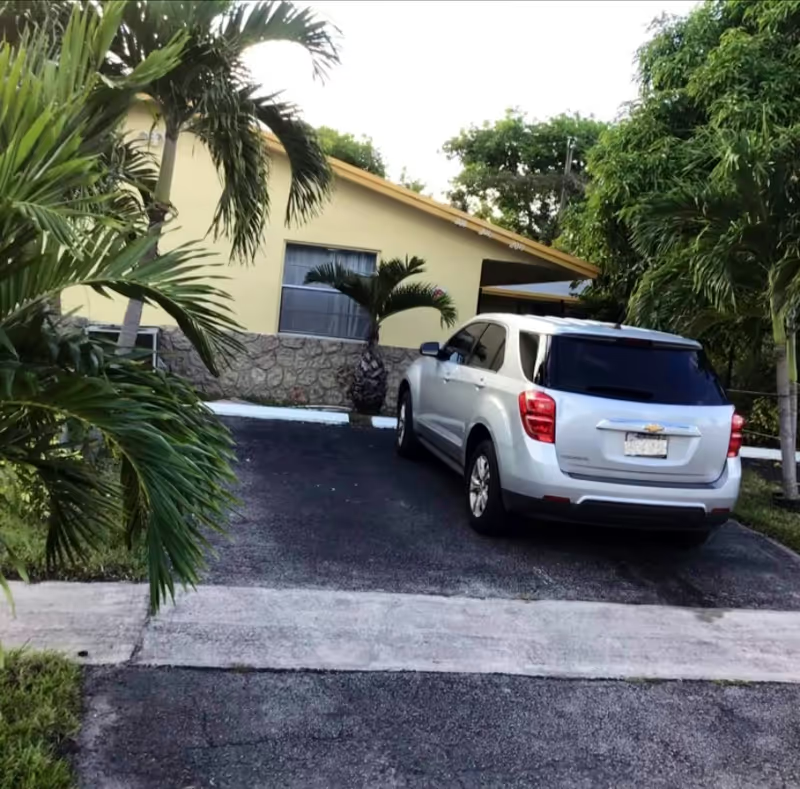
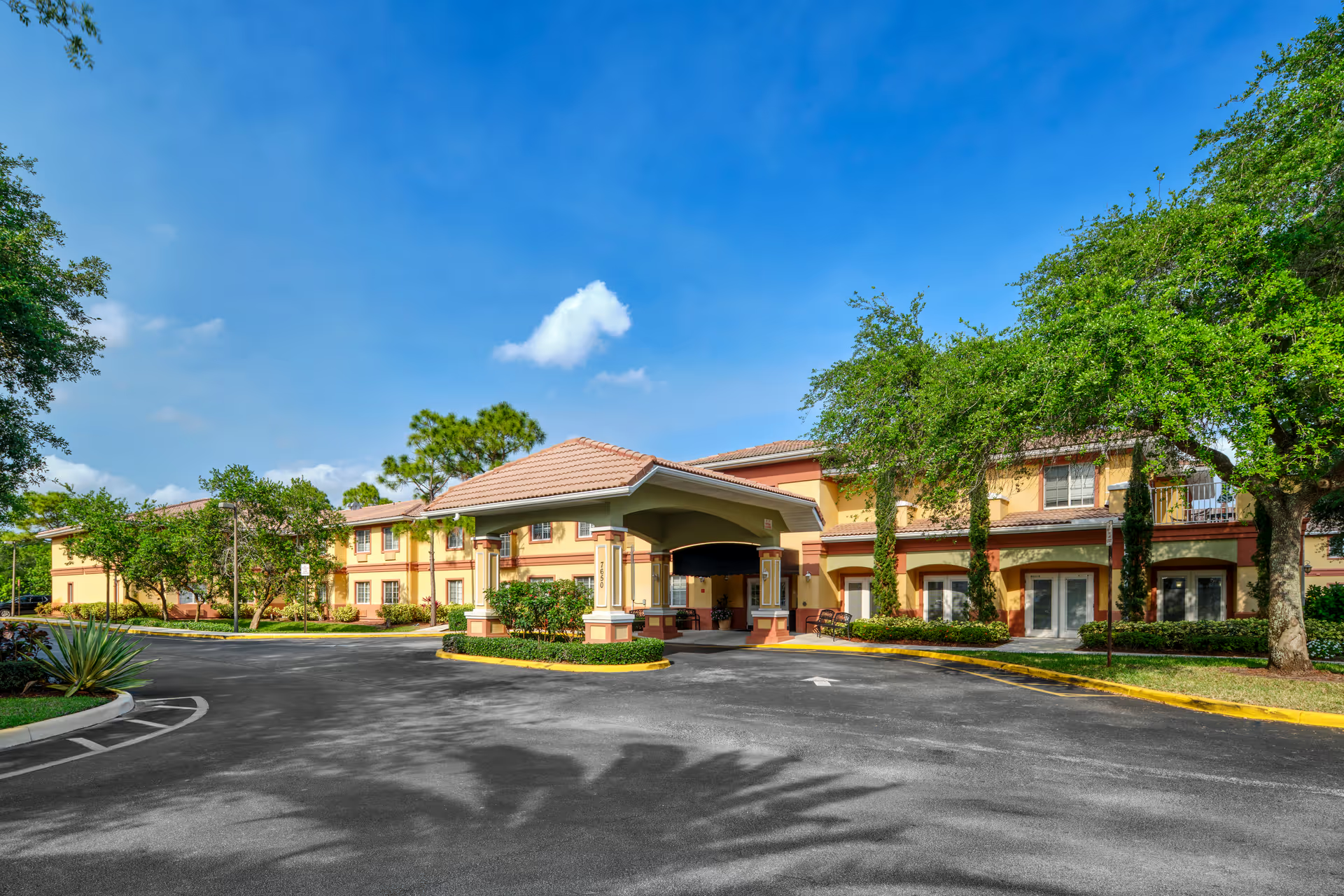
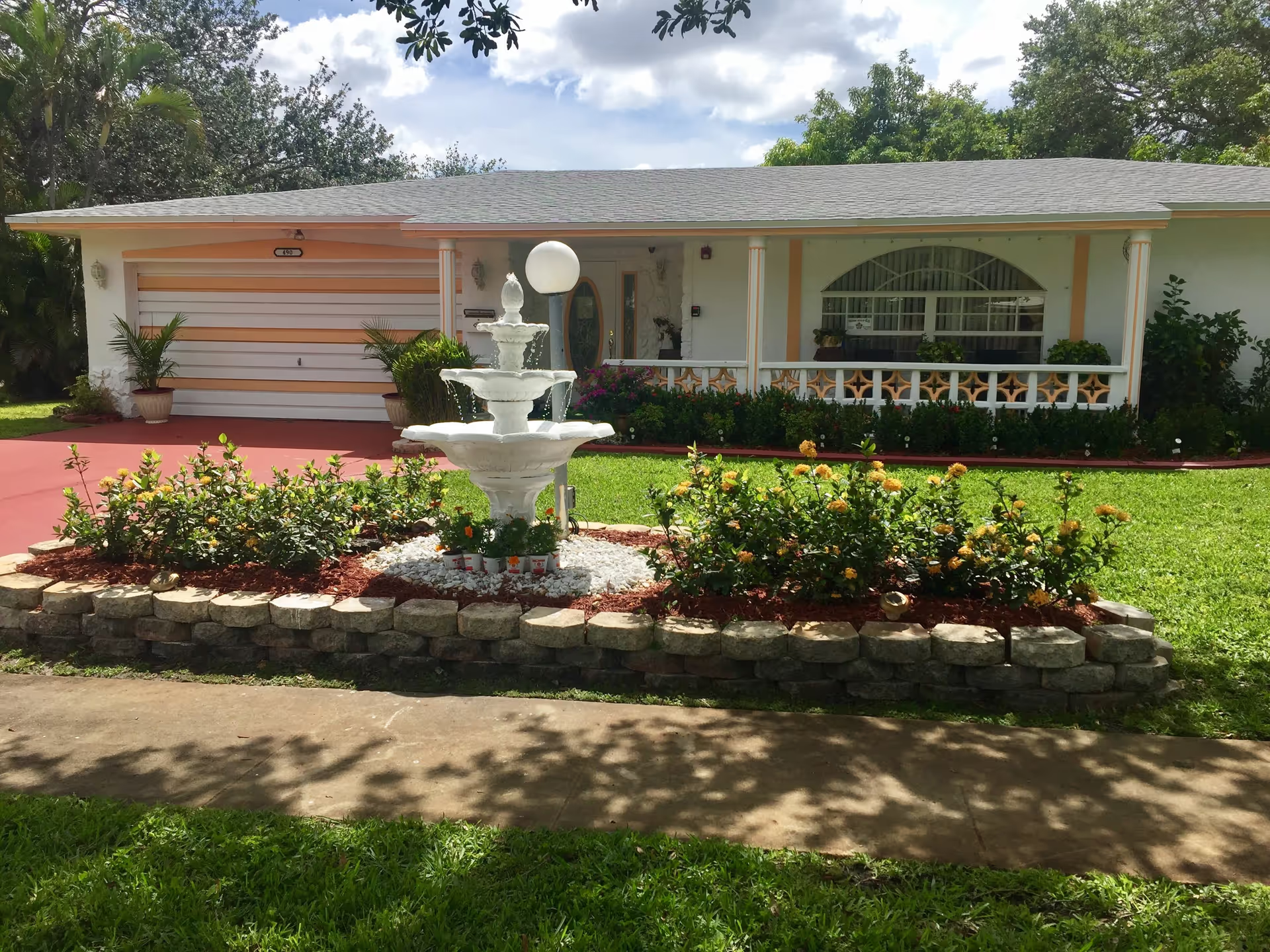
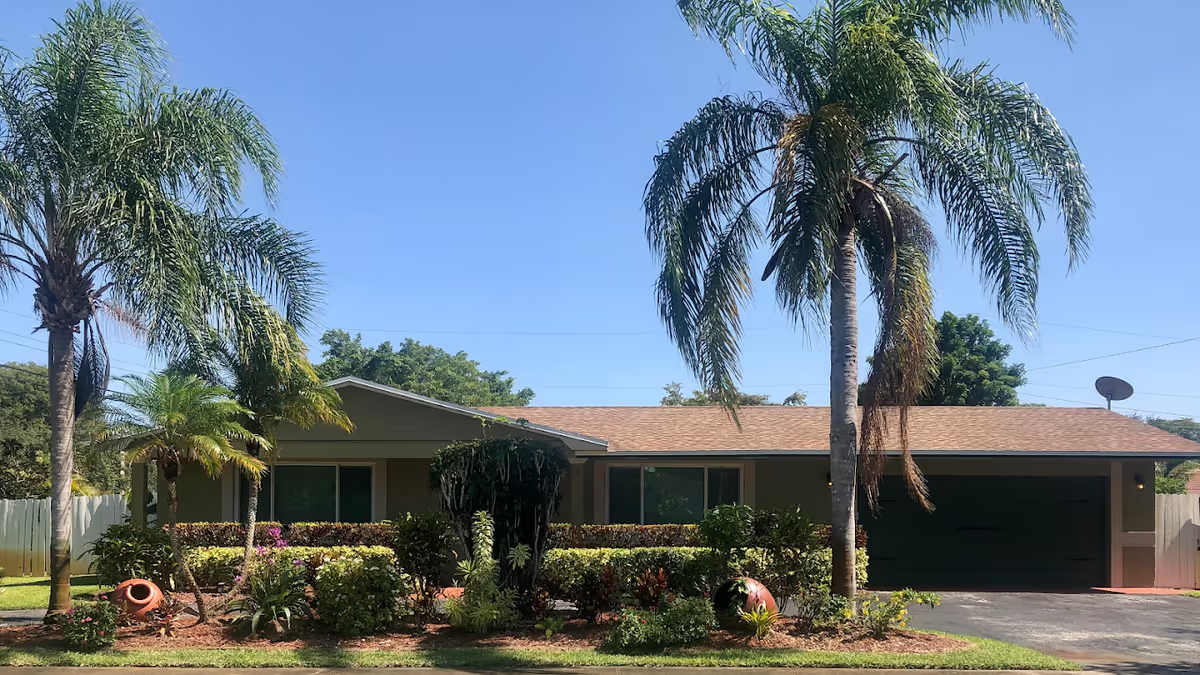
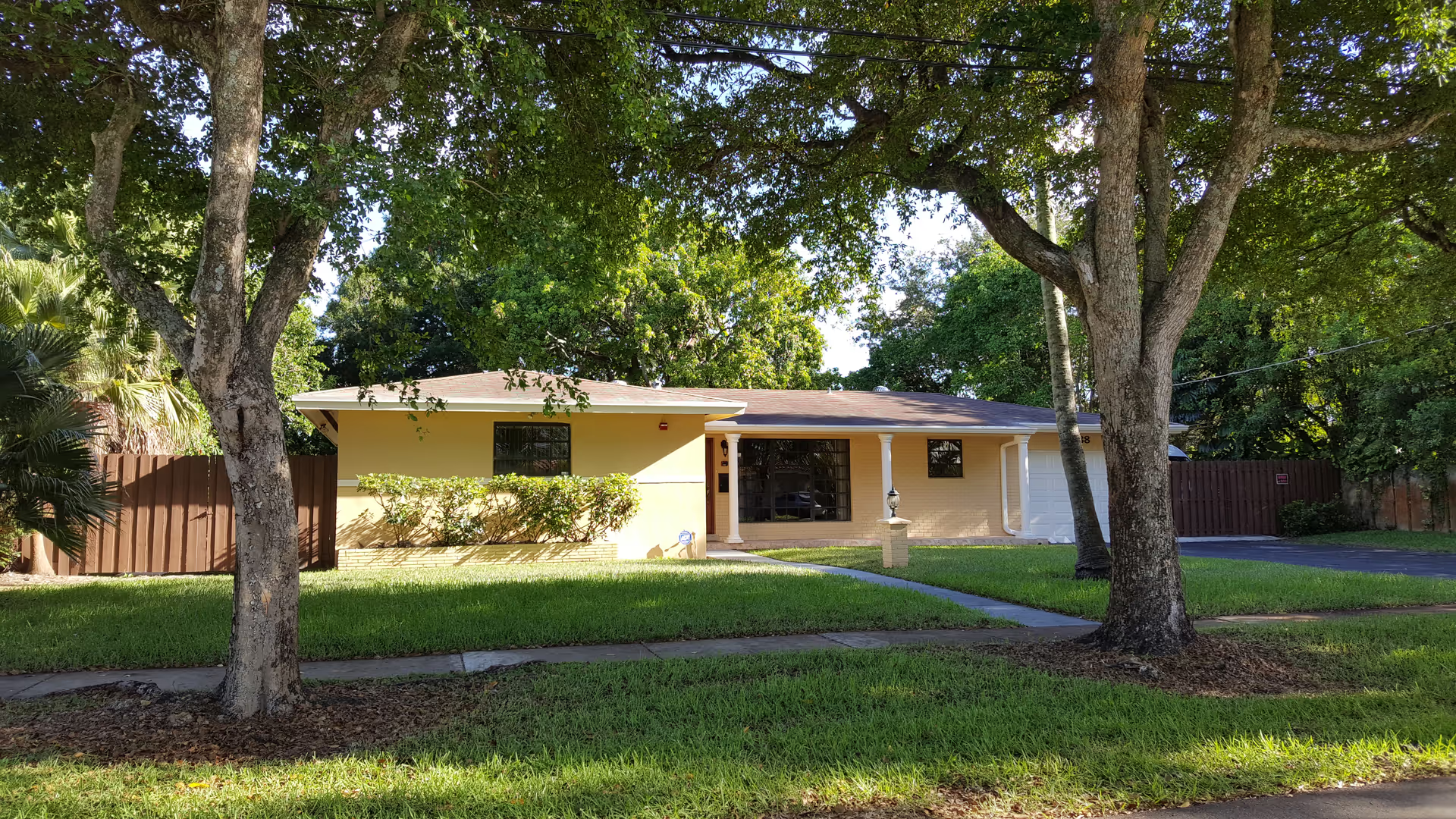
The Bridge at Inverrary is described overall as a small, well-maintained assisted-living community with a strong emphasis on a pleasant physical environment and personable caregiving. Reviewers consistently highlight a clean, recently renovated facility with hotel-like common areas, private dining options, and a range of on-site amenities (pool, game room, movie room). Many families valued the intimate scale of the community, the deluxe efficiency apartment options, and the availability of on-site hospice/end-of-life services.
Care quality and staff performance are frequently cited as strengths. Numerous comments point to compassionate, attentive nurses and caregivers who know residents by name, proactively check in, and assist at mealtimes. Families note helpful clinical coordination (physical therapy setup, podiatry visits) and a willingness by staff to accommodate requests. At the same time, reviewers raised operational concerns that prospective families should verify in person: staffing levels can be inconsistent—particularly on weekends—creating perceptible gaps in coverage; transfer and mobility-assistance practices appear uneven, with limited availability of two-person lift support cited; and the community’s memory-care suitability for residents with advanced dementia or significant mobility needs is not consistently aligned with expectations.
Dining receives mixed but mostly positive remarks. Several reviewers praised the food quality, courteous dining staff, and the ability to deliver meals on request or accommodate special needs. Other reviewers described small portion sizes and a tendency toward blander preparations when strict dietary restrictions are applied, and noted variability in meal portions. There are also occasional comments about higher pharmacy or vendor costs associated with the community.
Activity programming is a clear asset in many accounts: there is a steady calendar of offerings including chair exercise, bingo, walking clubs, outings and seasonal entertainment (talent shows, choirs, pageants). These opportunities support resident engagement and social connection for many. However, a few observers felt that some residents—particularly those who are more socially isolated or who dislike common activities like bingo—would benefit from more individualized engagement, additional arts-and-crafts options, and more frequent outings.
Management and operational transparency present mixed impressions. Positive notes include proactive outreach from representatives and accommodating front-line staff. Conversely, some families experienced inconsistent communication tone from leadership and expressed concern about pressure to relocate or about unexpected changes in the billing model (transitioning from an all-inclusive flat rate to room rent plus care-level charges). Safety-related issues were raised as operational traits rather than isolated incidents: there were mentions of lapses in monitoring that allowed residents to leave without immediate staff awareness, which suggests the need to clarify supervision and exit-monitoring practices.
Bottom line: The Bridge at Inverrary offers a clean, welcoming environment with many amenities and a generally caring staff, making it a reasonable choice for older adults who need assisted living, value an intimate community, and prioritize social activities. Families of residents with advanced memory impairment, significant mobility-support needs, or those who require guaranteed two-person transfer assistance should perform targeted checks—confirm staffing levels (including weekends), transfer equipment and protocols, memory-care programming, and the current billing structure—before committing. A tour that includes direct conversations about lift availability, supervision practices, meal accommodations, and contract terms will help determine fit for specific care needs.