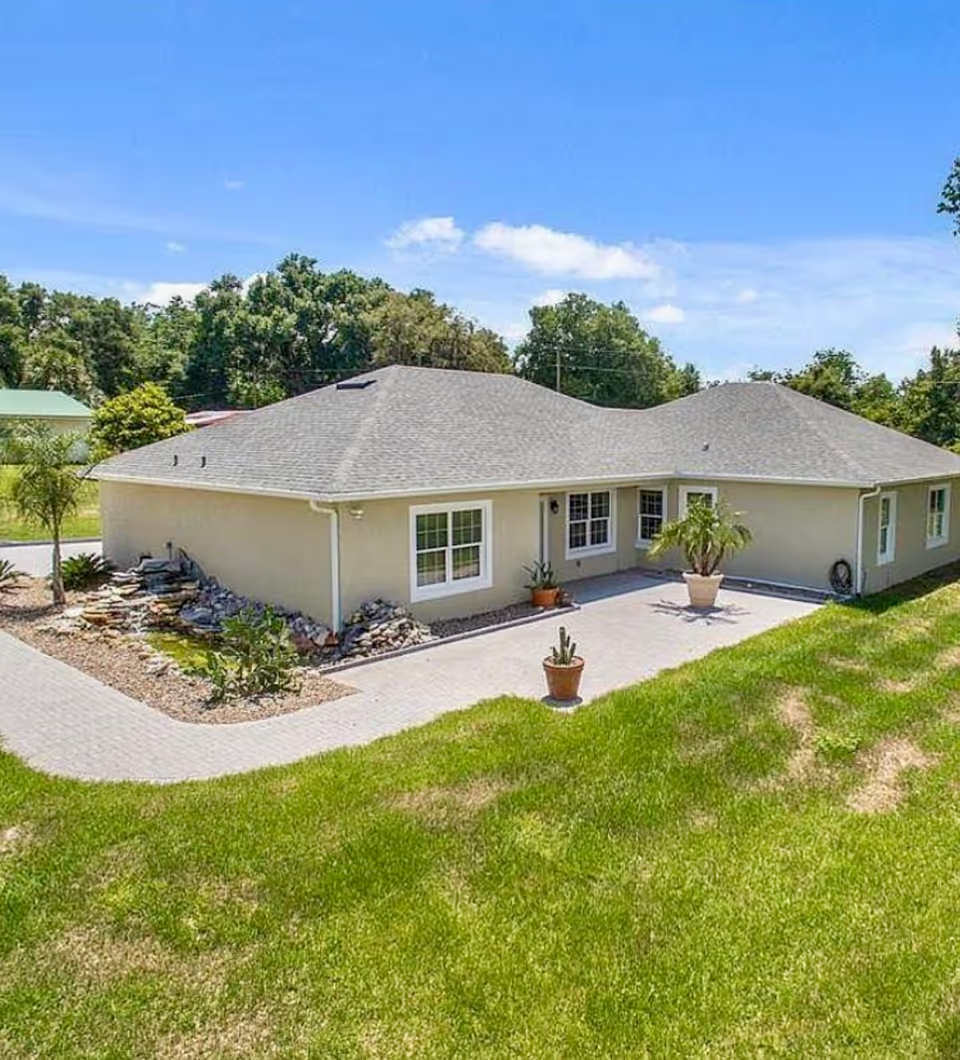
Silver Lake Village by Preferred Assisted Living is consistently described as a small, home-like assisted living community with a strong emphasis on personalized attention and a family-oriented atmosphere. Review content emphasizes a leadership team that is visible and engaged, and staff who are characterized as compassionate, attentive, and effective at managing residents with challenging behaviors. The scale of the community (noted as an eight-resident maximum) is repeatedly linked to individualized care, close staff–family relationships, and a warm, cheerful environment.
Care and staffing: Reviewers frequently highlight the facility's hands-on staff and executive director as central to the quality of care. Accounts indicate staff dedication to individual resident needs, timely attention, and a calm approach to behavioral challenges. This pattern suggests consistent training or culture that prioritizes dignity, respect, and comfort. At the same time, the small size implies a smaller staffing pool; while reviewers praise responsiveness, prospective residents should consider whether the facility's staffing model meets specific medical or around-the-clock clinical needs.
Dining and activities: Meals are described as well balanced and positively received, with families noting satisfaction with both quality and portioning. The activity program appears broad for a small community, including crafts, exercise, walks, music, games, and outdoor/quiet spaces such as a peaceful maze. This variety supports social engagement and individualized participation. Reviewers also describe common areas (sunroom, piano, lounge) that contribute to a homelike social environment.
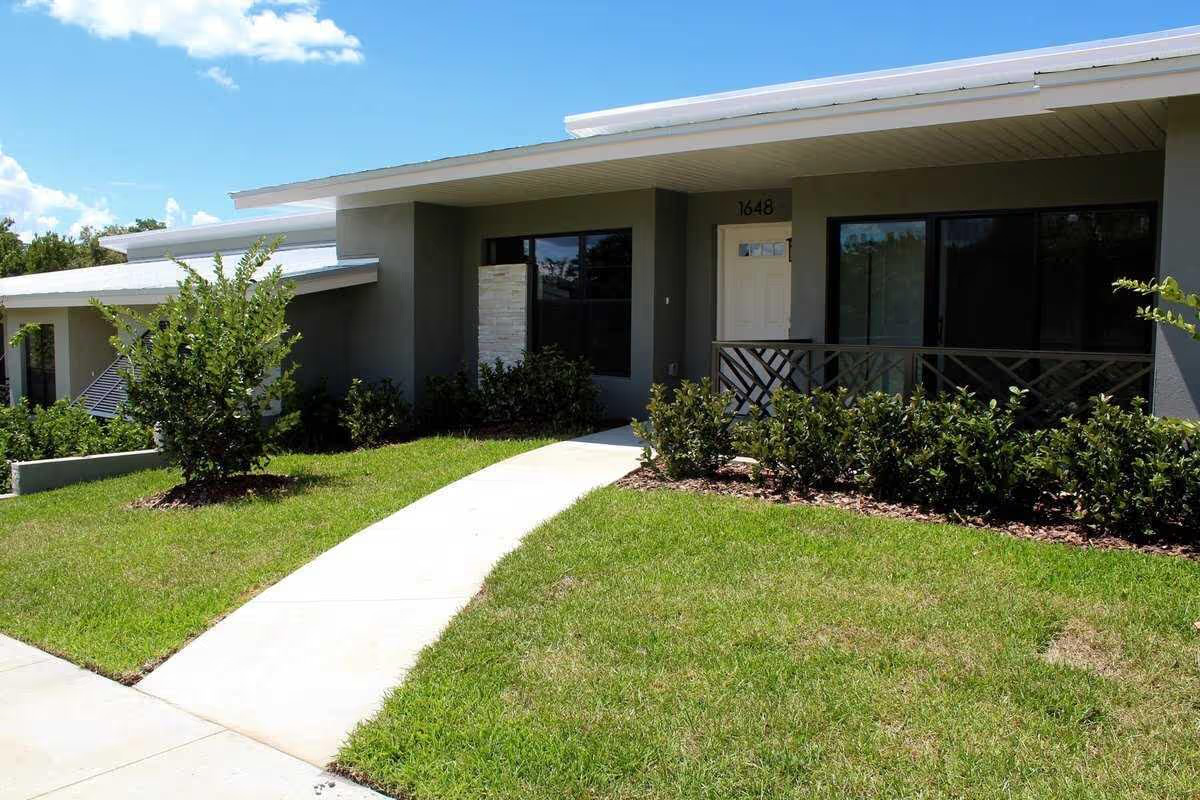
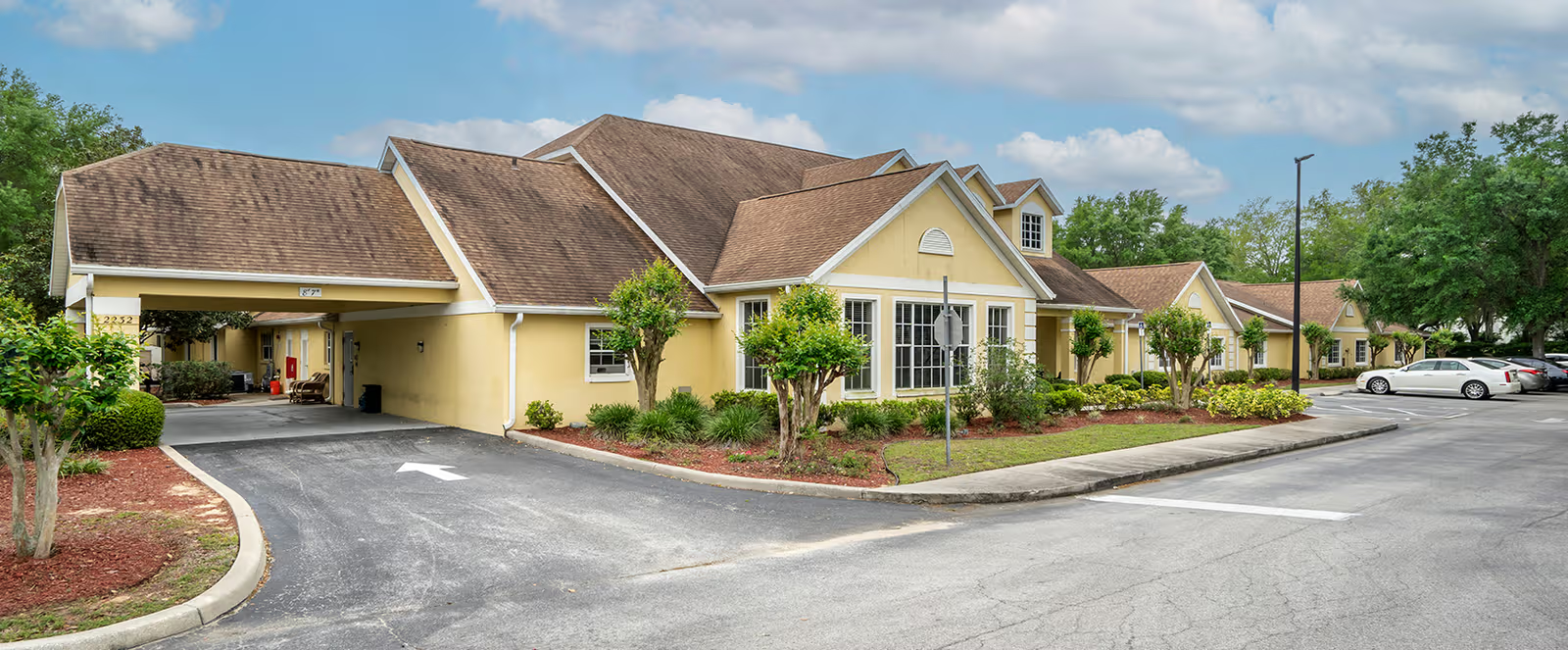
Facilities and management: The physical environment is repeatedly described as clean, bright, and comfortable, with private rooms that include internet access. The community's small scale is associated with an intimate, home-like setting rather than a large institutional feel. Management is portrayed as communicative and family-oriented, with open visitation noted as a positive operational practice. These characteristics align with a model that emphasizes relational continuity and household-style living.
Notable patterns and limitations: The dominant pattern across feedback is high family satisfaction, strong interpersonal care, and a welcoming atmosphere suited to residents who benefit from close, personalized supervision. Because the community is limited in capacity, prospective residents should weigh availability and waitlist considerations. The small-scale model may also mean fewer on-site medical specialists, therapies, or large-scale amenities that are available at larger campuses. For families seeking a tight-knit, homelike environment with individualized attention and modest physical amenities, this community appears to be a strong fit. For those needing extensive clinical services or broader campus offerings, further inquiry about clinical coverage, therapy access, and contingency staffing is advisable.