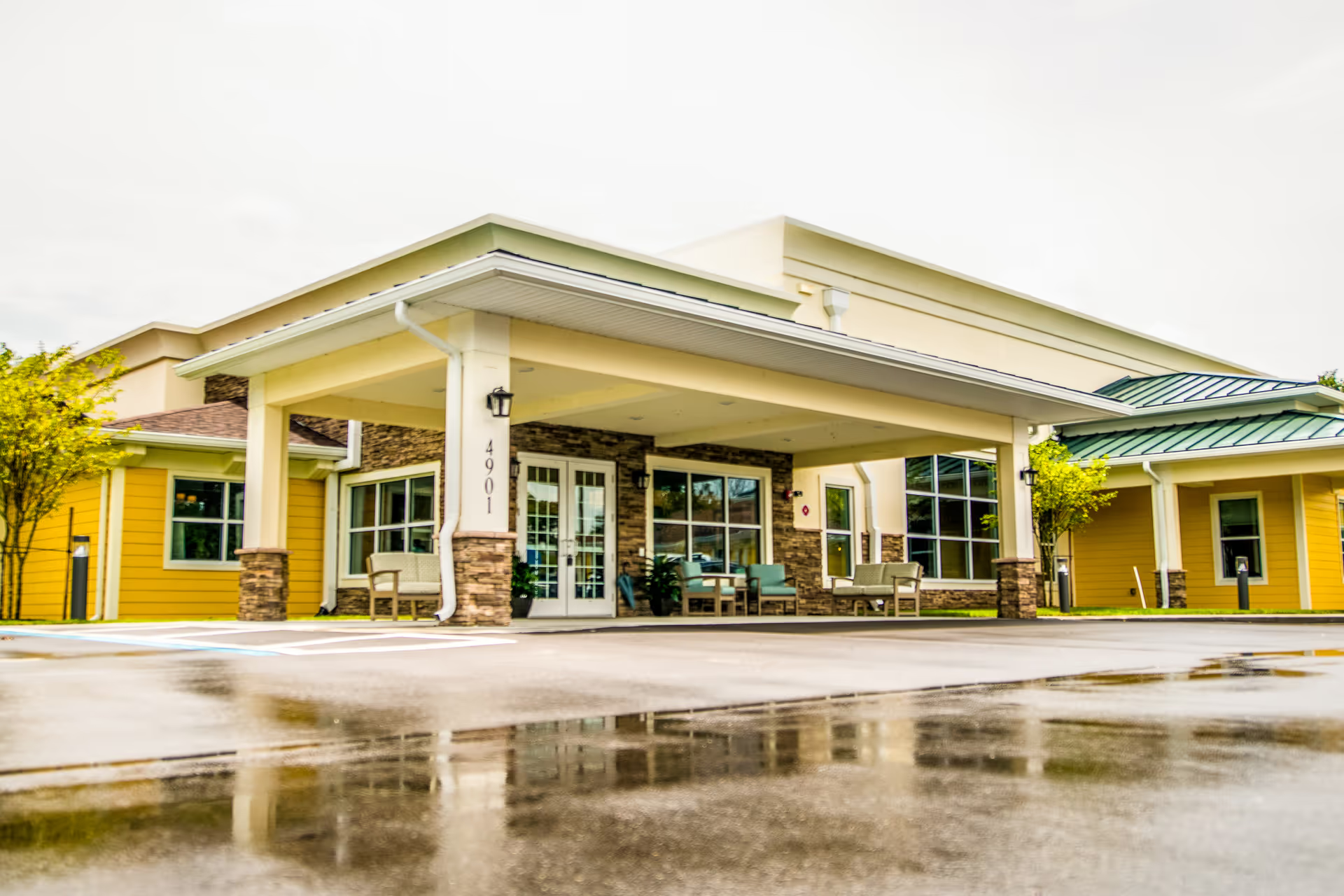
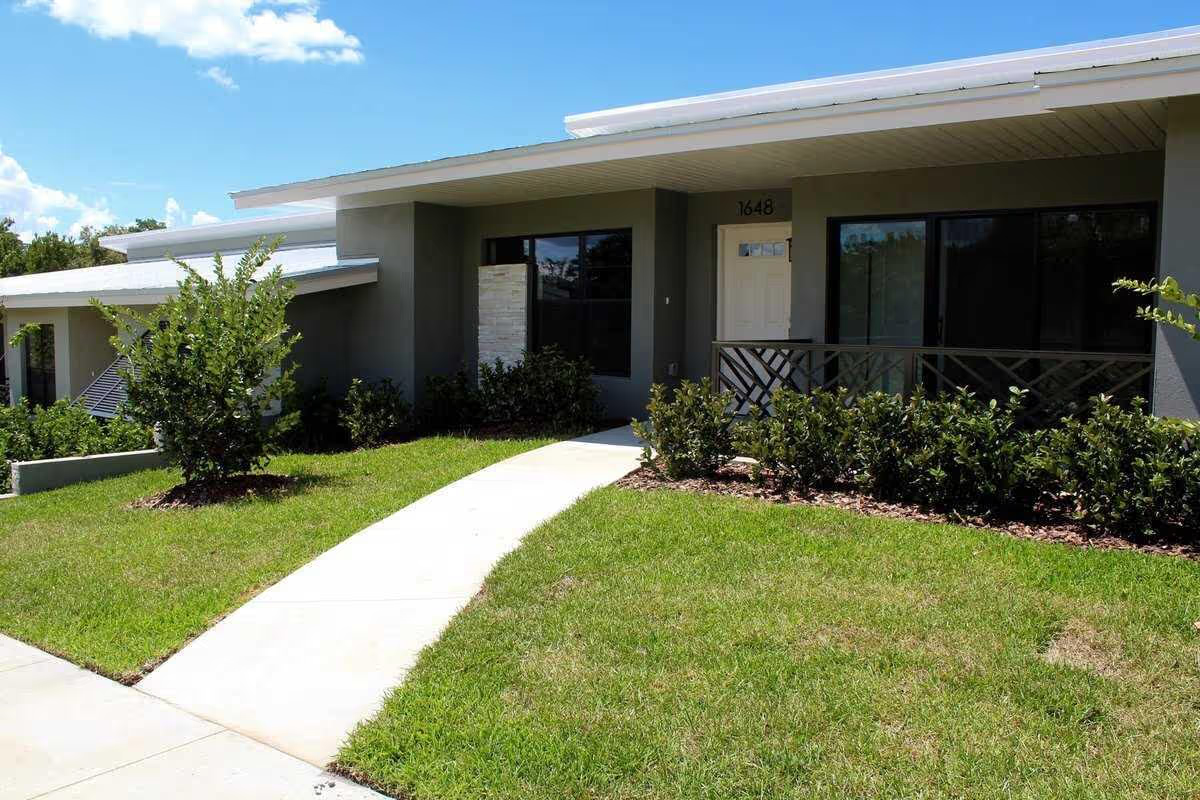
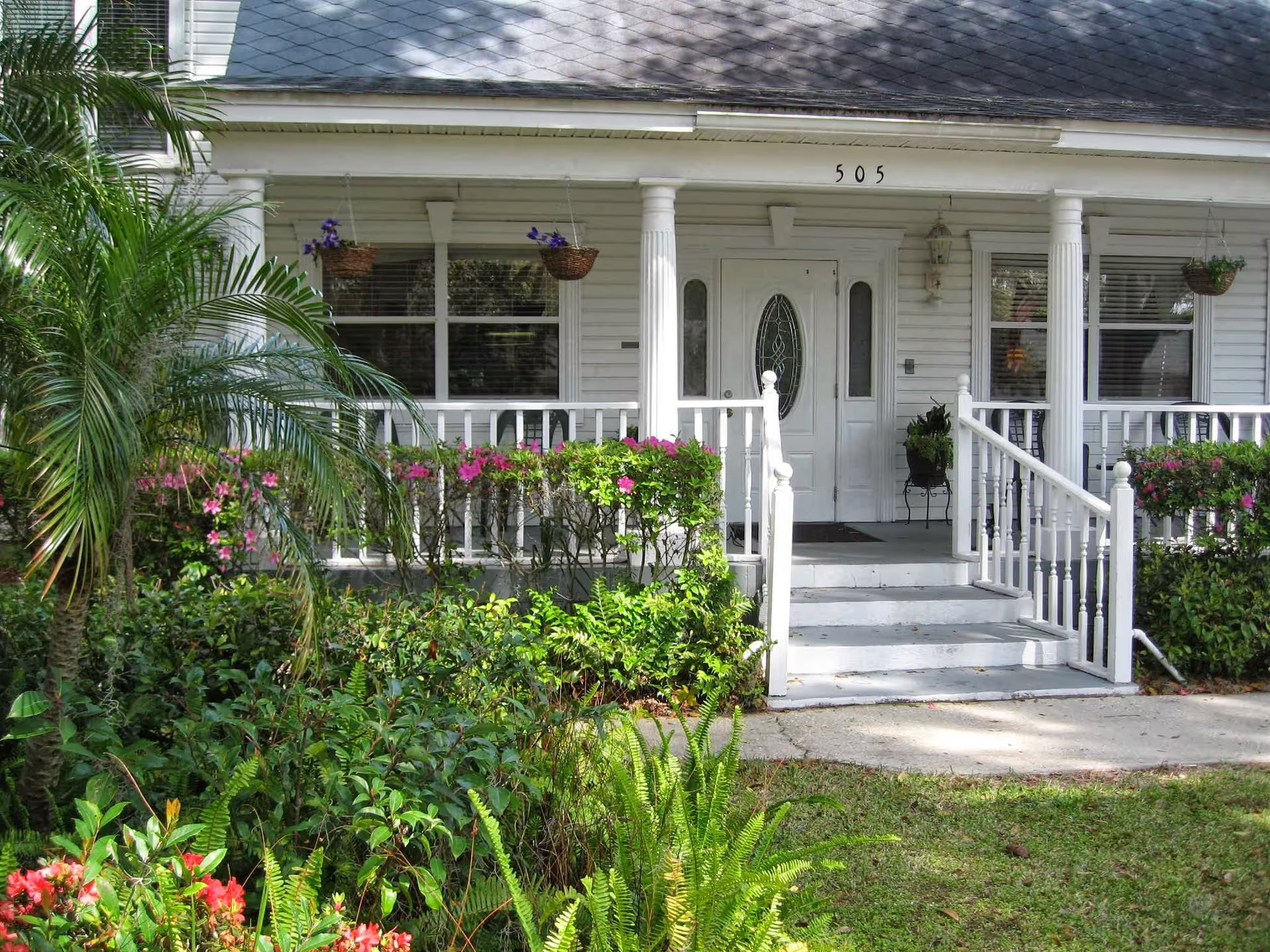
Alto Tavares presents as a well-appointed, lodge-style assisted living and memory-care community with a strong emphasis on social engagement, scenic amenities, and in-house dining. Many families described the facility as clean, attractive, and thoughtfully landscaped, with screened porches, courtyards, and lakefront views that reinforce a residential, non-clinical atmosphere. The community includes a range of apartment sizes (including two-bedroom units), weekly housekeeping and laundry, and convenient access to nearby shopping and highways.
Clinical and caregiving strengths are a prominent theme. Reviewers frequently praised the compassion and attentiveness of nursing and direct-care staff, noting staff who know residents by name, provide personalized engagement, and adapt care plans as needs change. The community markets specialized Alzheimer's and memory-care programming, with a higher memory-care staffing ratio cited for focused dementia support. Several accounts described reassuring transitions, responsive nursing during health events, and an age-in-place approach that supports assisted living through higher-acuity stages.
Dining and activities are consistently highlighted as core strengths. The dining program is dietitian-directed with chef-prepared, freshly made meals served in a restaurant-style setting; families noted variety, daily specials, and a pleasant dining room with lake views. The activities calendar is extensive, with frequent musical shows, outings, social events, and opportunities for flexible participation. These elements contribute to residents reporting improved mood, increased socialization, and a sense of home for many families.
Despite these strengths, recurring operational concerns appear across accounts. There is variability in staff performance and reliability, which manifests as inconsistent personal-care delivery (including bathing and wound checks) and occasional lapses in clinical monitoring. Several reviewers raised concerns about medication-administration processes and clinical oversight; while many families experienced competent care, a smaller set of accounts described significant clinical issues that warrant careful inquiry during touring and admissions. Staff distraction, including personal-device use while on duty, was also mentioned as a factor affecting perceived attentiveness.
Management and service delivery show mixed patterns. Some families praised proactive leadership, clear COVID-era communication, and a smoothly managed move-in. Others identified inconsistent front-desk communication, billing issues, and variability in management responsiveness. Apartment-level maintenance and amenity reliability were unevenly reported; public spaces and common areas are often noted as well-maintained and attractive, while private-unit maintenance (for example, in-room TVs, minor repairs, or storage) can be less consistent. Dining-service timing and occasional order or delivery errors were reported by some families, suggesting that operational consistency in meal service is an area for monitoring.
Overall, Alto Tavares offers many attributes families commonly seek in a memory-care–capable assisted living community: compassionate staff, structured activities, high-quality dining, and an attractive, lakefront environment. Prospective residents and family members should weigh these strengths against operational variability described by others. Recommended due diligence includes in-person observation of staffing during different shifts, specific questions about medication-administration protocols and clinical oversight, clarification of billing and communication practices, and inspection of a prospective private unit to confirm maintenance and amenity standards align with expectations.