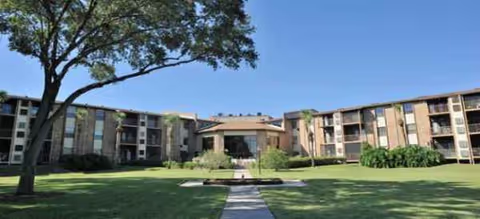
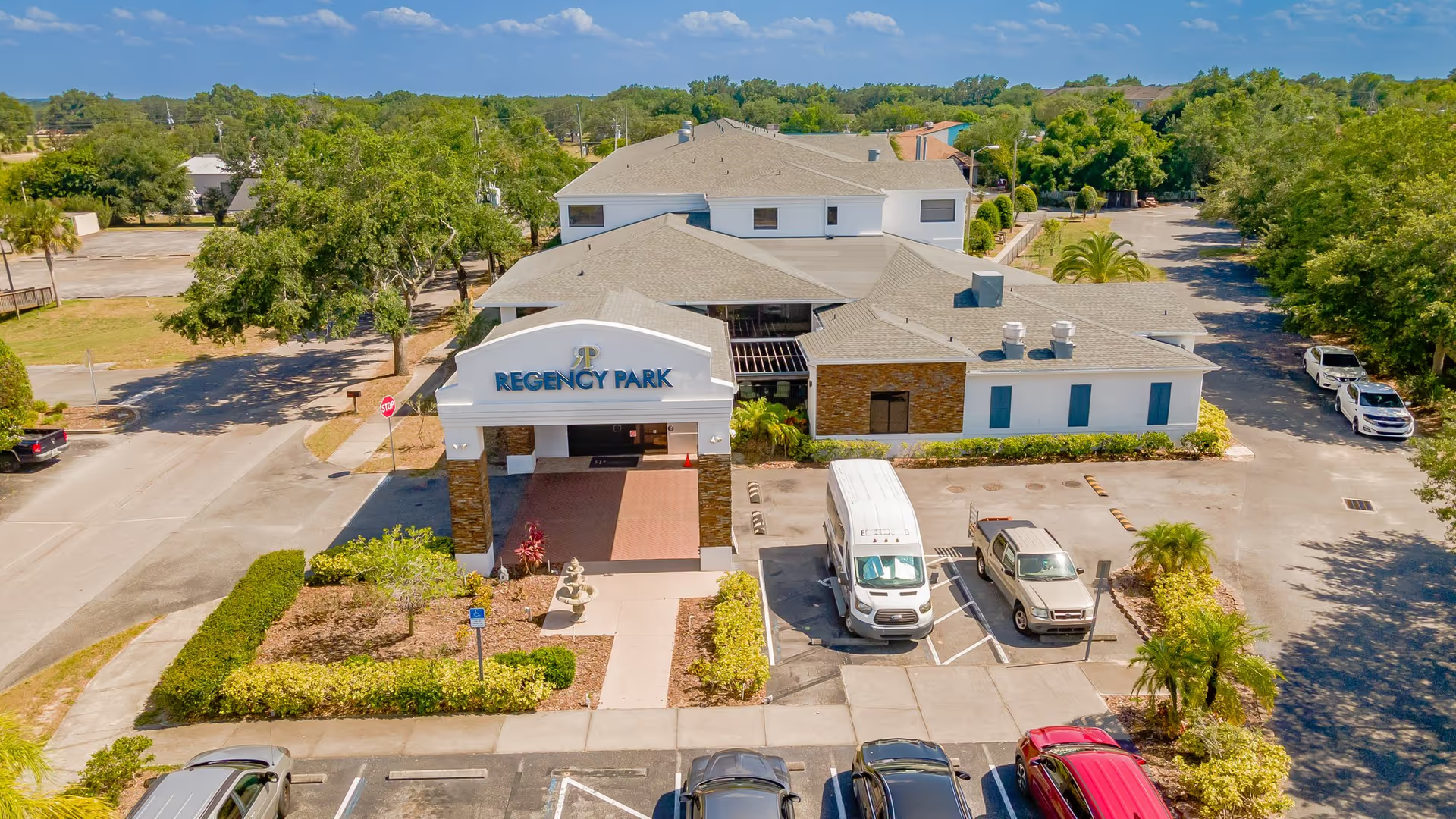
Overall impression: Certus Premier Memory Care Living is frequently described as a well-appointed, purpose-built memory-care community with many features designed for dementia support. Positive comments consistently highlight a modern, bright physical environment, small home-like unit layouts, and a range of on-site amenities (courtyards, salon, therapy spaces, cinema, small retail/mall-style area). Families often note that residents appear engaged and comfortable in the facility’s memory-focused design, including wayfinding aids and cushioned flooring.
Care and staff: The caregiving staff and direct-care aides receive a substantial amount of praise for compassionate, attentive interactions and relationship-building with residents. Reviewers describe knowledgeable, dementia-focused staff and specific caregivers who stand out for warmth and consistency. At the same time, there is a pattern of variability: families report inconsistent communication from nursing/administration, occasions of understaffing or reduced responsiveness, and uneven training or conduct across shifts and units. There are recurring concerns about medication management and clinical coordination, including sporadic changes to prescriptions and difficult access to information about hospice or specialist care.
Dining and activities: Dining is frequently cited as a strength — chef-prepared meals, restaurant-style dining spaces, cooking demonstrations, and varied menus. Activity programming is broad and structured, with exercise classes, art workshops, dog therapy, libraries, and scheduled events; many families appreciate the active calendar and opportunities for engagement. A few reviewers, however, mentioned limited meal variety on occasion and inconsistent activity engagement in particular units.
Facilities and operations: The facility’s physical plant is commonly described as clean, new or recently renovated, and well-maintained, with light-filled common areas and attractive outdoor spaces. On-site clinical and supportive services (mobile dentistry/podiatry, hospice coordination, therapy rooms) are available and valued. Operational weaknesses that emerge across reviews include laundry and personal-property management problems, unclear or opaque add-on fees (for items like cable or supplies), and impactful price increases. Families also raised concerns about safety practices in certain circumstances — for example, the community’s open design can create tension between a non-locked, home-like environment and nighttime wandering risk.
Management, policies and notable patterns: Several reviews praise individual staff and program directors, noting low staff turnover in some areas and responsive leadership. Conversely, there are repeated mentions of difficulties with administrative communication, billing disputes (including bills after a resident’s transition or death), and dissatisfaction with price changes or contract terms. A notable cluster of comments also criticized the facility’s infection-control response and crisis communication during the pandemic; these critiques point to perceived gaps in transparency and operational preparedness rather than to the physical environment itself.
Bottom line for families: The community offers strong dementia-focused design, engaging programming, and many amenities that families value. At the same time, reviews indicate variability in implementation — especially around staffing consistency, clinical coordination, personal-care schedules, administrative communication, and billing transparency. Prospective families should verify staffing ratios and training protocols, clarify fee structure and price-increase policies in writing, ask for examples of clinical-incident and infection-control procedures, and observe or request references about unit-level consistency before making a placement decision.