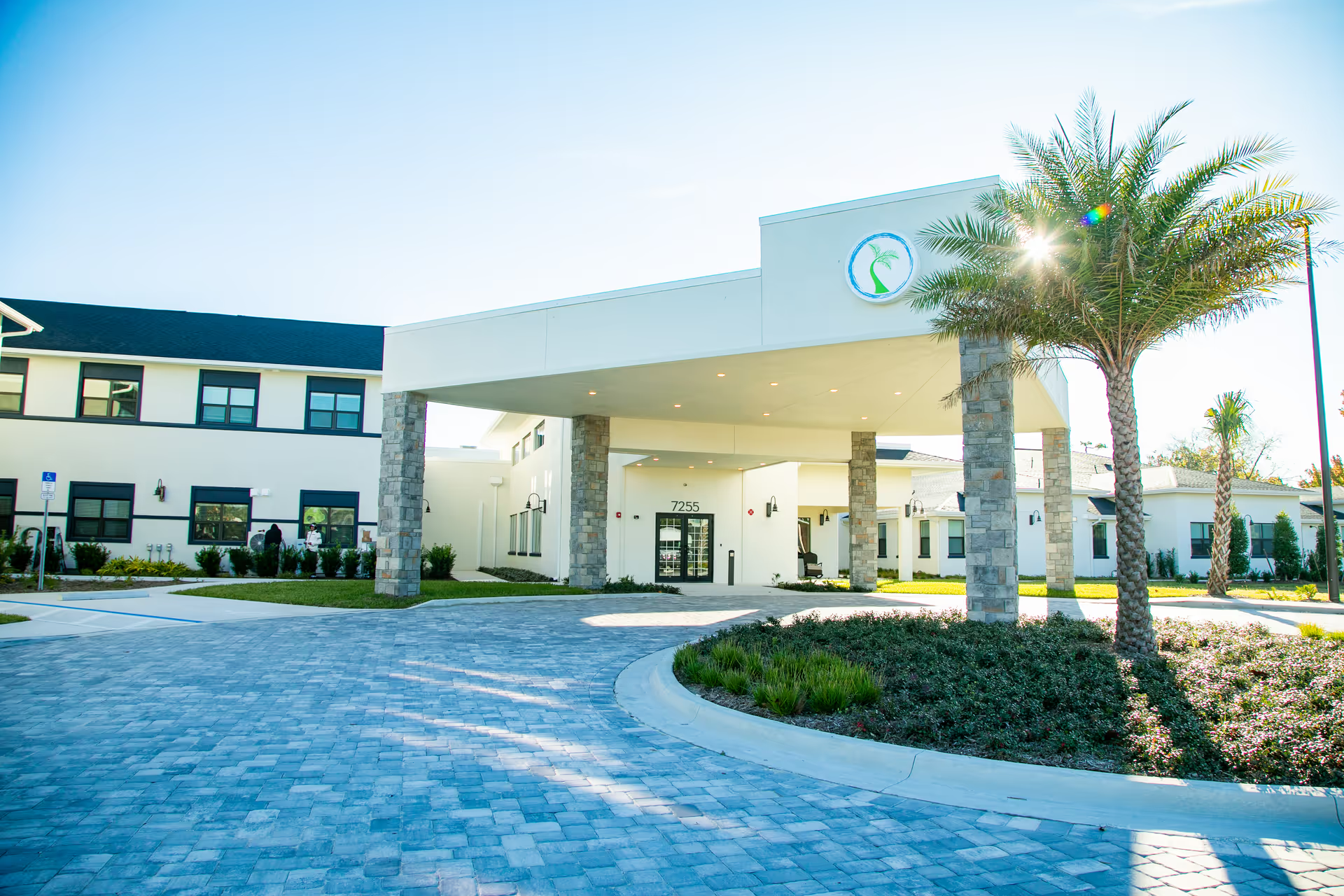
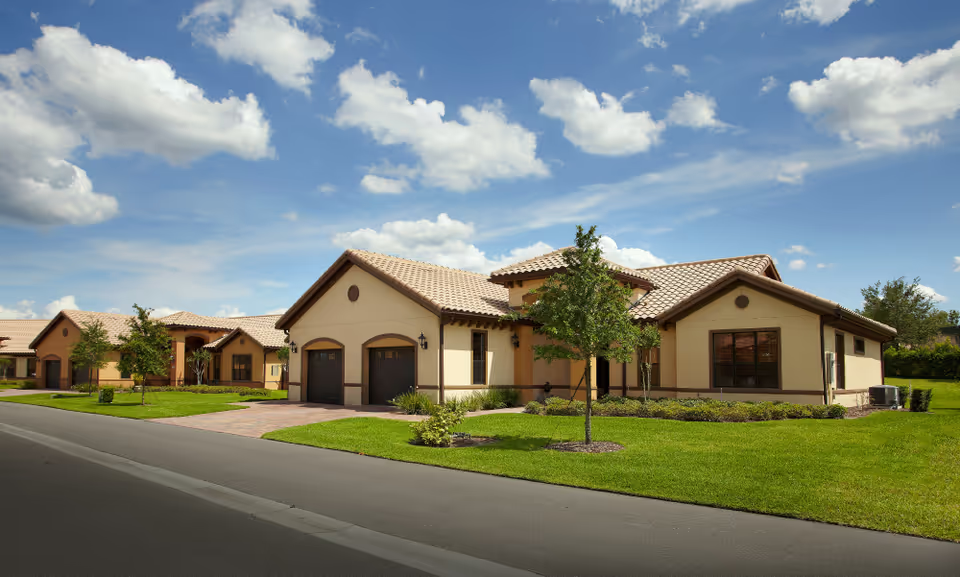
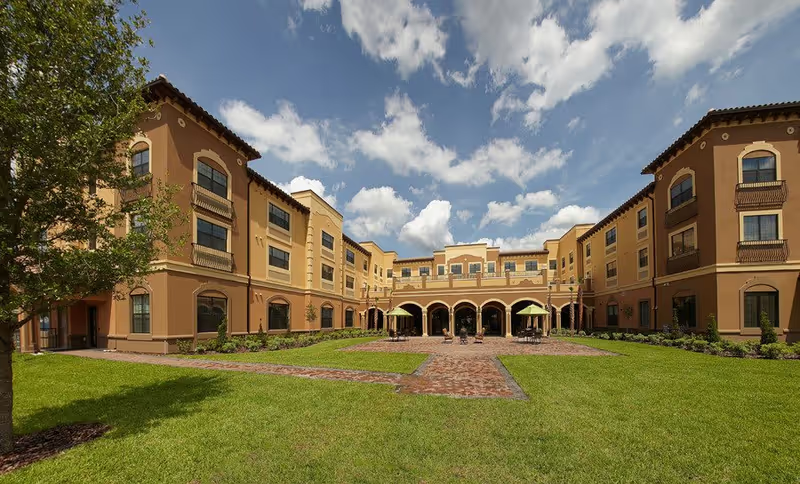
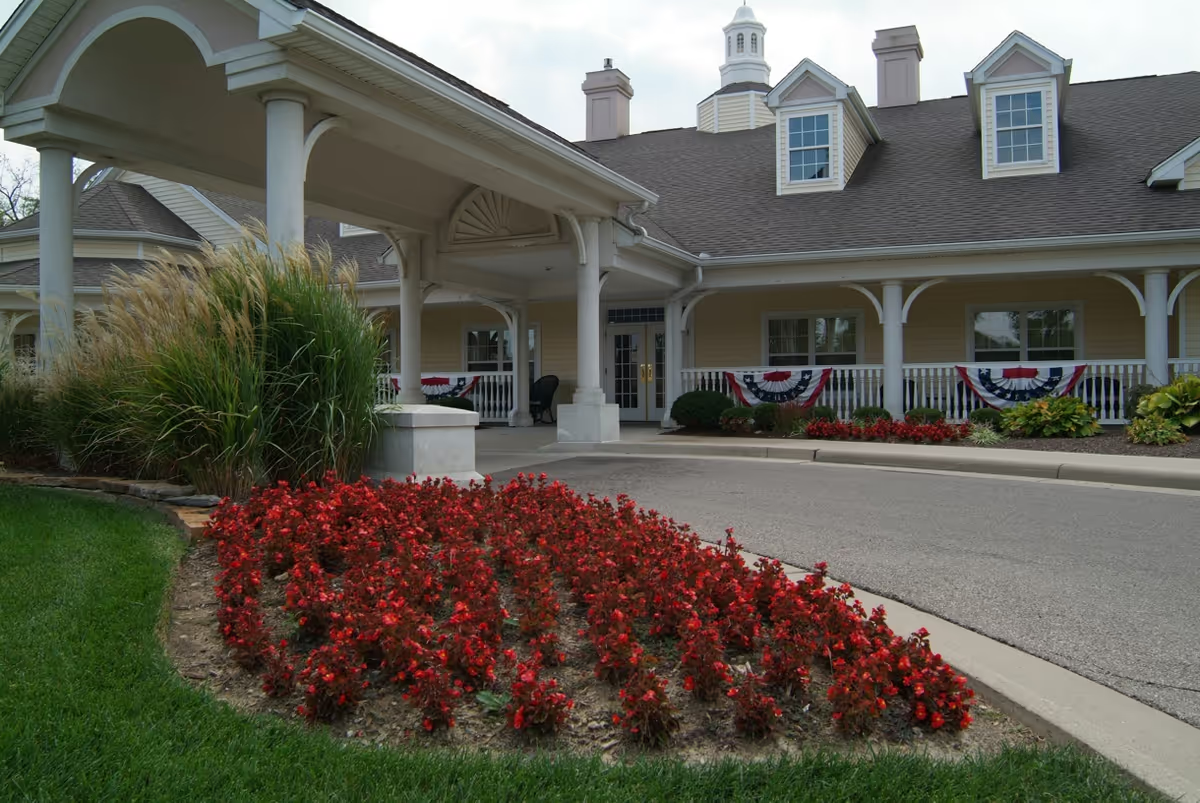
Cascade Heights presents as a large, activity-focused senior living community with many strengths in physical plant, social programming, and hospitality-style dining. Reviewers consistently describe bright, apartment-style residences — including studios, one- and two-bedroom plans with full kitchens and screened patios — and multiple recent renovations that produce an updated, resort-like feel. The campus amenities (heated outdoor pool, fitness and therapy services, beauty salon, landscaped grounds with lake views, and numerous common spaces) support an active independent-living lifestyle.
The activity program is a standout feature. The community offers a broad, high-engagement schedule: exercise and water-aerobics classes, card groups, arts and crafts, frequent entertainers and themed events, outings and regular transportation, and a visible, committed activities staff. Many reviews credit the activities team with creating a socially robust environment and say the program materially improves resident quality of life.
Dining experiences are mixed but notable. Numerous residents praise restaurant-style dining, buffet and plated options, and on-site chef involvement; others describe variability in portion size, seasoning, and the freshness of meals when delivered. Prospective residents should expect a generally strong dining program but ask about current meal-service practices, portioning, and delivery timing if room-service is anticipated.
Staff culture receives predominantly positive feedback for friendliness, warmth, and hospitality in independent-living areas. Front-desk, dining, transportation, and maintenance teams are frequently described as attentive and responsive; reviewers note examples of staff going beyond routine duties (storm response, overnight stays during severe weather, and individualized transportation care). That said, there is a contrasting pattern in clinical areas: reviewers raise concerns about assisted-living oversight, nursing responsiveness, and the consistency of aide training and time allocation. These issues include delayed responses to call buttons, gaps in clinical follow-up, and uneven skill mix among direct-care staff.
Operationally, common themes include intermittent staffing instability and task-completion inconsistencies. Several reviews reference turnover, disorganization, or variability in how tasks and communications are managed; others mention specific reliability issues such as alarm-system lapses and isolated sanitation or pest-control concerns. There are also more serious, isolated claims that have drawn attention: a few accounts reference lost property and one or more adverse clinical incidents within assisted living. These raise questions about risk controls and complaint-resolution processes; prospective families should request details on incident investigation procedures, staffing ratios, and recent quality or regulatory reporting.
Management and leadership impressions are mixed but informative. Some reviewers cite long-tenured, visible leaders and praise particular directors for professionalism and empathy; others describe periods of perceived disorganization or high turnover. Pricing and fee structure are another recurrent topic: many residents feel the community offers strong amenities for the price, while others note rising costs or find pricing at the higher end for the market.
Recommendations for prospective residents and families: arrange an in-person tour focused on the specific level of care you may need (confirm licensing and assisted-living capacity), ask for current staffing ratios and call-response metrics, review recent quality or inspection reports, sample a meal service at regular dining hours, and ask about pest-control and sanitation protocols. Verify contract terms related to price increases, emergency protocols, and how the community manages clinical escalation and family communication. Cascade Heights appears to deliver an active, amenity-rich independent-living experience for many residents, but families with higher clinical needs should evaluate assisted-living clinical oversight and response practices carefully before committing.