Providence Living at Maitland receives many positive accounts from families, visitors, and professionals, particularly for its dementia-focused environment and the effect of the community on residents’ day-to-day engagement. Families describe residents becoming happier, more socially involved, and more settled after moving in. Reviewers also value personalized attention, respectful treatment, and support with transitions and understanding dementia-related needs. However, experiences are not uniformly positive, and some accounts raise concerns about staffing capacity and continuity of care, especially as residents’ needs become more complex.
Staff are frequently described as warm, patient, attentive, and committed. Families praise employees across care, nursing, activities, dining, housekeeping, admissions, and the front desk, and several mention responsive help with move-in planning and family questions. At the same time, reviewers raise concerns about staffing levels, management turnover, and communication when care arrangements change. A small number of serious family accounts describe disputes over decision-making authority and access to a resident, limited visits or calls, difficulty obtaining records, and concerns about care during advanced illness. One account also describes significant clinical deterioration and hospital transfers. These are individual claims that cannot be verified from reviews alone; other families describe positive experiences, and one reviewer explicitly disputes a negative account.
Dining is a commonly praised feature. Families describe meals as nutritious, plentiful, appealing, and often home-cooked, with some highlighting the chef’s presentation and staff members’ familiarity with residents’ preferences. One reviewer, however, describes the food as poor, so meal satisfaction may not be consistent for every resident. Activities are also widely appreciated, including exercise, music, games, arts and crafts, outings, and programs with children. A family member reports that activities are engaging when they occur but raises concerns about last-minute schedule changes and staff coordination. Other reviewers describe the activities leadership and programming very positively.
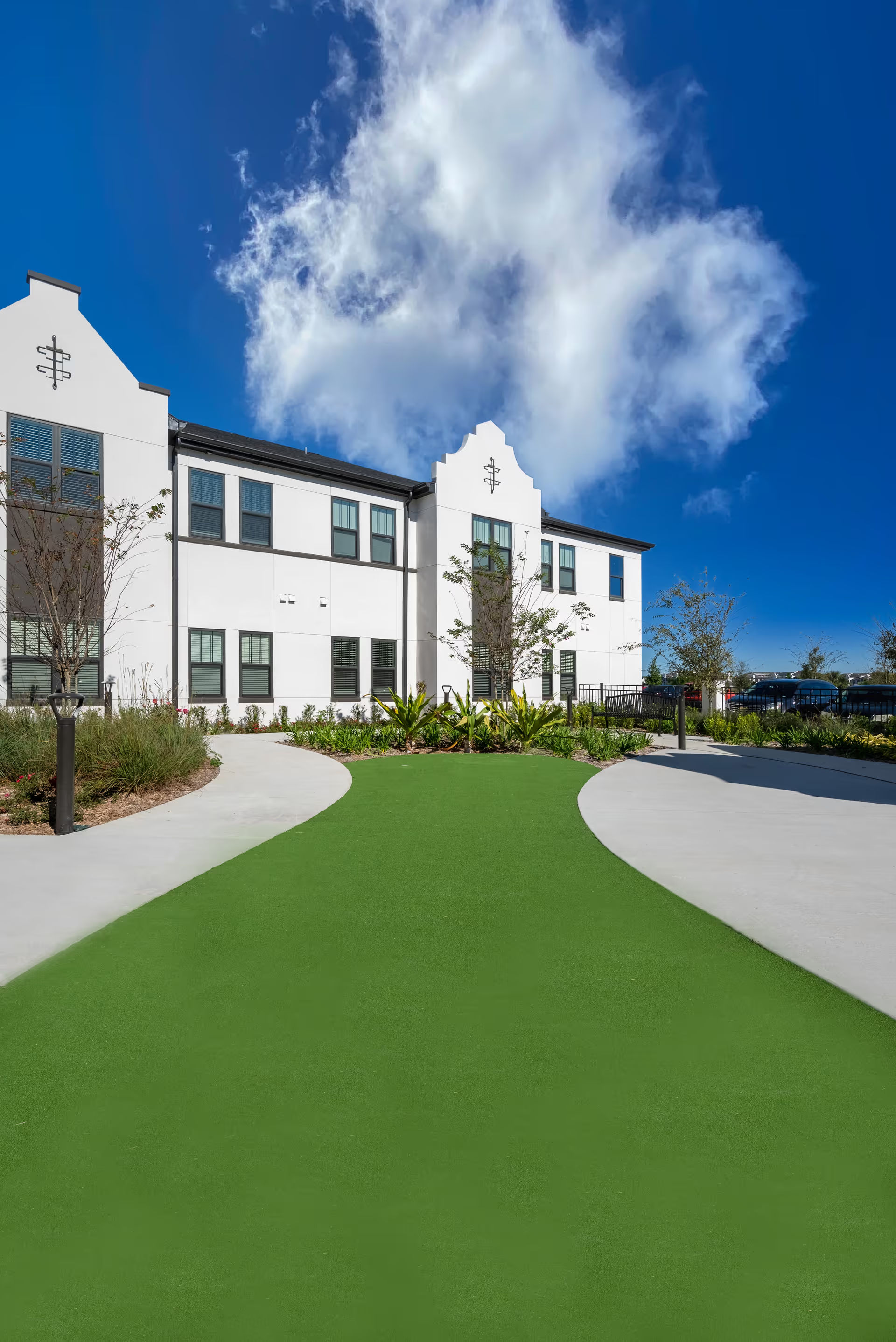
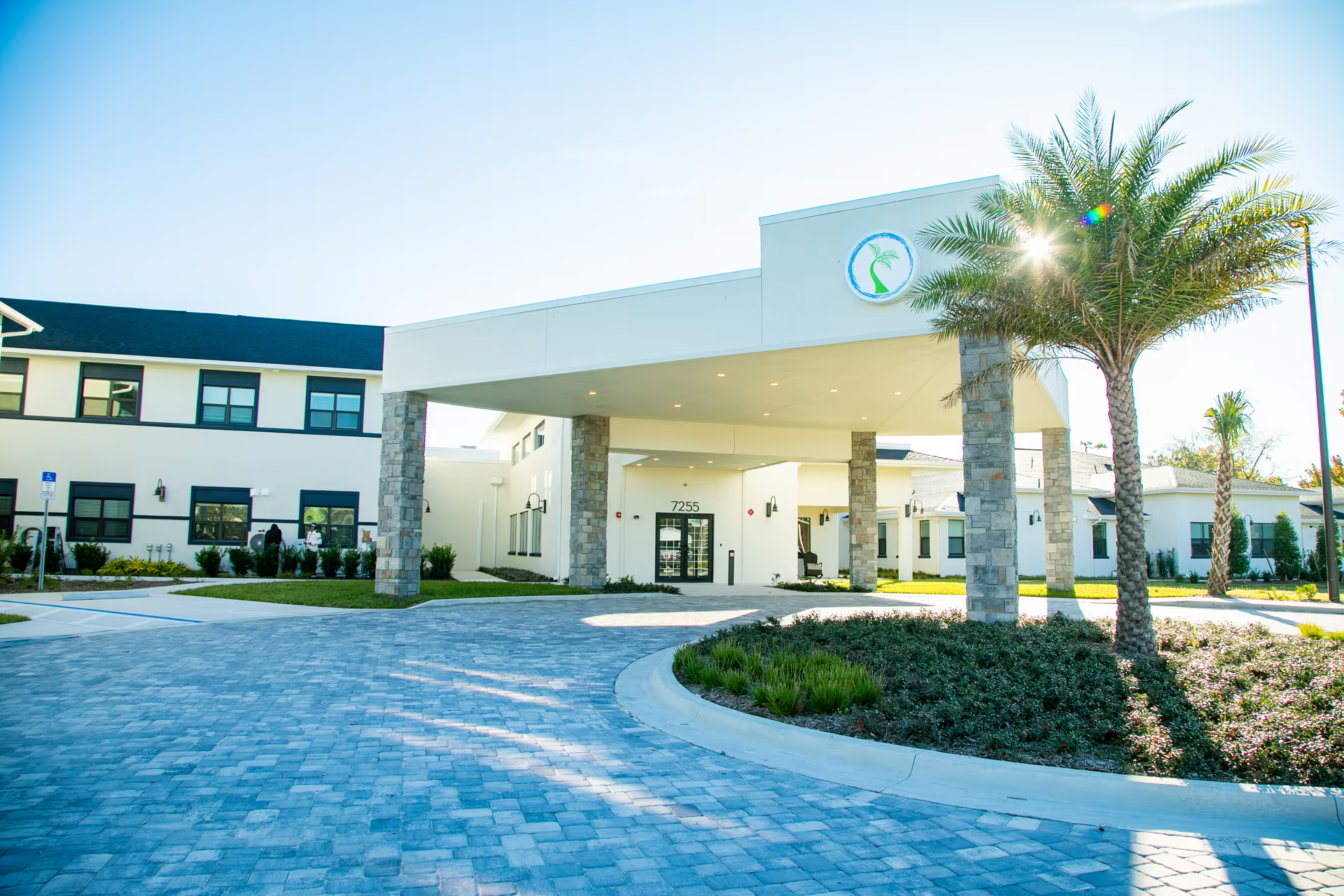
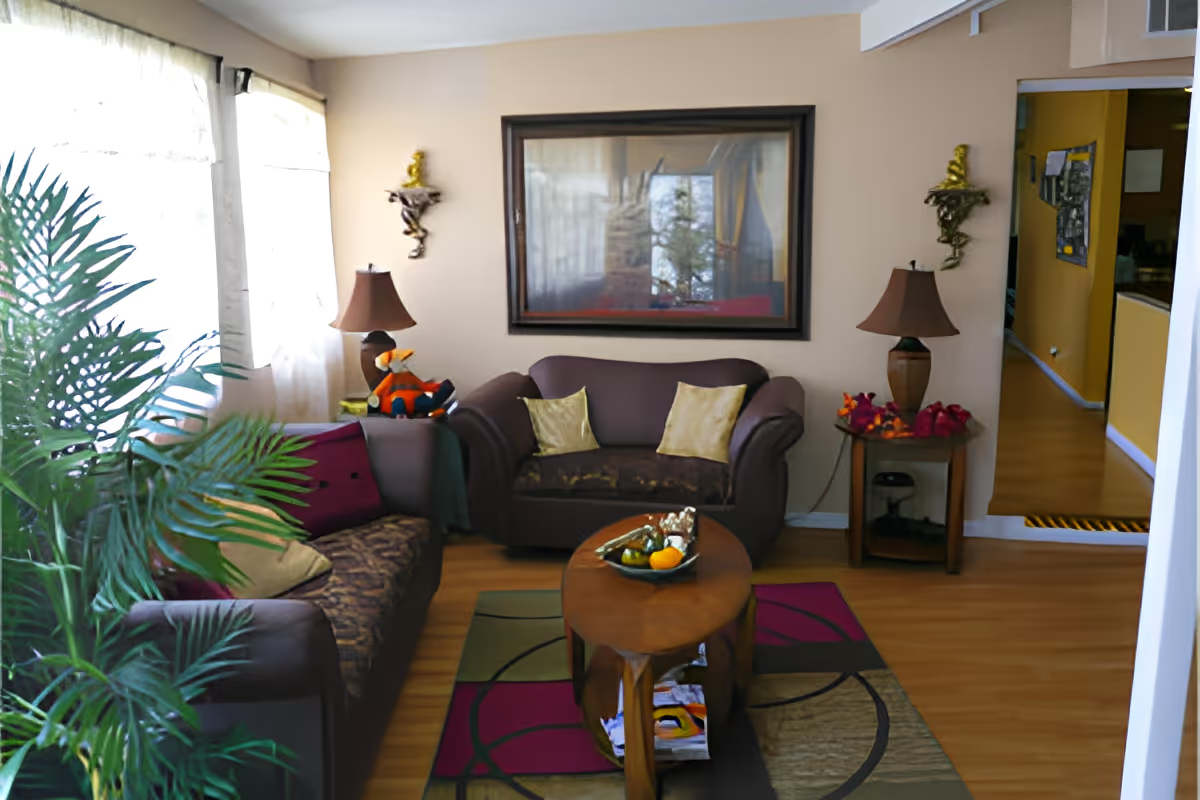
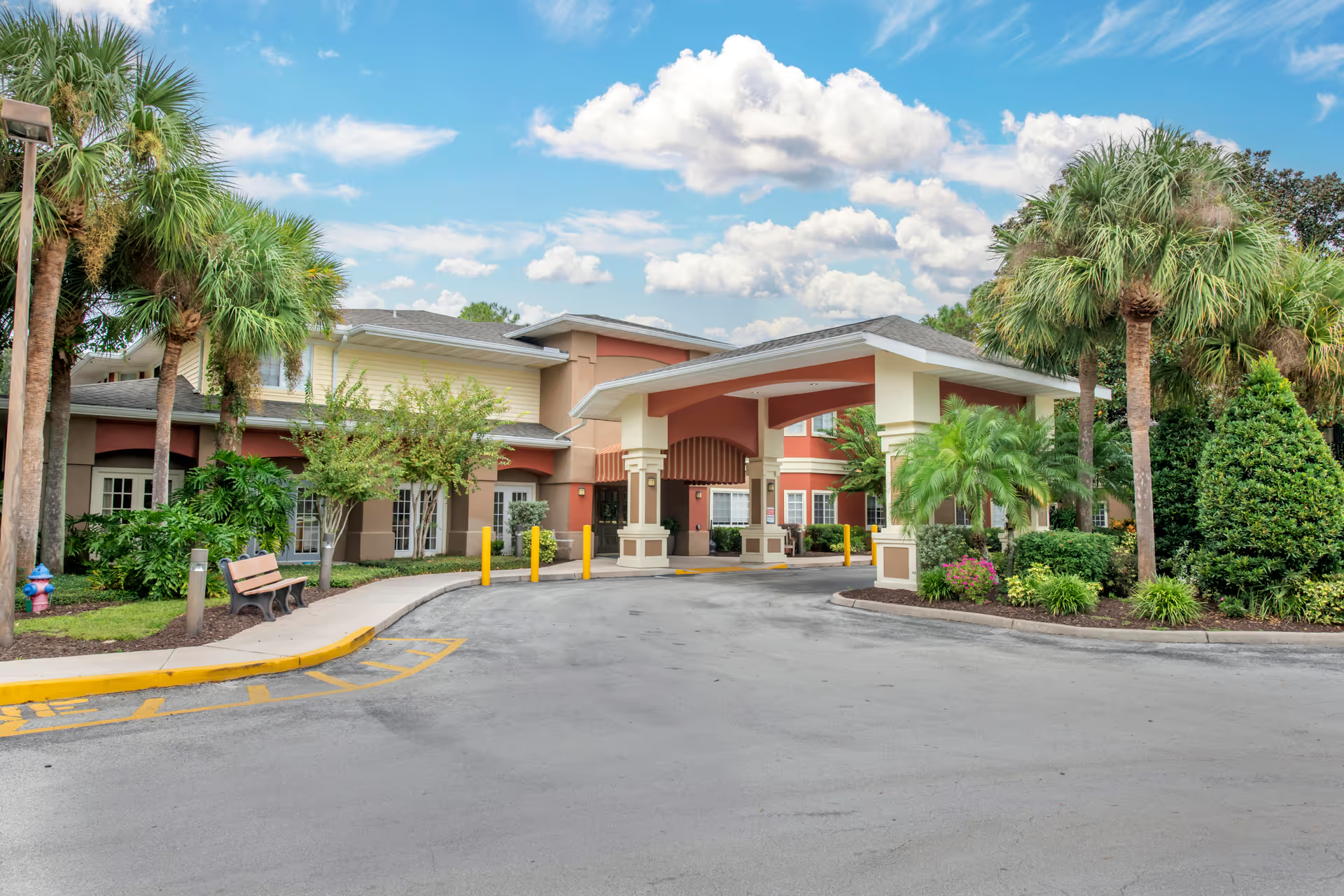
The building is regularly described as clean, attractive, modern, and welcoming, with a home-like atmosphere, spacious rooms, wide hallways, and a courtyard. Some reviewers also value design details intended to help residents recognize their rooms and navigate the building. One prospective family questioned the availability of usable outdoor space and social interaction, while another noted that the community was still expanding and wondered whether there would be enough peers for their family member. Respite care was also identified as unavailable by a prospective resident’s family.
Management and leadership experiences appear to vary over time. Some reviewers commend leaders for accessibility and strong clinical or operational oversight, while others connect a decline in care or coordination to leadership changes and express concern about retaining directors. Overall, the reviews present a community with notable strengths in environment, staff warmth, meals, and resident engagement, alongside questions about staffing capacity, leadership continuity, family communication, and maintaining care as resident needs change.