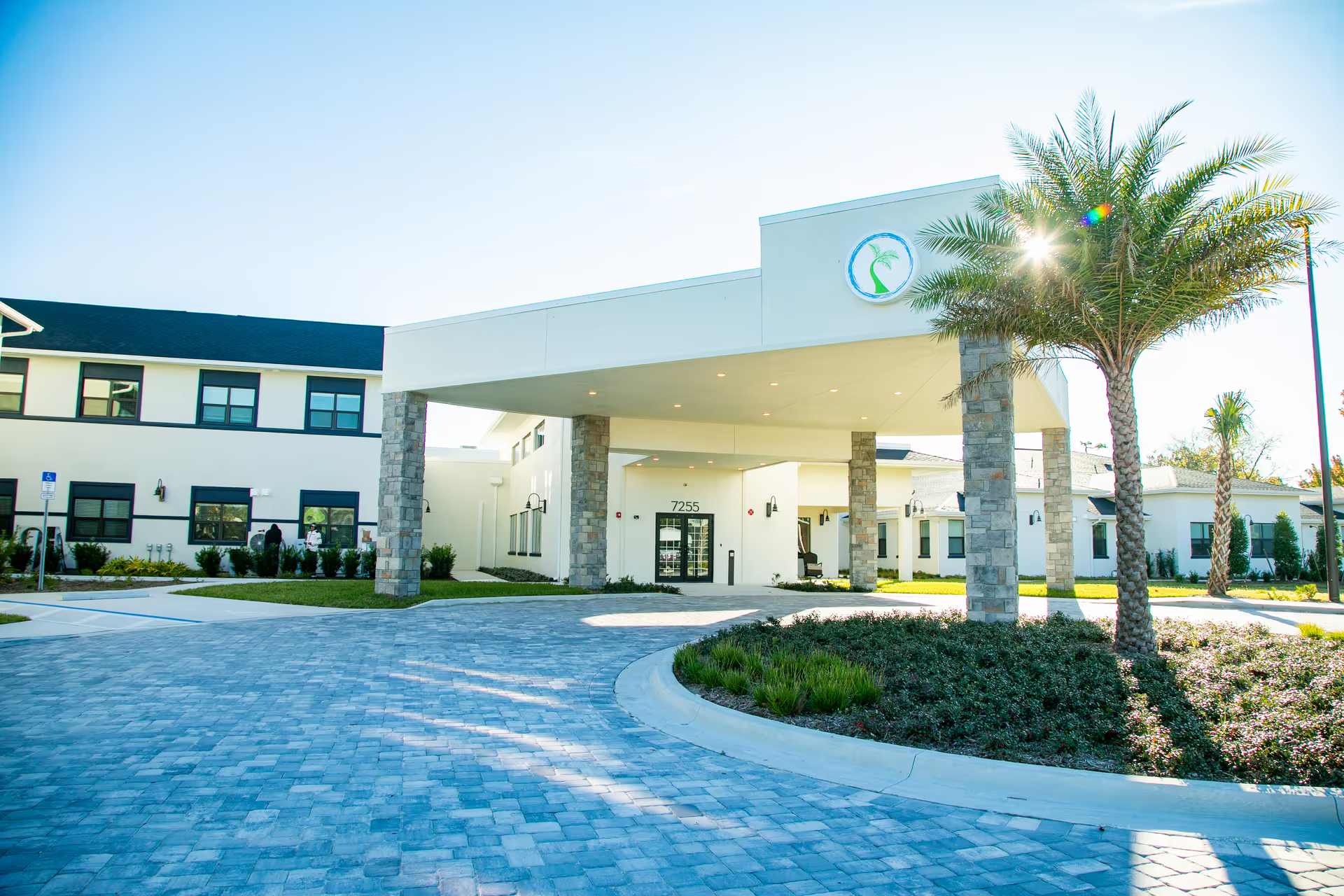
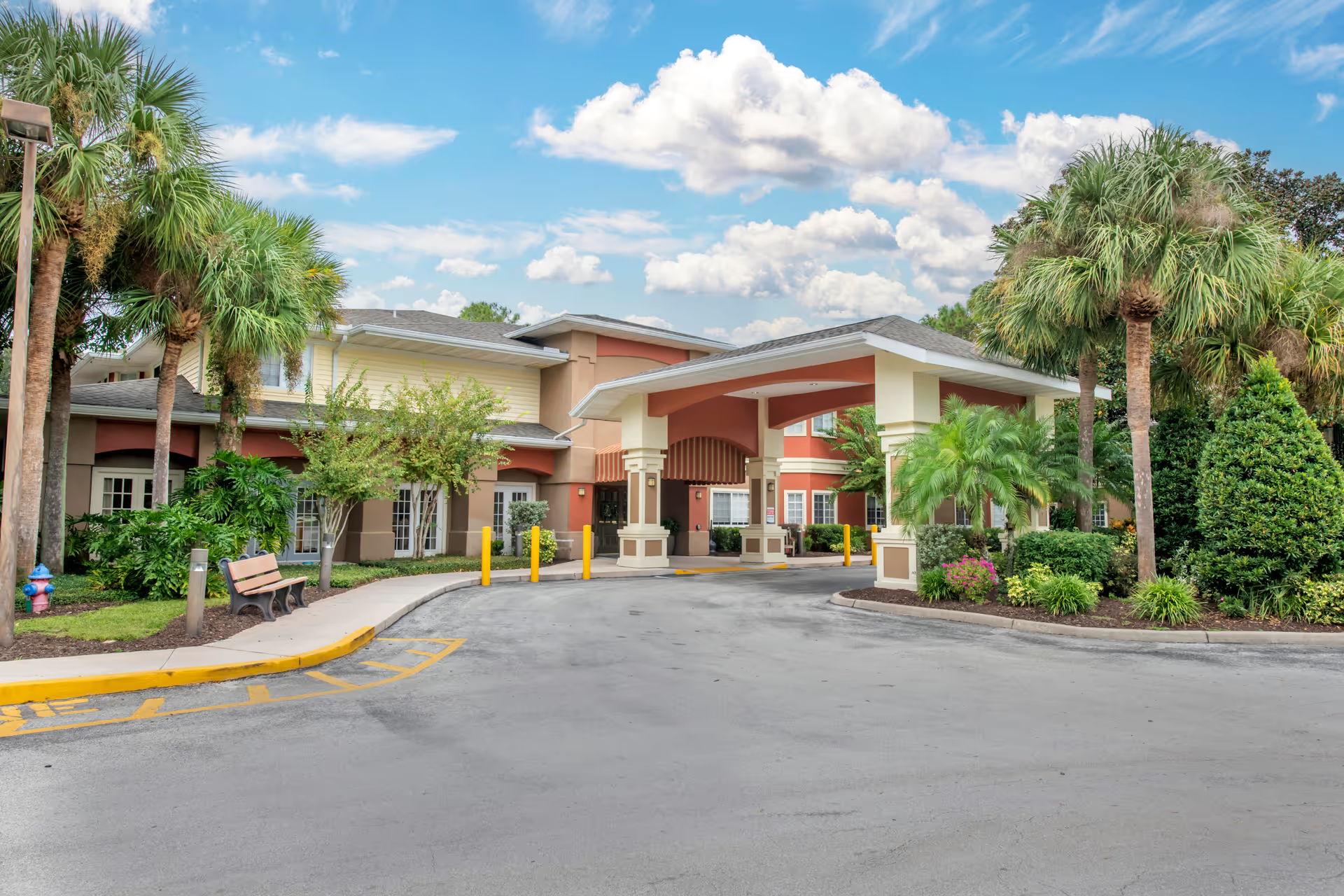
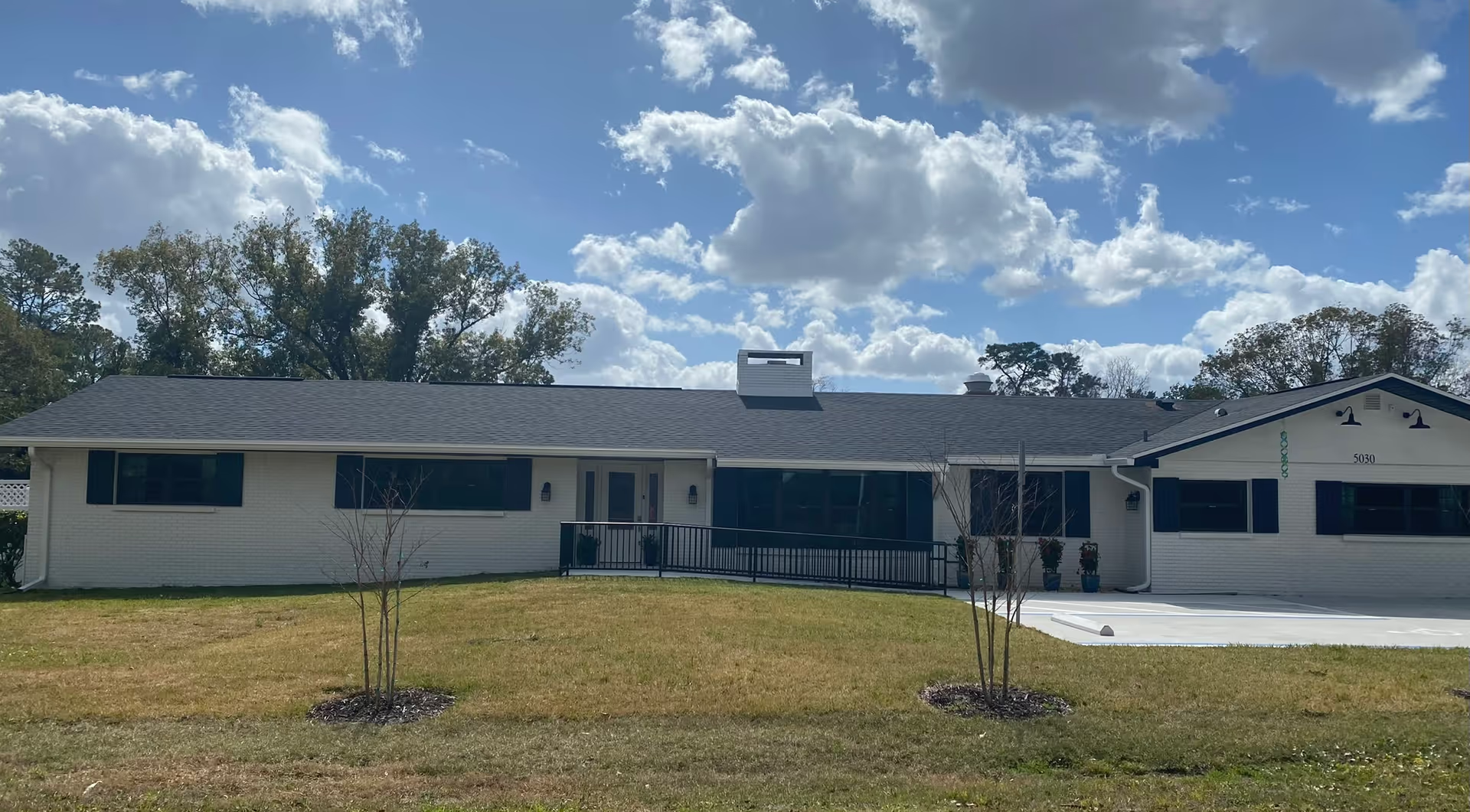
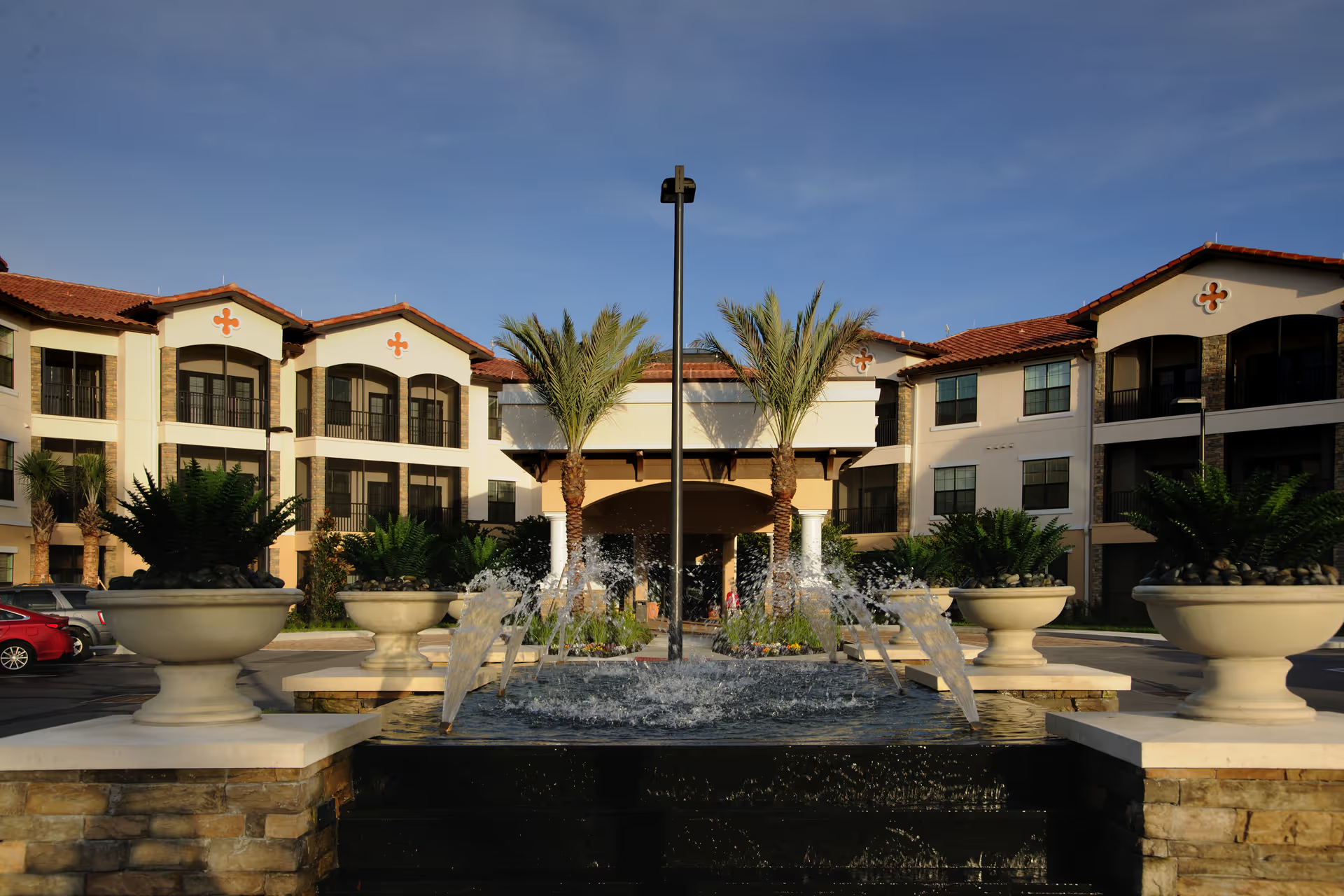
The Grove at Trelago is described by many families and residents as a well-appointed, resort-like senior living community with strong on-site amenities and a communicative leadership team. Positive comments repeatedly highlight the facility’s modern finishes, landscaped grounds, pool, and common spaces that convey a comfortable, upscale environment. Pre-move communications such as construction videos and weekly updates, along with personalized assistance from leadership, contribute to a generally positive entry experience for future residents.
Staffing and day-to-day care evoke mixed impressions. Numerous accounts praise caring, professional employees and responsive managers, and several families singled out the executive leadership for timely communication and individualized assistance. At the same time, there are recurring operational concerns: inconsistent staffing levels, variable care quality when acuity increases (notably in memory-care areas), and limitations in nighttime support for activities of daily living. Reviewers described gaps in scheduled bathing and bedtime assistance and cited occasions where higher-acuity transitions were challenging; these point to uneven application of care protocols across units rather than a uniform standard of practice.
Dining and hospitality are other areas with contrasting signals. Many residents and visitors compliment the food quality, variety, and dining ambience; others characterize some offerings as more institutional and note meal-service interruptions. The facility appears to charge ancillary meal and delivery fees that some families found unclear, contributing to perceptions of a cost–value imbalance. Dining assistance at meal time is described as inconsistent in certain care areas, which may be related to staffing patterns.
Activities and community life are frequently cited as strengths: organized evening programming, happy hours, social groups, and therapeutic services keep residents engaged, and families describe a social atmosphere that fosters friendships. However, activity availability and engagement levels appear to vary by care level, and a few reviewers found the apartments or specific amenity spaces (for example, a small library or compact unit sizes) less suited to their expectations.
Operationally, reviewers point to a mixture of effective management practices and areas needing improvement. Strong points include clear pre-move outreach, attentive unit maintenance, and good family communication in many cases. Concerns that emerged across reviews include staff turnover and management changes that can affect continuity, supervision gaps that raise questions about conduct and shift coverage, inconsistencies in housekeeping in some care areas, and lapses in charge or medication controls and personal-property safeguards. These issues are described as facility-level process weaknesses rather than isolated personal disputes.
For prospective residents and families: verify current staffing ratios (particularly at night), clarify meal plans and any ancillary fees in writing, ask for documented policies on transitions between levels of care and on medication/billing controls, and request a recent activity calendar specific to the care level you are considering. A tour that includes staff introductions, a review of memory-care staffing patterns, and copies of recent communications from leadership can help assess whether the facility’s strengths align with your priorities and whether the noted operational gaps have been addressed.