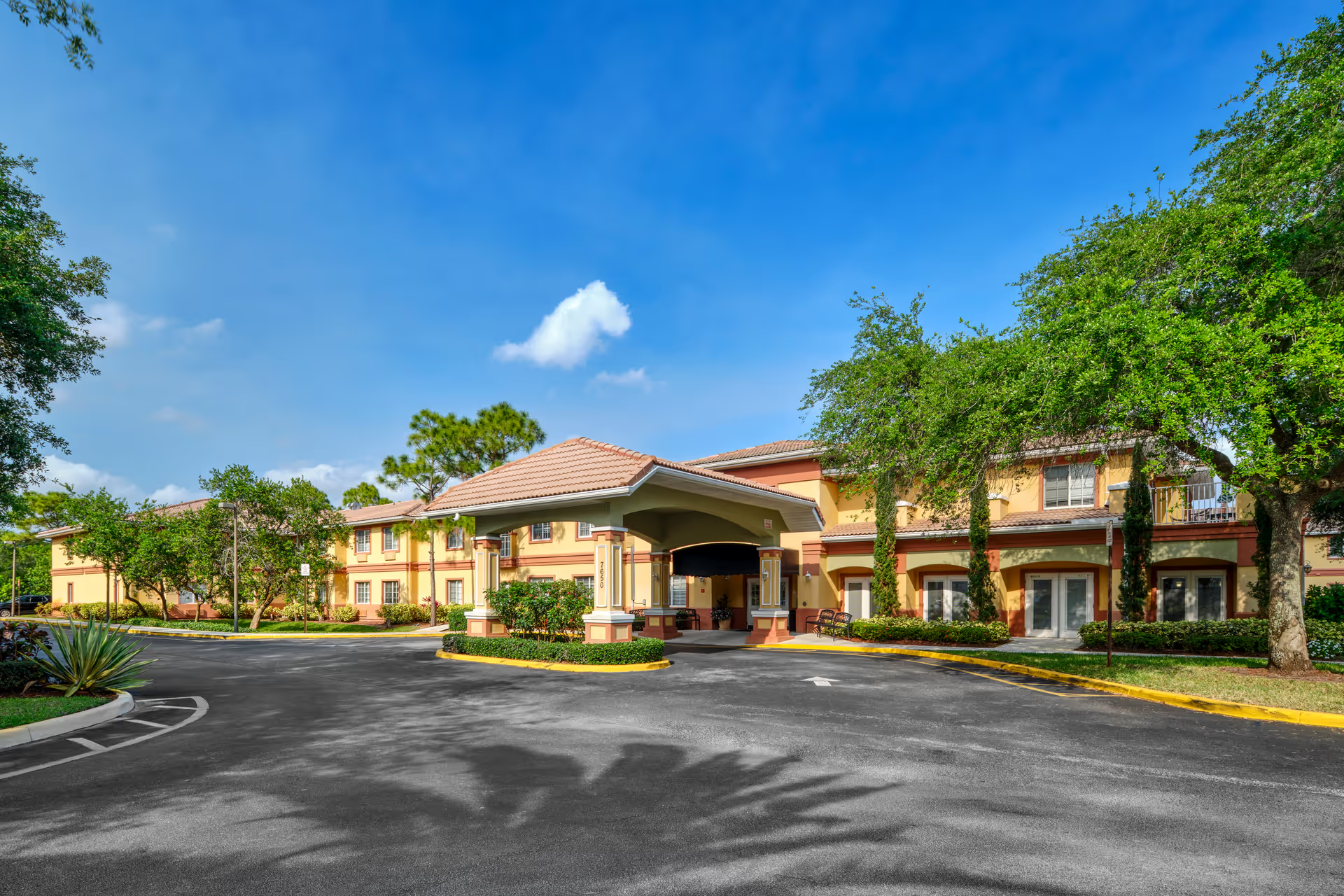
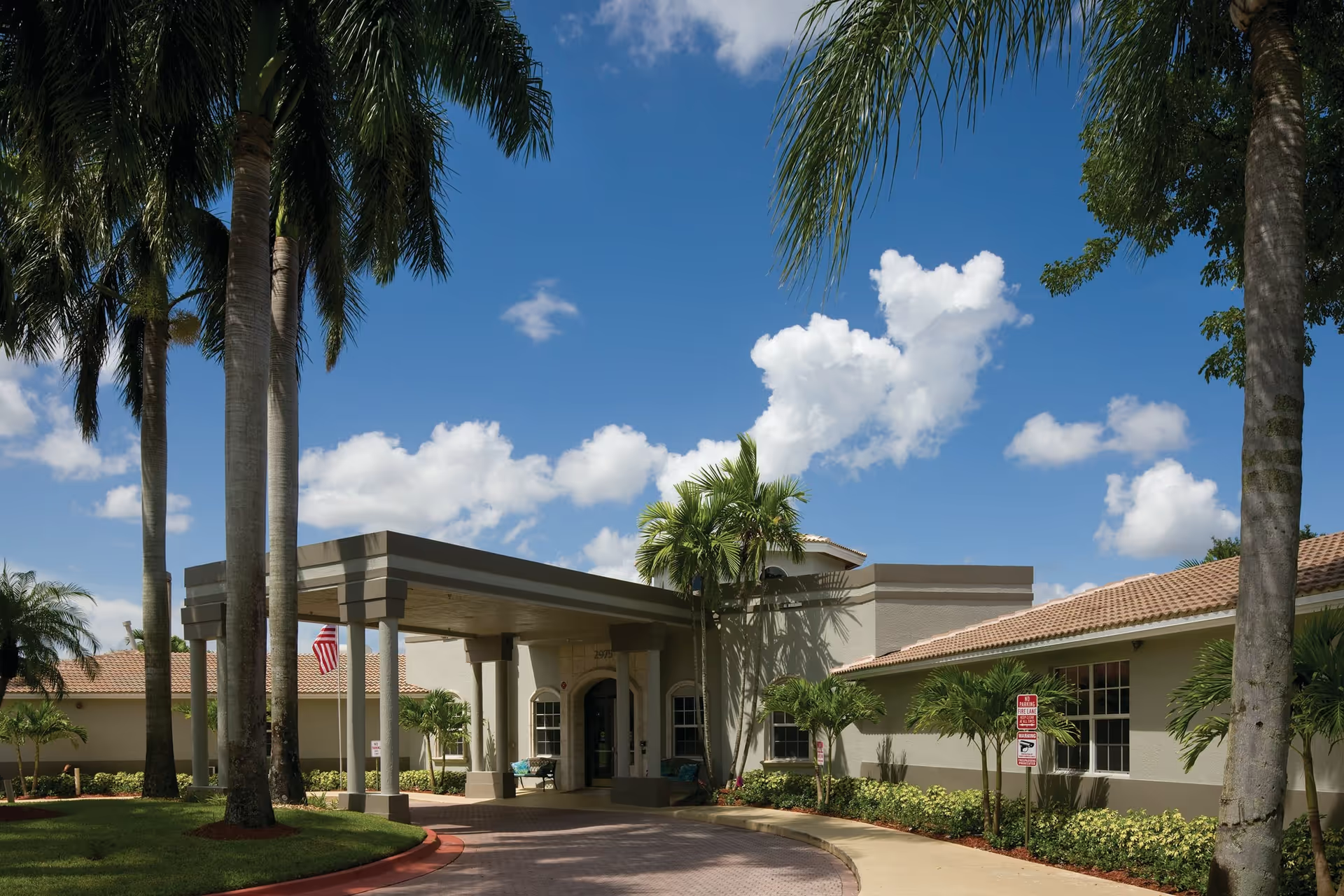
Coral Plaza elicits strongly mixed but recurring themes. Many families and residents describe a warm, family-like environment led by a visible admissions and leadership team; specific staff members (including admissions and nursing leaders) are repeatedly praised for being helpful, knowledgeable, and compassionate. The facility presents as bright and generally well maintained in public areas, with daily housekeeping, a large activity hall, outdoor patio/courtyard space, and transportation available for outings. Memory-care services and on-site medical access are frequently noted as strengths, and bilingual staff and pet-friendly policies are mentioned as enhancing resident comfort and socialization.
Care quality impressions are polarized. A substantial portion of commentary highlights attentive nursing, respectful caregiver–resident interactions, and reliable medication oversight. At the same time, a subset of accounts describe operational lapses: delays in responding to call buttons at night, after-hours phone coverage gaps, missed clinical follow-up after incidents, and inconsistent bathing or dressing practices. These concerns point to gaps in clinical incident response and family communication rather than a single recurring incident type. A small number of reviewers used strong language to describe their experiences; in those cases the underlying issues raised include responsiveness after injury, attention to personal devices (hearing aids/eyeglasses), and consent/documentation around personal grooming. Because these are serious matters, they warrant direct follow-up with administration and review of clinical protocols.
Dining and activities show mixed feedback. Many residents and families praise the dining program, describing restaurant-style service and enjoyable meals, while others report inconsistent food quality and occasions of cold or poorly prepared plates. Activities programming is generally robust—bingo, dance, music, movies, trivia, and special events are common—and staff in the recreation role receive positive mention. However, activity participation can be variable across residents, and some families perceived limited options for certain individuals.
Facility upkeep is viewed positively in many areas (clean lobbies, renovated spaces, large bathrooms), but commenters also note uneven maintenance: phased renovations (first-floor updates but older second-floor finishes), odor concerns in particular corridors, and occasional sanitation issues. Operationally, staffing patterns appear to be a contributor: reviewers cite high turnover and understaffing on some shifts, which plausibly links to inconsistent service delivery, meal timing, and response times. There are also references to state inspection fines/deficiencies; prospective families should request the facility’s most recent inspection history and corrective-action documentation.
Management and communication receive consistent praise for accessibility from many families, with administrators providing cell numbers and fast responses in positive accounts. At the same time, communication breakdowns are noted in negative accounts—especially around clinical incidents and after-hours contact—which suggests variability in how issues are escalated and how families are informed.
Recommendation: Coral Plaza appears to offer a strong social program, visible leadership, and many compassionate staff members, making it a fit for families prioritizing community engagement and hands-on admissions support. Prospective residents should tour both renovated and older wings, inquire about recent state inspections and corrective actions, ask for staffing ratios by shift, confirm after-hours clinical coverage and call-response metrics, and review the facility’s protocols for personal-care preferences and consent. Those follow-ups will help distinguish broadly positive everyday experiences from the operational inconsistencies that some families have reported.