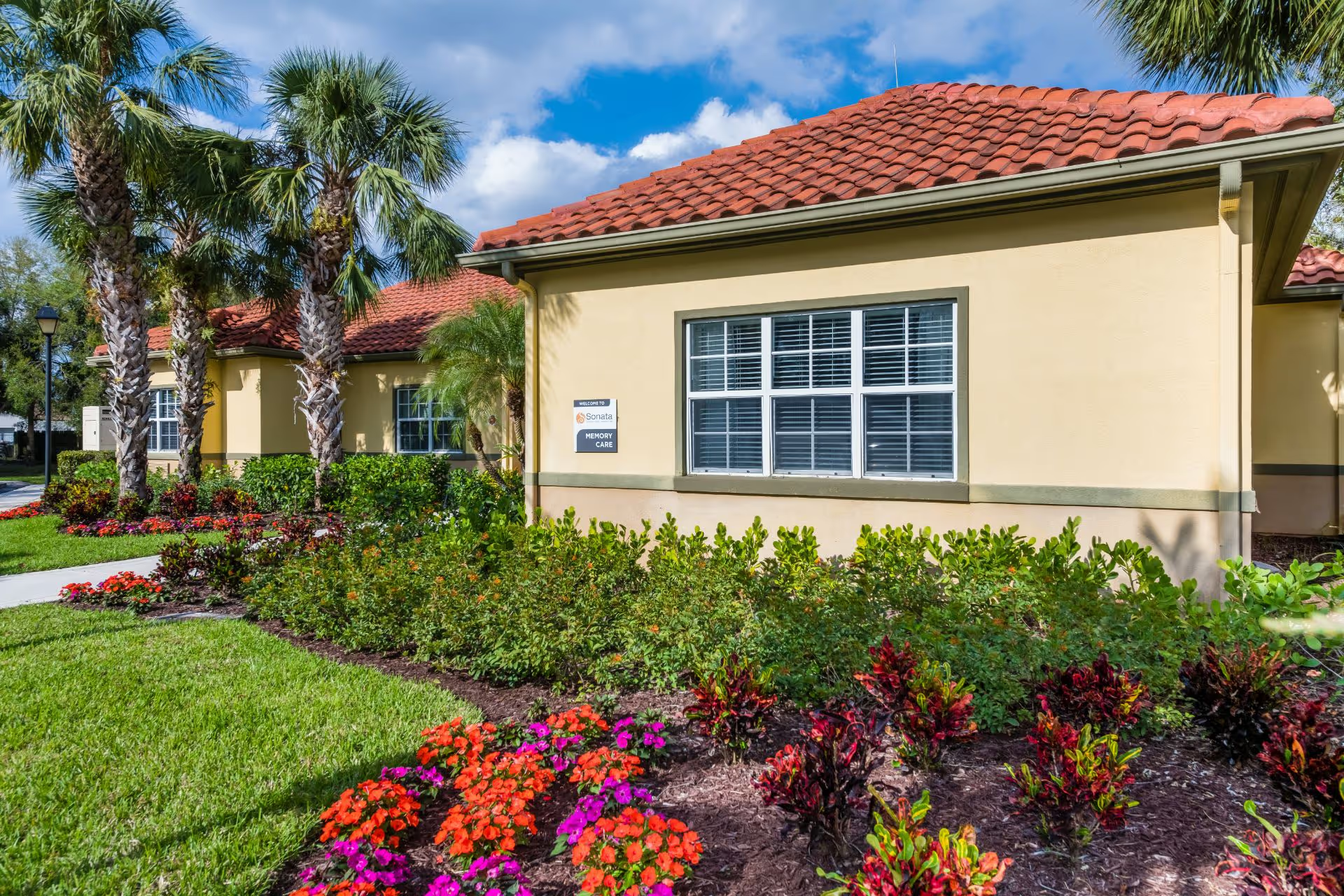
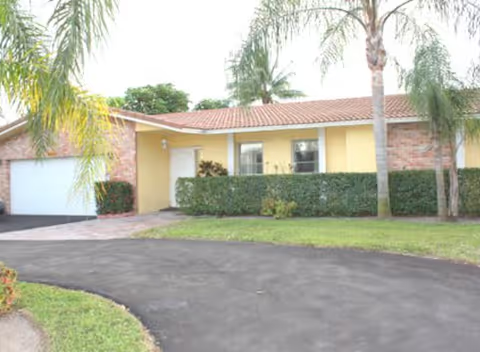
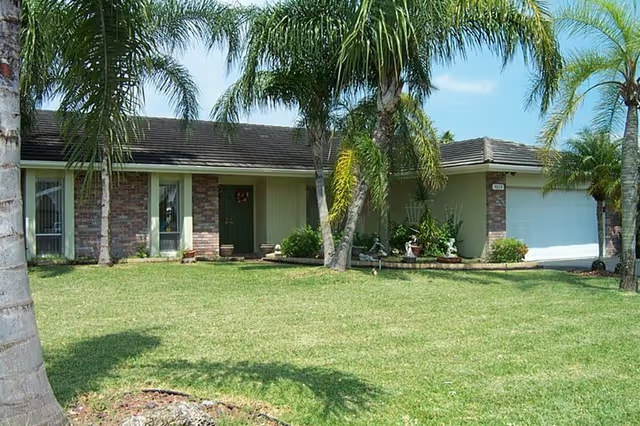
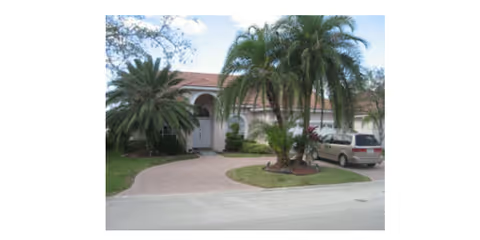
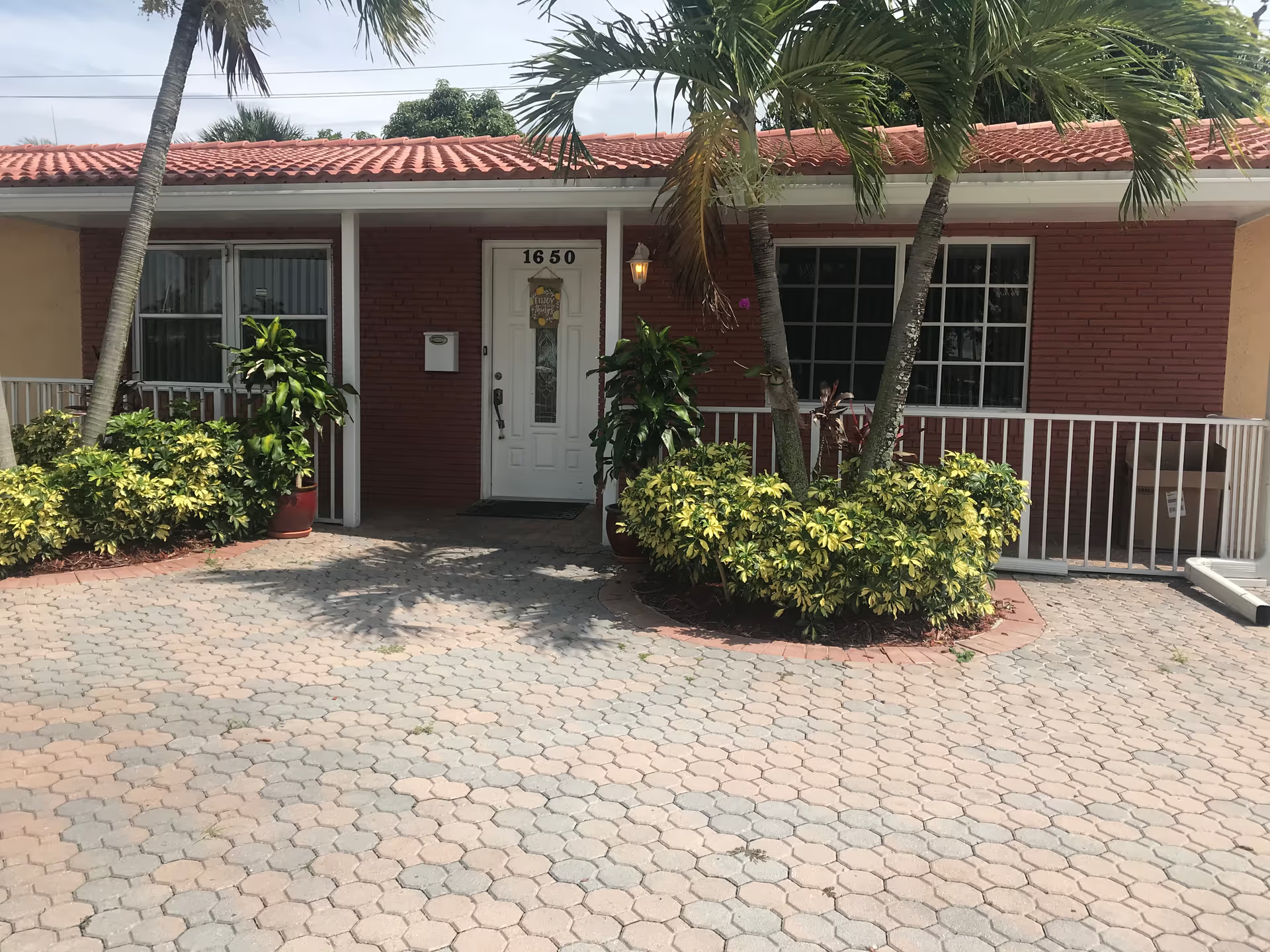
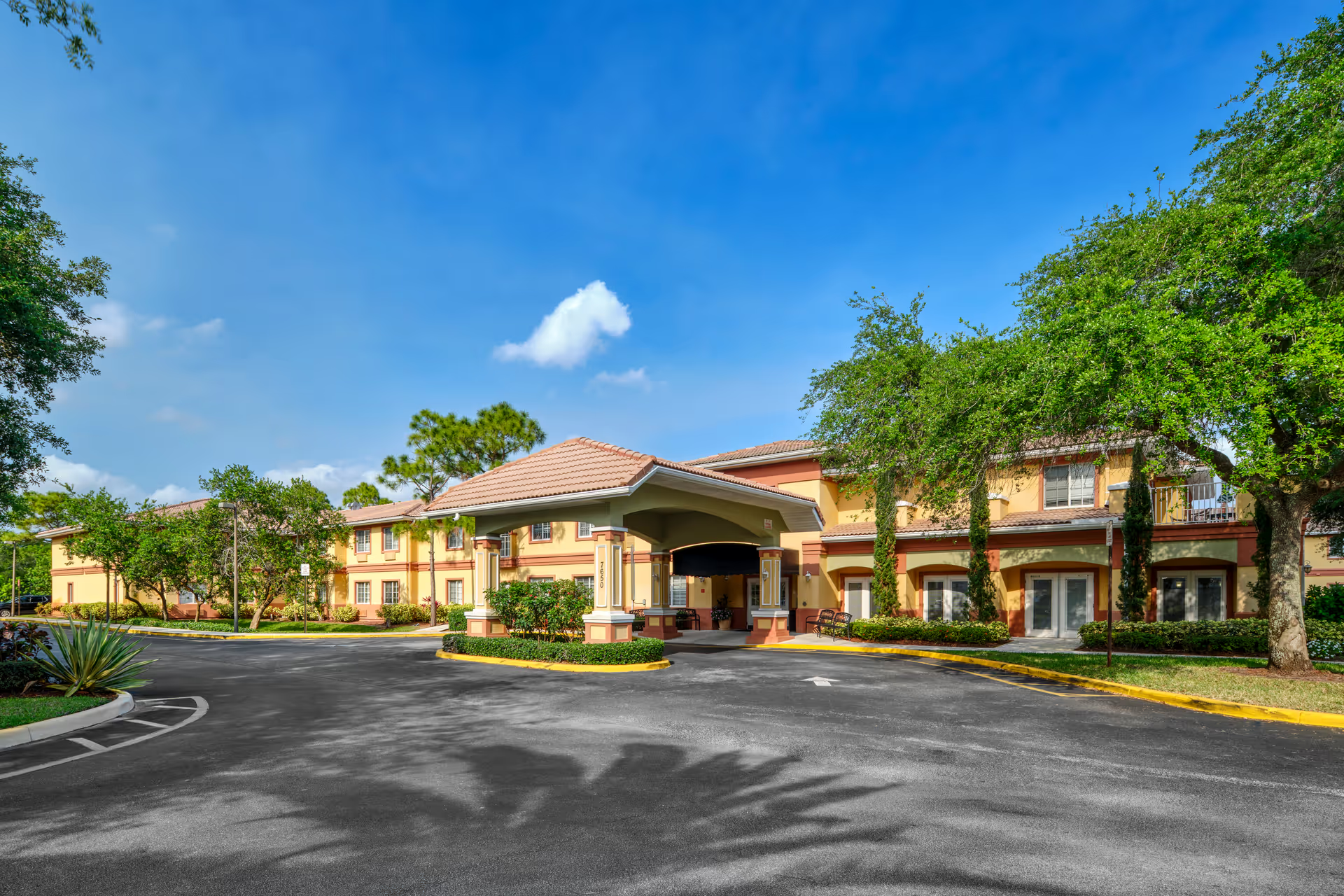
Havencrest ALF III is presented as a private, home-like assisted living option with a quiet setting and landscaped grounds. Internally the facility is described as clean and well-maintained, with recent flooring updates and tidy common rooms. Outdoor features such as a fenced pool, back porch and nearby walking opportunities are noted and contribute to a residential atmosphere rather than an institutional one.
Care and staffing are consistently portrayed as strengths. Staff are described as attentive, courteous and familial in tone, with assistance available for activities of daily living such as feeding and reading. Reviewers highlighted coordinated hospice support and provision of necessary mobility and care equipment, and noted fall-prevention practices and dignified end-of-life care. These elements suggest a level of clinical coordination appropriate for residents with higher care needs, particularly memory-care residents.
Dining and activities are adequate but not emphasized as a major program strength. In-house meals are mentioned positively, but descriptions of activity offerings are limited; routine activities cited include walks and use of communal living spaces. The facility appears to serve a population with a high proportion of residents living with Alzheimer’s or other memory-impairment needs, which may make it a better fit for families seeking a memory-support environment rather than a general assisted-living community focused on broader recreational programming.
Facility limitations tend to be aesthetic and spatial. Multiple comments point to small bedrooms and constrained private storage or living space, and some noted a modest exterior that could benefit from additional upkeep. While interior upkeep is generally favorable, exterior curb appeal and certain amenity expectations were described as lacking relative to the facility’s cost; several reviewers felt pricing was on the higher side for the level of visible amenities. There is also mention of a perceived gender imbalance among residents, which can influence the social environment for new residents.
For prospective residents and families: schedule a tour that includes measuring bedroom and storage dimensions, observe meal service and activity periods, and ask specific questions about staffing ratios, memory-care programming, hospice policies, and what is included in fees versus extra costs. If a private-home atmosphere and experienced hospice coordination are priorities, Havencrest appears to offer strengths in those areas; if larger private rooms, more exterior upkeep, or broader recreational programming are priorities, families should confirm those details in person before committing.