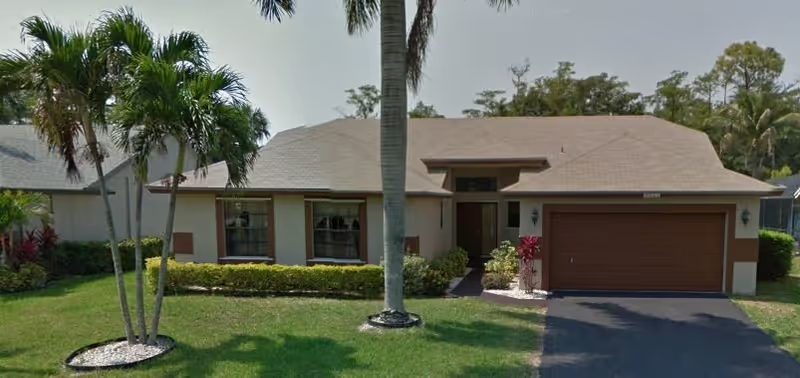
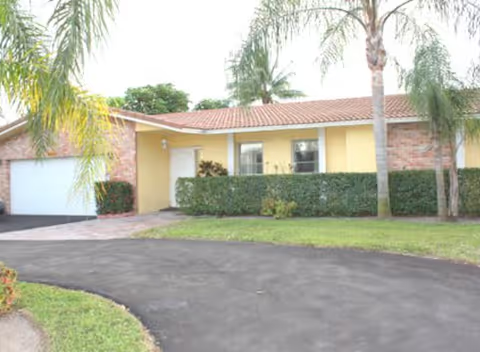
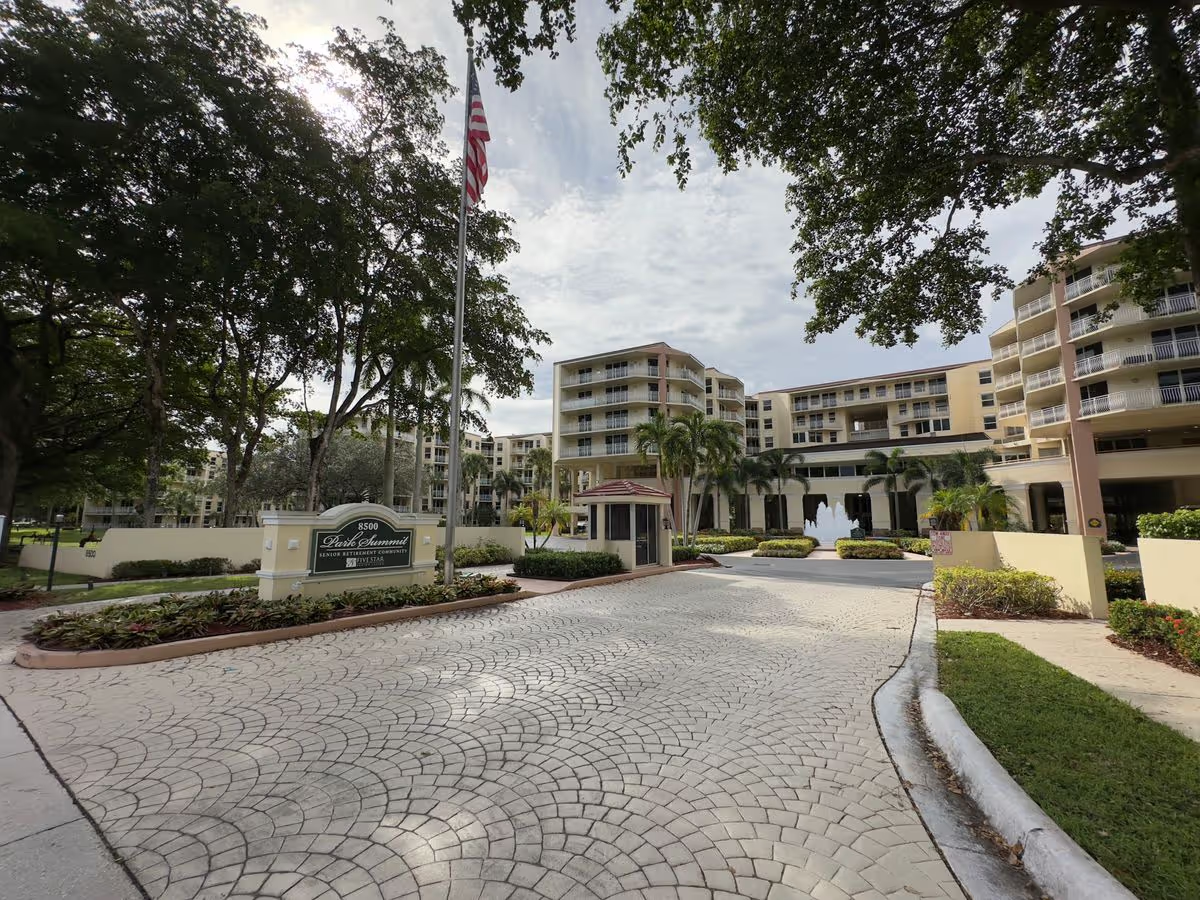
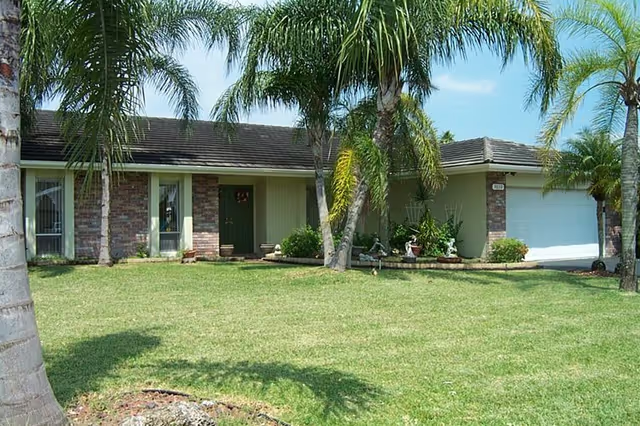
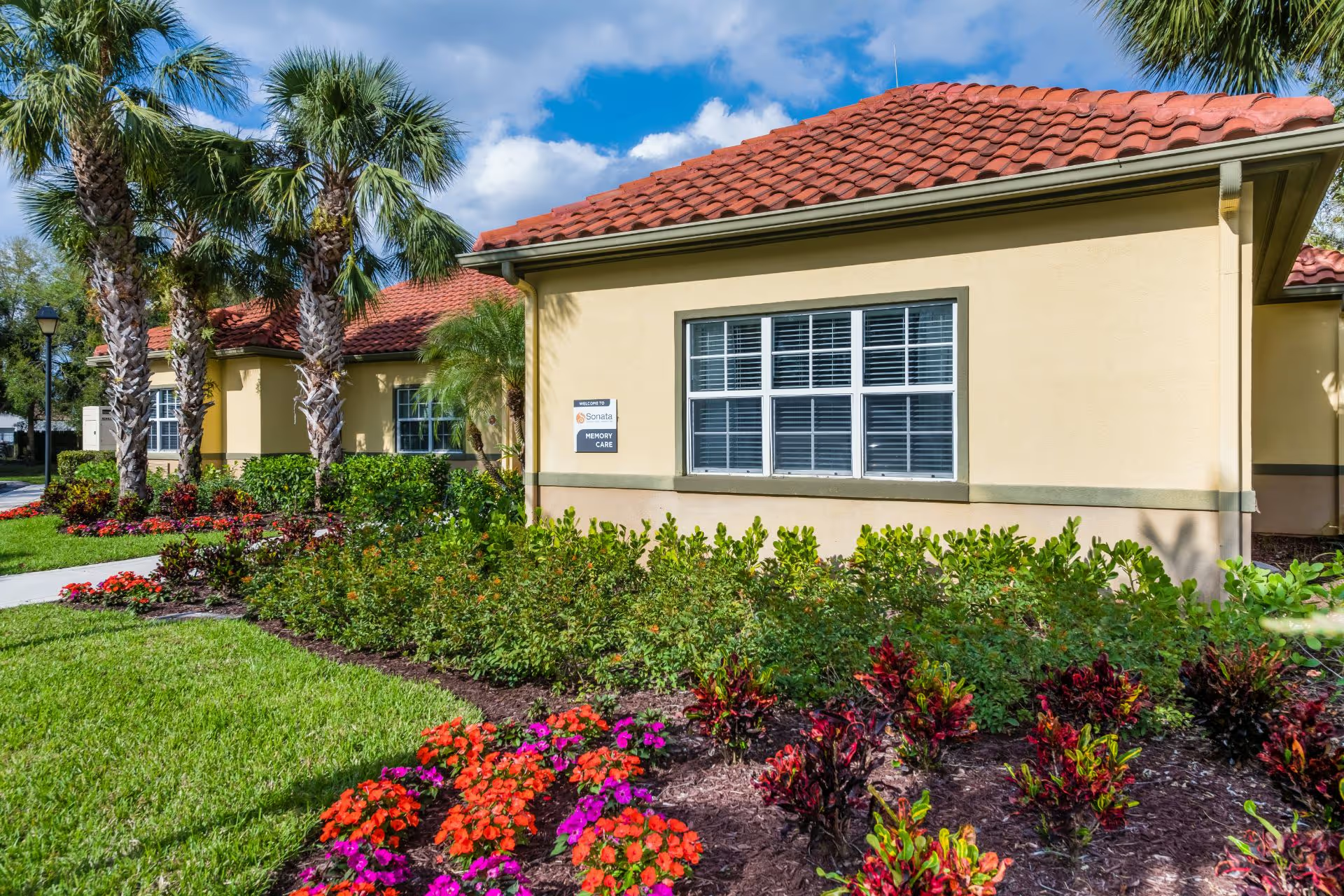
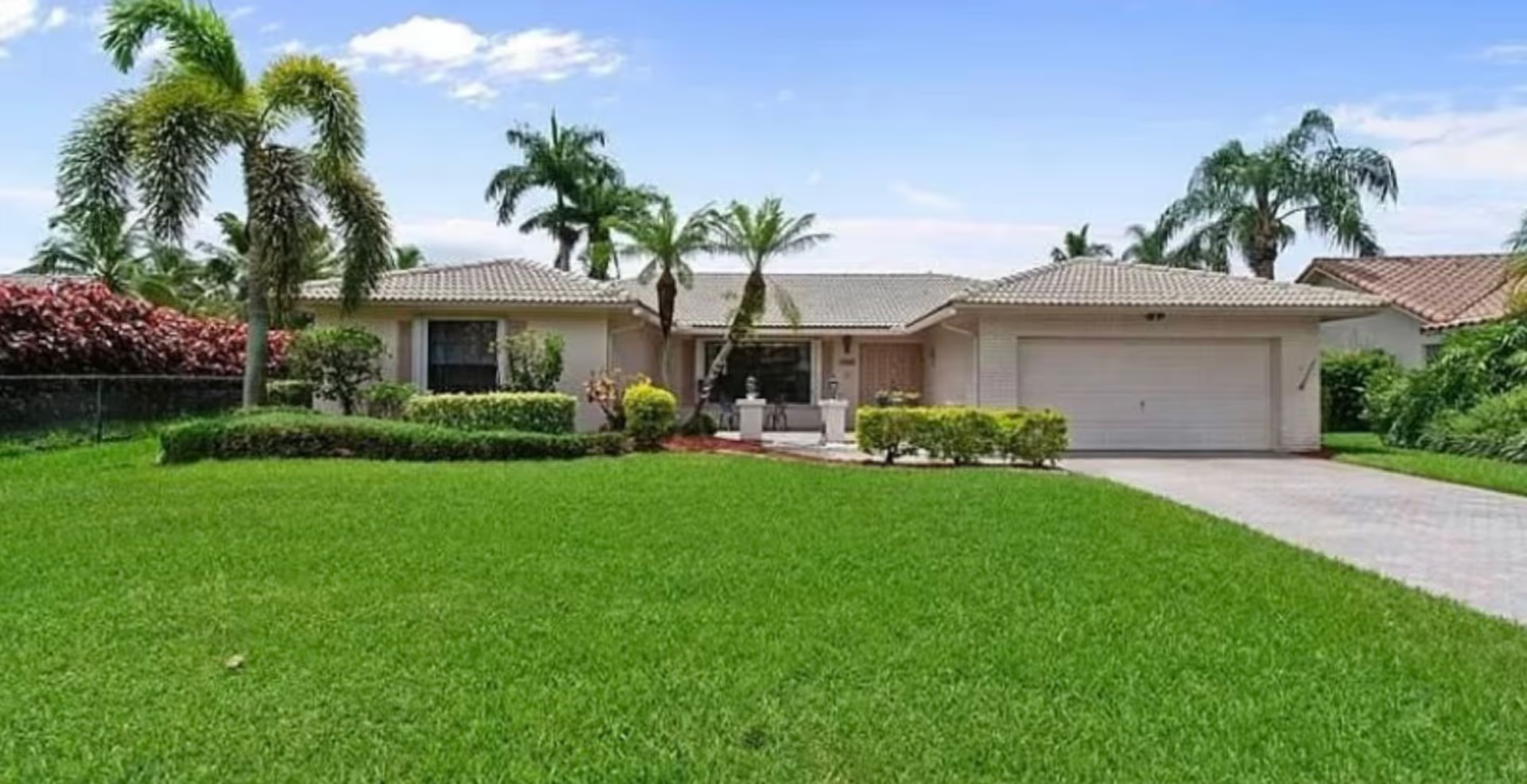
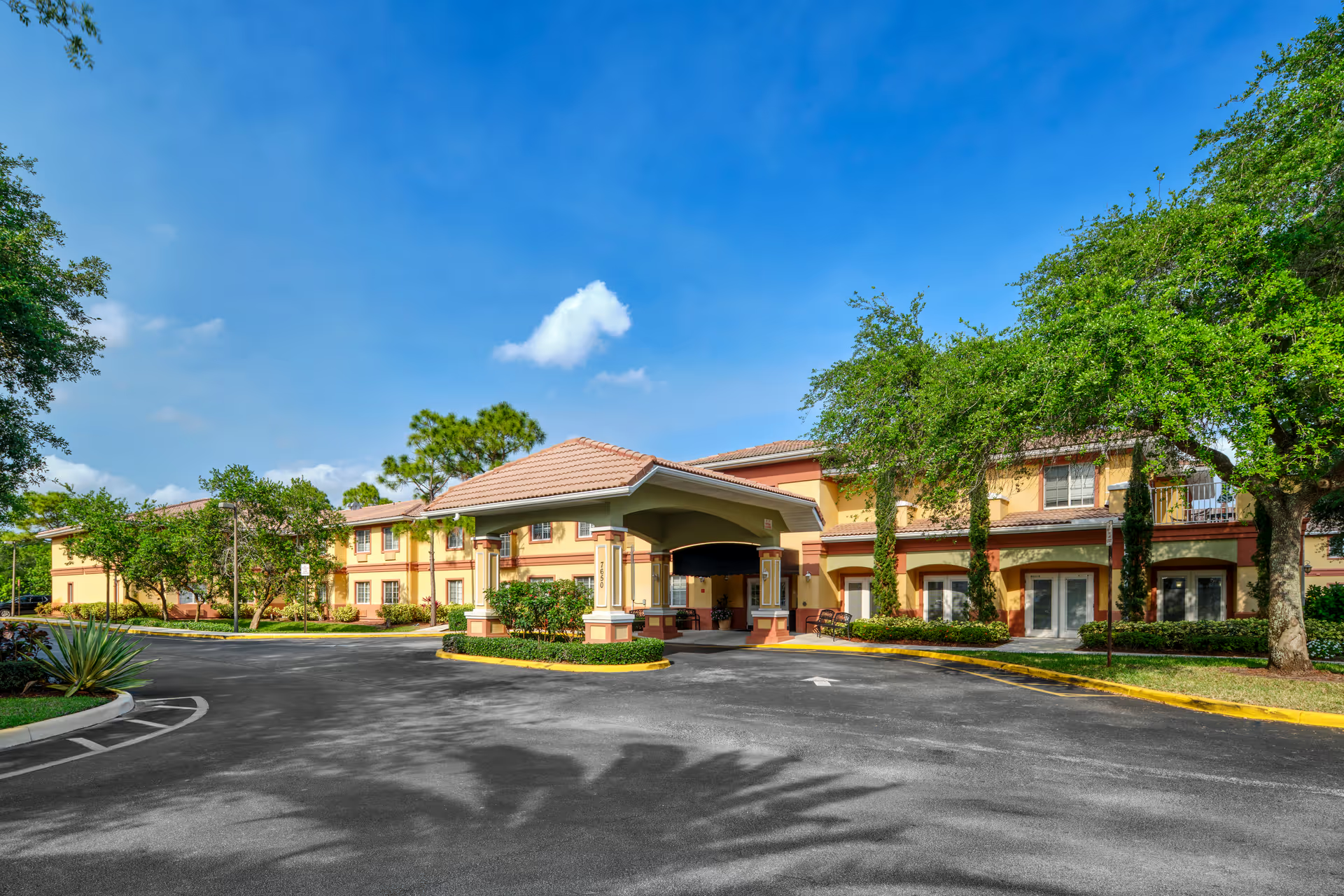
The reviews reflect a split picture of Oasis at Margate: several long-term residents and families describe a small, home-like community with caring, individualized staff, spacious rooms, lake views and porch options, and amenities such as housekeeping, laundry, a large bright dining room, and chef-prepared meals. Those positive impressions emphasize strong resident–staff familiarity, hospice collaboration when needed, and an overall sense of good value for cost in the facility’s earlier or well-staffed periods.
However, a recurring pattern across multiple accounts points to operational instability and service inconsistency. Many reviewers describe substantial staffing turnover and reductions in hours and positions, which reviewers link to changes in ownership and cost-cutting measures. Those staffing gaps are associated with long wait times for assistance, front-desk coverage lapses, and uneven emergency responsiveness. Several comments describe staff inexperience and language or communication barriers that can affect day-to-day care and family communication.
Clinical and care-quality concerns largely cluster around medication management, dining services, and sanitation. Multiple accounts describe late or missed medication administrations and variability in clinical oversight; this is reflected in the facility-level trait of inconsistent medication administration. Dining-related issues include declining food quality, meals served at inconsistent temperatures, and interruptions to expected meal service. Housekeeping and in-room sanitation issues are also raised, suggesting variability in cleanliness standards across units.
Social programming and amenity availability emerge as another important pattern. While some residents report enjoyable activities and a sense of community engagement, other accounts indicate that activities, offsite outings, and advertised amenities have been reduced or eliminated. In-room communication changes (for example, removal of phones) and perceived discrepancies between advertised services and current offerings are cited as sources of frustration for families.
Physical plant observations are mixed: reviewers praise spacious rooms and overall layout, but note that the building is older and has some accessibility limitations such as narrow bathroom doors that complicate wheelchair transfers. Intermittent maintenance issues (for example, HVAC outages or service interruptions) are mentioned alongside otherwise adequate upkeep in other areas.
In sum, prospective residents and families should weigh two consistent themes: the facility’s potential strengths as a small, personable community with certain physical and service attributes, and the operational risks tied to staffing instability, service reductions, and inconsistent clinical and housekeeping performance. When considering Oasis at Margate, ask targeted questions about current staffing levels, medication-administration protocols, activity schedules and advertised amenities, front-desk coverage, sanitation standards, and recent changes in ownership or management to get a clear, up-to-date picture of the services actually being provided.