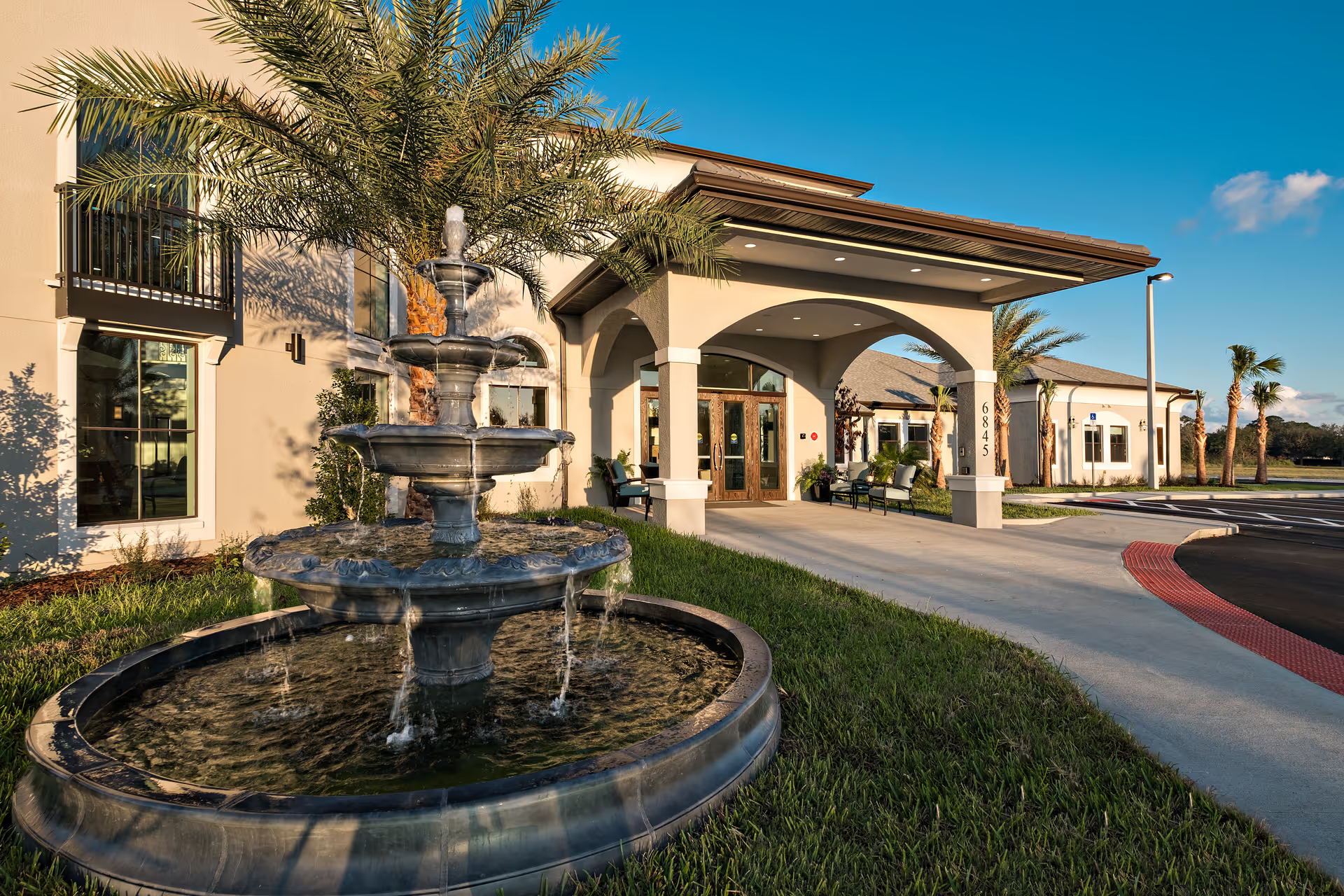
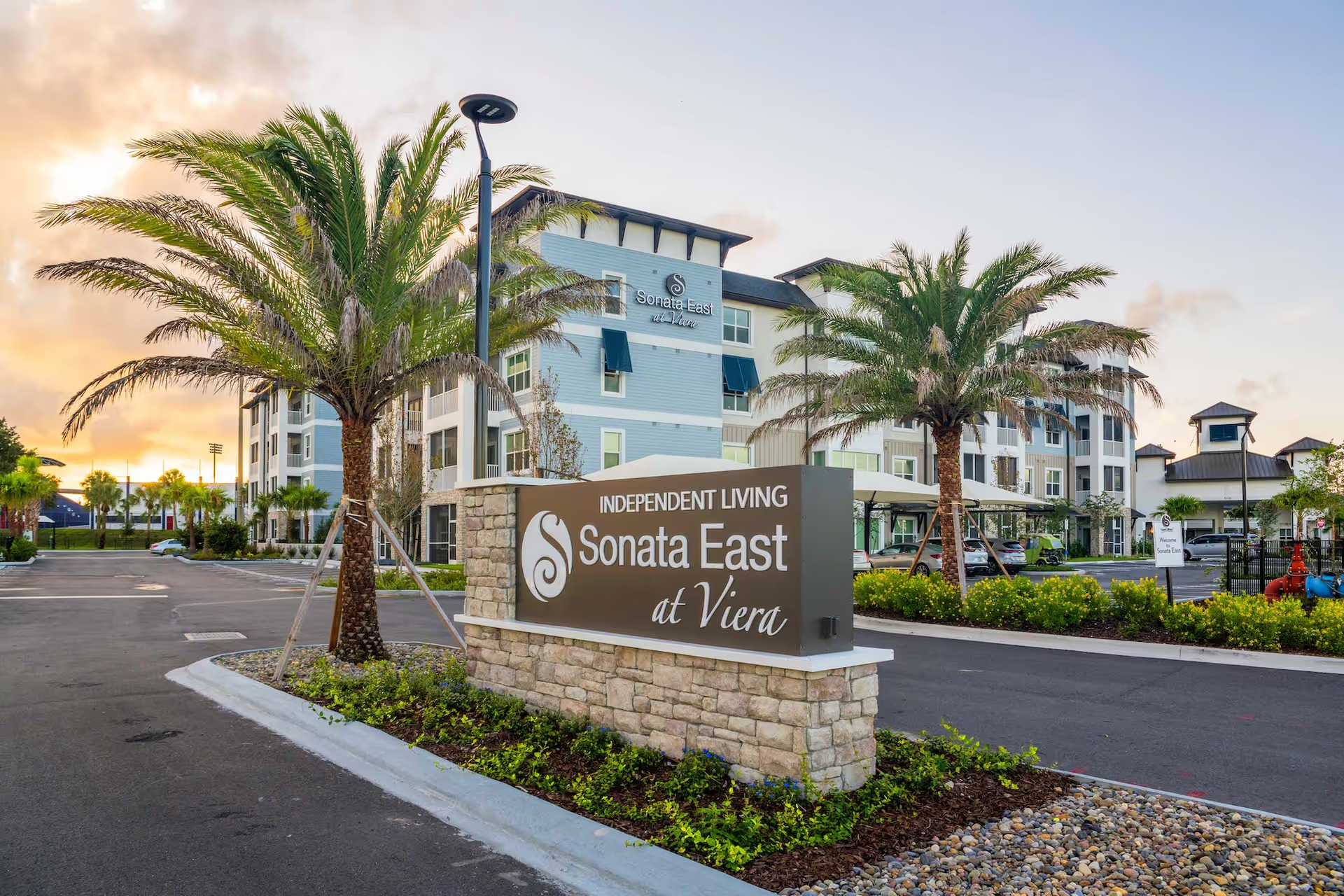
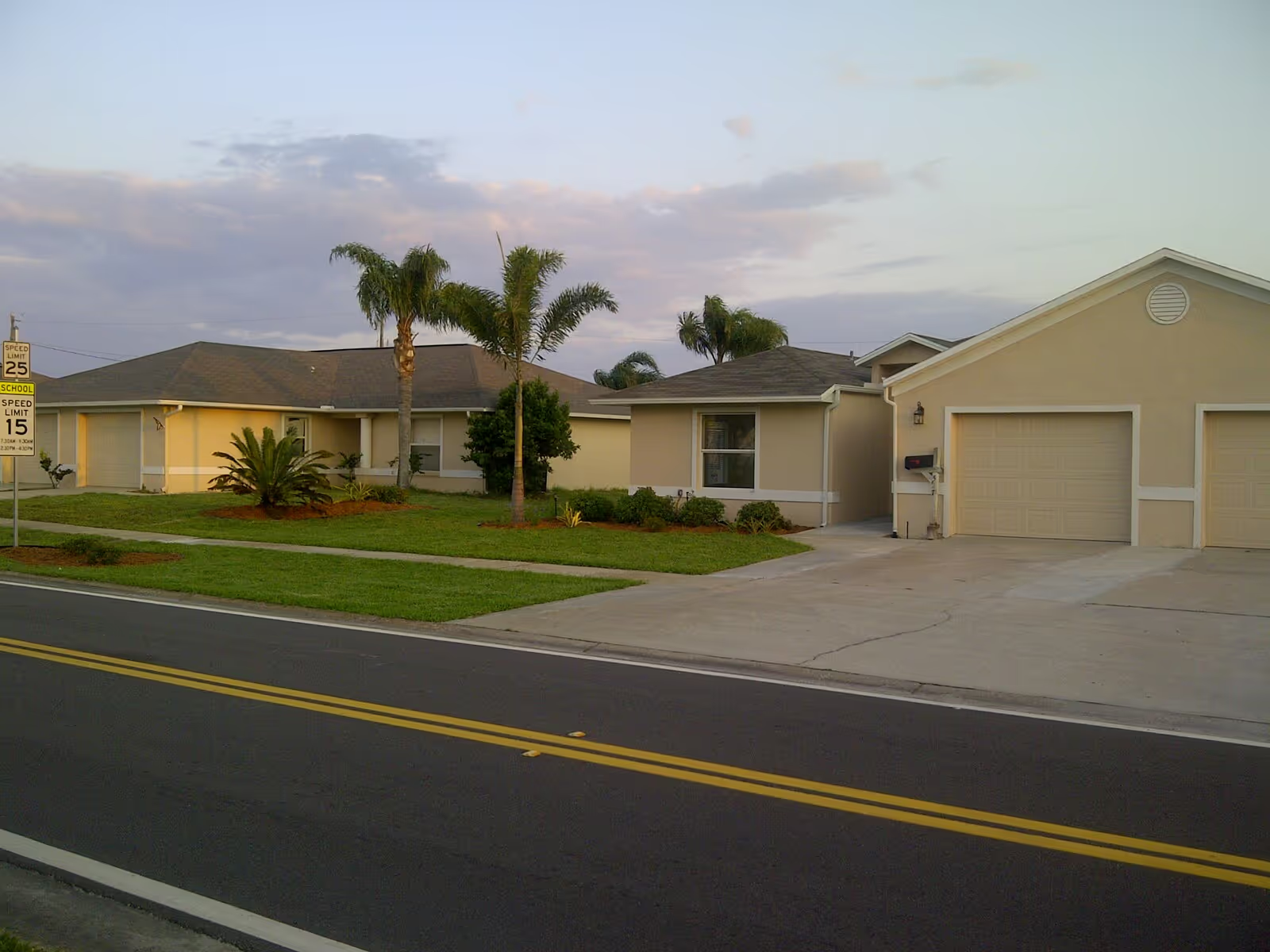
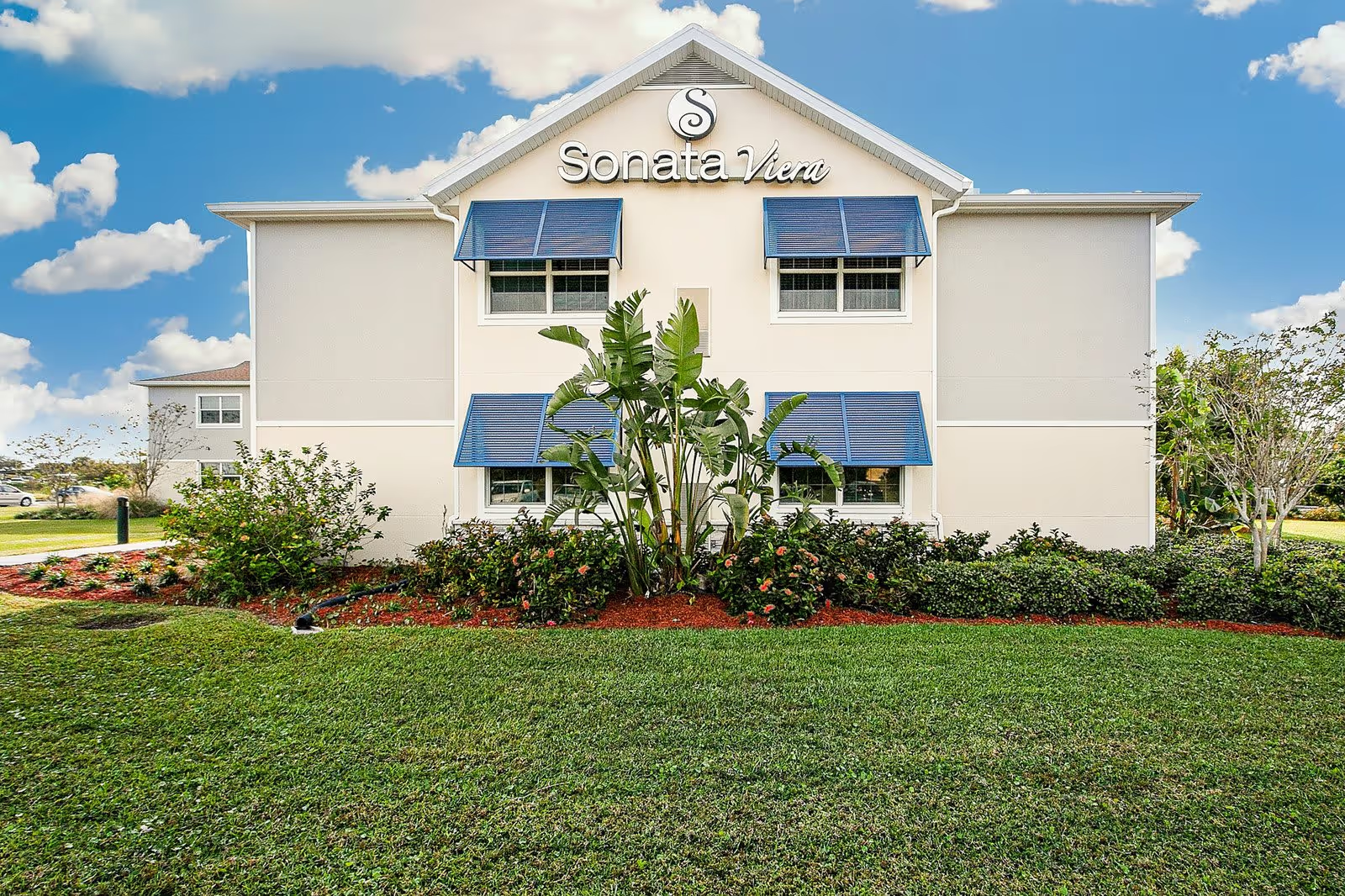
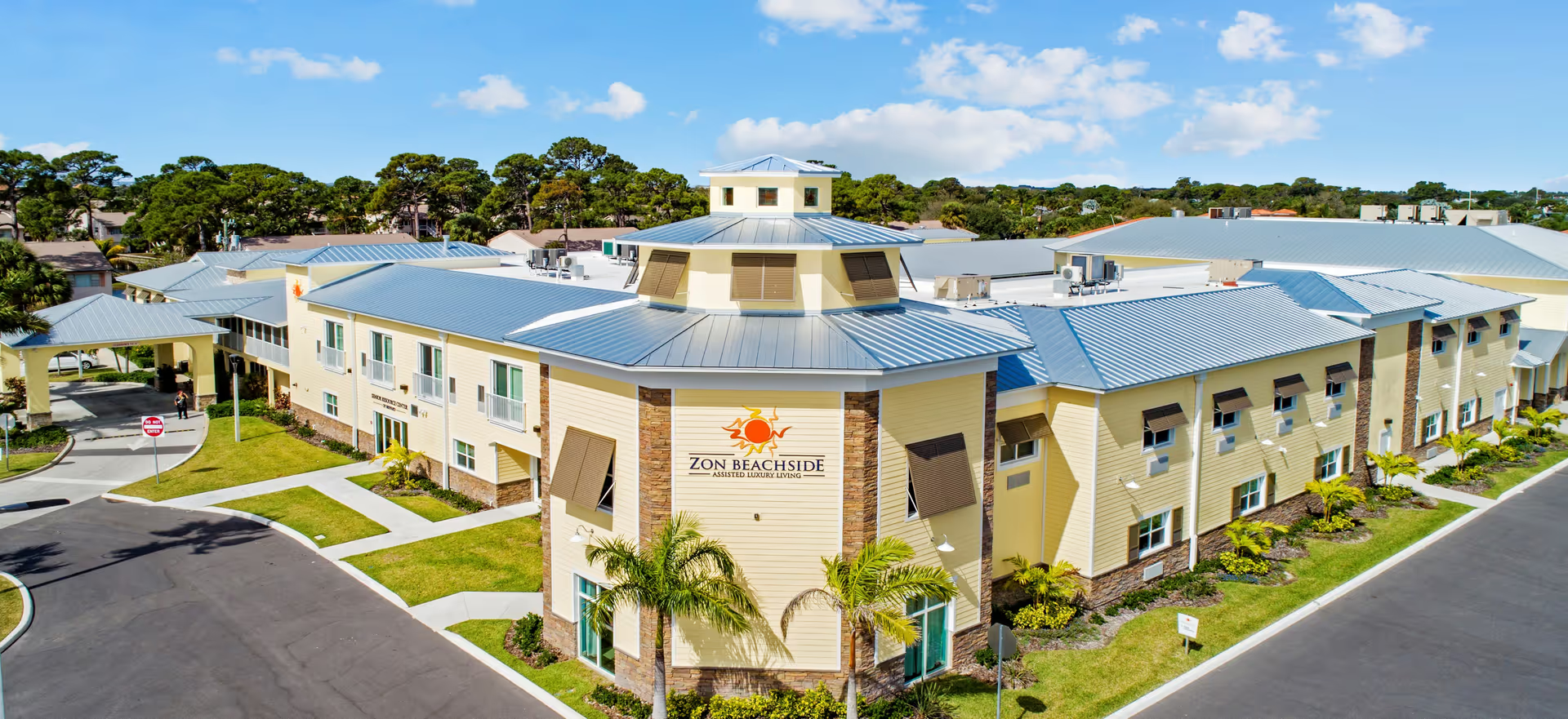
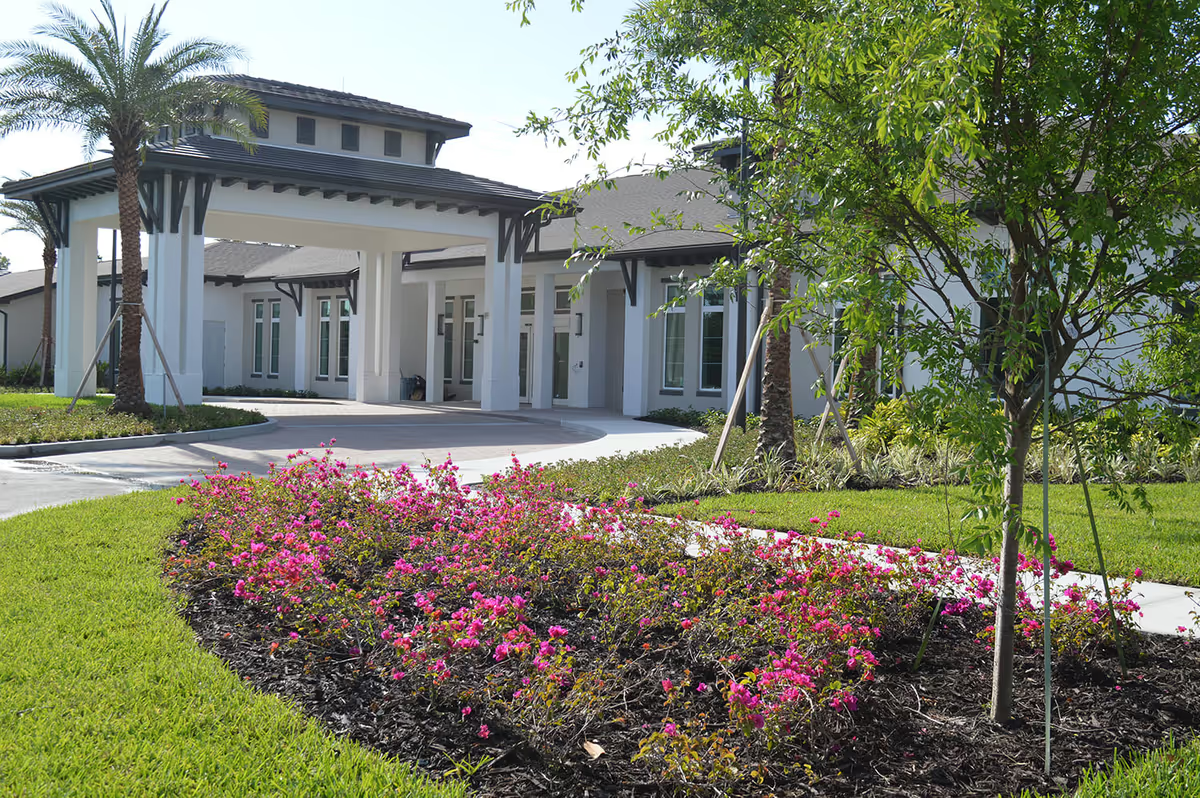
Chateau Madeleine is consistently described as a newly built, resort-like assisted living and memory-care community with strong emphasis on hospitality. Families and visitors frequently praise the facility’s physical design and grounds — a modern, hotel-like interior, enclosed courtyards, lakeside access, walking trails, and planned amenities such as a pool and shuttle/golf-cart transportation. The property is repeatedly characterized as clean, well-maintained, and visually appealing, which contributes to a calm, homey atmosphere for residents.
Staffing and clinical supports are a central strength in the reviews. Many accounts highlight attentive, compassionate caregivers, a high staff-to-resident ratio, visible leadership, and smooth transition assistance for new residents. The community offers on-site clinical resources, 24/7 care coverage, hospice support, and an on-site physician presence, which families cite as providing reassurance. Memory-care programming is described as small and home-like with separate dining and personalized rooms — a feature that many families view positively.
Dining and social programming are standout features. Reviewers commonly note a chef-driven menu, multiple dining venues with distinct offerings, nearly round-the-clock access to food, and flexible meal times. The recreation program is broad and active: daily activities, live entertainment, theater presentations, travelogues, volunteer opportunities, and frequent outings and field trips organized by an engaged activities director. Staff in recreation and hospitality roles are repeatedly singled out for going “above and beyond,” and events such as birthdays and community celebrations are described as well organized.
Despite the overwhelmingly positive themes, a small number of serious concerns appear in the feedback and should be considered by prospective families. There are references to issues involving caregiver conduct and to family concerns about clinical responsiveness in isolated cases; one reviewer used an allegation to describe an incident involving a caregiver. These accounts, while not the norm in the broader set of impressions, are significant and suggest the importance of asking the community about incident reporting, investigation processes, and family communication protocols.
Operationally, reviewers also flagged a few system-level items: potential gaps in clinical-incident response and family communication pathways, variability in memory-care clinical outcomes for some residents, and limits to memory-care coverage under certain insurance specifications. Several comments note ongoing construction or service upgrades related to the facility opening and expansion; these may temporarily affect noise, access, or program availability. Finally, some families raised concerns about feedback visibility and transparency online, which may warrant direct conversation with management about how the community collects, responds to, and documents family feedback.
Overall, Chateau Madeleine presents as a high-end, hospitality-focused community with notable strengths in staff attentiveness, dining, and activity programming. Prospective residents and families should verify memory-care insurance compatibility, review the community’s clinical incident and communication protocols, and ask about current construction or upgrade timelines. Visiting during an activities day and speaking with nursing leadership about specific clinical practices will help assess fit and address the isolated but serious concerns that were raised by a small number of families.