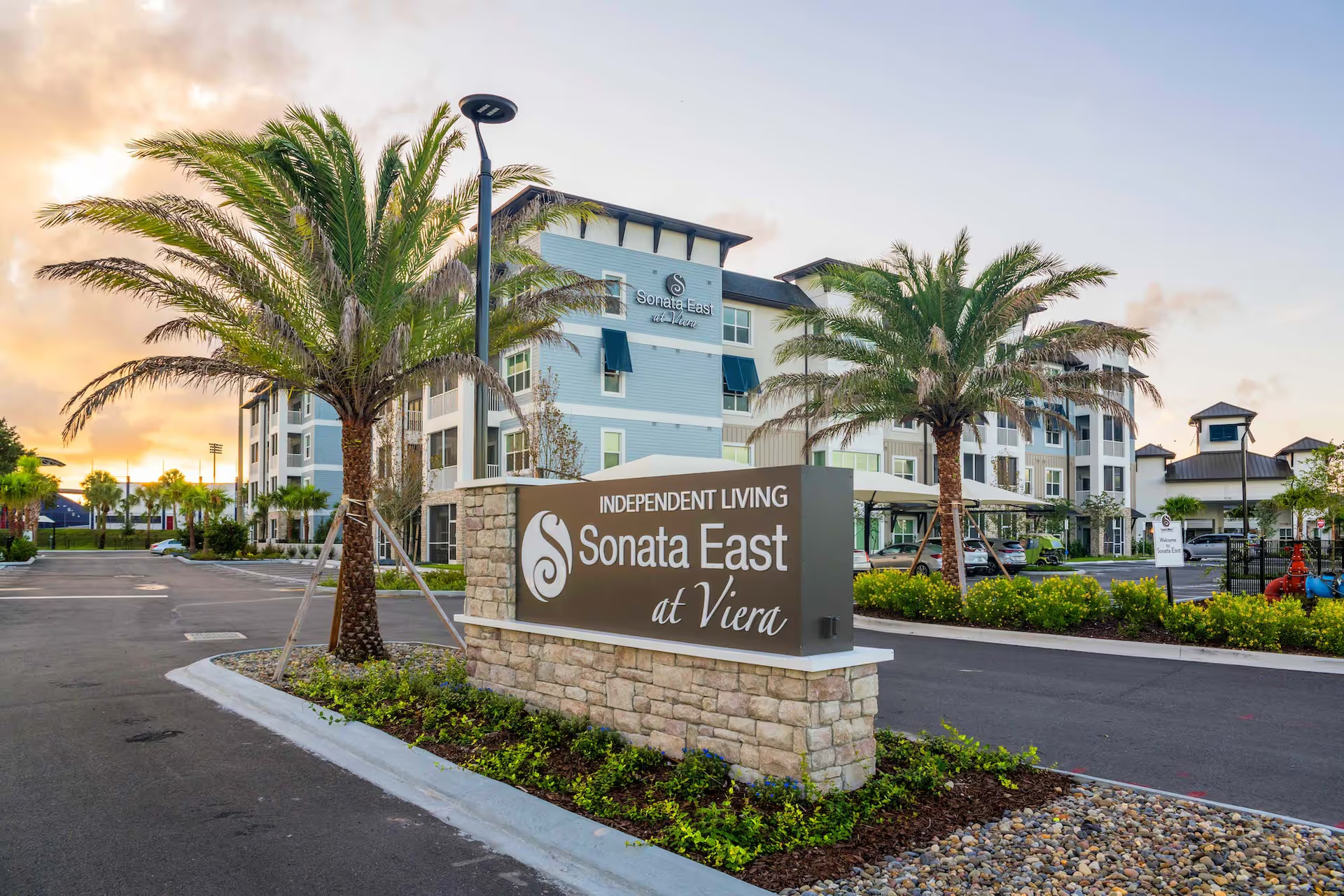
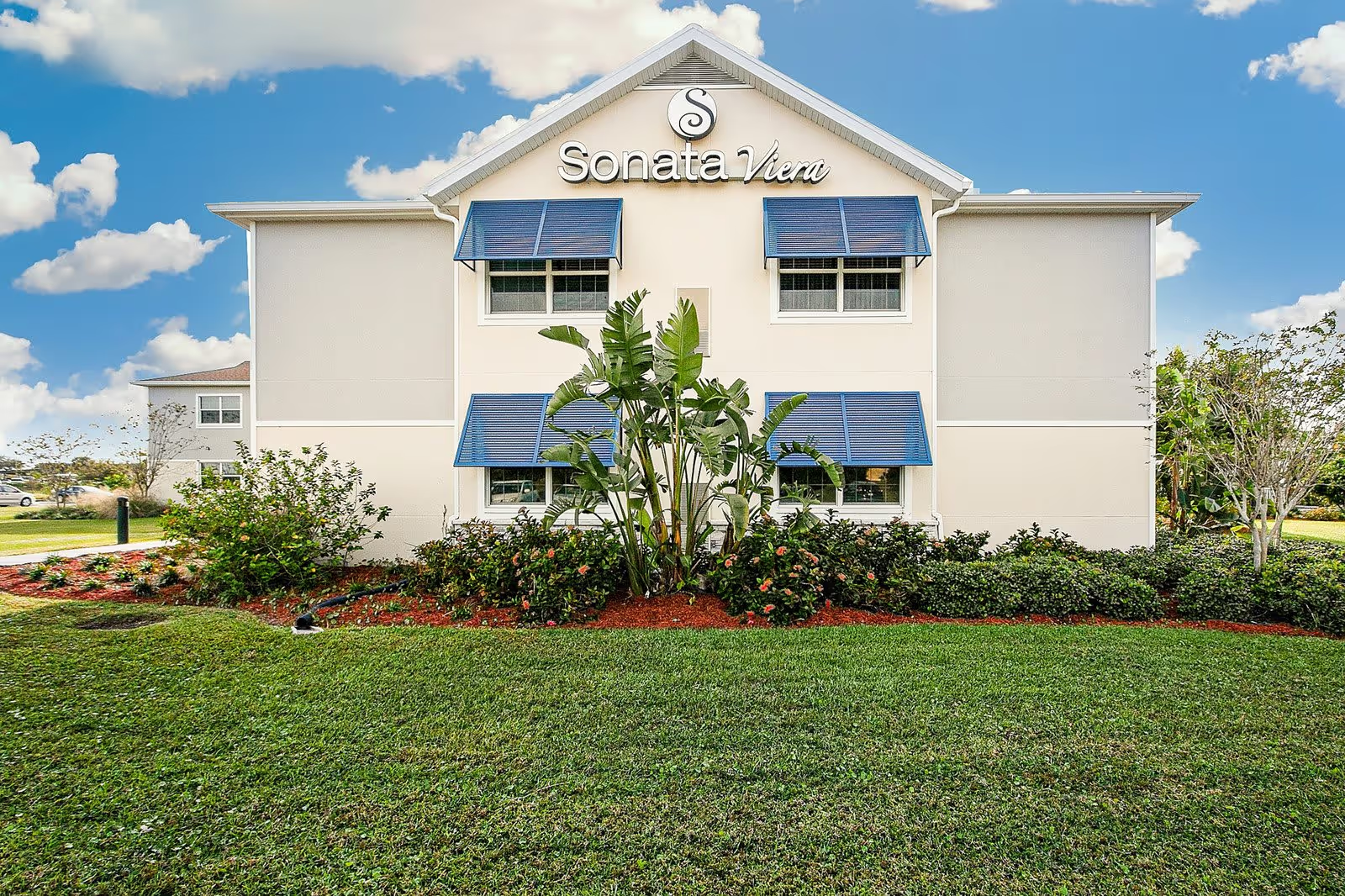
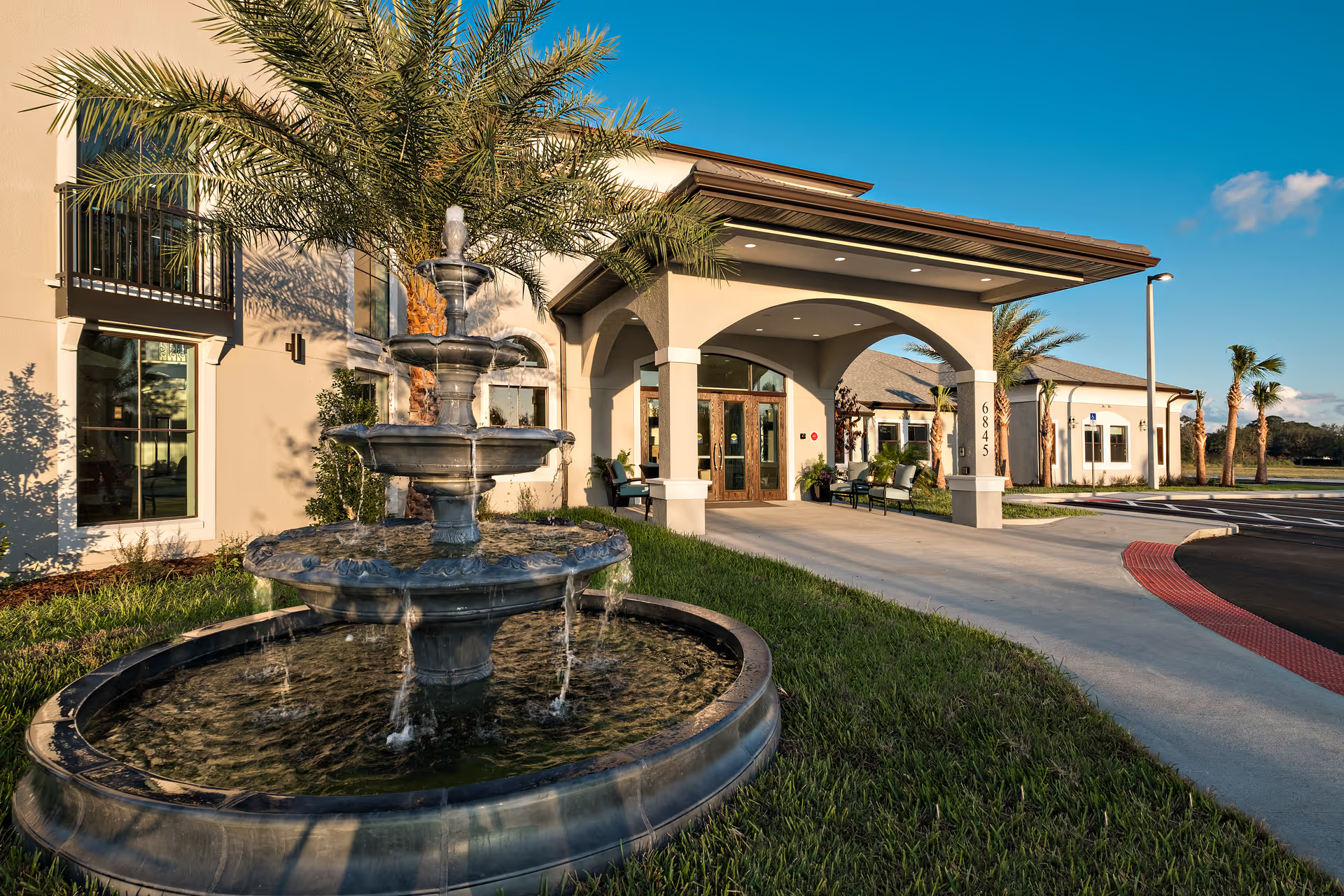
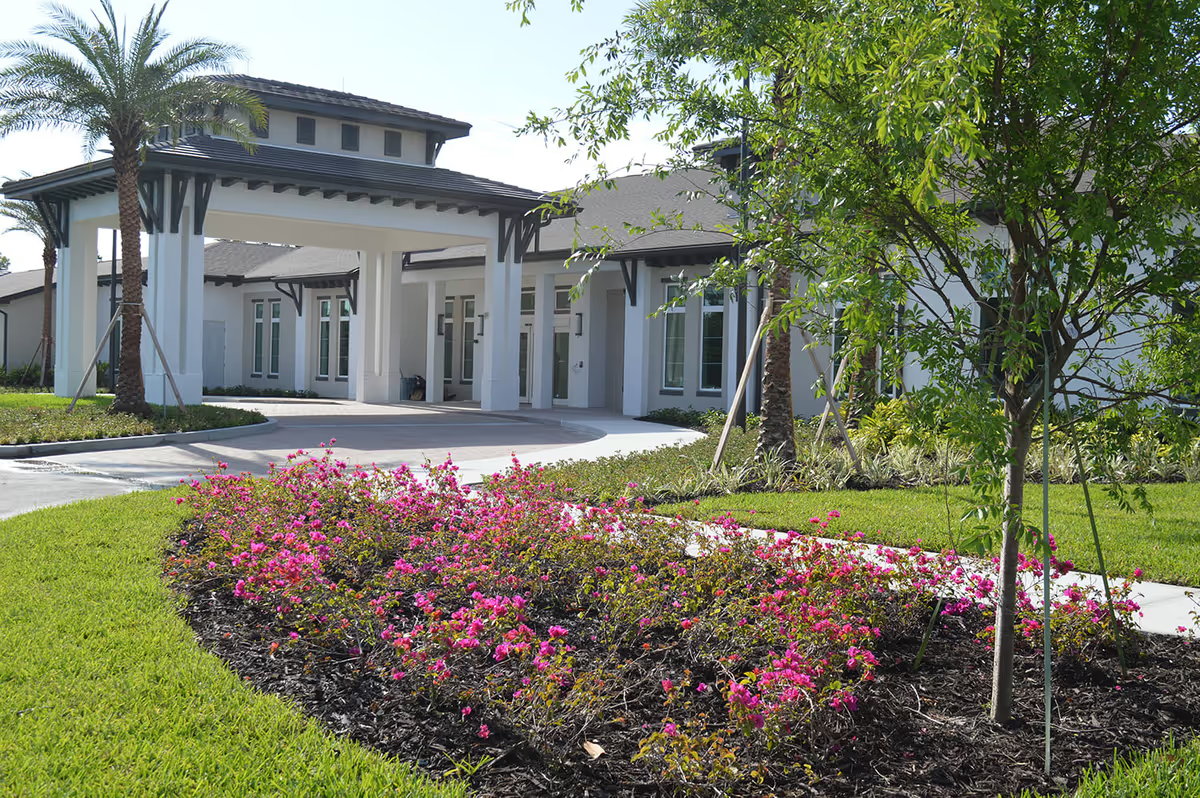
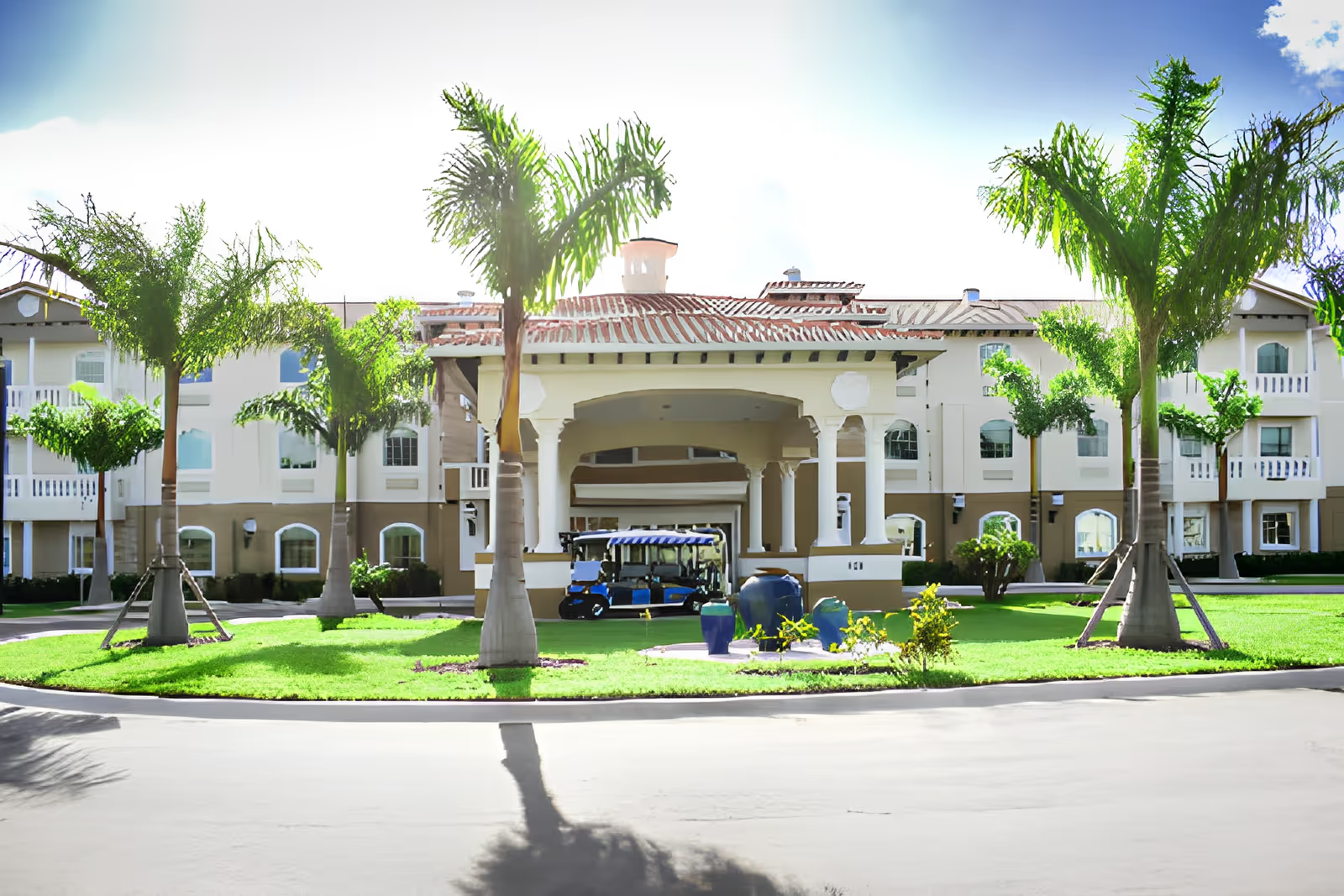
Overall impression: Reviews indicate a facility with a modern, well-maintained physical environment and a large number of families who experience compassionate, resident-focused care. The admissions and leadership teams are frequently described as helpful and knowledgeable, and many families cite smooth move-ins, responsive coordination, and a welcoming, home-like atmosphere. The community also offers on-site medical and vendor services, regular housekeeping and laundry, and a variety of dining options that include off-menu selections.
Care quality and staff: Many families highlight strong interpersonal care — caregivers are described as kind, professional, and attentive, and leadership (including clinical directors) is frequently praised for being knowledgeable and supportive. At the same time, a recurring operational concern is variability in staffing and caregiver skill levels. This manifests as inconsistent caregiver availability, periods where families felt additional one-on-one support was necessary, and uneven training or experience among front-line staff. Memory-care teams receive mixed assessments: where staffing is stable they are credited with positive outcomes, but staffing and programming inconsistencies in memory care were a recurrent worry for families who need higher-acuity support.
Dining and activities: Dining offerings receive both praise and criticism. Positive comments note variety, occasional off‑menu flexibility, and attractive presentation; however, several accounts cite variability in meal quality and consistency. Activities programming is generally viewed as robust and engaging, contributing to resident well-being, but engagement levels can be hit-or-miss and memory-care programming was described as less consistent than general programming in some instances.
Facilities and operations: The campus is commonly described as bright, attractive, and clean, with spacious common areas and convenient on-site services. Conversely, reviewers raised operational concerns including intermittent infrastructure failures and prolonged service interruptions (for example, extended hot-water outages), and instances where maintenance and sanitation continuity suffered during staff turnover or transitions. These issues suggest occasional gaps in operational reliability despite generally good physical upkeep.
Management, communication, and billing: Leadership and sales staff are often singled out for effective communication and advocacy during move-in and transitions. Nevertheless, several families described gaps in clinical follow-up and family communication, including delayed or inconsistent responses from nursing leadership. There are also concerns about pricing transparency: families noted fee increases and a billing structure that may exclude certain basic necessities from the base monthly charge. Some families felt marketing messages about aging-in-place capability and extended congregate care licensing did not fully align with their later clinical experience, creating a perception of overpromise in a few cases.
Notable patterns and guidance: In summary, the Blake at Viera demonstrates clear strengths in atmosphere, amenities, and the quality of caregiving when staffing is stable. The principal risks for prospective residents are variability in staffing and training (especially in memory care), inconsistent communication and clinical follow-up, and occasional operational reliability issues. Families touring the community should verify current memory-care staffing levels and training, ask for specifics about emergency and utility-contingency procedures, review the fee schedule carefully for items not included in the base rate, and request examples of recent care plans and family-communication protocols to assess consistency. Visiting at different times of day can also help assess activity engagement and meal service consistency.