The reviews present a mixed picture of Fair Havens Center. Many families describe attentive, professional nursing and strong hospice and dementia-care services, with clear communication and dignified treatment at end of life. At the same time, several accounts raise substantive clinical and operational concerns that prospective residents and families should evaluate directly during a tour and intake conversation.
Care quality shows clear strengths and some notable weaknesses. Strengths include skilled bedside nursing, informed hospice coordination, and staff who communicate effectively with families. These elements appear to support positive outcomes for residents with complex needs such as dementia. Conversely, there are indications of lapses in clinical processes: failures to review prior records, inconsistent adherence to individualized care plans, and gaps in incontinence-care and skin-injury prevention. These issues suggest potential weaknesses in clinical handoffs, documentation review, and ongoing monitoring that could affect resident safety and clinical outcomes.
Staff performance is described as variable. Many reviewers praise caregivers and nurses for professionalism, respect, and responsiveness; several families explicitly recommend the facility for dementia and hospice care. However, other accounts describe inconsistent empathy and responsiveness among staff, and perceptions of managerial detachment. This pattern points to variability in staff training, supervision, and culture — strengths among frontline caregivers coexist with concerns about uniformity of conduct and leadership tone.
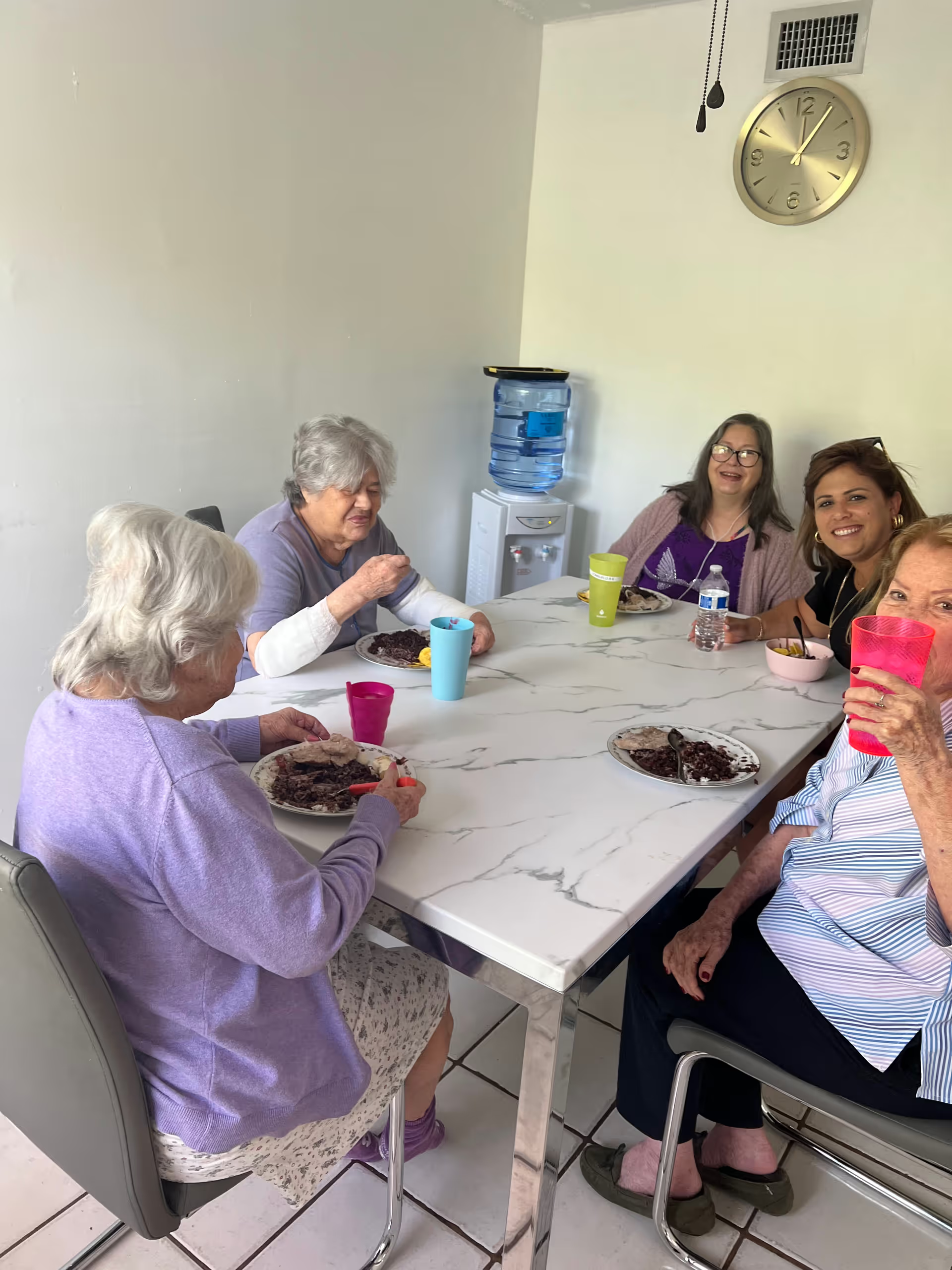
There is limited information about dining and activities in the available summaries. Because these areas are not consistently discussed, families should request current menus, sample activity schedules, and observe meal service and activity participation during an in-person visit to form an independent assessment.
Facility conditions appear mixed. Common areas are described as clean and well managed, but resident rooms have been characterized as outdated, cramped, and subject to localized cleanliness and maintenance issues, including concerns about mold and nonfunctional thermostats. These environmental factors can materially affect comfort and infection-control risk; prospective residents should inspect specific rooms, heating/cooling controls, and bathroom conditions when evaluating placement.
Management and grievance processes are another area of concern. Several reviewers expressed unease about the handling of complaints, perceiving limited transparency and difficulty obtaining independent investigation or satisfactory resolution. Combined with the documentation and handoff gaps noted above, these comments suggest that leadership responsiveness and formal quality-assurance processes merit careful inquiry.
Notable patterns: experiences appear polarized — strong endorsements for nursing, hospice, and communication coexist with serious operational and clinical-process concerns. When considering Fair Havens Center, families should verify current staffing ratios and training, review examples of care-plan documentation and incident-response protocols, tour specific rooms to assess environmental maintenance, and ask about the facility's complaint escalation and quality-review procedures. Those steps will help clarify whether the facility's strengths align with a prospective resident's priorities and whether identified weaknesses have been addressed.