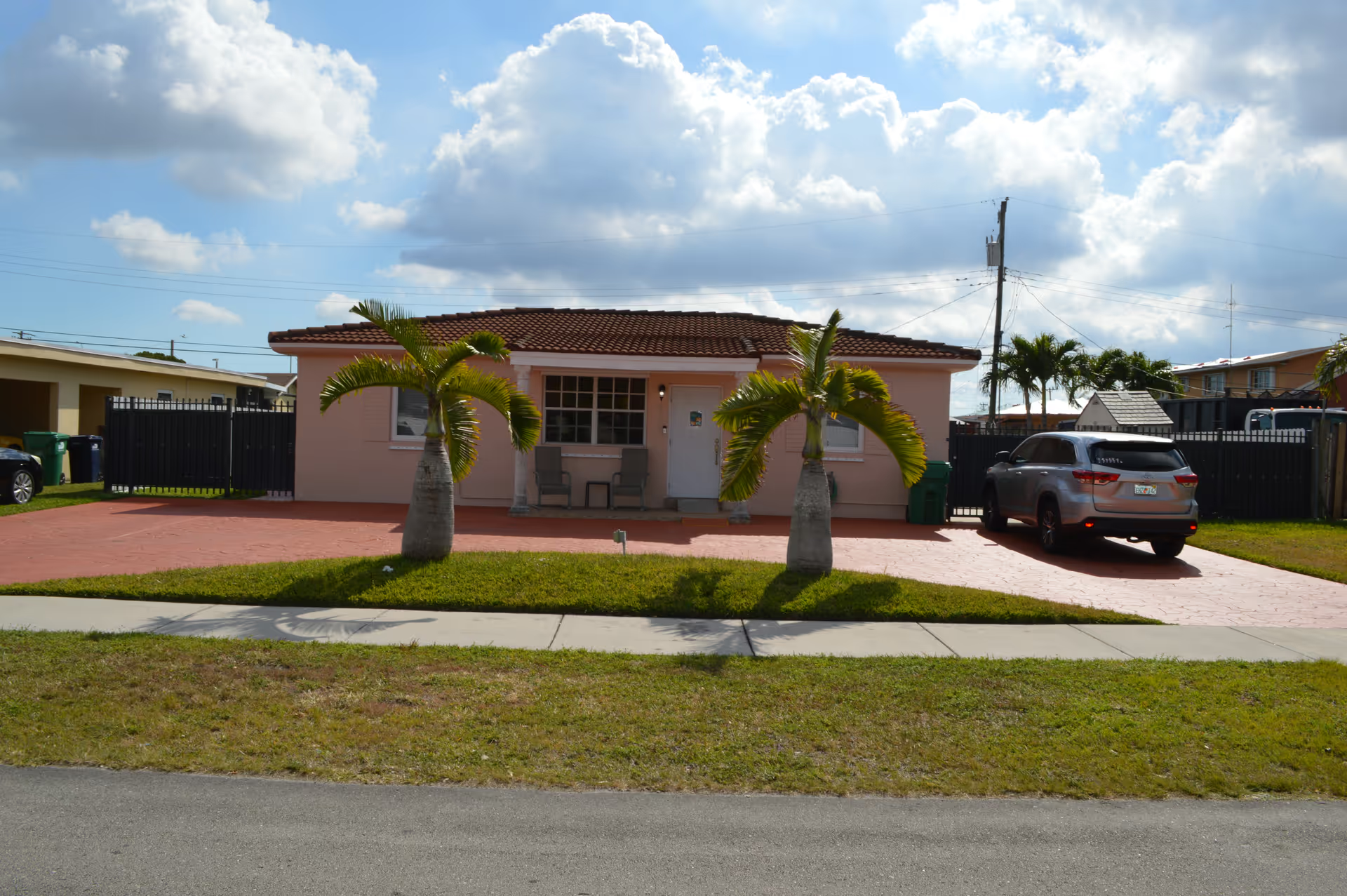
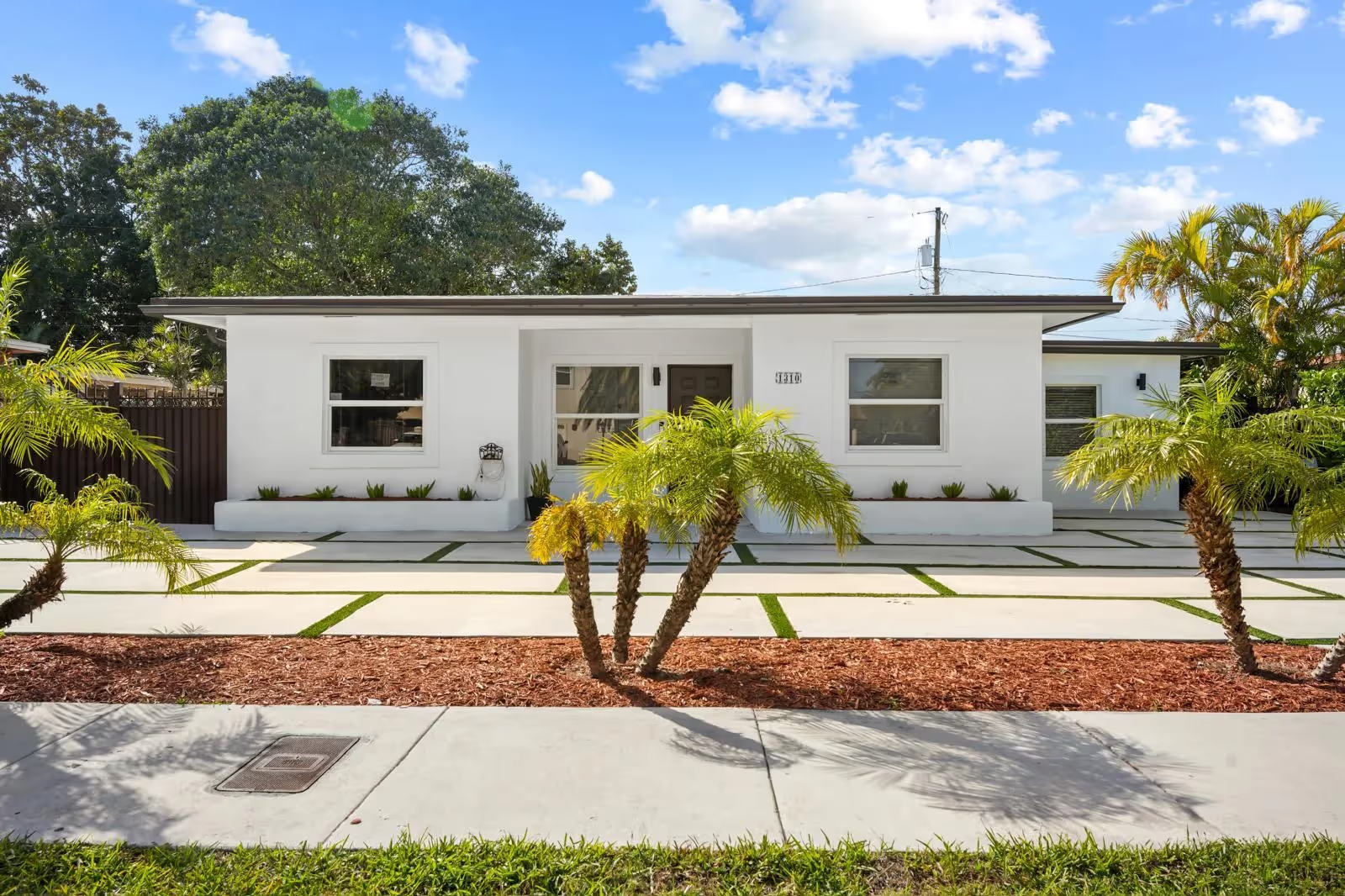
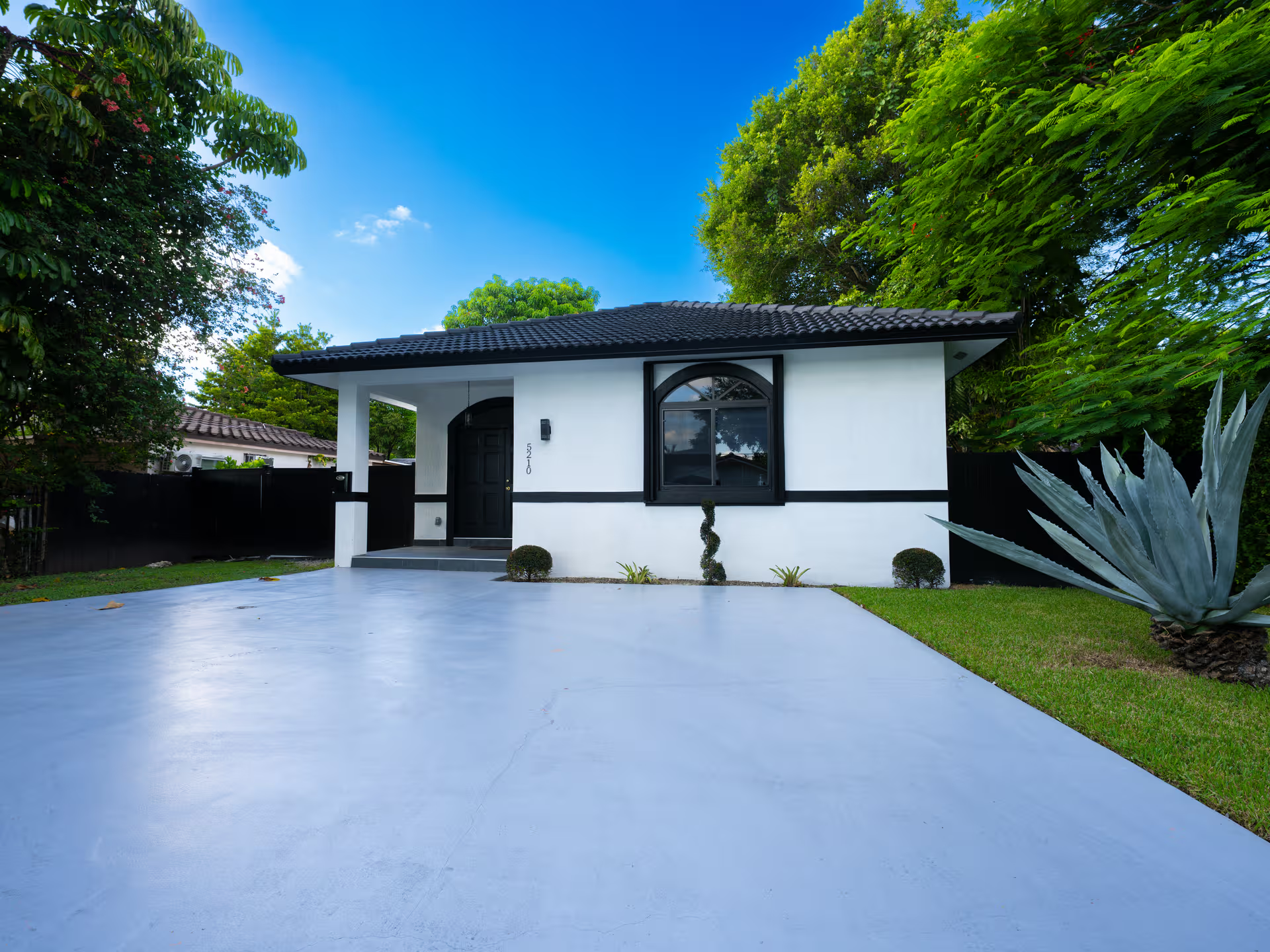
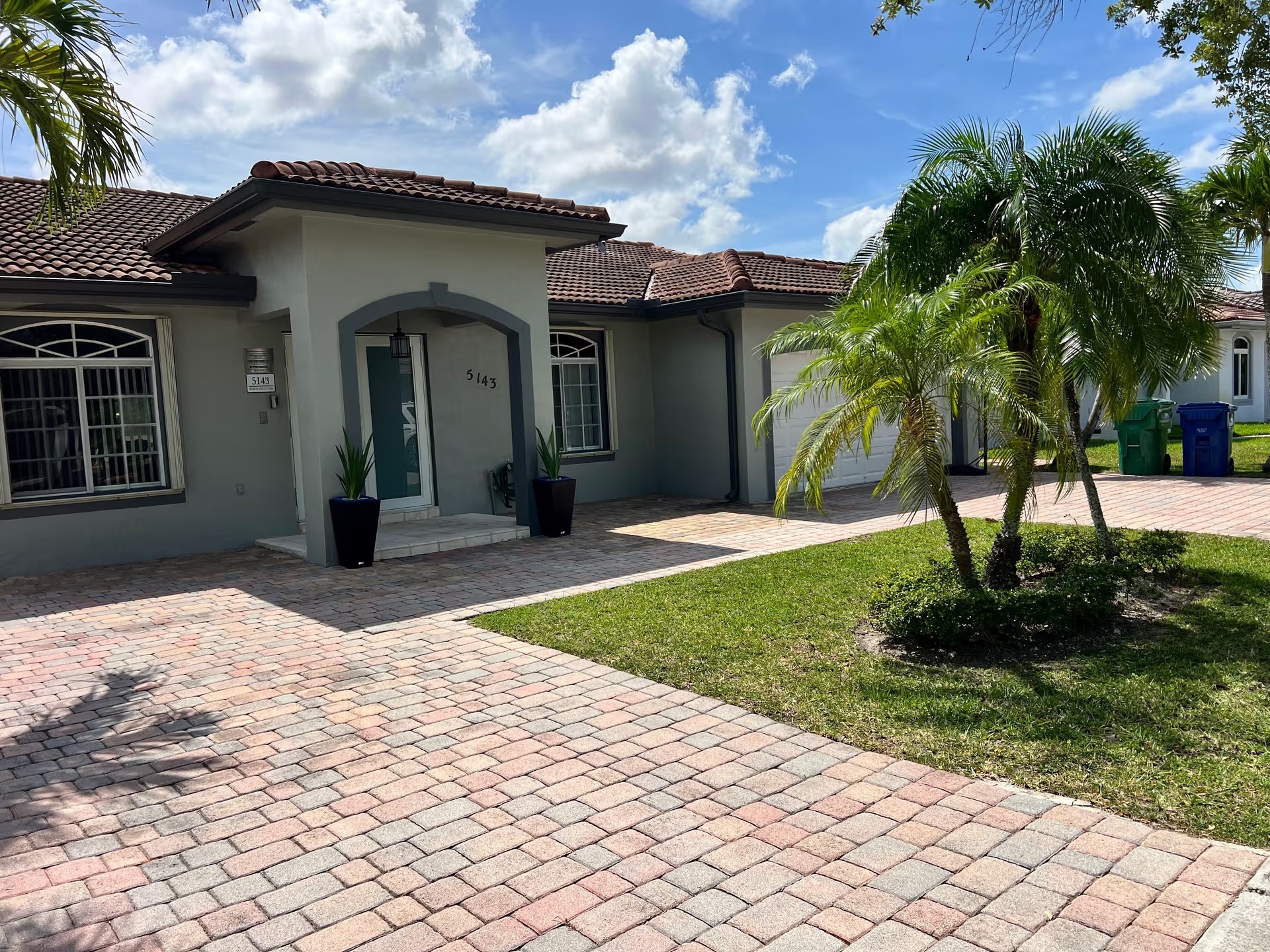
The reviews portray Assisted Living of Westchester LLC as a small, home-like residential setting with consistently positive family feedback on day-to-day care. Reviewers emphasize compassionate, affectionate caregiving and a warm, family atmosphere; residents are described as comfortable, emotionally supported, and in many cases happy over extended stays. The facility's cleanliness and sanitation practices are repeatedly praised, and infection-control measures are highlighted as a strength.
Staff and management are frequent focal points in the feedback. Ownership and leadership are described as accessible and responsible, with named individuals (e.g., Joel) and caregivers (e.g., Violeta) receiving specific commendation. Staff are characterized as professional, welcoming, and attentive; families note flexible visitation, helpful communication, and 24/7 supervision. This combination of hands-on ownership and consistent caregiver attention contributes to perceptions of safety and peace of mind among families.
Dining and activities are presented positively. Meals are described as good and well-received, and the program includes engaging activities, birthday and holiday celebrations, and a daycare service that adds daytime structure. The social environment is noted as pleasant and enjoyable, with organized events that foster resident engagement and a sense of community.
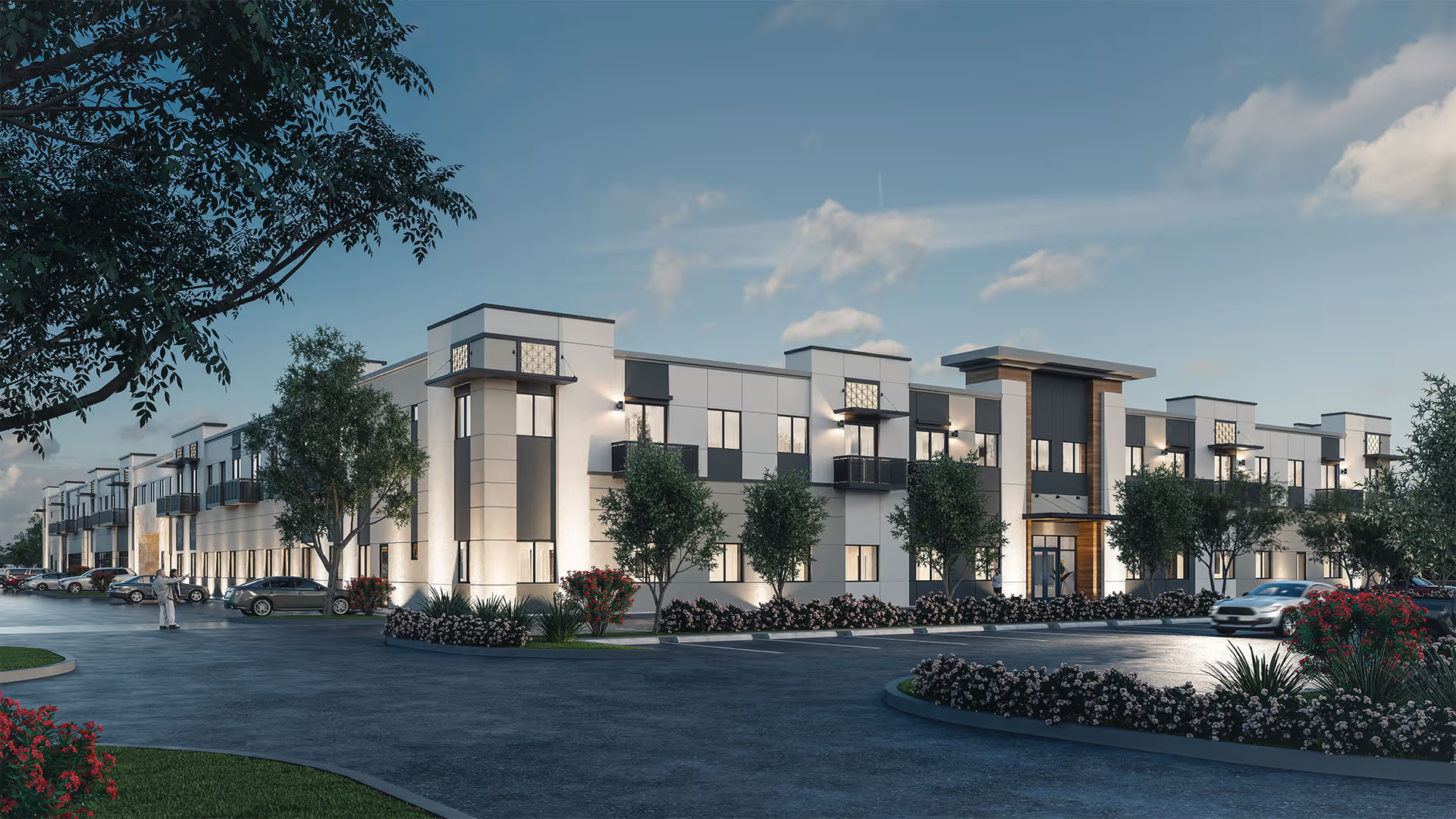
The physical environment is another consistent strength: reviewers mention a bright, calming interior palette, ample natural light, and a modern or newly refreshed home that is kept spotless. These features, together with a perceived emphasis on hygiene, support a welcoming atmosphere that families appreciate.
Notable patterns and cautions: while the feedback is strongly favorable about interpersonal care and the home-like model, there is limited explicit detail about the facility's clinical scope, licensed nursing availability, medication-management protocols, and formal emergency procedures. One review alluded to a concerning acute experience; this suggests prospective families should clarify clinical capabilities, staffing ratios, emergency-response processes, and how the facility communicates with families during incidents. Additionally, the small residential model that yields a homelike experience may not provide the same level of specialized memory-care therapies or on-site clinical services available at larger providers. Prospective residents and their families would be well served to tour the home, ask for specifics on clinical services and staffing, and review emergency and medication-management protocols to confirm the facility meets individual medical and care needs.