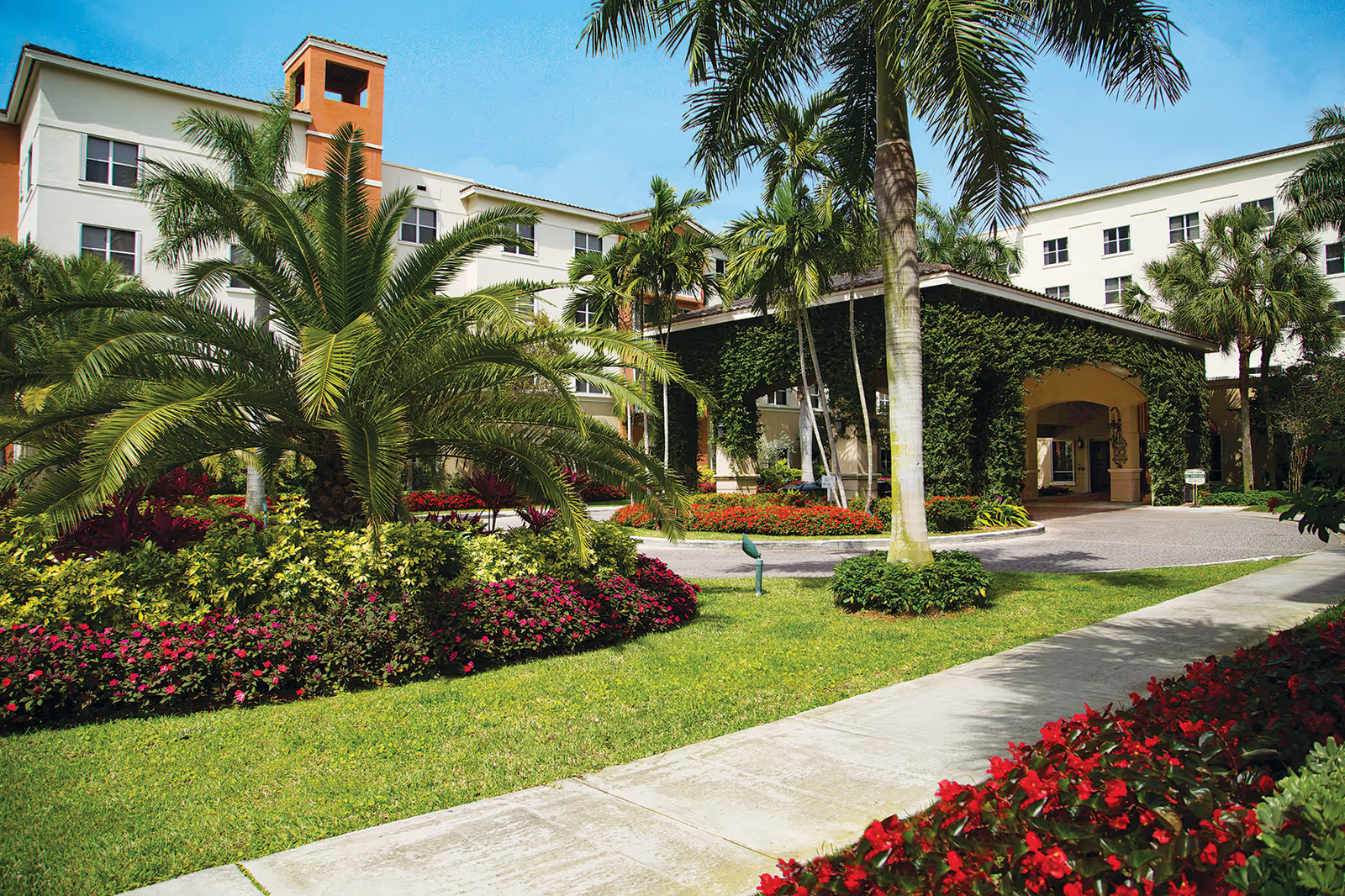
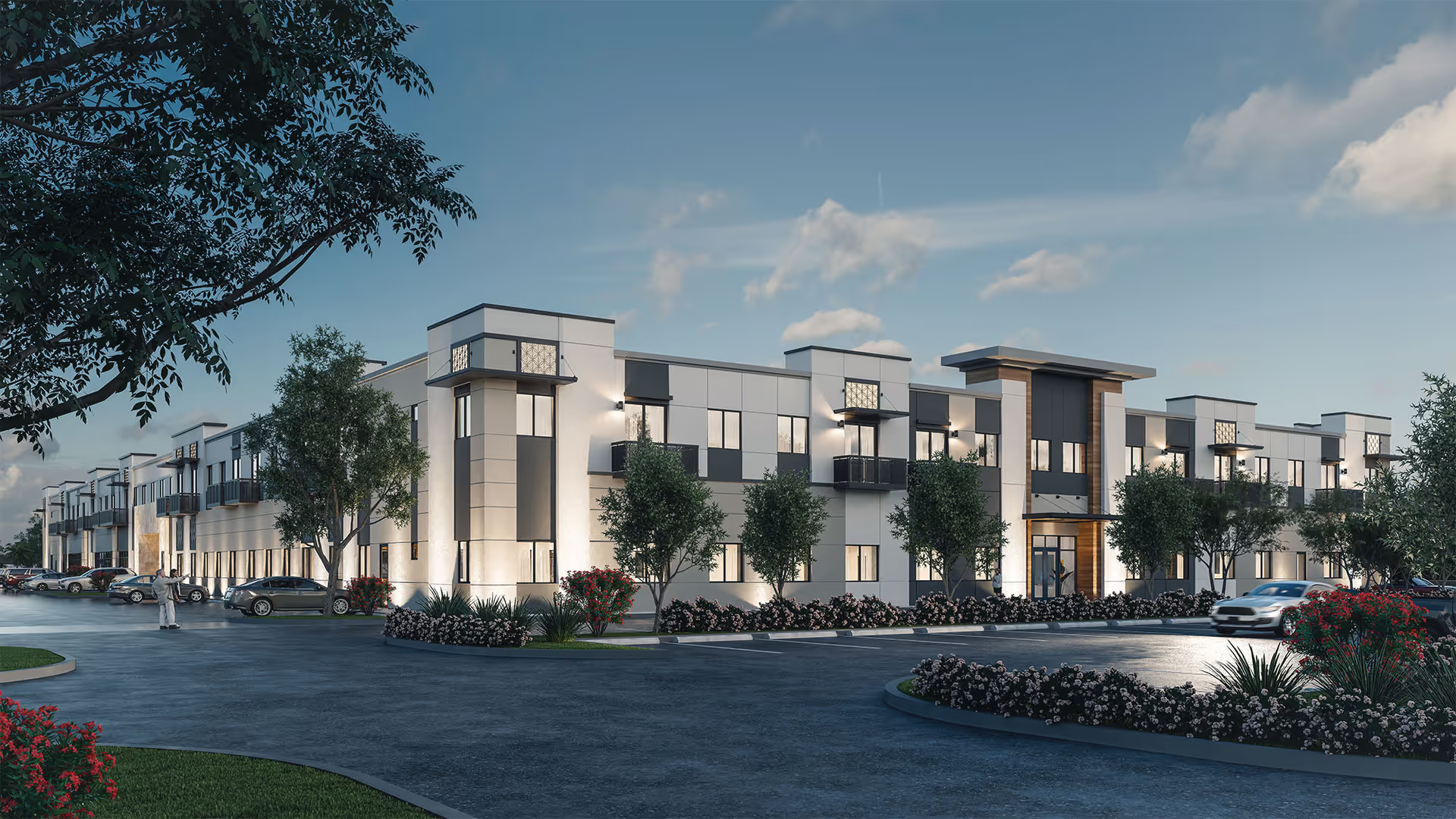
Overview: The Palace Renaissance & Royale presents as an upscale, activity-focused senior living community with many families describing a warm, hotel‑like environment, extensive programming, and a high level of resident engagement. Strengths most consistently emphasized include an attentive caregiving team, creative activities and social events (often led by well-regarded activities directors), frequent outings and transportation, and a well‑maintained campus with resort-style amenities such as a café, pool, salon, and multiple common spaces. Many families value the frequent photo updates and proactive communication that help maintain family involvement.
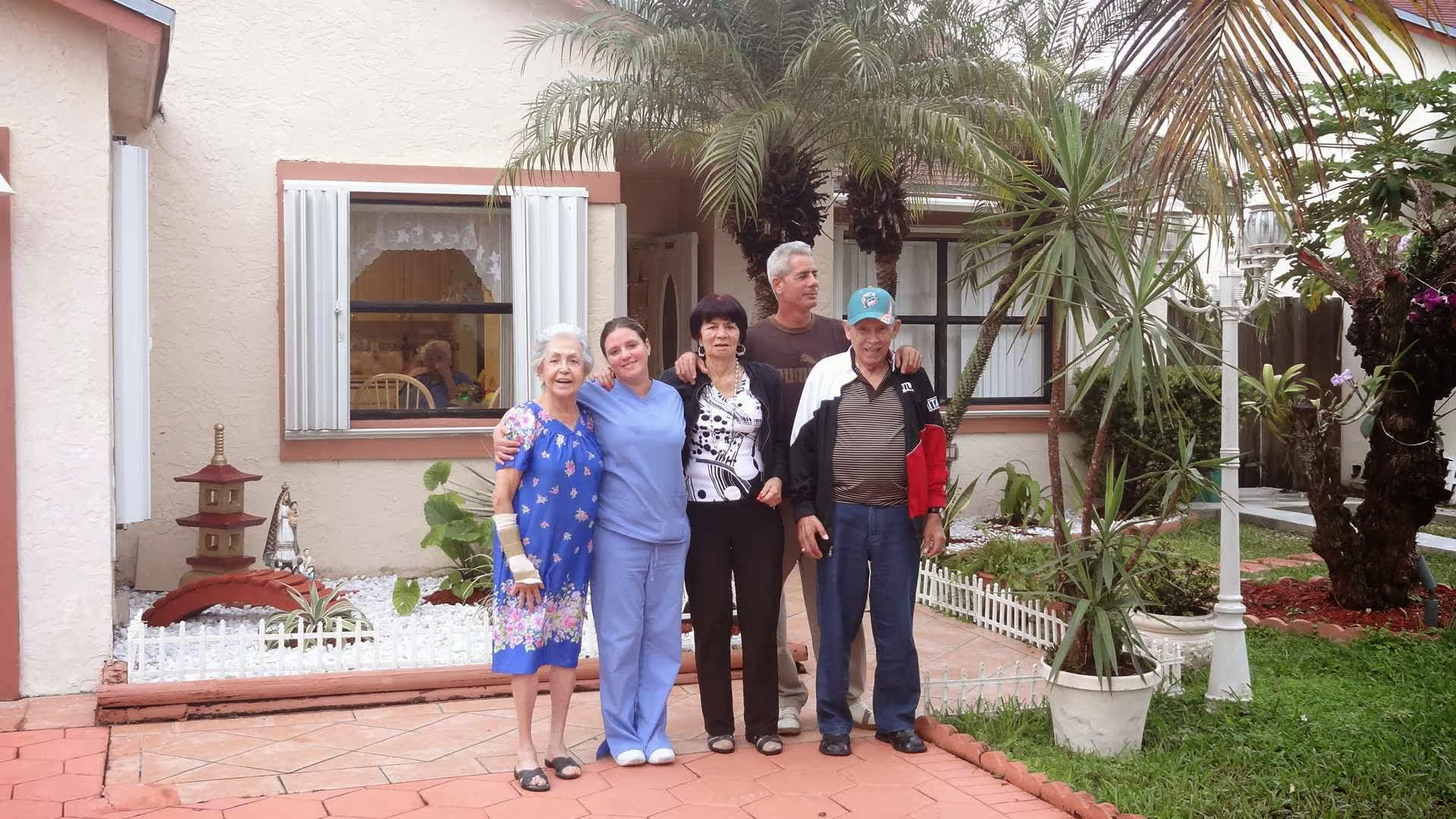
Care and staff: Care quality is frequently praised for compassion, patience, and hands‑on assistance from CNAs and nurses. Reviewers commonly note individualized attention, assistance with activities of daily living, and availability of on‑site therapy and medical oversight. At the same time there is a pattern of mixed experiences around staffing consistency and responsiveness: some families report prompt, coordinated care while others describe delays responding to calls, inconsistent staff performance, and lapses in internal handoffs. Bilingual staffing is a clear asset for Spanish‑speaking families. For prospective residents with higher‑acuity dementia needs, reviewers present divergent views—the community provides cognitive programming and memory-focused activities, but some families felt it was less suited to advanced Alzheimer's or residents requiring continuous supervision.
Dining and services: Dining receives strong endorsement for freshness, variety, and presentation from many families, and the property’s culinary and amenity offerings (espresso, ice cream parlor, themed meals) are frequently cited as differentiators. However, there are recurring comments about inconsistent meal service timing, occasional cold or incorrect meals, and some evidence of quality variability over time. Housekeeping and laundry services are generally described as reliable, and housekeeping attention (sheets, room cleanliness) is often noted as a positive; nonetheless, isolated sanitation concerns in some public bathrooms and occasional odor/sterile‑smell comments appear in a subset of experiences.
Activities and social life: The community’s activity program is a central strength: daily music, cognitive activities, parties, holiday events, and regular outings contribute to an engaged resident population. Several activity leaders received individual praise for creative programming and for fostering social connection; families frequently attribute improvements in mood and engagement to these programs.
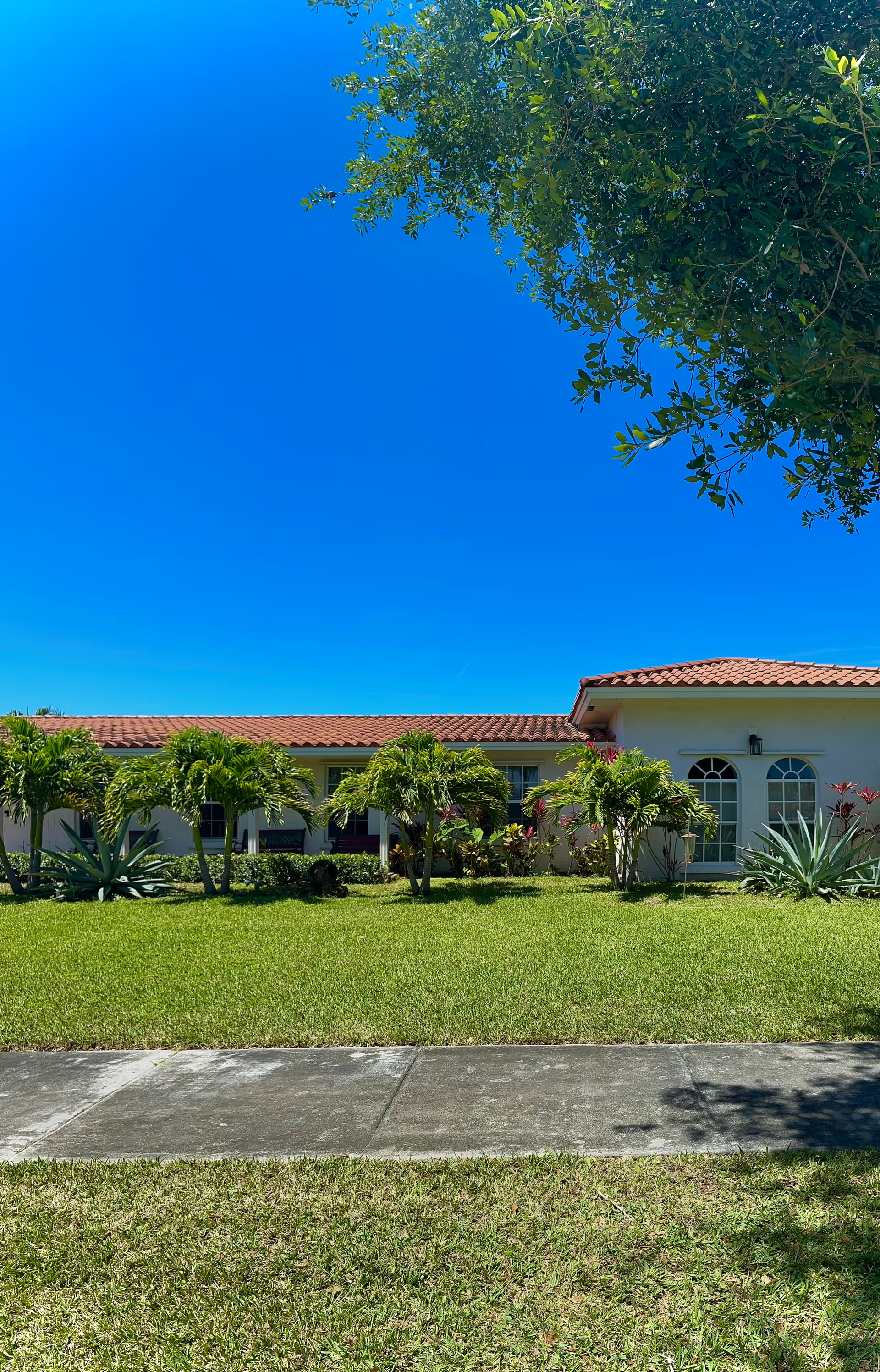
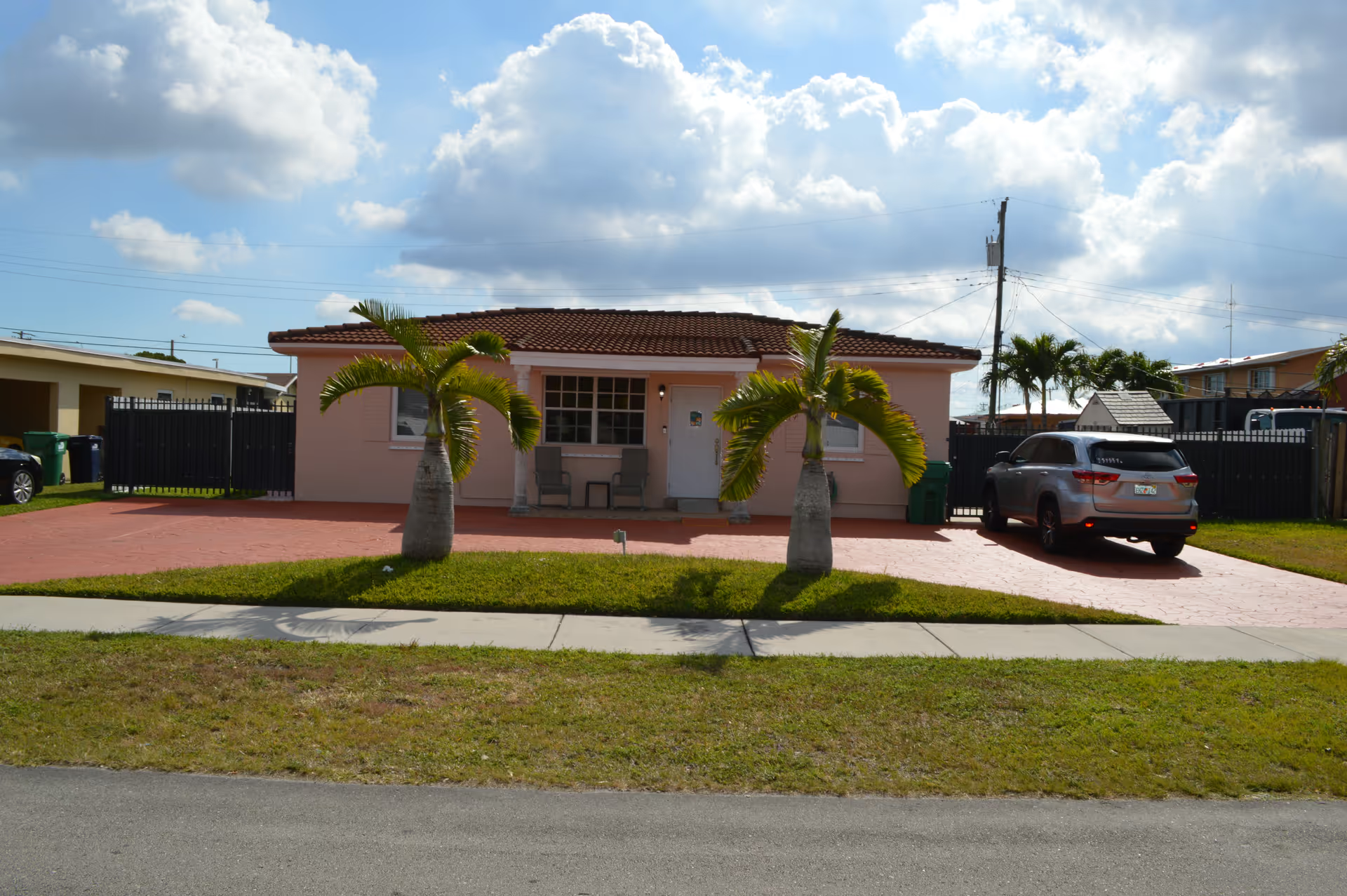
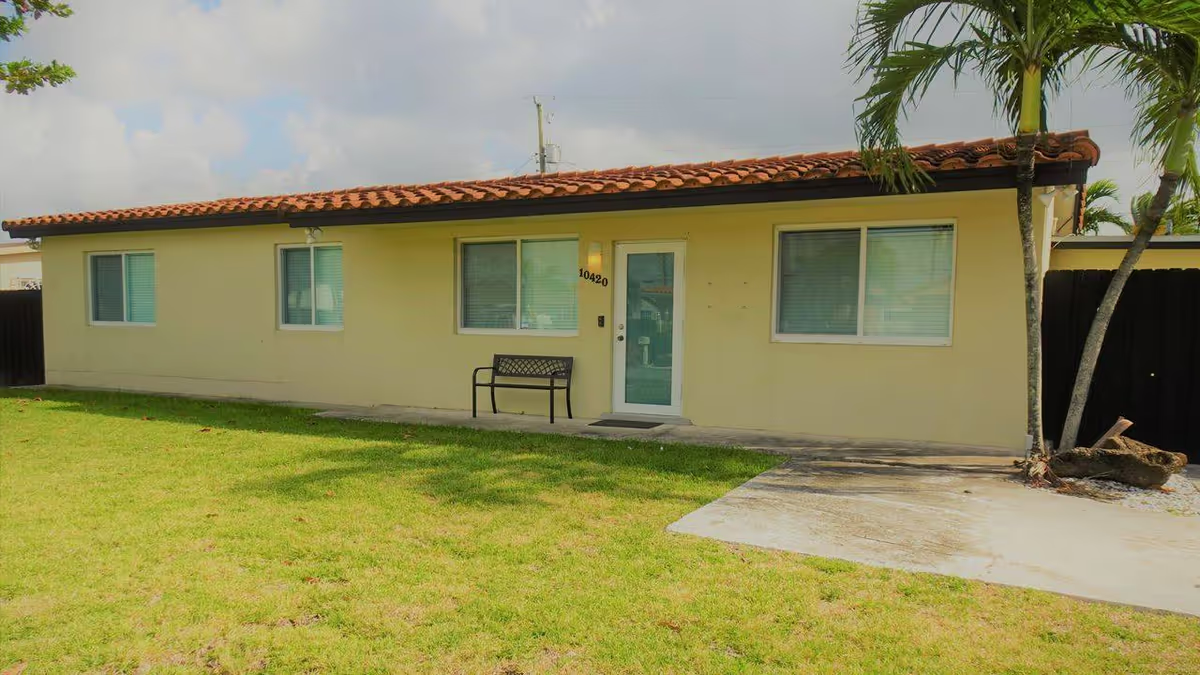
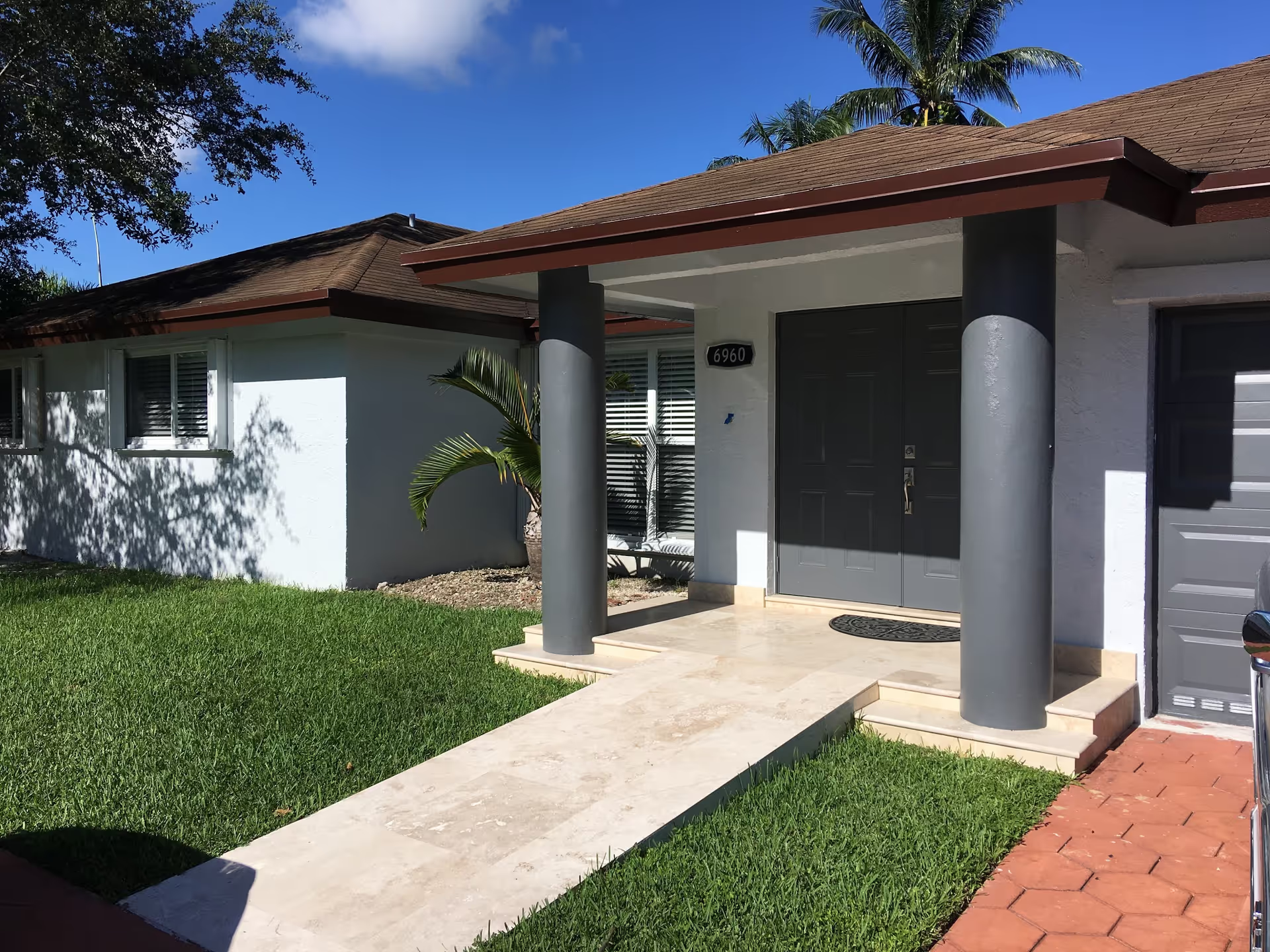
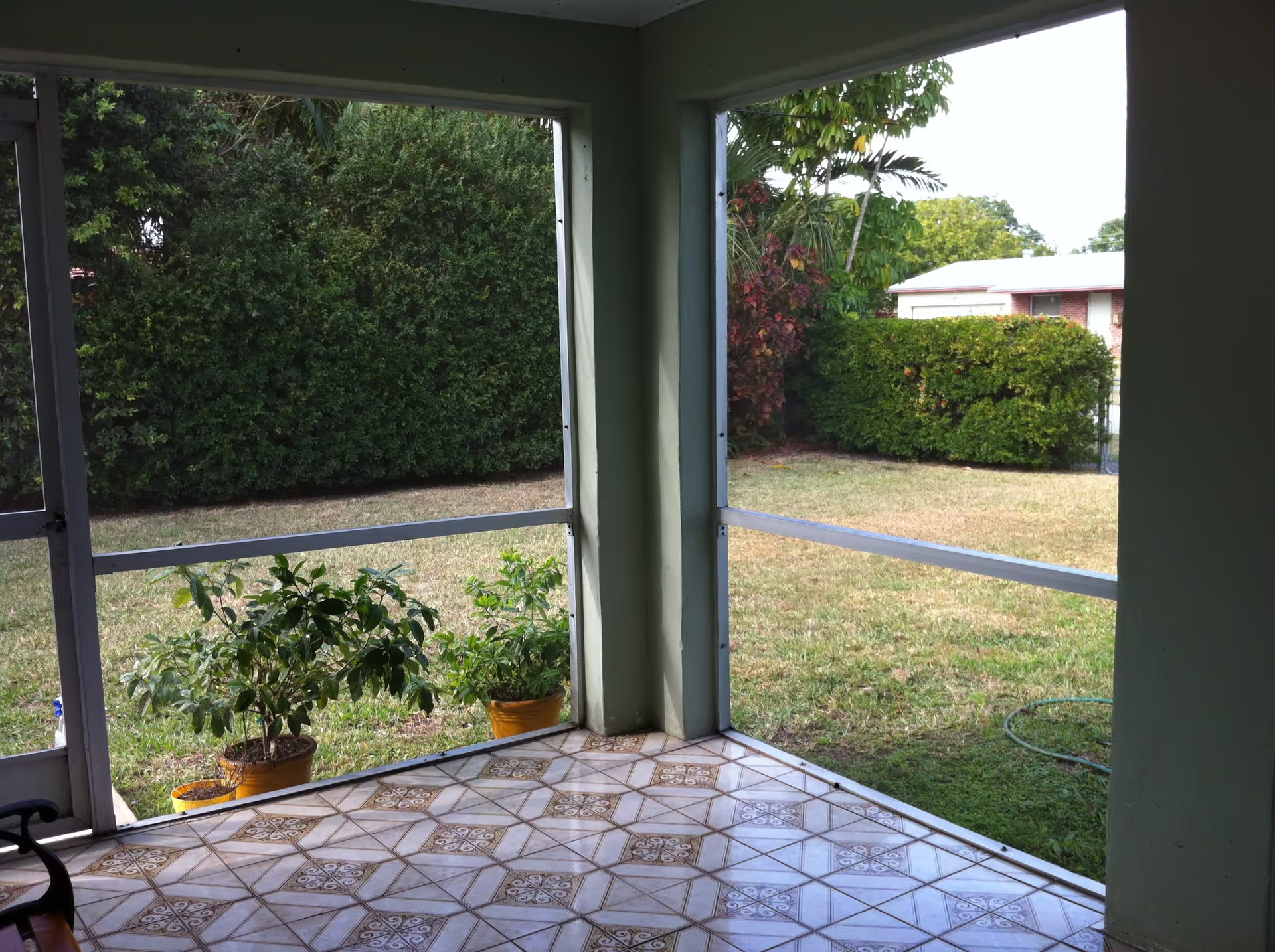
Facilities and safety: Facilities are commonly described as attractive, well‑kept, and spacious with apartment‑style layouts and numerous amenities that support quality of life. Some reviewers, however, noted variability in room size, décor, and absence of kitchen facilities in units; a few described rooms as dated or smaller than expected. Safety themes include positive notes about gated security and impact windows, while other comments raise operational safety concerns—particularly related to supervision for residents with advanced memory impairment and occasional incidents that reviewers attribute to staffing or communication gaps. Prospective families should inquire about staff‑to‑resident ratios and transfer/supervision procedures for higher‑risk residents.
Management and operations: Management and administration receive mixed but generally favorable assessments: many families describe responsive, hands‑on leadership and effective resolution of issues, while a smaller set of reviewers mention inconsistent professionalism, communication tone, or administrative follow‑through. Financial concerns are common: the community is positioned at a higher price point, and several families saw cost as a barrier or expected greater value for the price. Clinical operational concerns that appear across reviews include medication‑management and verification practices, internal clinical handoffs, and occasional gaps in physician continuity because visiting providers rotate rather than maintaining continuous on‑site coverage.
Notable patterns and guidance for prospective families: The dominant patterns are strong social programming, visible caregiver compassion, and a resort‑style campus that many residents and families find restorative. Recurrent operational themes to evaluate during a visit are staffing continuity (particularly during evenings/nights), medication administration and verification protocols, sample meal service during meal hours, and the community’s approach to care for advanced dementia or high‑acuity needs. Ask for details about overnight policies, private‑duty requirements, physician coverage, and staffing ratios at peak times. Overall, this community tends to score highly on quality‑of‑life measures for residents who benefit from robust activities and a social setting, while families of residents with complex clinical needs should confirm that clinical oversight and supervision levels match the resident’s requirements.