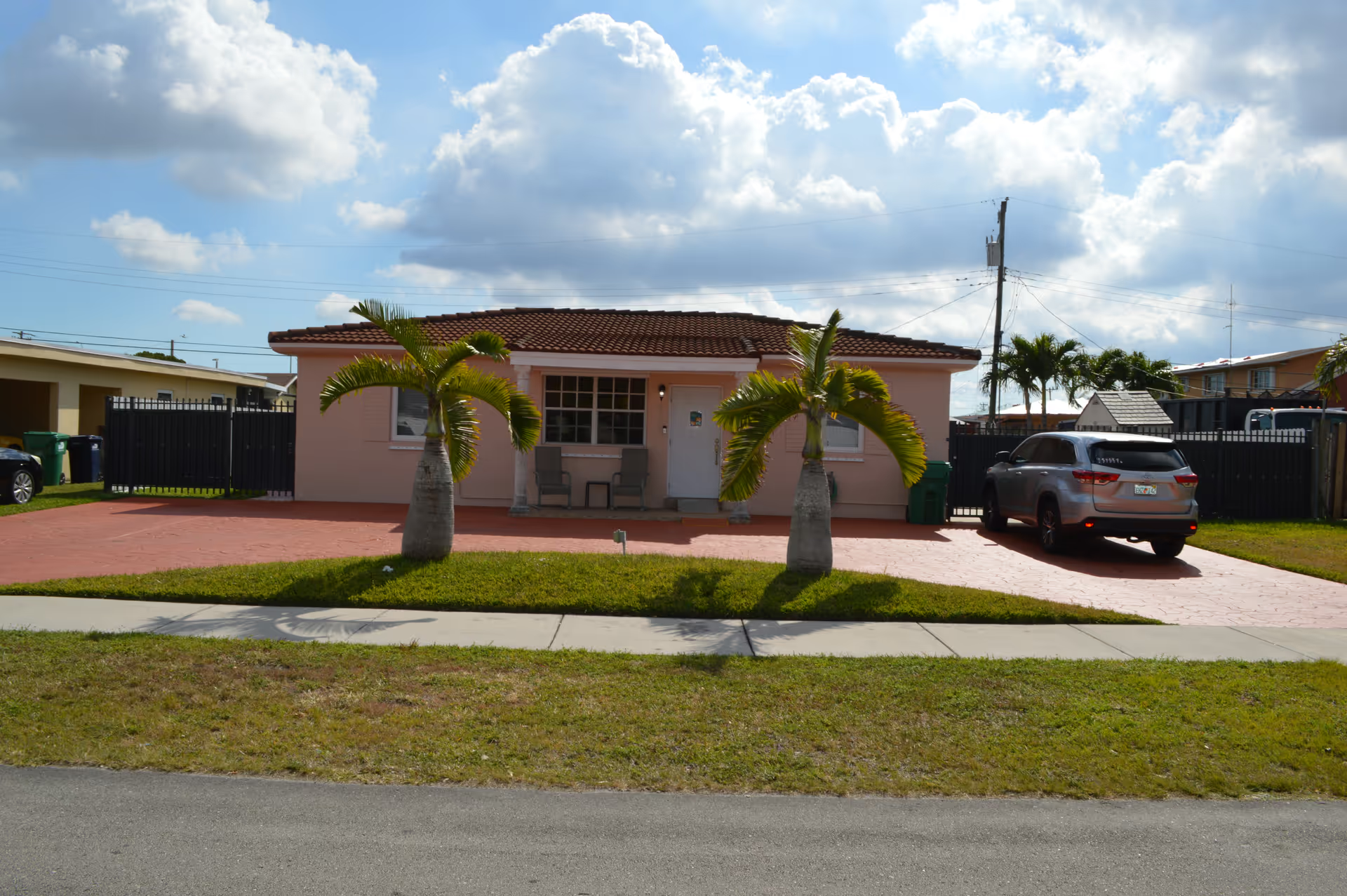
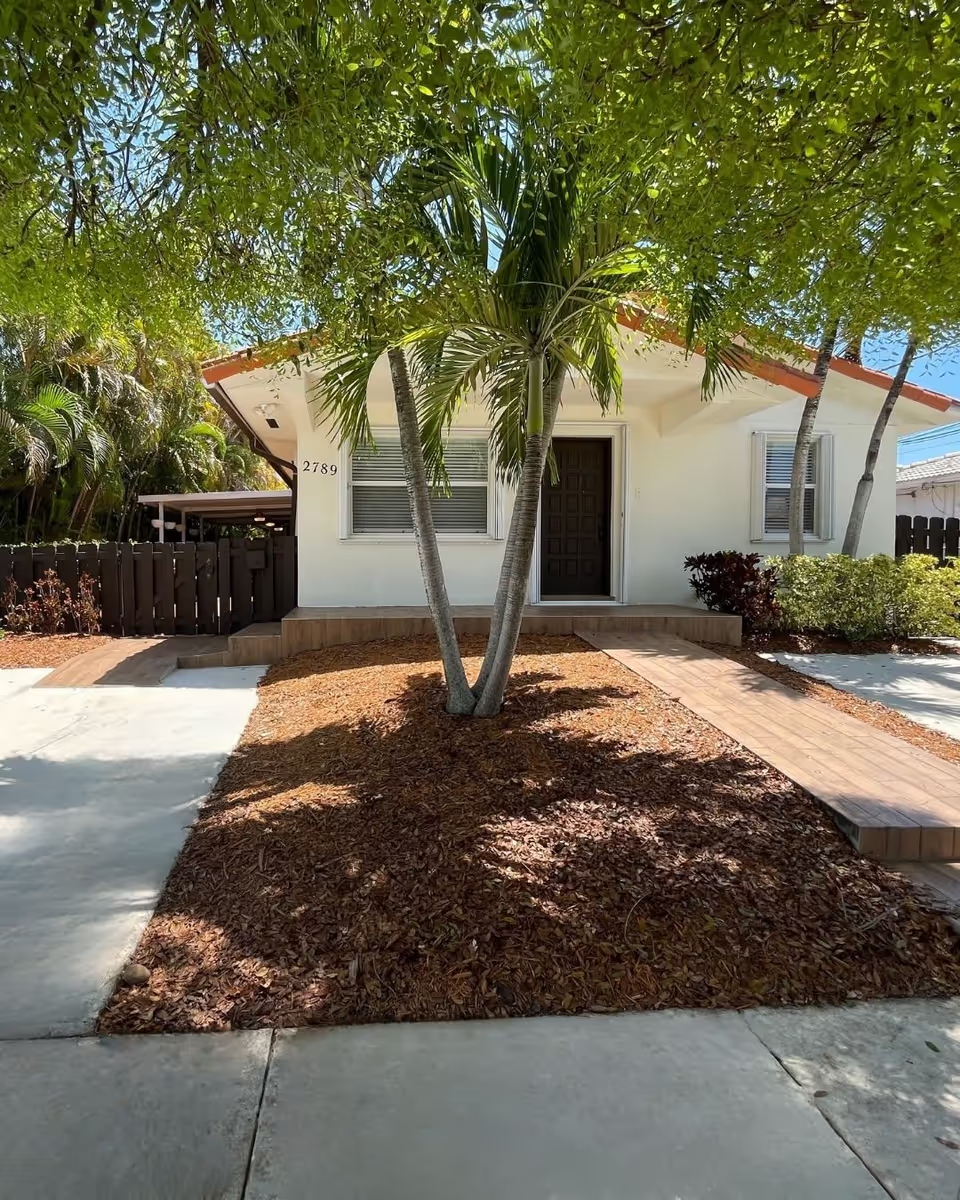
The reviews for Coral Terrace ALF present a polarized view: several families describe a facility that feels like a well-kept, welcoming small community with hands-on ownership, while others express significant dissatisfaction with aspects of staffing, services, and admissions interactions. This pattern suggests a facility with notable strengths in atmosphere and physical environment but with inconsistencies in operational execution.
Care and staff: Many families praised compassionate, attentive caregivers and timely communication about residents' status. Positive comments emphasize respect, kindness, and staff responsiveness, and a number of reviewers credited specific staff and the owner with providing personalized attention. Counterbalancing that, other reviewers described concerns about staff conduct and professionalism, and raised questions about staff training and clinical qualifications. Taken together, these comments point to variability in staff performance and communication style across shifts or individual employees rather than a uniform experience.
Dining and nutrition: Comments about meals are mixed. Several families reported residents being well-nourished and enjoying the food; at the same time, there are specific concerns about meal quality consistency and excessive use of salt in some dishes. Prospective families should ask about menu planning, special-diet accommodations, and the facility’s approach to managing sodium and other dietary restrictions.
Activities and therapies: Some reviewers reported limited or absent activity programming, and others noted a lack of on-site rehabilitative services such as physical or occupational therapy. These comments indicate that structured activities and formal therapy offerings may be minimal or inconsistent; families seeking robust activity schedules or integrated PT/OT should verify availability directly with administration.
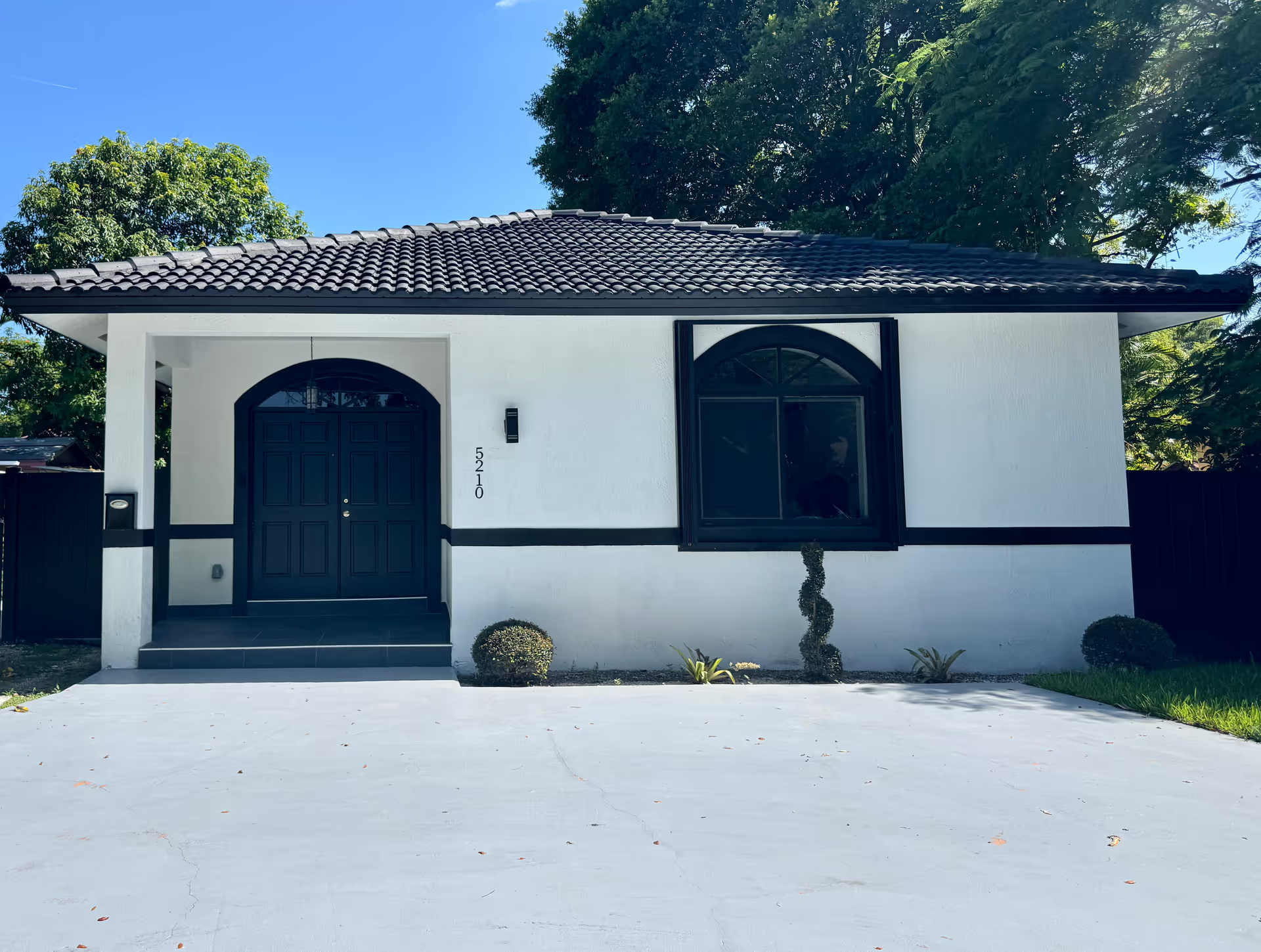
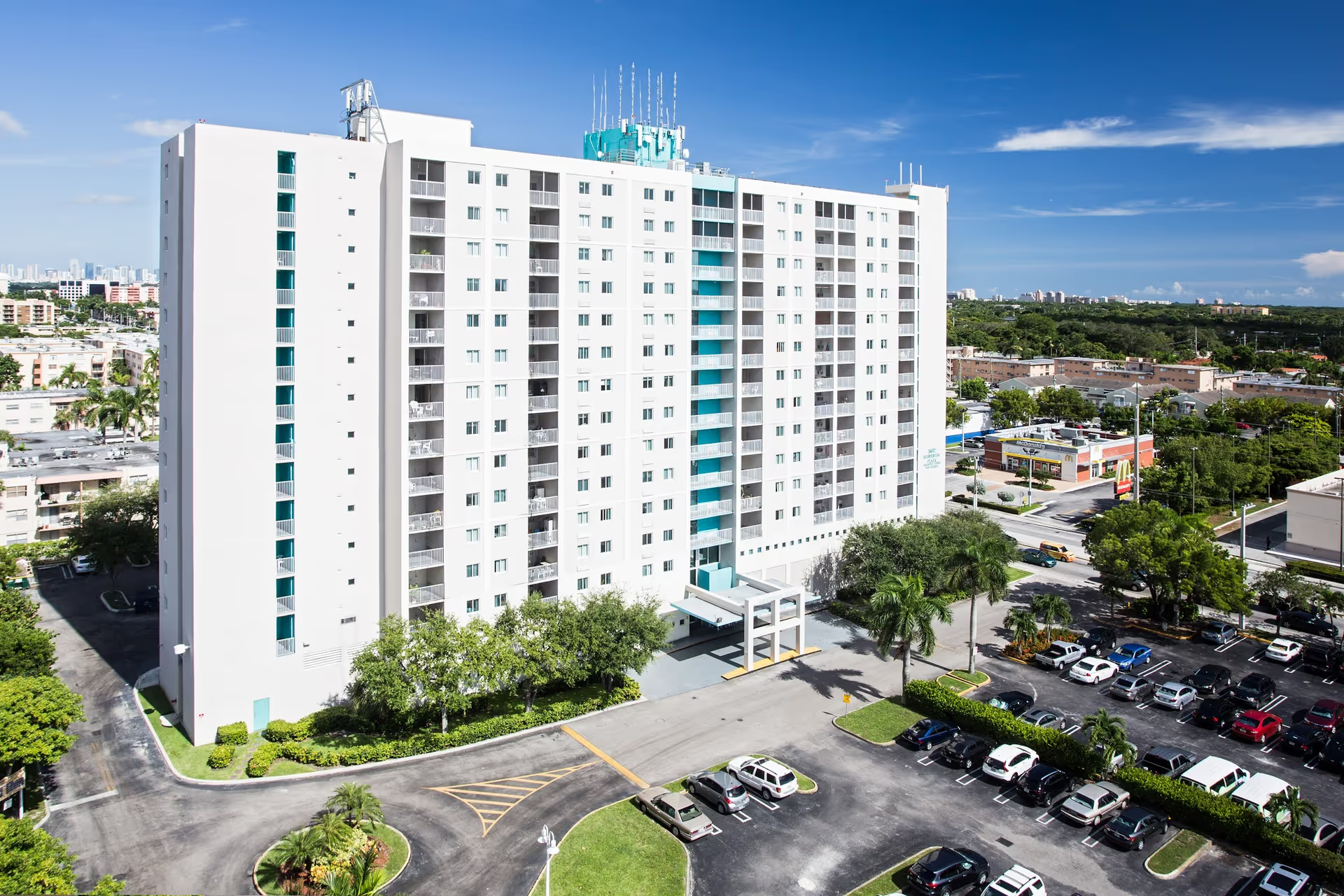
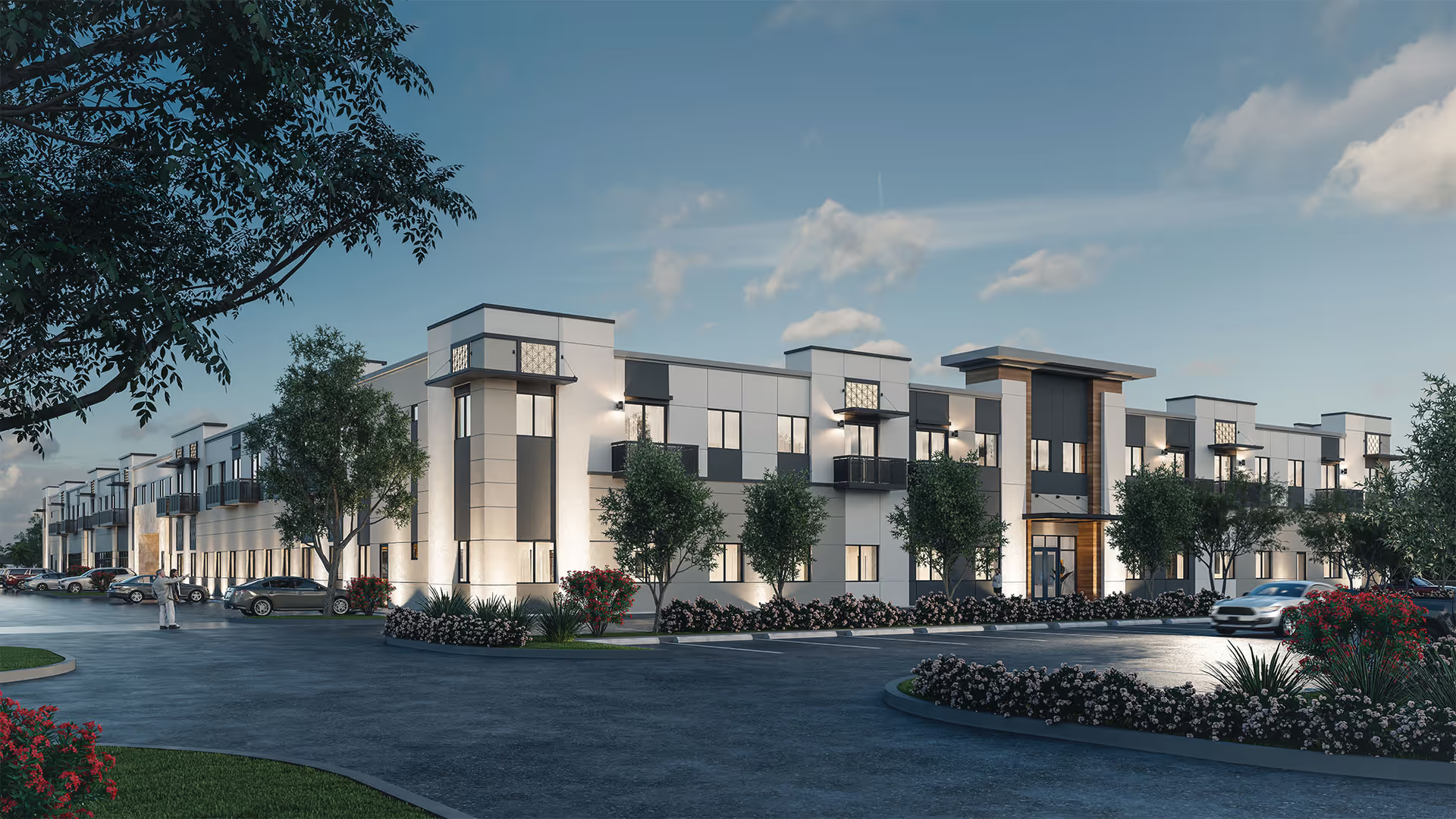
Facilities and visitation: The facility’s physical environment receives consistently positive remarks — clean, well-lit, thoughtfully designed common areas and ample visitor parking. Families also highlighted flexible visitation (24-hour access), which many found valuable for maintaining family contact and oversight.
Management and admissions: Ownership involvement and a family-like culture were strengths for some families. Conversely, a number of reviewers described an admissions or inquiry experience that felt transactional or focused on cost, with unprofessional demeanor during initial tours for others. This suggests variability in front-office/customer-service interactions; visitors should observe the admissions process and request a clear overview of fees, contracts, and communication policies.
Notable patterns and recommendations: The strongest theme is inconsistency — high praise for the facility environment, owner engagement, and particular caregiving staff sits alongside reports of uneven professional standards, training gaps, and service availability. For prospective residents and families, an in-person visit is advisable to assess staff interactions, sample meals, review activity calendars, confirm rehabilitation services, and ask about staff training, safety protocols, and staffing patterns across shifts. Request written policies on nutrition accommodations, staffing ratios, incident response, and a list of available therapies to reduce uncertainty prior to placement.