Overall impression: The aggregated reviews portray Kendall Haven - ALF as a small to mid‑sized assisted living environment with consistently positive feedback on frontline caregiving, clinical competence, and physical upkeep. Comments emphasize a professional, courteous staff and describe the facility as clean, cozy, and comfortable. Several notes single out clinical skill—specifically nurse practitioner involvement—and families frame the setting as family‑focused and reassuring for residents.
Care quality and staff: Review language centers on high‑quality care delivered by compassionate, knowledgeable employees. Praise for clinical skill implies that licensed clinical staff are accessible and effective in routine care. Staff conduct is described as professional and courteous, suggesting an emphasis on respectful resident interactions and caregiver training. These patterns indicate reliable day‑to‑day care and positive staff–resident relationships.
Dining and activities: Explicit references to dining and organized activities are largely absent from the summaries. While a clean and comfortable environment is reported, there is limited information about meal quality, dietary accommodations, menu variety, or the scope and frequency of recreational and social programming. Prospective residents and families may want to request sample menus, accommodation policies for special diets, and a current activity calendar to evaluate lifestyle fit.
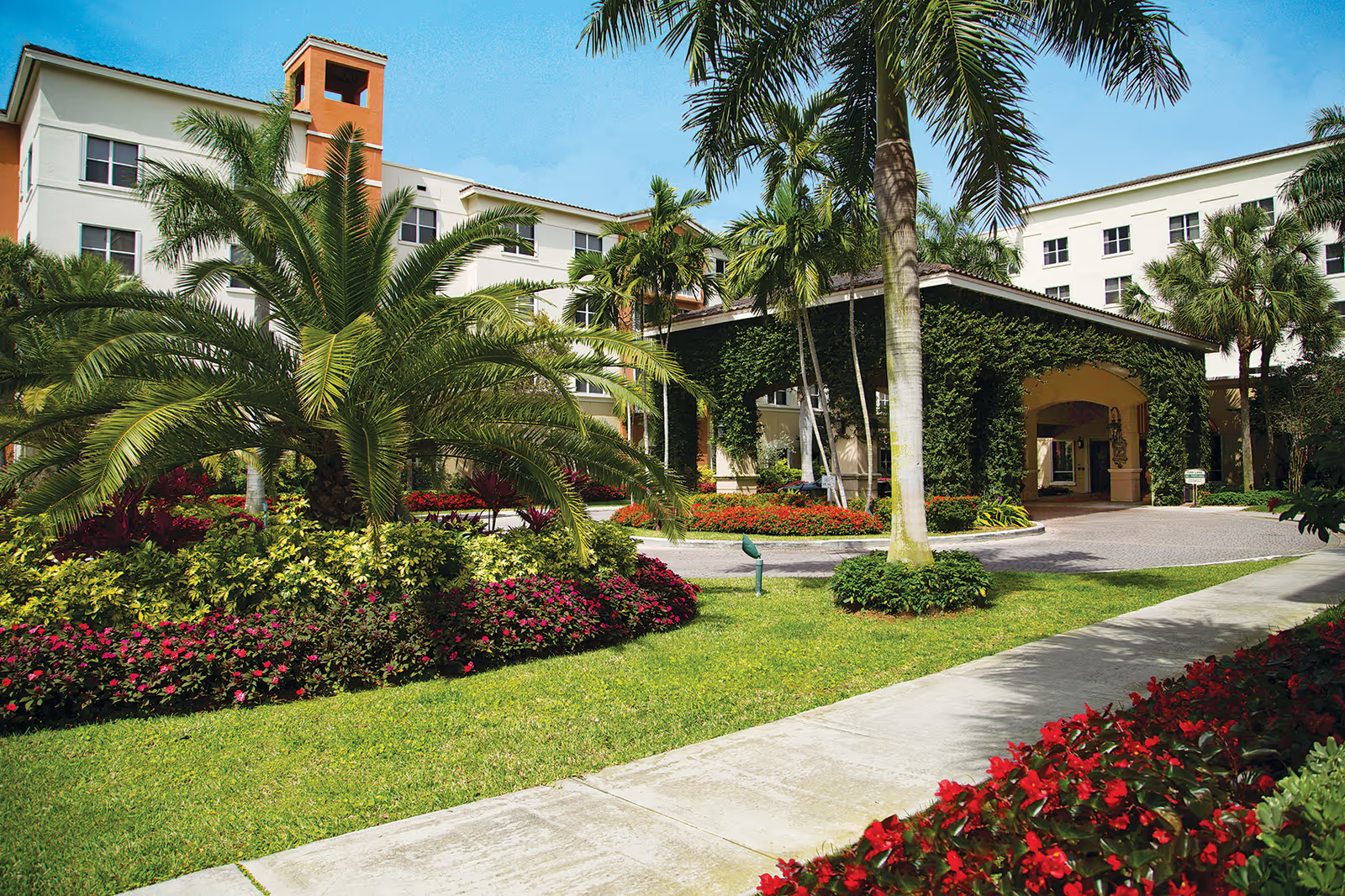
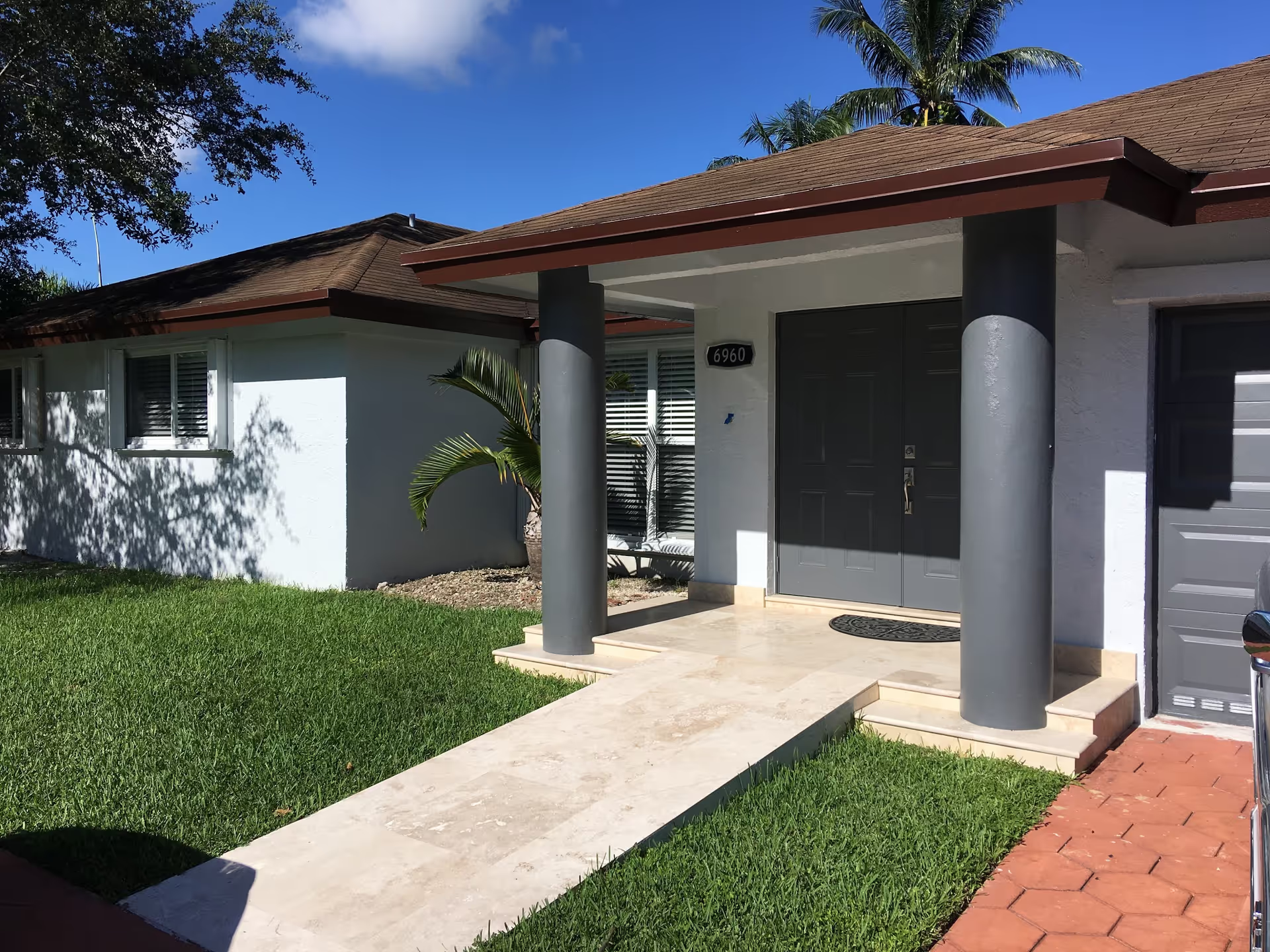
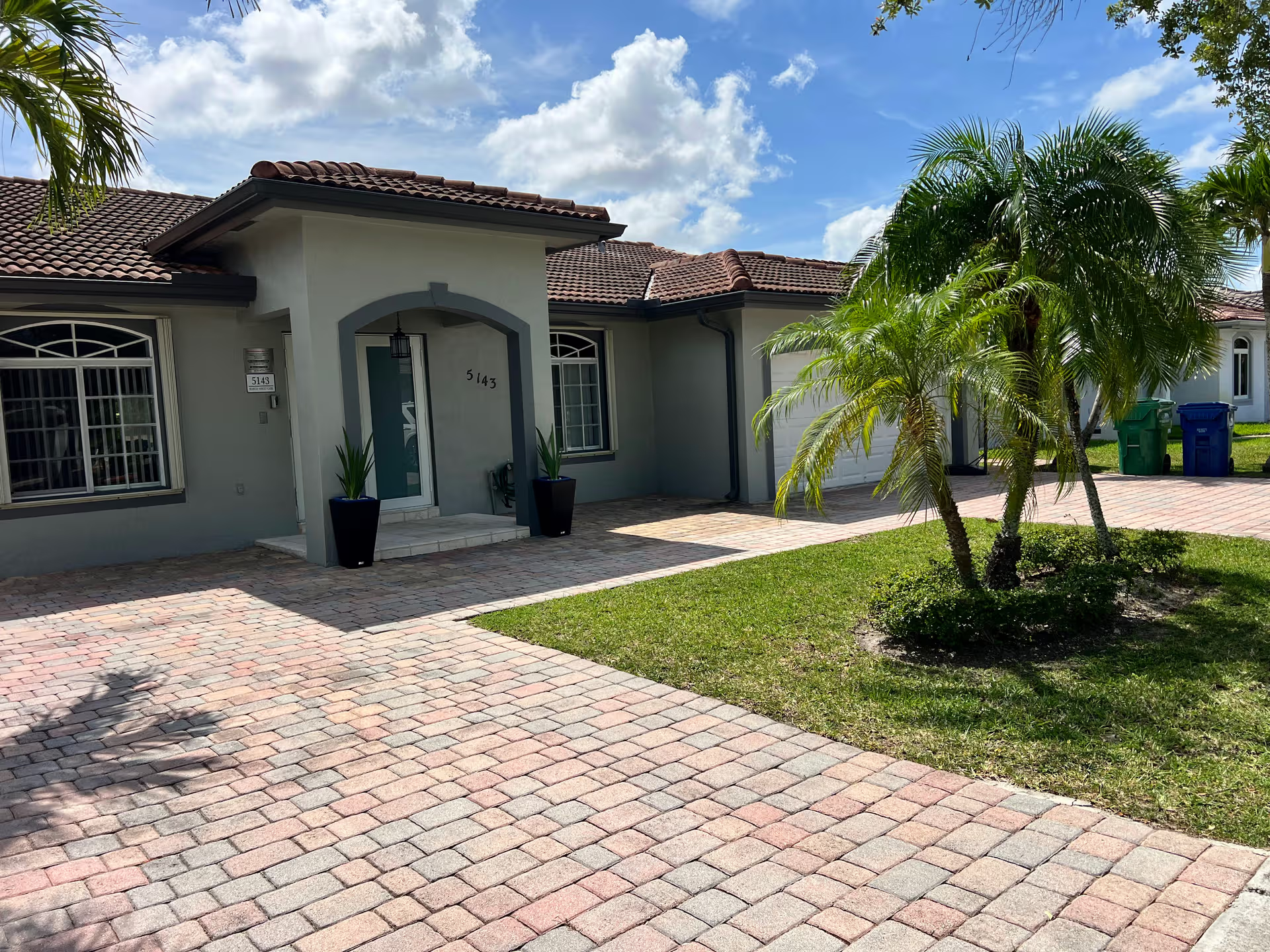
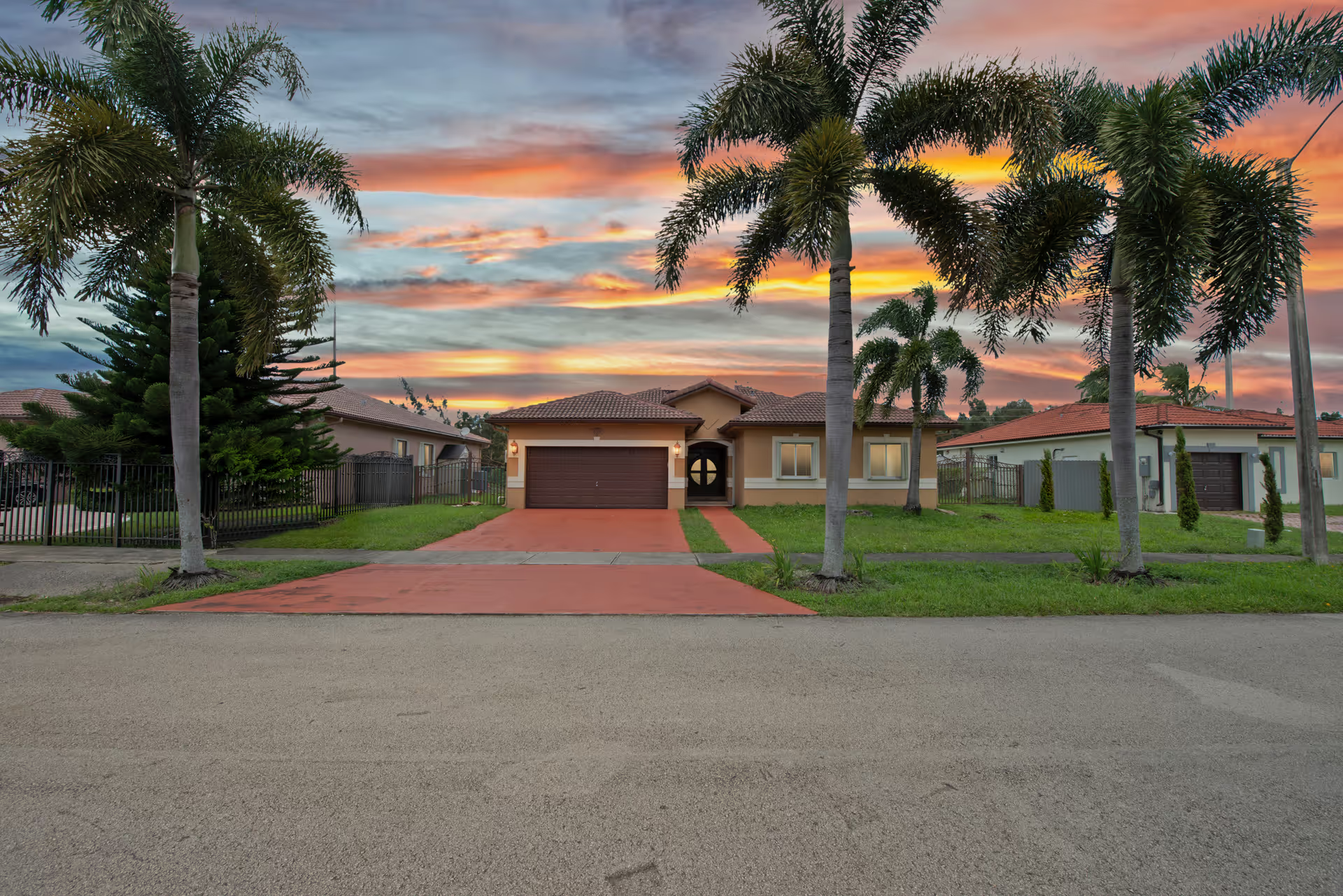
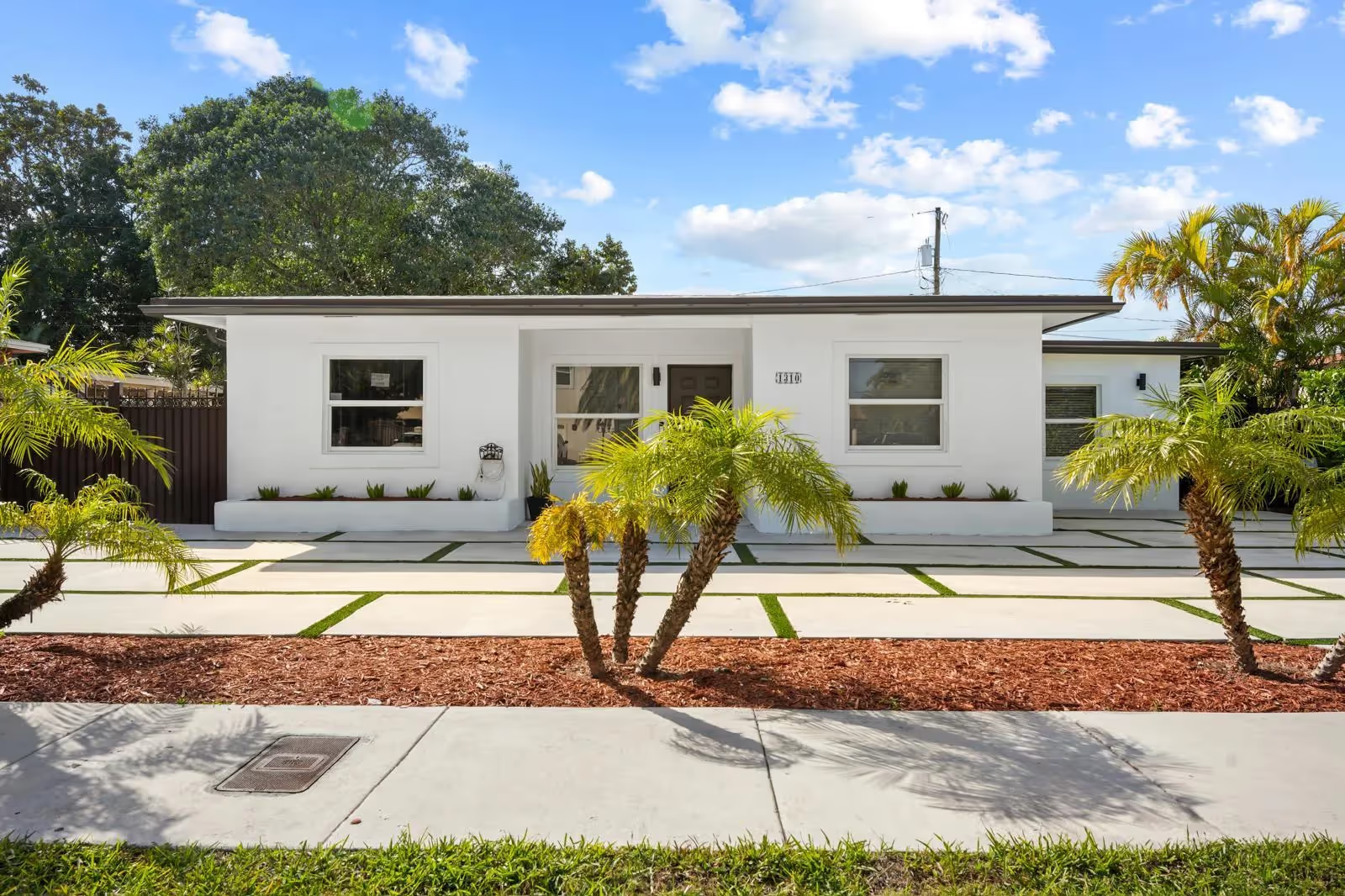
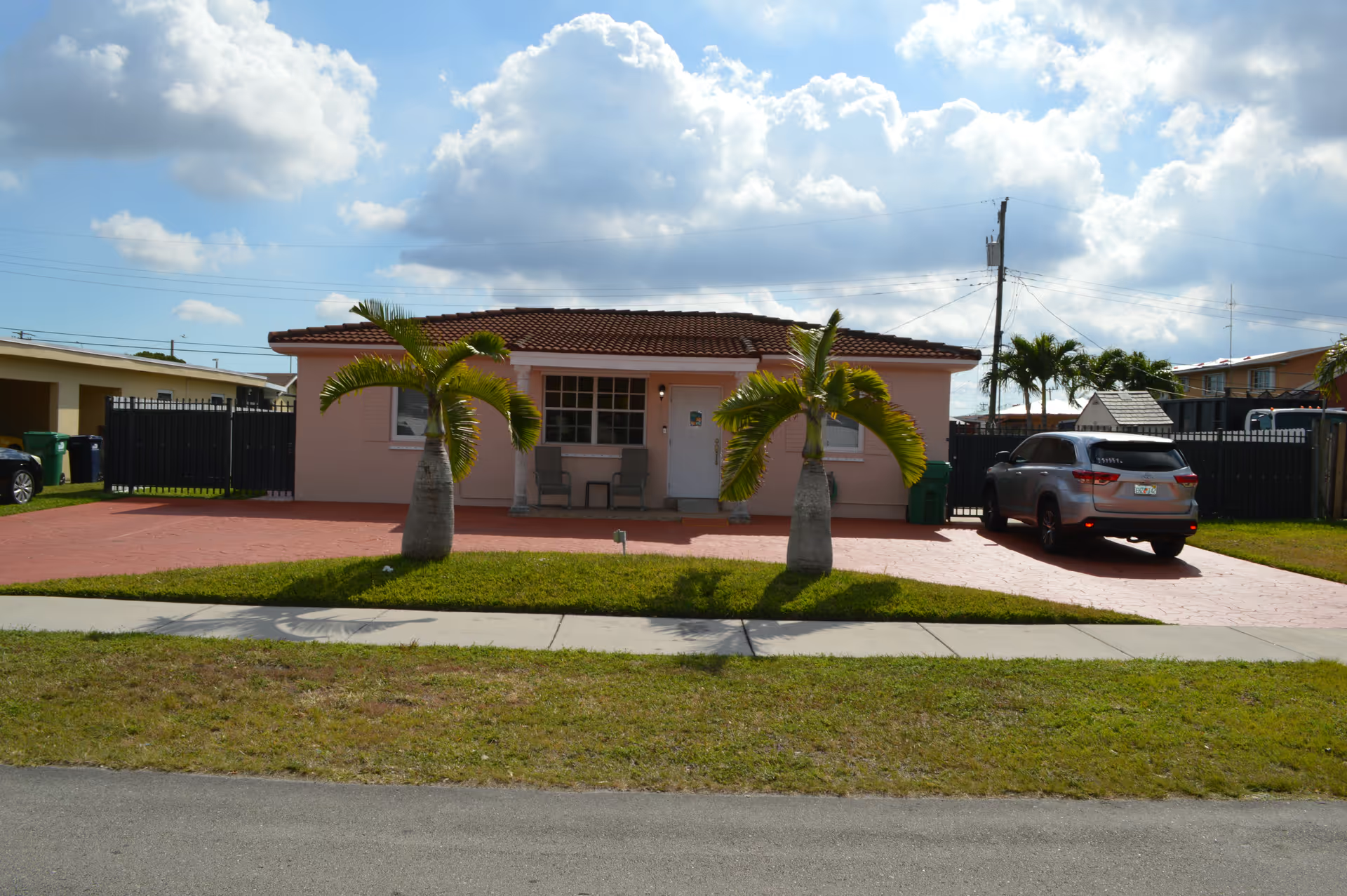
Facilities and environment: The facility is repeatedly described as very clean and cozy, with reviewers noting a comfortable atmosphere. That consistency points to routine maintenance and attention to common areas and resident rooms. Physical condition appears to be a relative strength; however, there is no detailed commentary on amenities (outdoor space, therapy areas, private vs. shared rooms) in the available summaries.
Management and operations: Positive staff and cleanliness comments suggest effective daily operations, but summaries provide sparse detail about management practices such as communication with families, incident reporting, staffing levels, or administrative responsiveness. There is also no explicit mention of specialized services (memory care, rehabilitation), which could be an operational limitation depending on resident needs. Families should inquire about staffing ratios, on‑call clinical coverage, contract terms, and how management handles care plans and family communication.
Notable patterns and recommended follow‑up: The dominant themes are strong interpersonal care, competent clinical presence, and well‑maintained facilities. The principal gaps are limited public information about dining, activity programming, specialized services, and operational details like staffing and management communication. For a fuller assessment, prospective residents and families should ask for a tour focusing on dining and activity areas, request sample menus and activity calendars, review staffing schedules and clinical coverage, and obtain written policies on specialized care or transitions to higher levels of support.