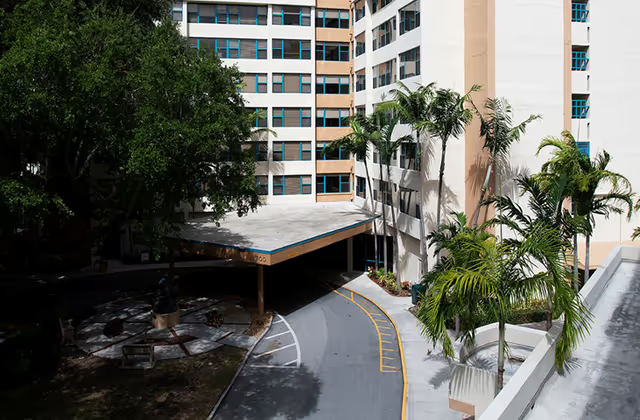
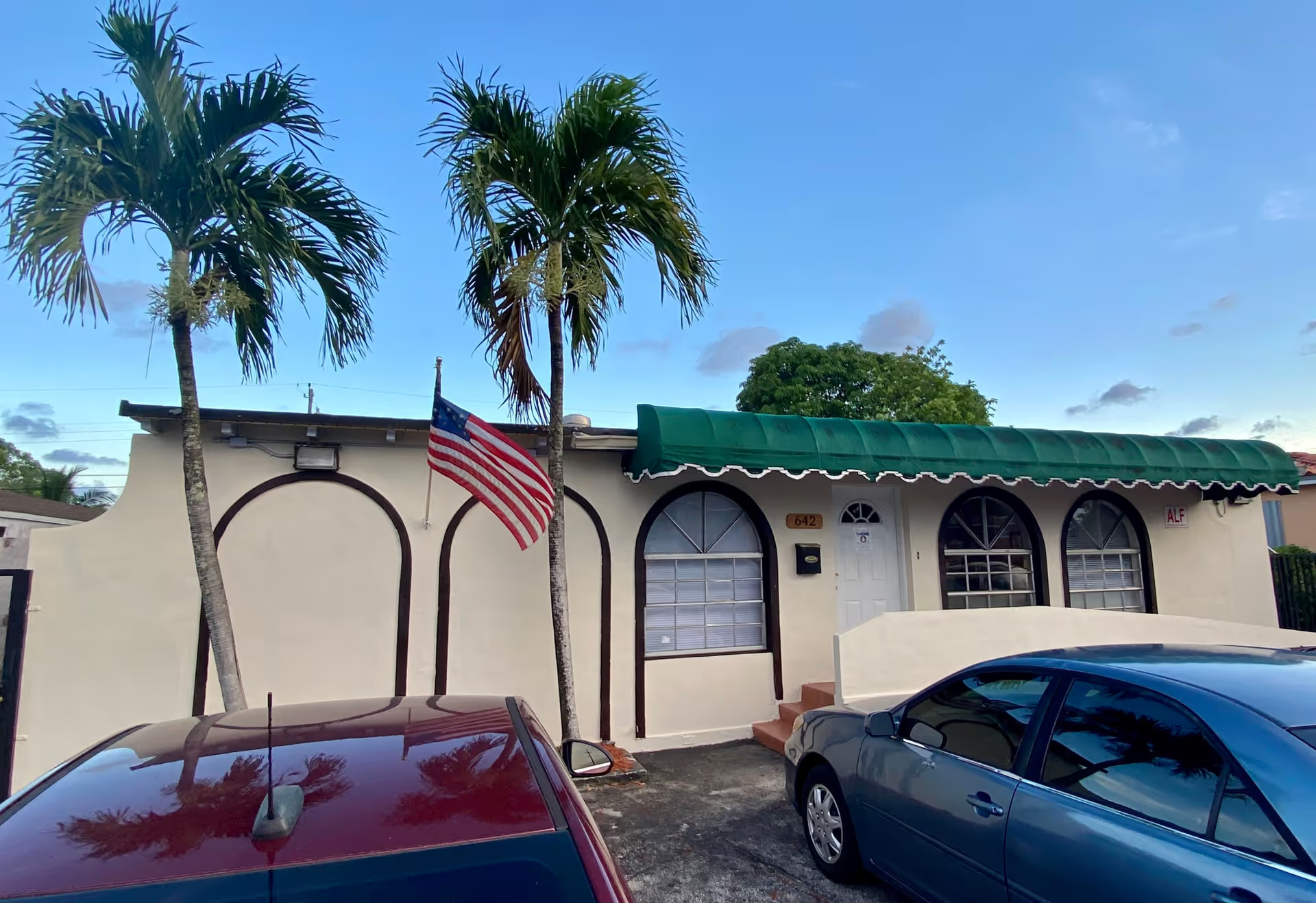
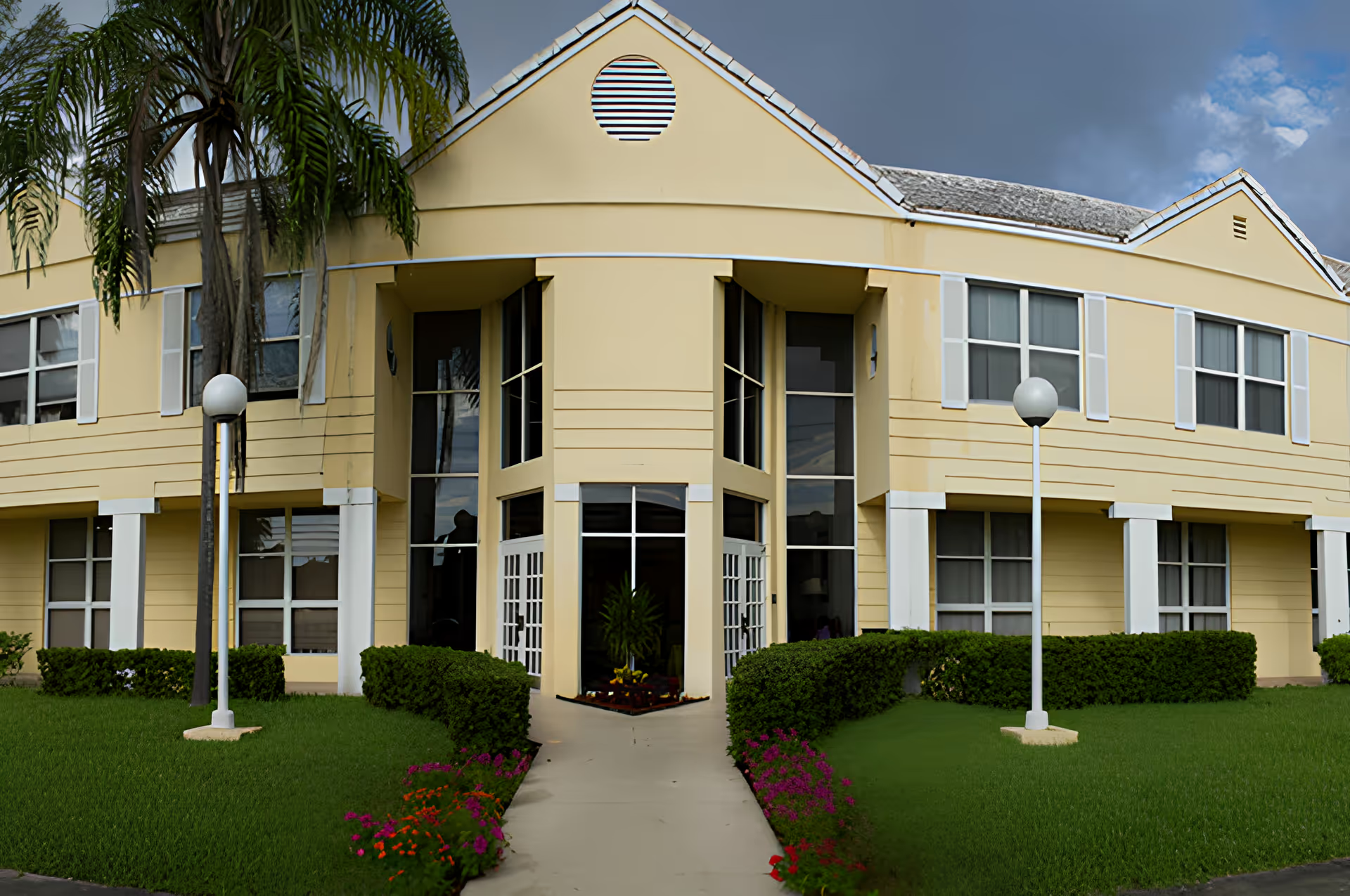
Miami Jewish Health Systems presents as a large, campus-style senior care provider with many institutional strengths alongside recognizable operational challenges. The campus is consistently described as well maintained externally, with attractive grounds, multiple communal amenities (salon, pool, cafe, library, fitness and therapy spaces), and an institutional emphasis on safety and emergency preparedness. Clinical strengths noted across reviews include on-site physicians, a professional therapy and rehabilitation team, prompt access to medical attention in many cases, and an inclusive admissions approach that supports a diverse resident population.
Care and staff performance are mixed. Many families and residents praise nurses, certified nursing assistants, and therapists for attentive, compassionate care and effective rehabilitation outcomes; social-work support and family-focused communication are described as sources of reassurance when functioning well. However, reviews also indicate inconsistent staff responsiveness and conduct, with instances of perceived delays in attending to residents, variable tone in interactions, and understaffing at certain times. These operational inconsistencies extend to unit-level administration: phone-answering and on-unit secretarial coverage gaps create communication breakdowns with families and can exacerbate frustration during critical moments.
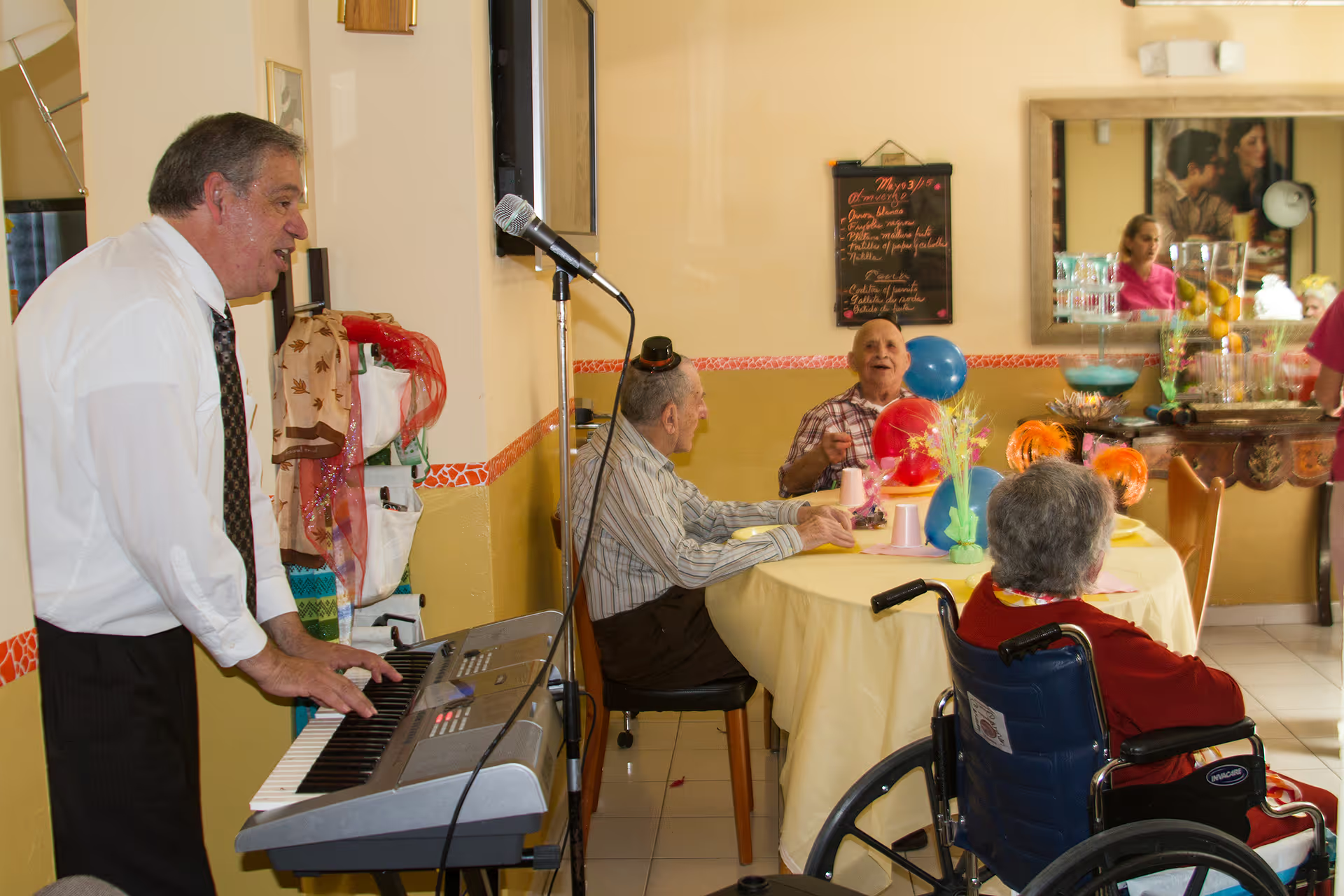
Dining and activities are generally positive but variable. The facility provides kosher meal options and several reviewers report good food service and accommodating meal practices; others describe lower satisfaction with meal taste and consistency, suggesting variability in dining quality. The activity program is a clear strength for many residents: regular on-site events, classes (art, fitness, computer), outings, and entertainment create engagement opportunities, including dementia-focused groups and sing-alongs that contribute to a family-like atmosphere for some households.
Facilities and logistics reflect both asset and constraint. Internally the building contains numerous useful communal spaces and spacious room options, but parts of the interior decor are described as dated and some areas feel crowded. Visitor parking can be limited during peak times and holidays, and private rooms carry higher costs. Operationally, reviewers identified gaps in roommate-screening practices and limited availability of private spaces, which may affect placement suitability for some residents.
Notable patterns: positive clinical outcomes and rehabilitation services are recurrent themes, as are cleanliness of common areas and an extensive amenity set. Counterbalancing those strengths are recurring concerns about staffing levels, unit administrative reliability, communication with families, and variability in dining and interior upkeep. Prospective residents and families may benefit from an in-person visit focused on current staffing ratios, unit-level administrative coverage (phone and contacts), roommate-placement procedures, dining samples, parking availability during expected visiting times, and clarification of costs for private rooms and therapy services.