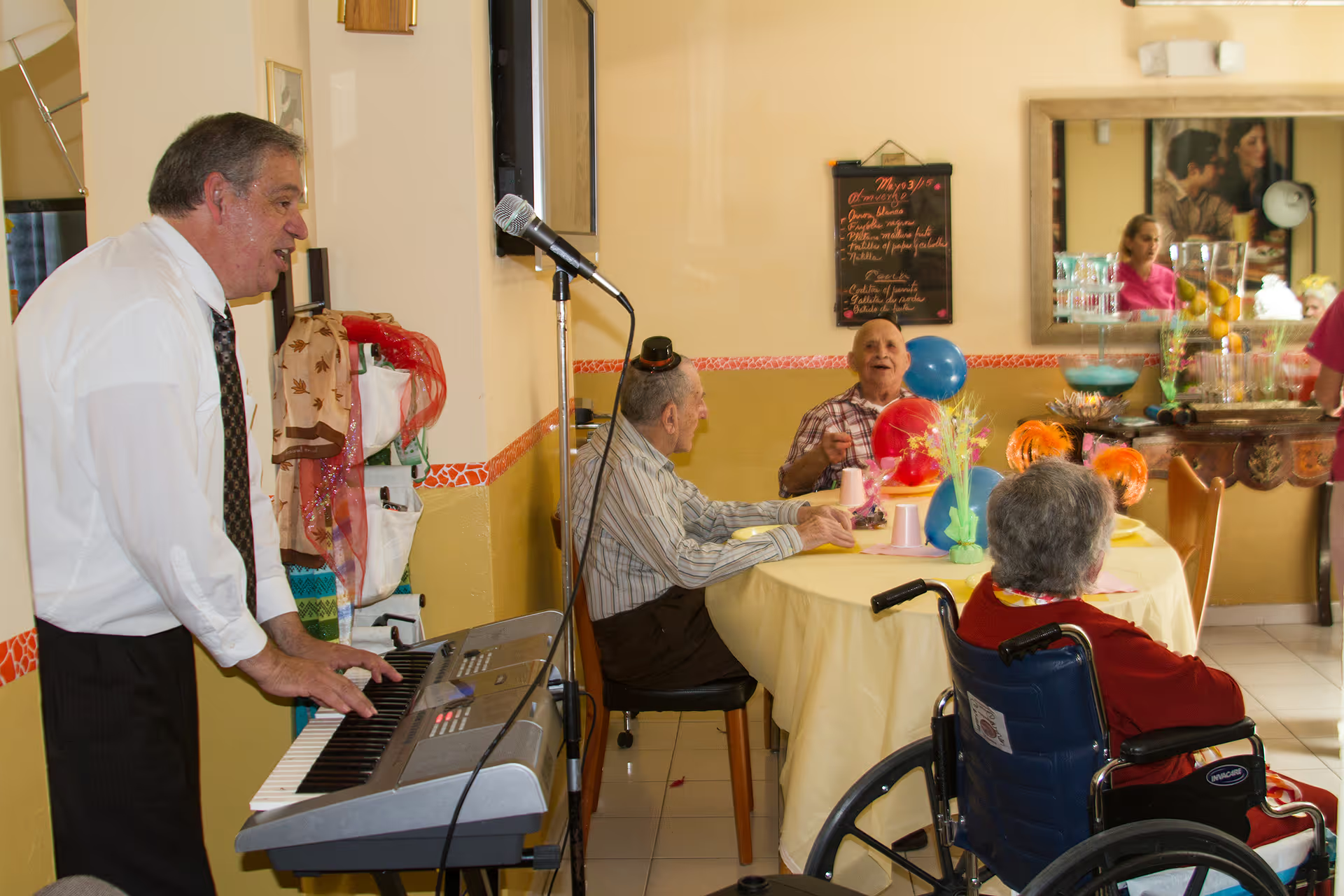
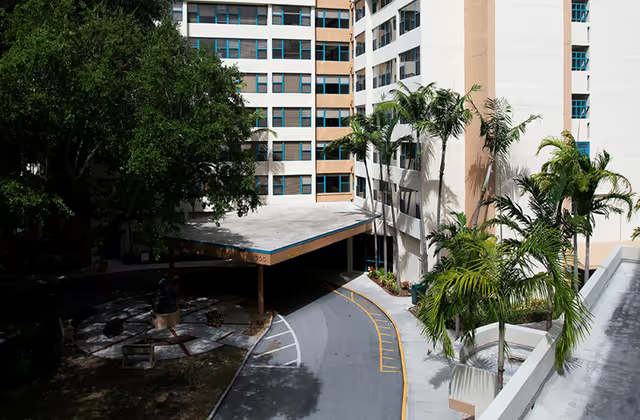
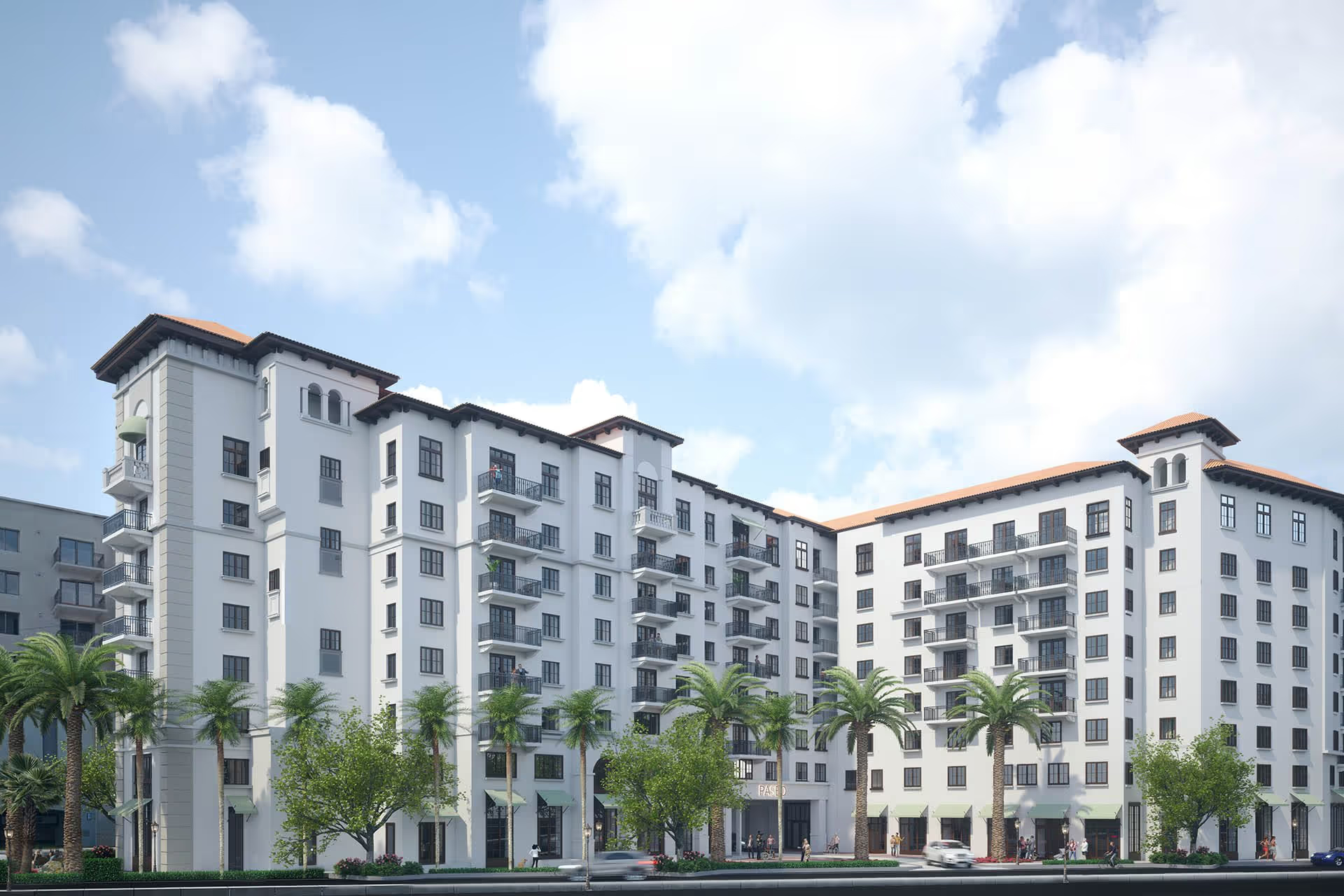
The reviews for Ponce Health and Rehabilitation Center present a strongly mixed picture, with a clear split between caregivers and operational functions. Many families and residents praise individual staff members — nurses, CNAs, therapists, receptionists and unit teams — for compassionate, patient-centered care, effective rehabilitation, bilingual communication, and a warm, family-like atmosphere. The therapy program and certain unit teams receive repeated positive mention for improving mobility and achieving successful discharges. Admissions and front-desk personnel are frequently described as welcoming and helpful.
At the same time, a substantial set of operational weaknesses emerges across the feedback. Communication and phone access are recurring problems: families describe difficulty reaching nursing or supervisory staff and delays in receiving updates. Medication administration and timing are frequently characterized as inconsistent, and reviewers raise concerns about delayed responses to call lights and assistance requests. Several comments point to gaps in clinical oversight, including missed physician visits and limited follow-up on clinical issues. Therapy quality is also uneven; while some report strong, effective sessions, others describe very short or insufficient therapy durations.
Facility operations and resident dignity are additional areas of concern. Cleanliness and maintenance are praised in many accounts, yet other reports describe sanitation and hygiene lapses in rooms or during particular shifts. Privacy and dignity safeguards have been questioned in relationship to room management and personal care. Financial and administrative practices are another pattern: families cite billing confusion, missing payments or stimulus checks, and delays in discharge that appear tied to payer timelines. Several reviewers also raised serious individual concerns about record-keeping and end-of-life handling; these claims warrant direct inquiry and, where appropriate, review of inspection records.
For prospective families, the key takeaway is that the facility demonstrates clear strengths in hands-on caregiving and rehabilitation, with notable staff who provide compassionate and culturally concordant care. However, these clinical strengths coexist with operational inconsistencies — particularly in communication, medication processes, some aspects of personal care, and administrative transparency. When evaluating placement, consider an on-site tour focused on unit-level staffing, medication-administration protocols, phone-access procedures for families, documentation of therapy frequency and duration, billing practices, and privacy safeguards. Reviewing state inspection reports and asking for examples of how specific concerns are tracked and resolved will help clarify whether the facility’s strong personnel practices are supported by consistent systems-level performance.