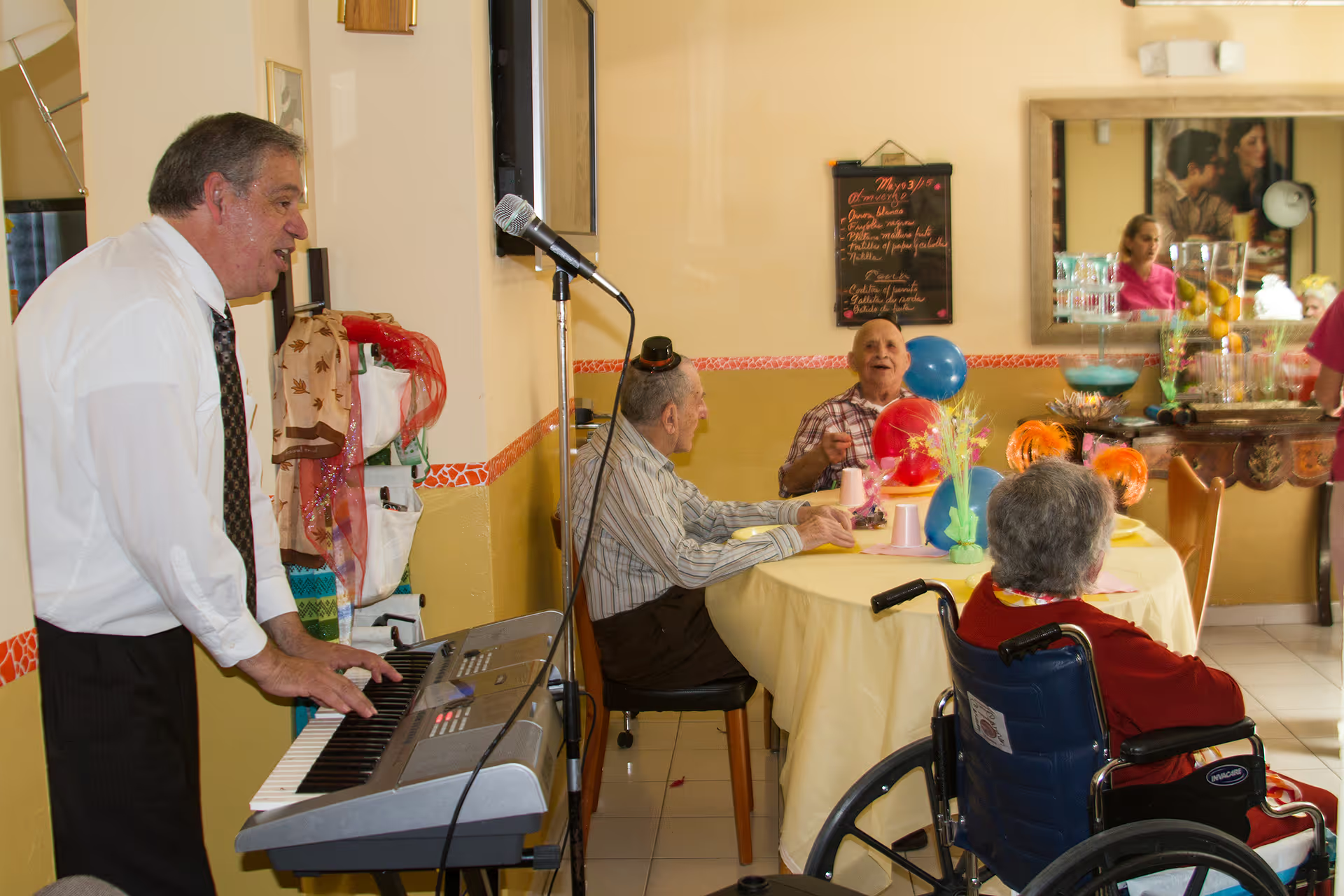
Reviews present a polarized picture of Victoria Nursing & Rehabilitation Center: a sizable portion of families describe high-quality, compassionate direct care and strong rehabilitation services, while a set of serious clinical and operational concerns also recurs. On the positive side, reviewers commonly praise the nursing staff, CNAs, and therapists for professional, personable care and effective PT/OT/speech programs that contributed to measurable recovery and improved mobility. Housekeeping and facility cleanliness receive frequent commendation, and many families cite private rooms with en‑suite bathrooms, accessible amenities (gym, salon, courtyard, big‑screen TVs), and an active daily activities program as contributors to a dignified resident experience.
Dining and hospitality tend to be viewed favorably overall: many describe good, varied meals and attentive dietary service, though a minority characterize food as adequate rather than exceptional. Administrative and advocacy resources—named patient advocates and case managers—are singled out by numerous families as helpful in resolving questions and coordinating care. Multiple reviewers also note the presence of multilingual staff (Spanish speakers), 24‑hour staff availability, and a hotel‑like lobby and lower floors, which some find reassuring and comfortable.
Counterbalancing those positives are operational patterns that families should weigh carefully. Several accounts indicate inconsistent clinical responsiveness and follow‑up, including delayed attention at the bedside and gaps in coordination of complex clinical needs (wound care, IV access, feeding‑tube management). Understaffing is described in ways that contribute to longer response times and less frequent family updates; phone and front‑desk responsiveness was also uneven across reviewers. Relatedly, there are recurring mentions of inconsistent infection‑ and wound‑care protocols and incontinence‑care delays, which point to variability in nursing practice and monitoring.
Safety, security, and communication are additional themes. Multiple comments describe variability in room condition and amenities between floors, occasional safety or transfer‑related incidents, and shortcomings in controls for personal belongings; there are also isolated allegations of theft and of discriminatory treatment and concerns following a resident's death that families may wish to investigate further. Language‑access inconsistencies and gaps in discharge/length‑of‑stay communication were also cited, suggesting that expectations around transitions and family involvement are not uniformly managed.
In summary, Victoria appears capable of delivering excellent rehabilitative and day‑to‑day resident care, with many families expressing gratitude for compassionate staff and successful outcomes. At the same time, the facility shows operational vulnerabilities—principally in consistent clinical oversight, staffing levels, family communication, and security controls—that have coincided in some cases with serious adverse experiences. Prospective residents and families should validate current staffing ratios, clinical protocols for complex care, procedures for safeguarding belongings, language‑access support, and the facility's process for communicating clinical changes and discharge plans before admission.