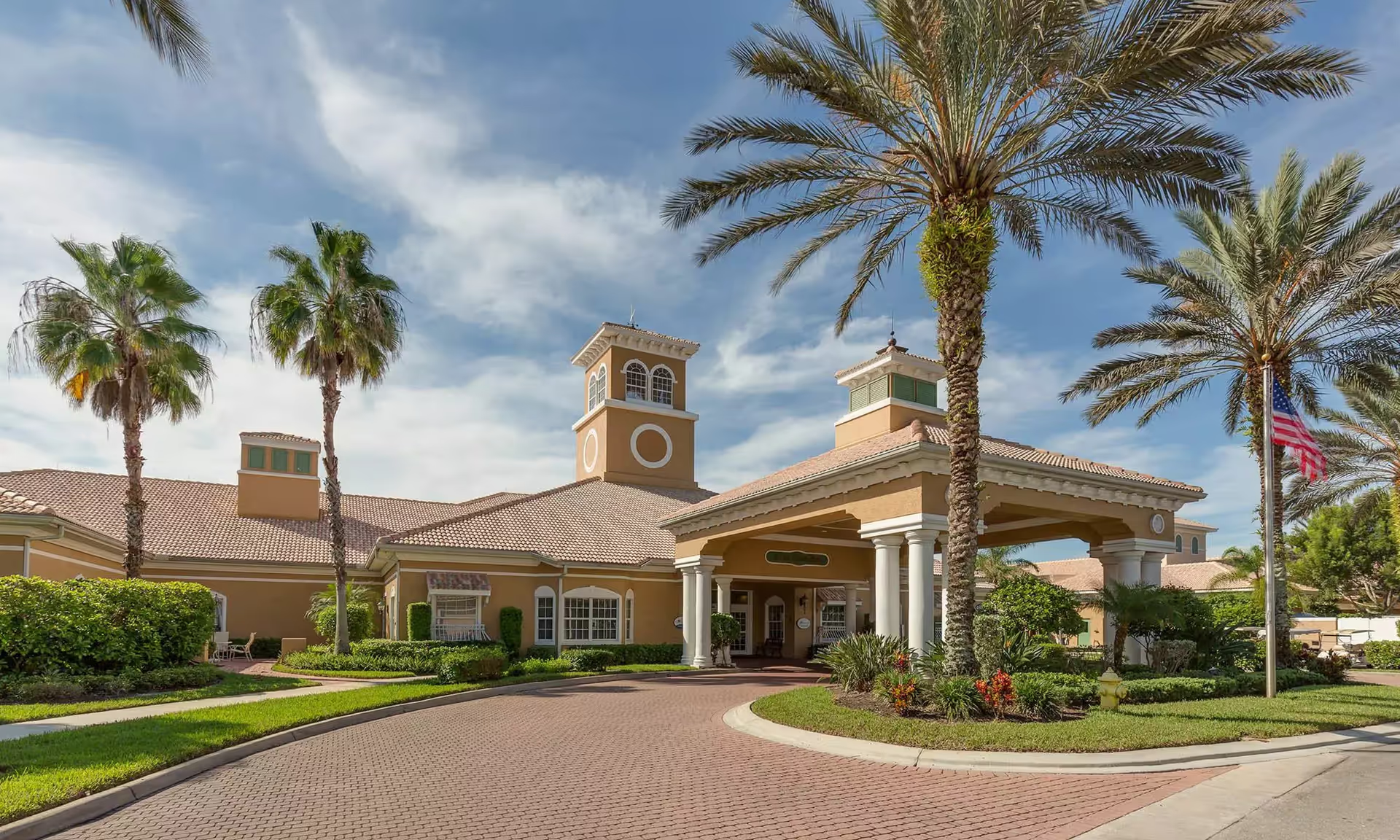
Brookdale North Naples garners substantial praise for its culture of interpersonal warmth, an active social calendar, and on‑site clinical supports. Many comments describe caregiving staff as compassionate, engaged, and long‑tenured; reviewers also highlighted accessible nursing coverage, visiting physicians, hospice collaboration, and instances of timely emergency response. The community offers a broad set of amenities — courtyards and landscaped grounds, a heated pool, fitness spaces, library, beauty salon, and multiple dining venues — and residents consistently benefit from a varied activity program that includes outings, classes, social hours, and therapeutic services.
Care and staffing impressions are mixed but generally positive on day‑to‑day interactions: families frequently report respectful, individualized attention and strong relationships between staff and residents. At the same time, there are recurring operational concerns tied to staffing levels and turnover. These manifest as slower response times to call buttons, variability in personal‑care scheduling, and occasional communication gaps between families and clinical staff. Another pattern relates to medication management: while many families praise nursing vigilance, there are specific notes about missed medications and delayed responses that point to uneven processes rather than uniformly reliable performance.
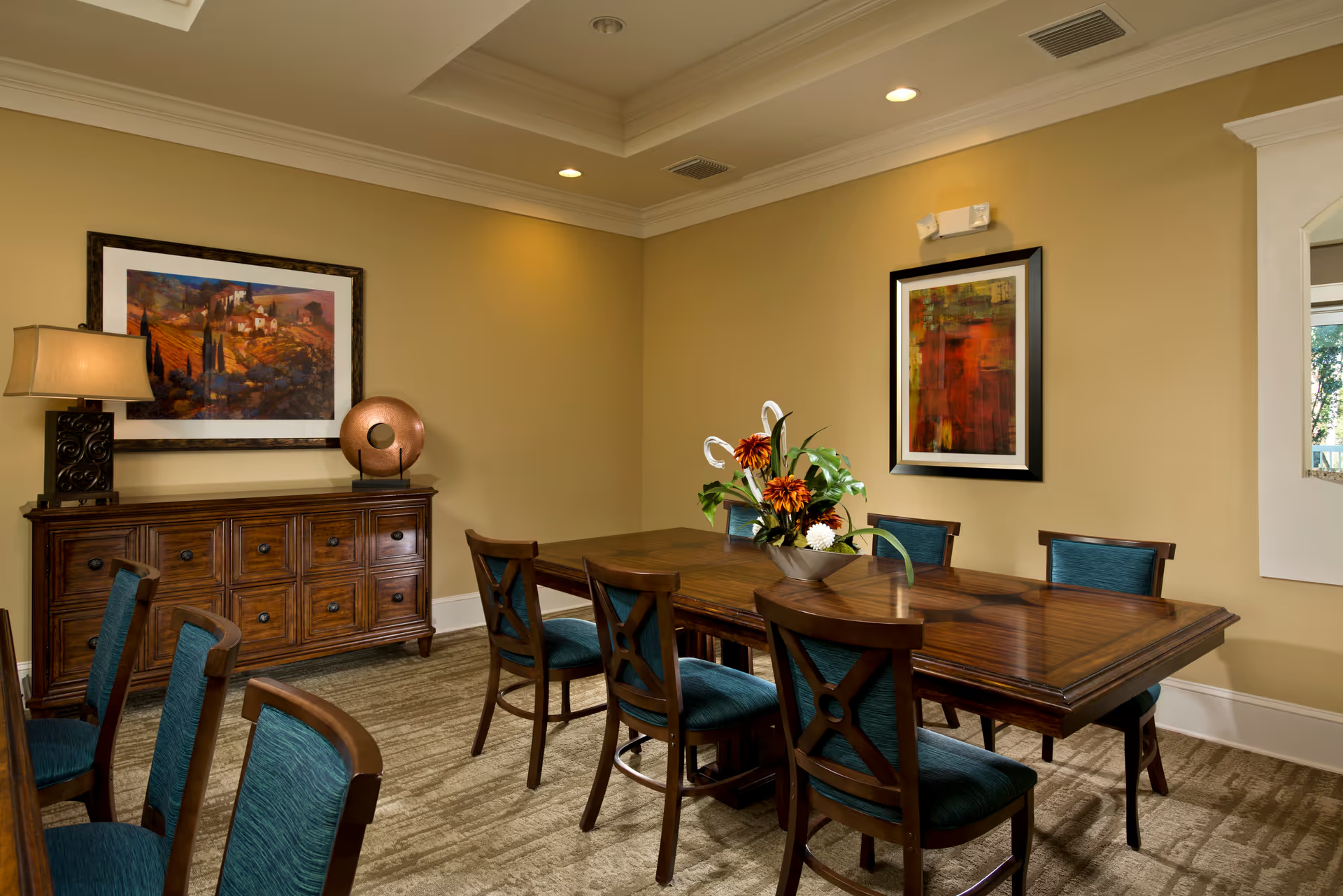
Dining and food service are important and polarizing themes. The community is praised for an extensive menu, flexible dining hours, and staff who accommodate preferences and private events. Numerous reviewers describe meals as a highlight of life there. Countervailing comments point to inconsistency in quality and service continuity — cold plates, items running out, understaffed kitchen shifts, and occasional interruptions in meal availability — indicating variability in kitchen staffing and service execution.
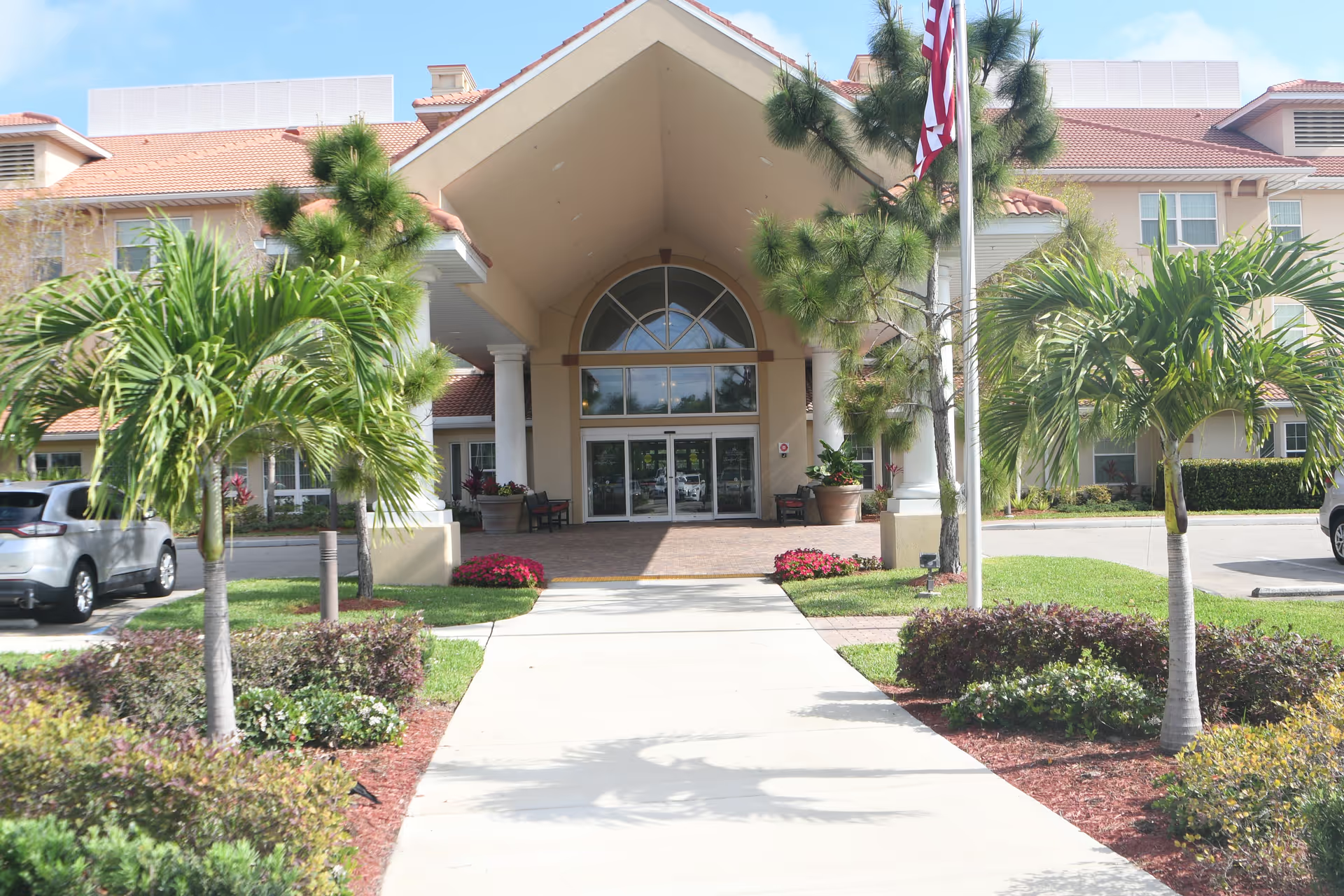
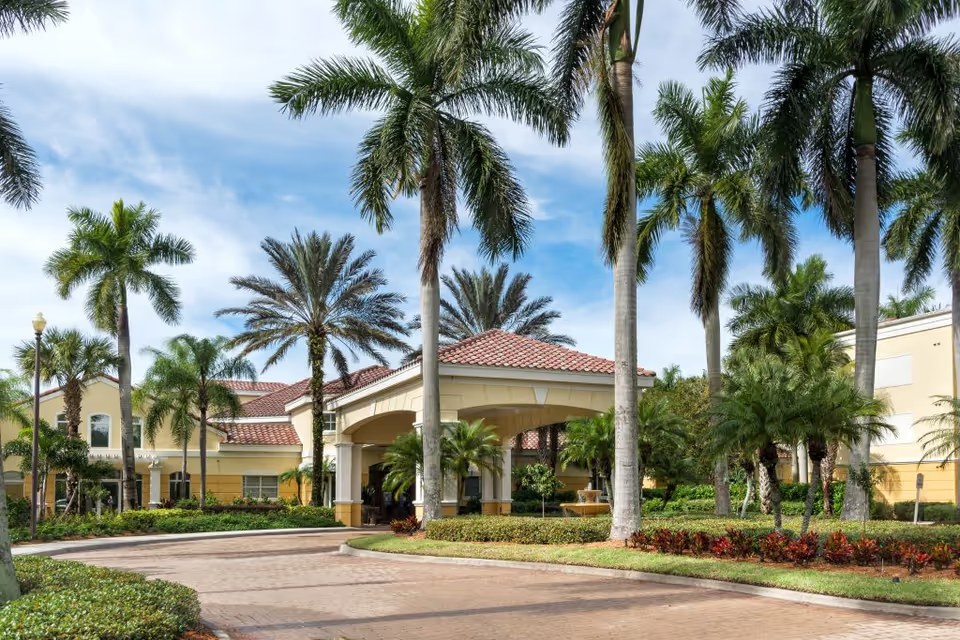
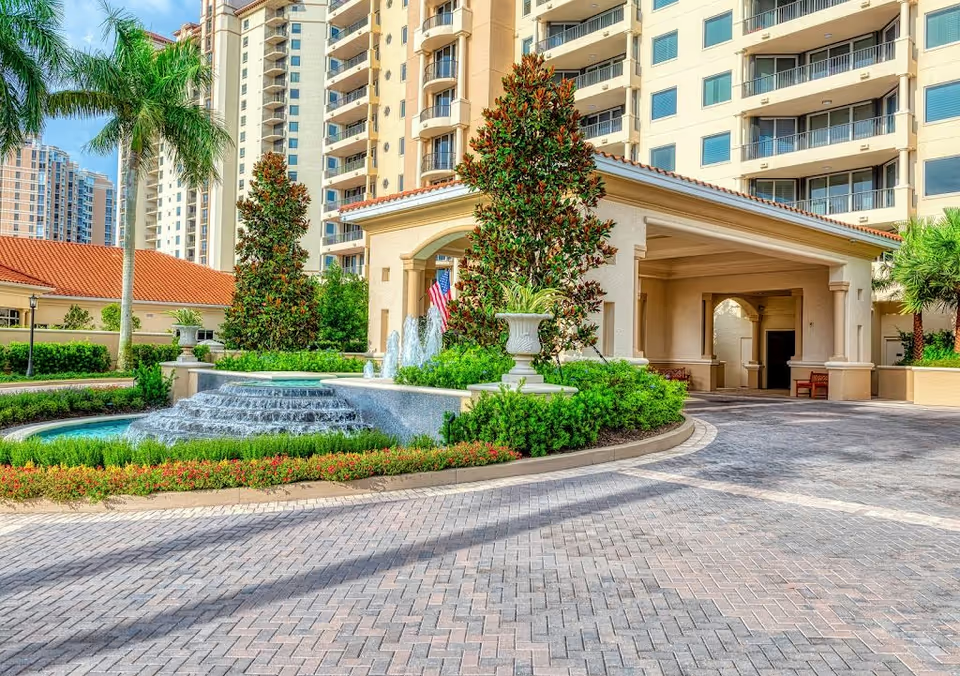
Facilities and programming are strong areas: shared spaces are generally described as clean and attractive, and the layout encourages social interaction. Outdoor spaces, courtyards, and the general “Florida” ambiance are repeatedly noted as assets. That said, reviewers also point to building‑level issues tied to an older footprint: confusing wayfinding, some dated finishes, spotty maintenance follow‑through (carpet wear, taped flooring, delayed repairs), and accessibility limitations in certain amenity areas (for example, pool access without a lift). These items suggest a need for ongoing capital and maintenance attention.
Management and administration receive mixed but substantive commentary. Many families name specific leaders and describe approachable, involved management who resolve concerns and support transitions. Conversely, administrative friction shows up as billing confusion, unexplained additional charges, inconsistent intake/orientation procedures, and lapses in front‑desk responsiveness or follow‑up after move‑ins. These patterns point to opportunities to standardize onboarding, billing transparency, and post‑move family communication.
Overall, Brookdale North Naples presents as a community with clear strengths in staff commitment, social programming, amenities, and clinical access — elements that deliver comfort and engagement for many residents. Recurrent operational themes (staffing variability, dining consistency, maintenance follow‑through, and administrative clarity) are the primary areas for improvement. Prospective residents and families should weigh the strong relational culture and robust activities against these operational tradeoffs, and consider focused questions during a tour: current staffing ratios and turnover, medication‑management protocols, recent kitchen staffing changes, maintenance response metrics, and specifics about billing and move‑in orientation. Those inquiries will help determine whether the community’s strengths align with an individual’s clinical and lifestyle needs.