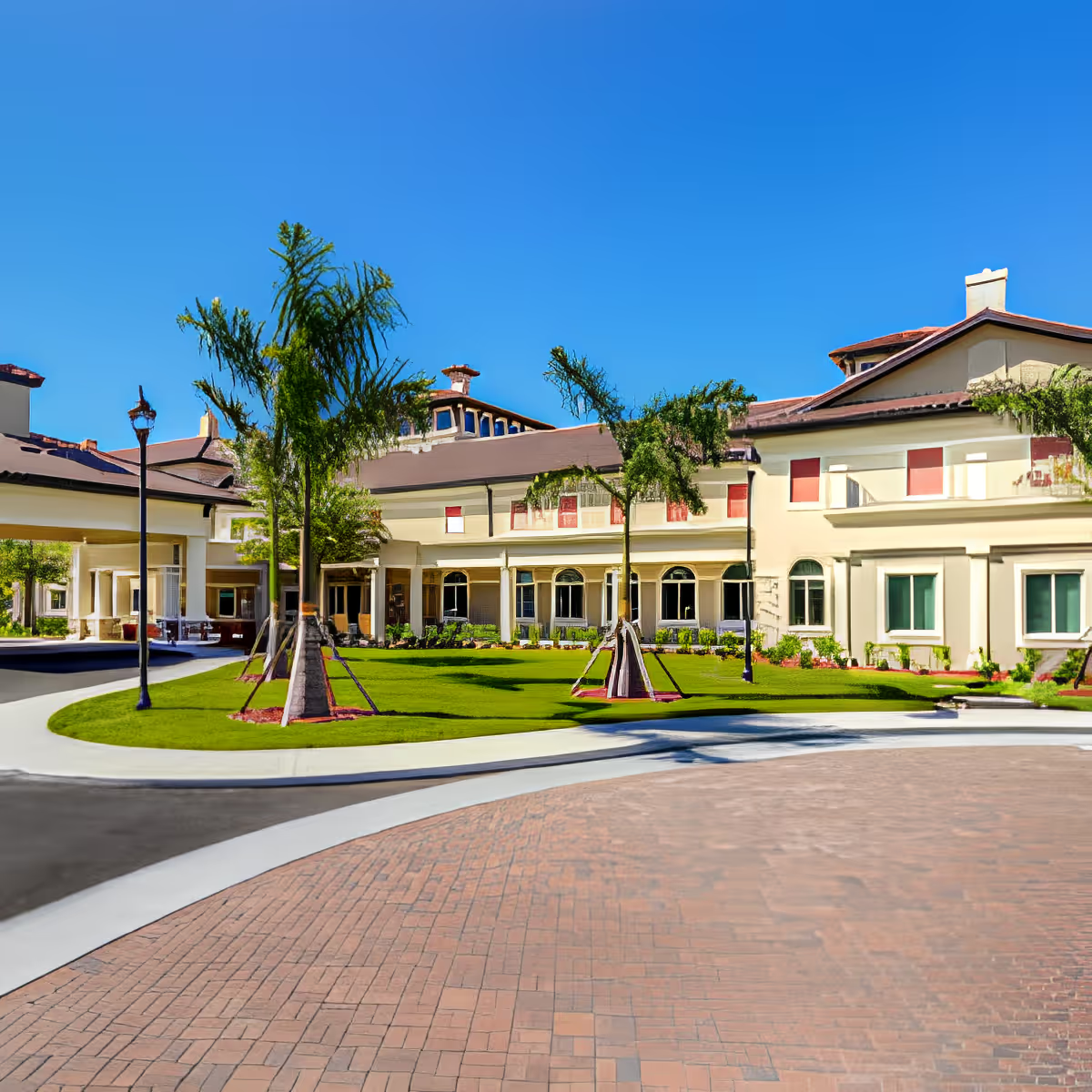
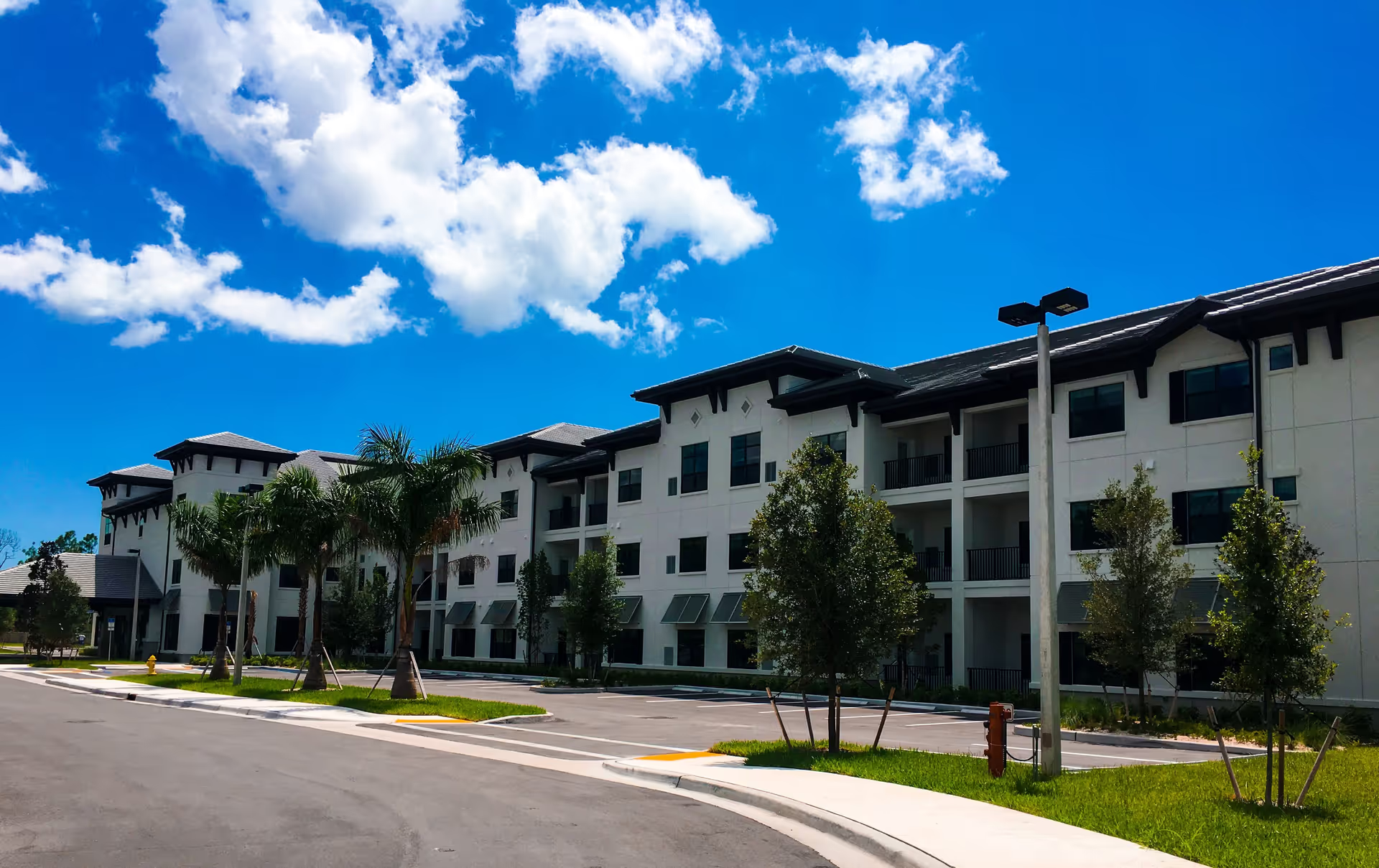
Overall impression: Villa at Terracina Grand is described by many families and visitors as a well-maintained, welcoming assisted-living community with strengths in dining, activities, and general atmosphere. Multiple comments highlight a dignified environment, attractive outdoor spaces such as a courtyard and garden, and leadership that is visible and engaged. At the same time, there is a pattern of mixed experiences around staff conduct and consistency of care that prospective families should evaluate during a visit.
Care and staff: Reviewers frequently praise compassionate staff, attentive caregiving, and an administrator who is responsive and involved. These accounts emphasize respectful interactions, timely attention to needs, and overall safety and dignity for residents. However, a subset of reviews raises concerns about inconsistent staff professionalism and variability in caregiving quality, with particular mention of interactions in the memory-care setting. These descriptions point to uneven experiences that could reflect staffing variability, training gaps, or shift-to-shift inconsistency rather than a uniform facility practice.
Dining and activities: Dining is a clear strength in the available feedback. Multiple comments note enjoyable meals, diet-specific dining options, and overall meal quality. The activity program and entertainment offerings are likewise highlighted — an engaged events coordinator, regular programming, and special events (for example, veterans’ recognition) contribute to social engagement and family satisfaction. These operational areas appear consistently organized and well-resourced.
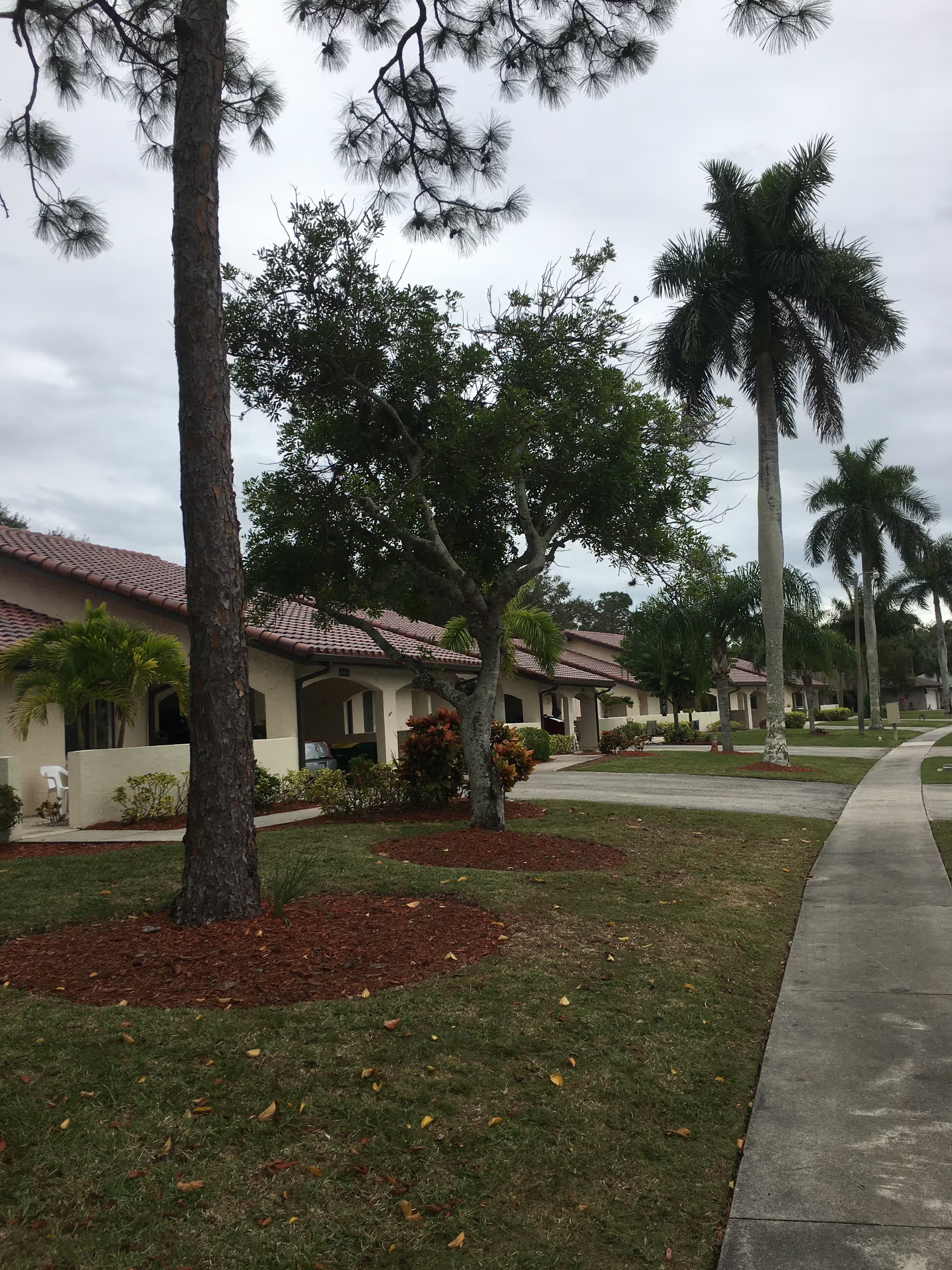
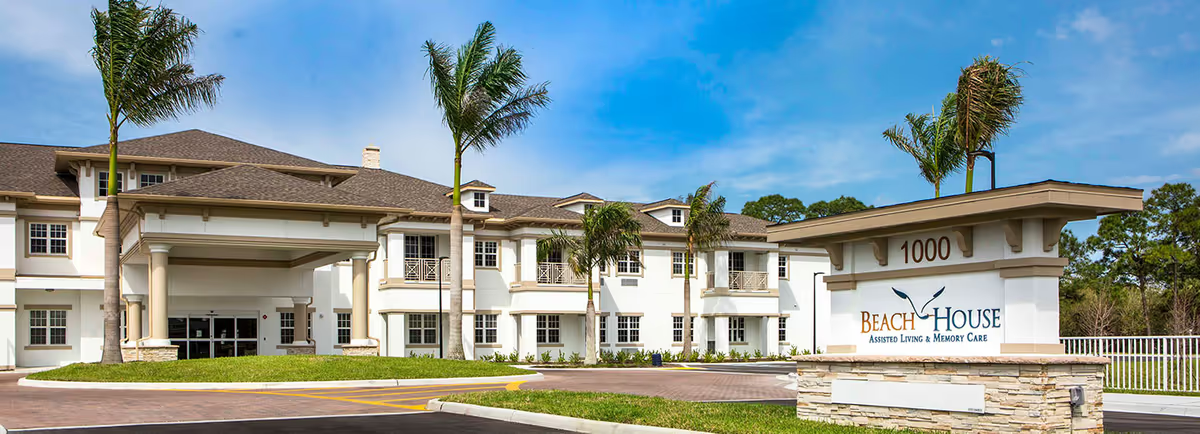
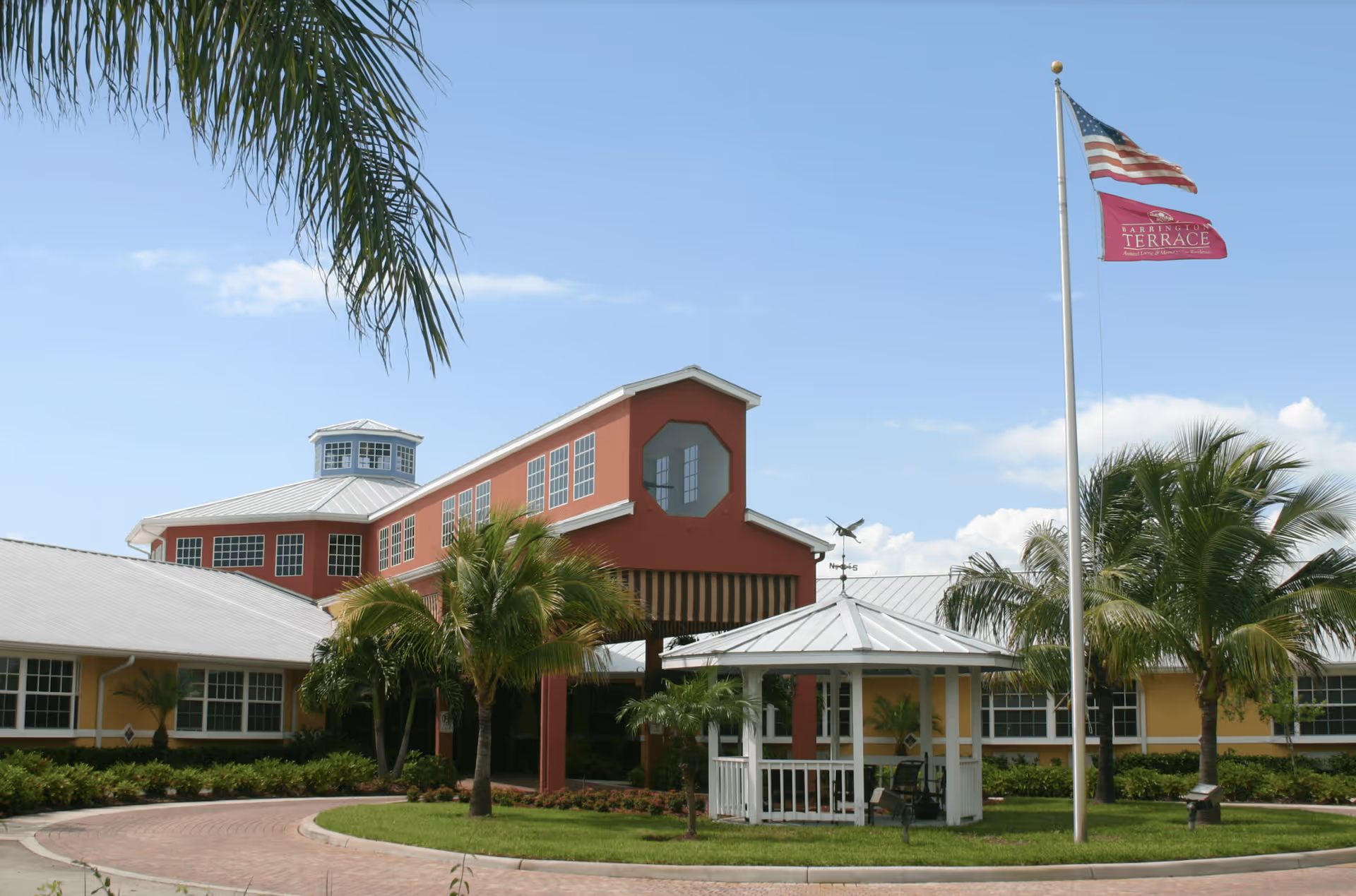
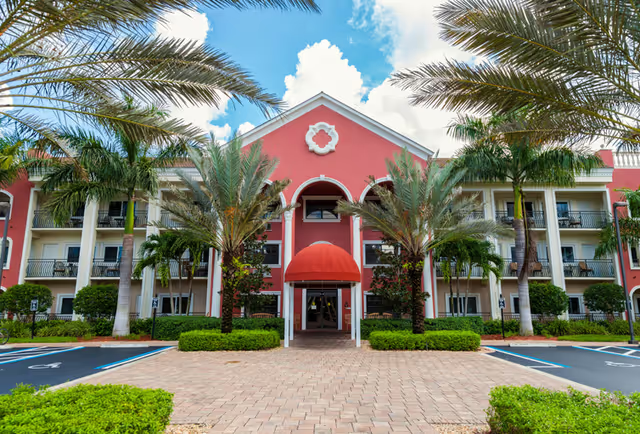
Facilities and management: The physical environment is consistently described as attractive and well kept, with pleasant outdoor spaces and a maintained interior. Families cited a welcoming atmosphere and convenient location for visits. Administrative leadership receives positive mention for responsiveness and compassion, which aligns with several favorable accounts of resident experience and family communication. Nevertheless, the mixed accounts about staff conduct suggest that management may need to monitor staff training, supervision, and dementia-care protocols more closely to ensure consistency across all units and shifts.
Notable patterns and guidance for families: The reviews present a generally positive picture in areas many families prioritize — food, activities, grounds, and visible leadership — but also show variability in day-to-day staff interactions and memory-care experiences. Prospective residents and their families should consider observing mealtimes and activities, asking about staffing ratios and turnover, requesting information on dementia-care training and supervision, and speaking directly with current families about continuity of care. Clarifying how the community addresses complaints or incidents and how it manages clinical communication will help assess whether the facility’s operational consistency meets your expectations.