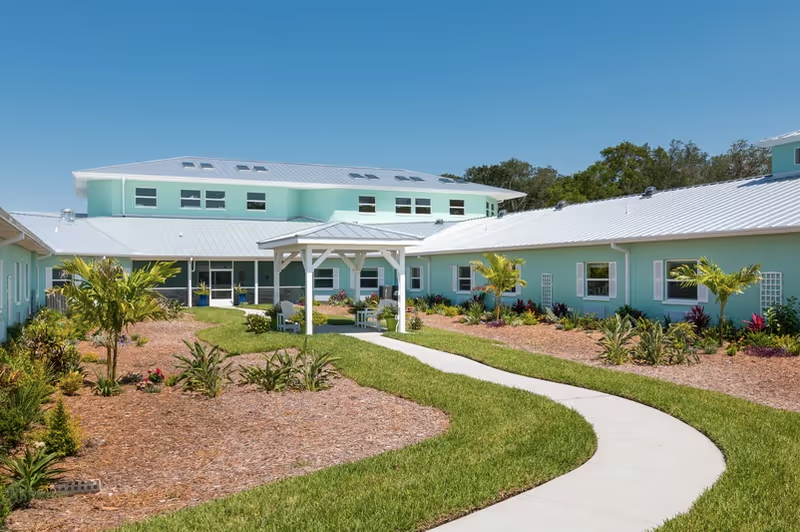
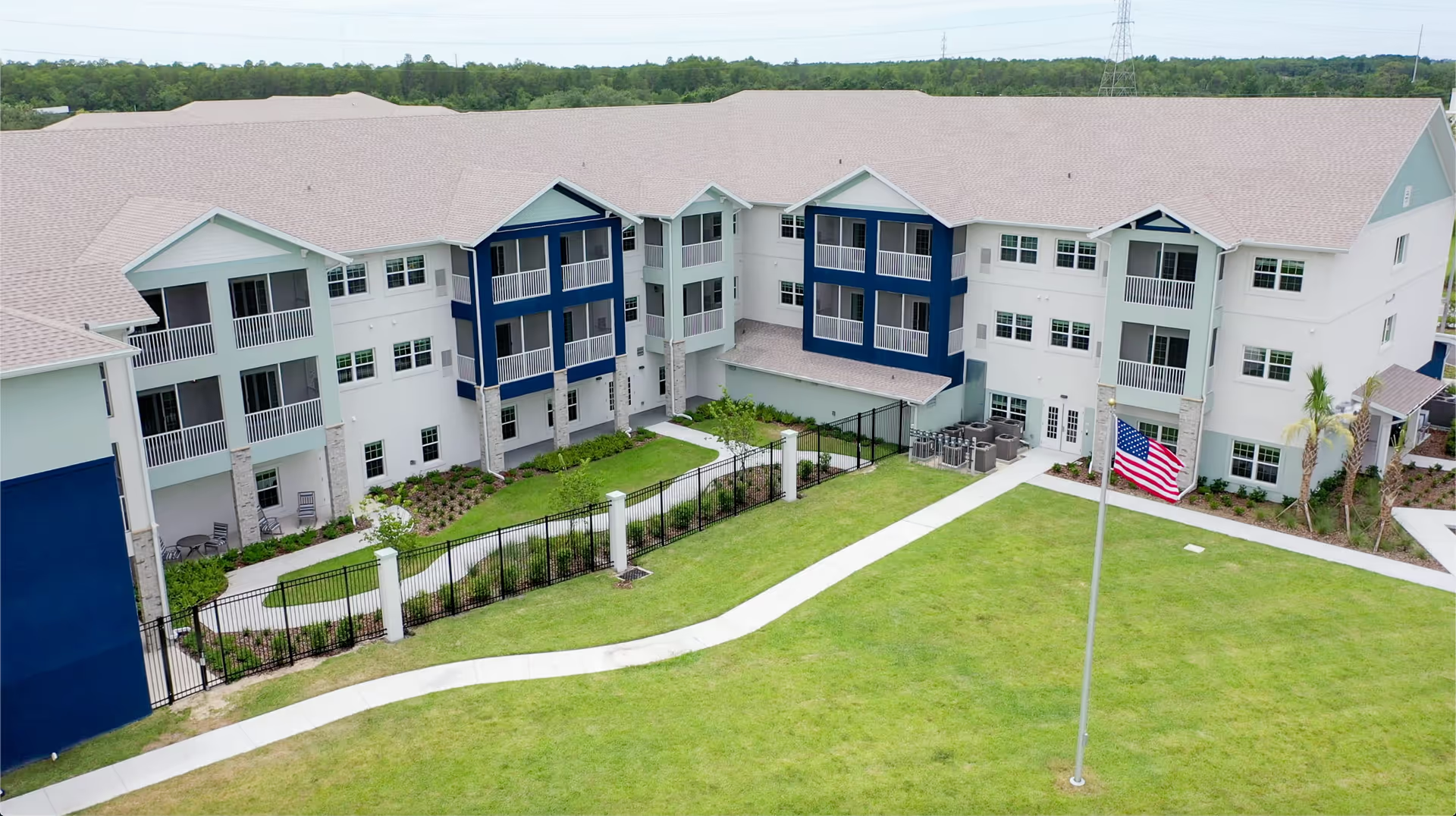
Heather Hill Healthcare Center elicits strongly mixed impressions. Many family members and residents praise the compassion, attentiveness, and clinical skill of bedside staff — particularly nurses, CNAs, and therapists — and highlight effective rehabilitation outcomes, hospice availability, and culturally sensitive, person-centered interactions. Several reviewers describe a welcoming, family-like atmosphere, clean communal spaces, an appealing courtyard, and a secured memory-care unit that provides a sense of safety. The facility also accepts Medicaid and offers social services and meaningful activities that some residents find engaging.
However, a consistent pattern of operational weaknesses appears across comments. Chronic understaffing and frequent staff turnover contribute to reliance on temporary agency aides, which reviewers link to uneven continuity of care and delayed responses to call bells and clinical needs. Several accounts indicate gaps in clinical-incident response and medication practices; families describe situations where faster or clearer clinical intervention and communication would have been expected. Communication from management and follow-through on family concerns are described as inconsistent — some administrators and leaders are praised for responsiveness, while others are perceived as slow to address issues or to deliver on commitments.
Dining and housekeeping impressions are mixed. Multiple reviewers report nutritious, well-balanced meals and weight-gain–focused options that supported recovery, while others describe inconsistent meal quality and service interruptions. Housekeeping and common-area cleanliness are frequently commended, but a number of reviews raise sanitation and laundry-management concerns and point to specific environmental maintenance needs: dated areas, temperature and lighting issues in rooms, and some building remediation items that require attention.
Activity programming and resident engagement show variability. Some families describe increased socialization, music, and exercise opportunities that improved residents’ mood and mobility; others say activities are limited or unevenly available across units. Safety and privacy concerns appear in reports of sleep disruption, room lighting and temperature control issues, and lapses in personal-property management such as missing laundry or belongings.
Overall, the pattern is polarized: many positive accounts focus on high-quality bedside care, compassionate staff, effective rehab services, and a clean, welcoming communal environment; many negative accounts focus on systemic operational problems — staffing instability, inconsistent clinical response, uneven management follow-through, and facility maintenance gaps. Prospective residents and families should weigh the facility’s strengths in nursing, therapy, hospice, and social atmosphere against the documented variability in staffing continuity, communication, and environmental maintenance. Visiting in person, meeting the current care team, reviewing staffing patterns for the unit of interest, and asking about recent corrective actions for maintenance and incident response will help clarify how these patterns apply to a particular placement.