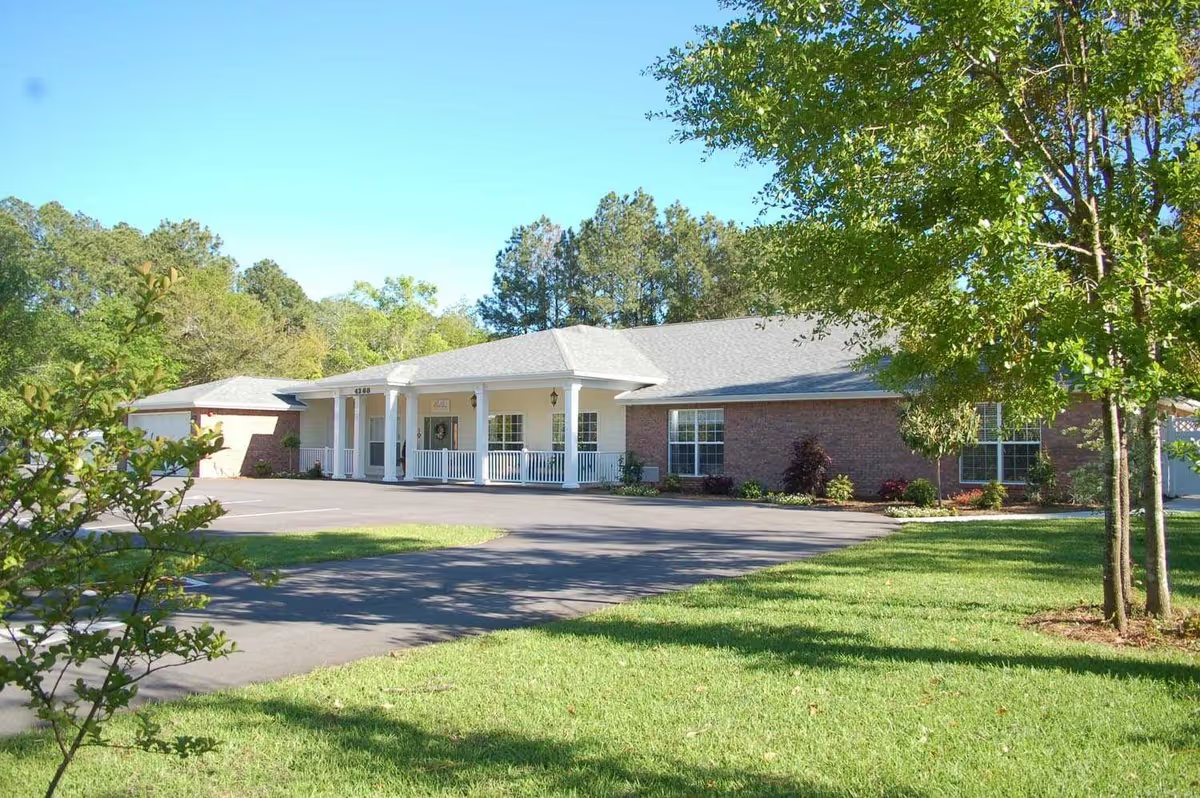
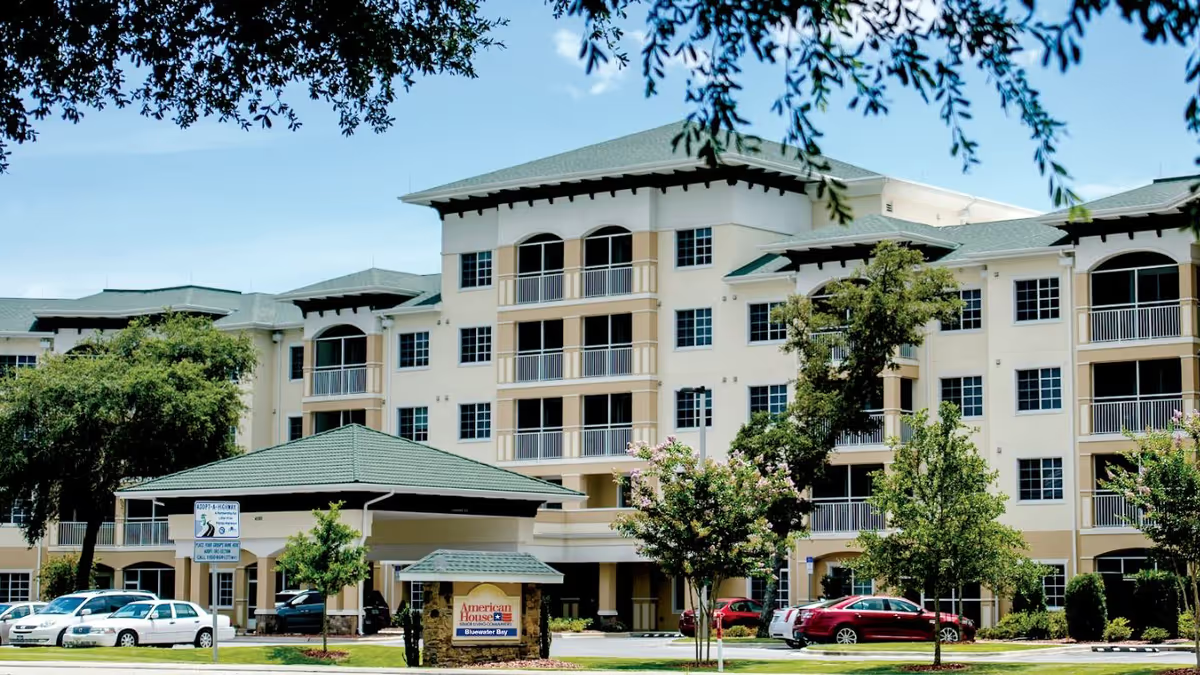
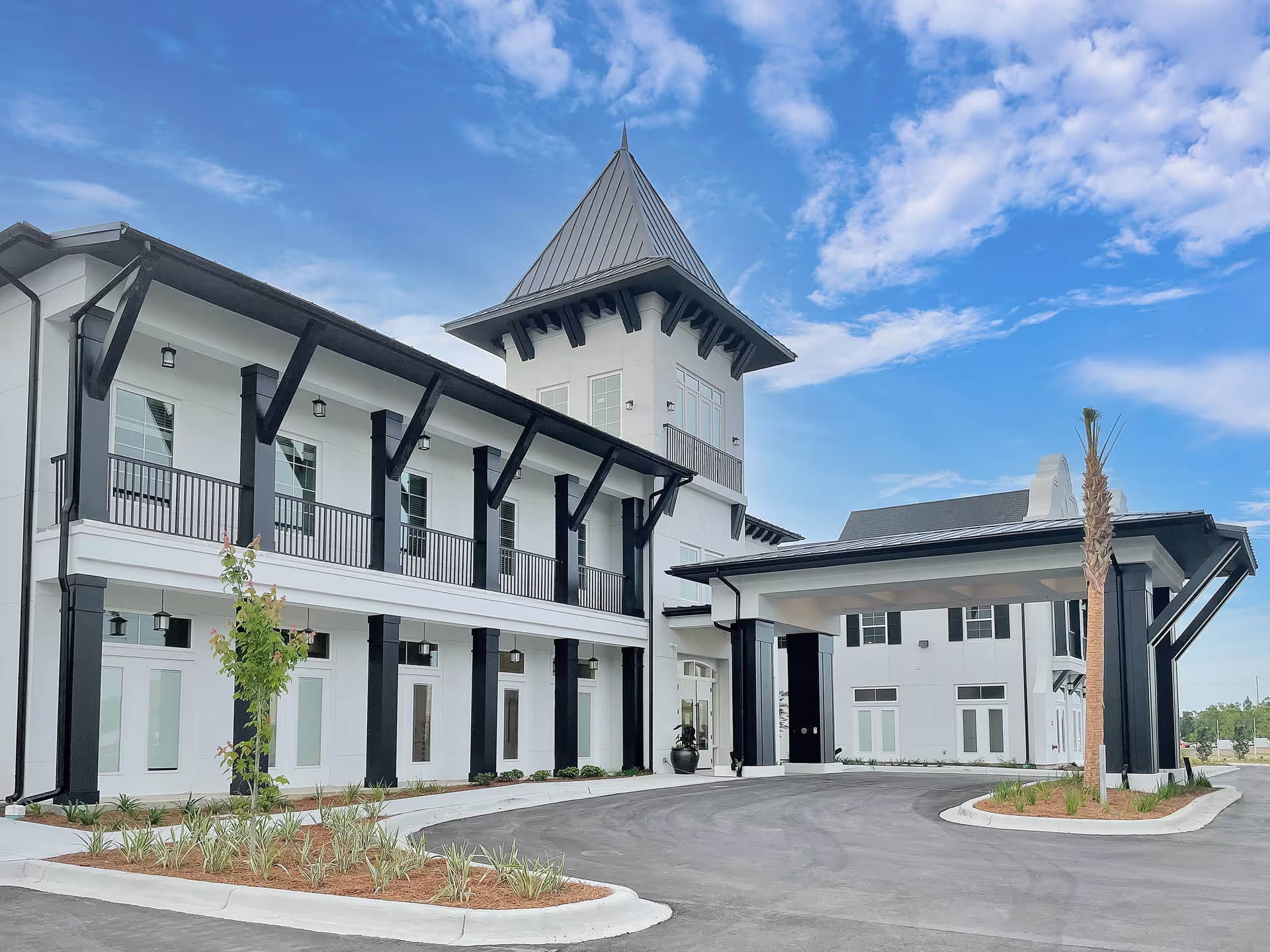
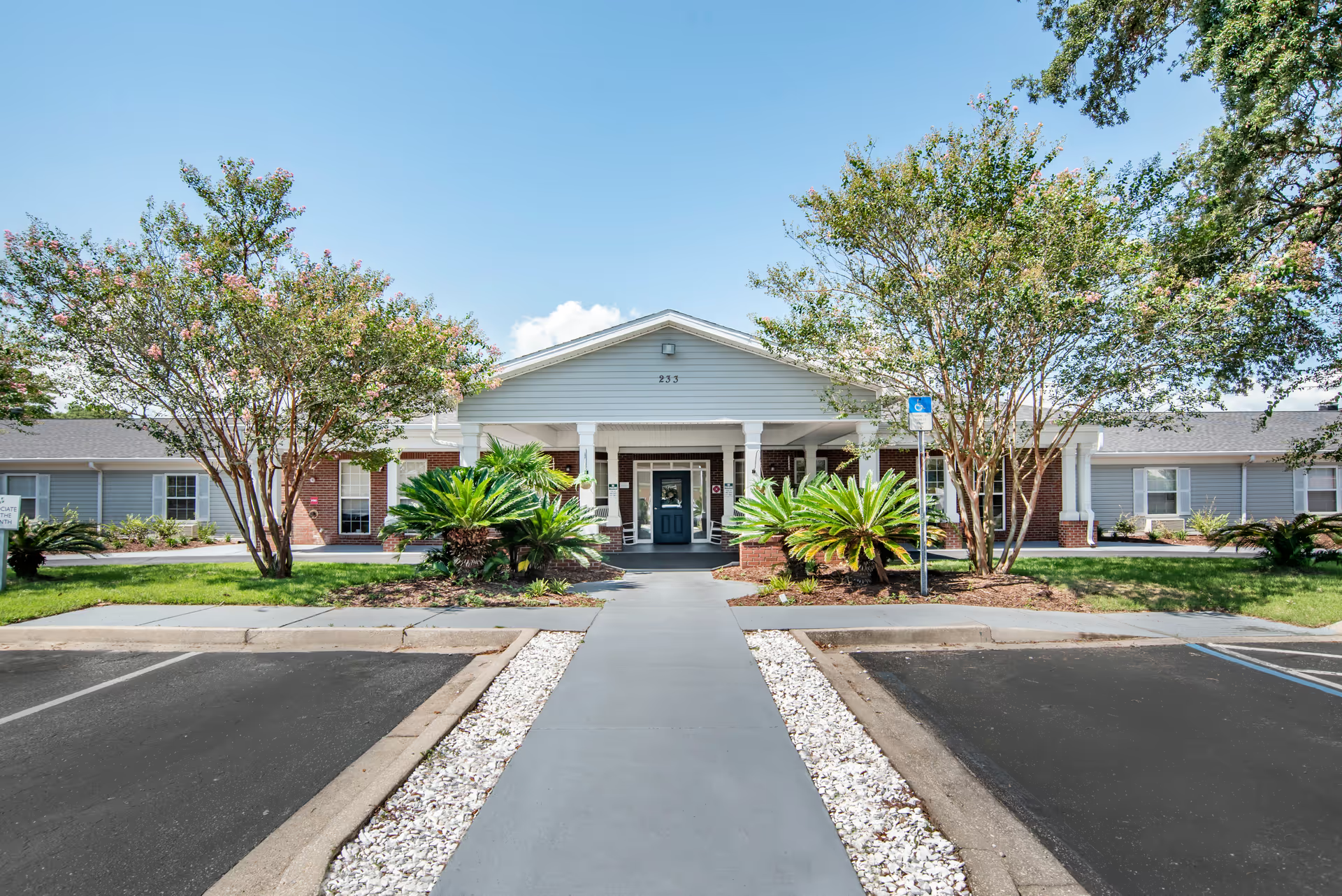
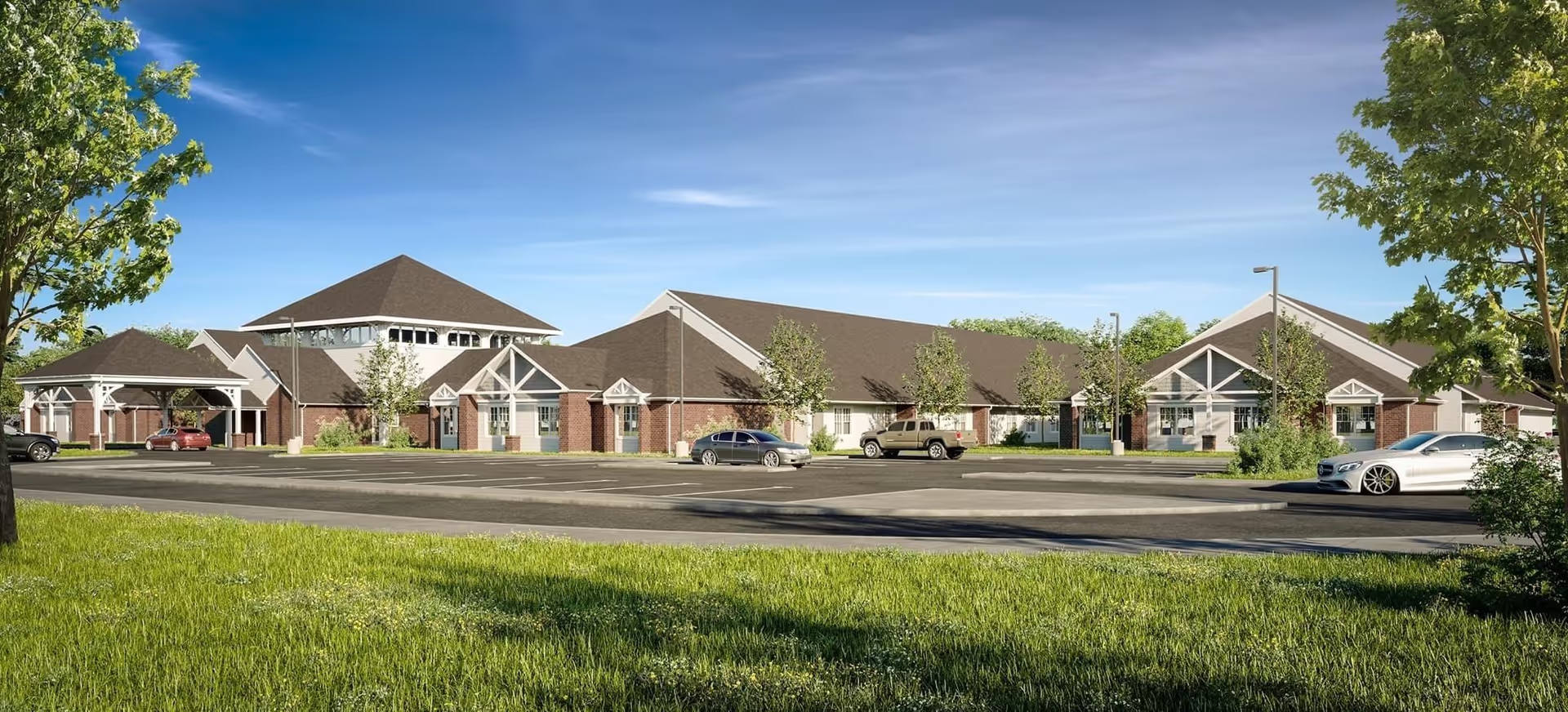
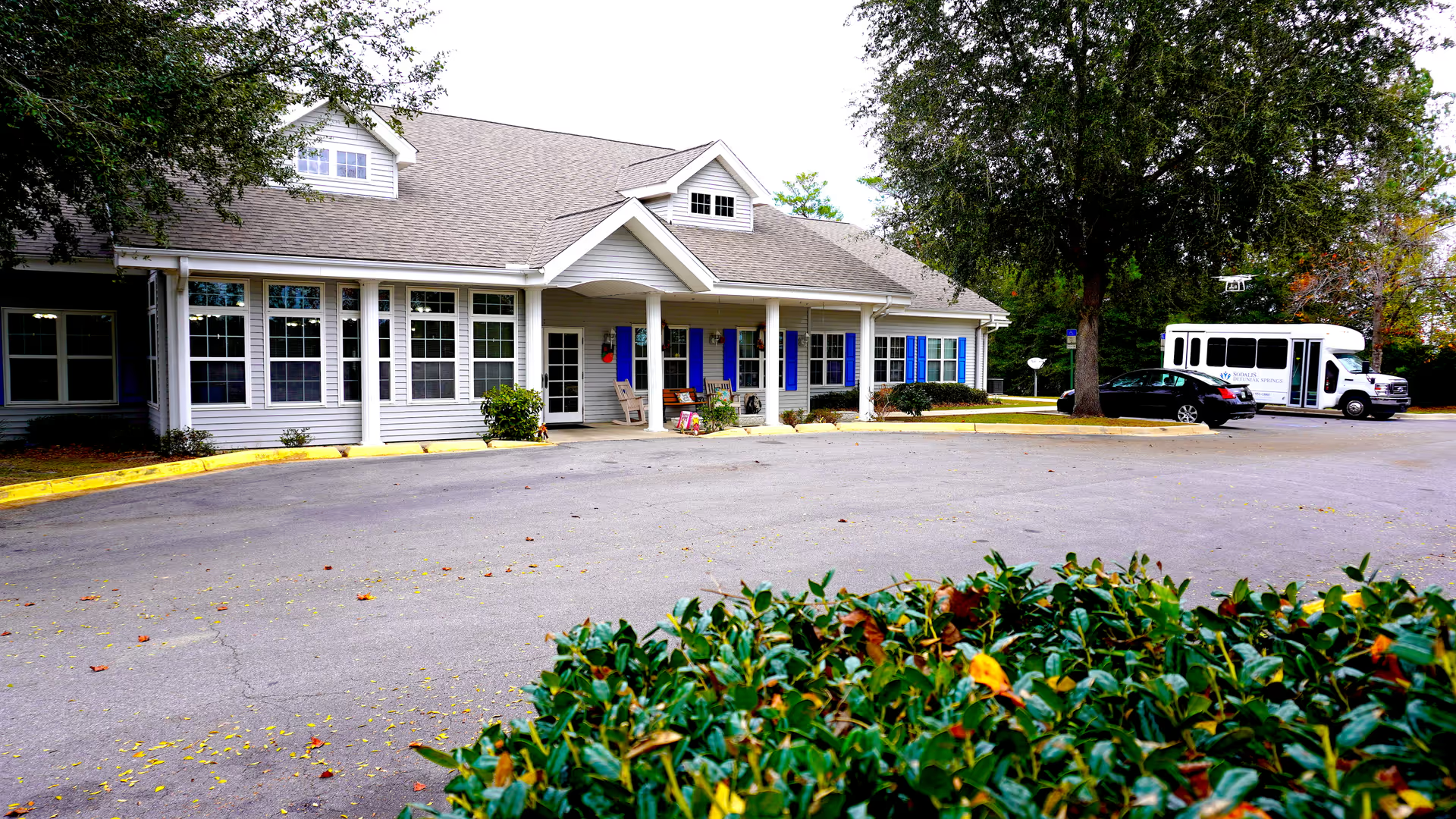
The review set for Partin Place Senior Living is mixed, with a clear split between families who describe high-quality, attentive caregiving and those who raise operational and management concerns. Many reviewers praise the frontline staff — caregivers, nurses, and memory-care aides — for being compassionate, responsive, and effective at routine personal care (dressing, grooming, reducing falls compared with prior placements). Multiple accounts highlight positive aspects of the memory-care environment: daily, memory-focused activities, on-site medical and hospice support, and staff who engage residents in meaningful programming. Several families also note a welcoming physical environment: bright common areas, wide walking spaces, clean public rooms, a red-carpet style admission welcome, and generally well-maintained facilities and room layouts (including larger memory-care bathrooms and adequate room size). Video-chat capability and regular family communication were also cited as strengths by some families.
Care quality assessments vary. Positive reports emphasize attentive, resident-focused care, timely medical responses, and improvements in resident condition under the current caregiving team. However, other reviews identify operational gaps with potential clinical impact: understaffing at times, inconsistent medication-management practices, questionable documentation, and episodic failures in fall-prevention or incident response. These issues are framed by reviewers as problems with training, supervision, and clinical controls rather than isolated interpersonal disputes. The result is a polarized perception of care quality: where staffing and clinical systems are stable, families report good outcomes; where staffing or training falter, families report safety and documentation concerns.
Staffing and workplace culture are recurring themes affecting both care and operations. Positive narratives describe devoted long-term staff and a strong sense of teamwork; negative narratives describe high turnover, frequent use of agency staff, a toxic workplace culture, and instances of discouraging or disrespectful conduct toward residents and families. Several accounts note that management changes corresponded with shifts in staff morale and service consistency. Reviewers who experienced good leadership cited proactive communication, problem-solving, and invested administrators; others describe poor responsiveness to calls, a lack of follow-through on family concerns, and a perceived discouragement of family involvement despite stated open-door policies.
Dining and activities receive mixed marks. Some families commend chef-prepared meals, variety, and good dining service; others report inconsistent food quality, weight loss concerns, and reduced activity offerings—particularly after COVID-related staffing changes. When activities are well-staffed, reviewers highlight regular social programming, spiritual services, outings, and opportunities that support engagement and mobility. Where activity staffing is reduced, families describe reliance on passive entertainment (TV/music) rather than organized programming.
Facility-level operational issues include inconsistent enforcement of privacy and property safeguards (for example, unclear camera policies and concerns about missing belongings), billing and collections disputes, and marketing messaging that some families felt overpromised relative to the services actually delivered. These operational weaknesses often intersect with clinical concerns (e.g., medication handling, documentation, and fall prevention) and with staff retention, amplifying family frustration when problems are not addressed promptly.
For prospective residents and families considering Partin Place, the pattern in these reviews suggests a need for targeted questions and on-site verification: inquire about current staffing ratios and use of agency personnel (day/night shifts), ask for specifics on medication-administration protocols and documentation practices, request examples of recent activity schedules and staffing for those programs, clarify camera and privacy policies in writing, review the contract and billing procedures, and seek references from current families in the same care unit. Experiences appear to vary with unit, leadership, and staffing stability: when leadership and staff are aligned and stable, reviewers report strong, resident-centered care; where those elements are strained, families report operational and safety-related concerns.