Overall impression: Reviews of North Port Pines emphasize a generally positive resident experience characterized by cleanliness, attentive staff, engaging programming, and appealing dining. Families and residents frequently describe the facility as well maintained with comfortable, apartment-style suites and hotel-like common areas. Staff at all levels—from custodial to management—are often described as friendly, caring, and available, and many reviewers express confidence in day-to-day assistance such as laundry, medication administration, and transportation to medical appointments.
Care and staffing: The dominant theme is strong interpersonal care. Multiple reviewers highlighted compassionate, hands-on staff who go beyond routine duties to assist residents and help new arrivals settle in. Staffing is credited with fostering a “down-home” atmosphere and close staff–resident relationships. However, reviewers also raised operational concerns around how care levels are organized: there are indications that different levels of need can be mixed within the same units, and that the memory-care environment is experienced by some families as restrictive or “locked down.” These concerns suggest potential gaps in specialized dementia programming and environment design for residents who require distinct memory-care supports.
Dining and activities: Dining receives largely positive comments for taste, variety, and appealing menus; some reviewers called the food “delicious” and the selection varied. The activity program is a clear strength, with frequent offerings such as bingo, movie nights, music and karaoke, game nights, card play, exercise classes (five days per week), intergenerational events, and community outings. These opportunities appear to support resident engagement and social interaction. That said, several reviewers noted operational issues with meal delivery timing, including long waits at mealtimes, which can particularly affect residents with cognitive impairment.
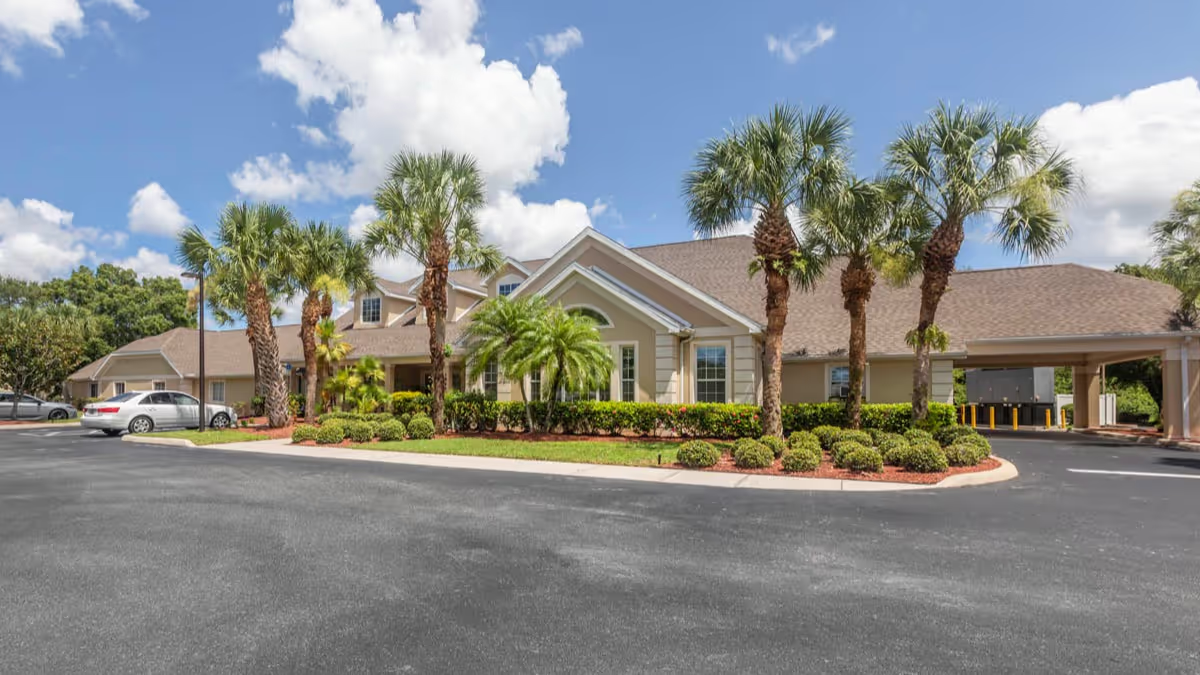
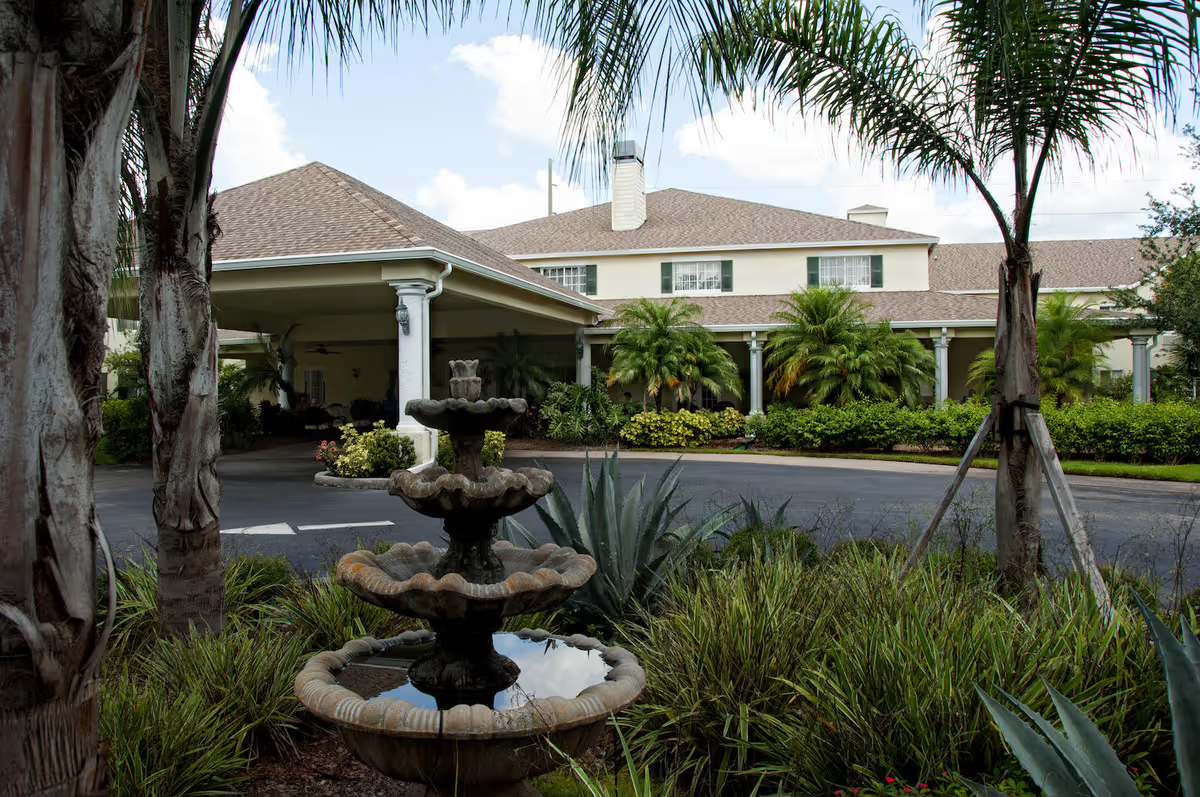
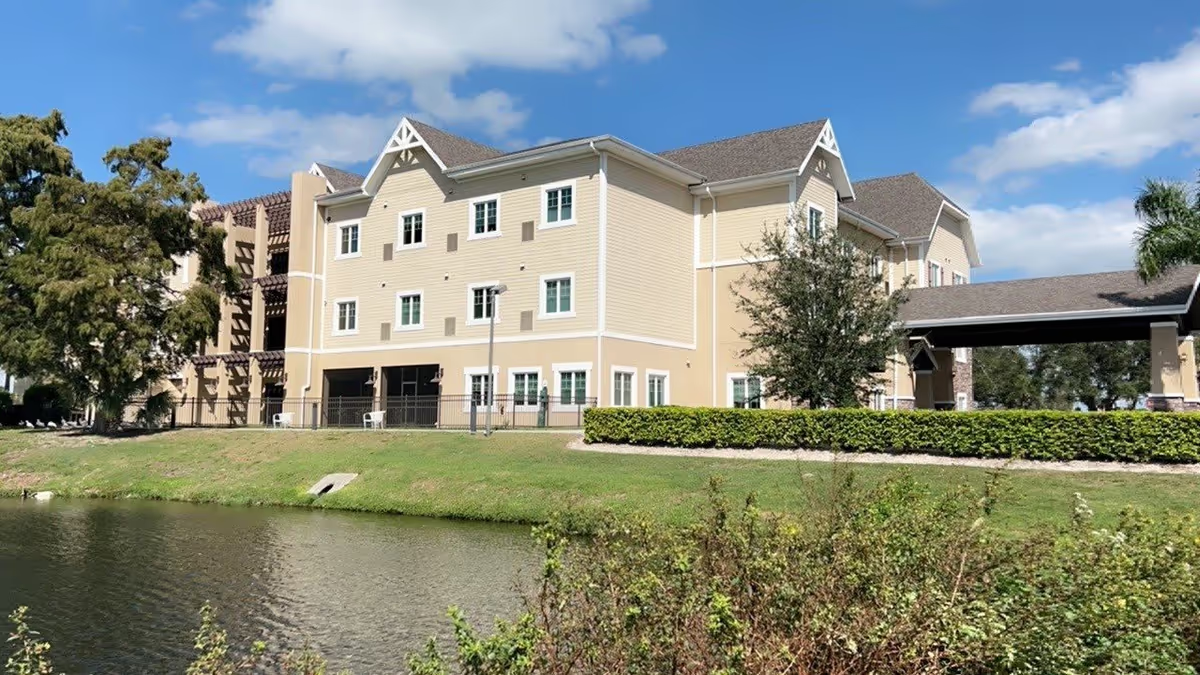
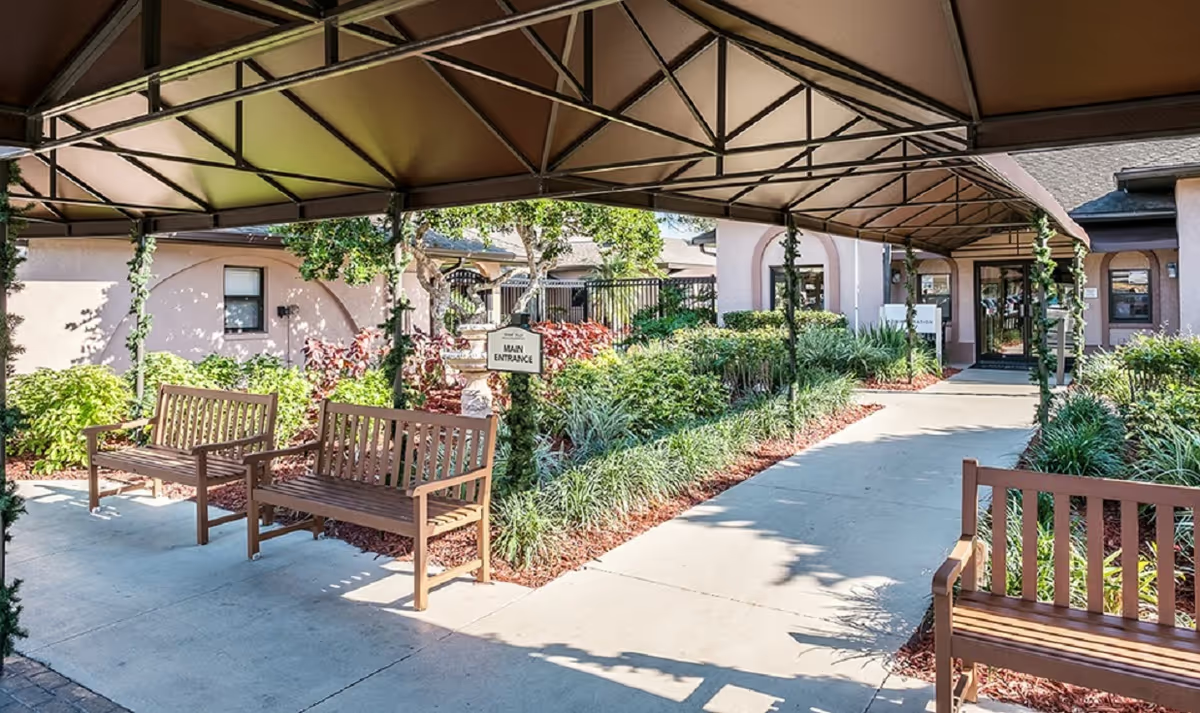
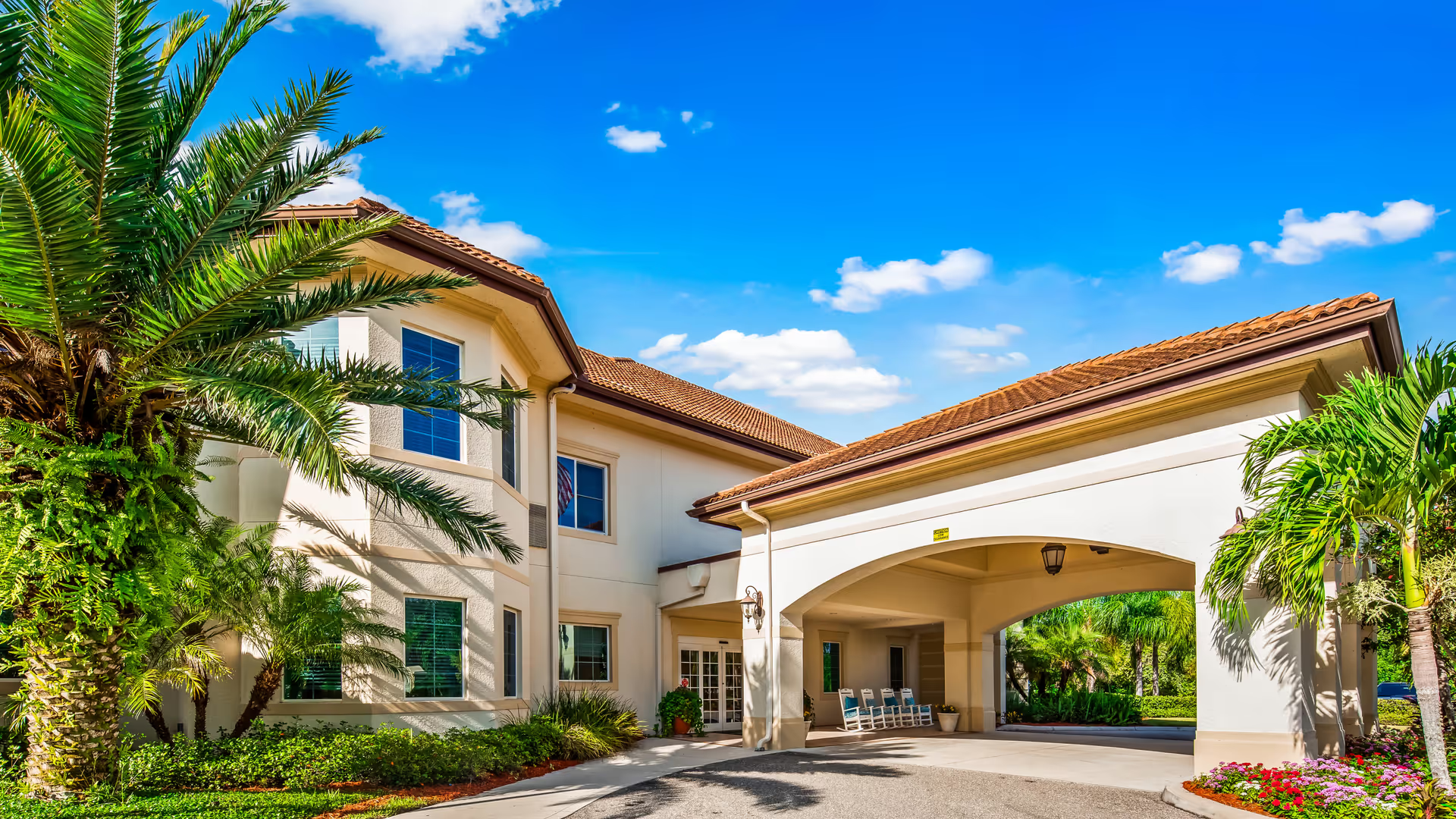
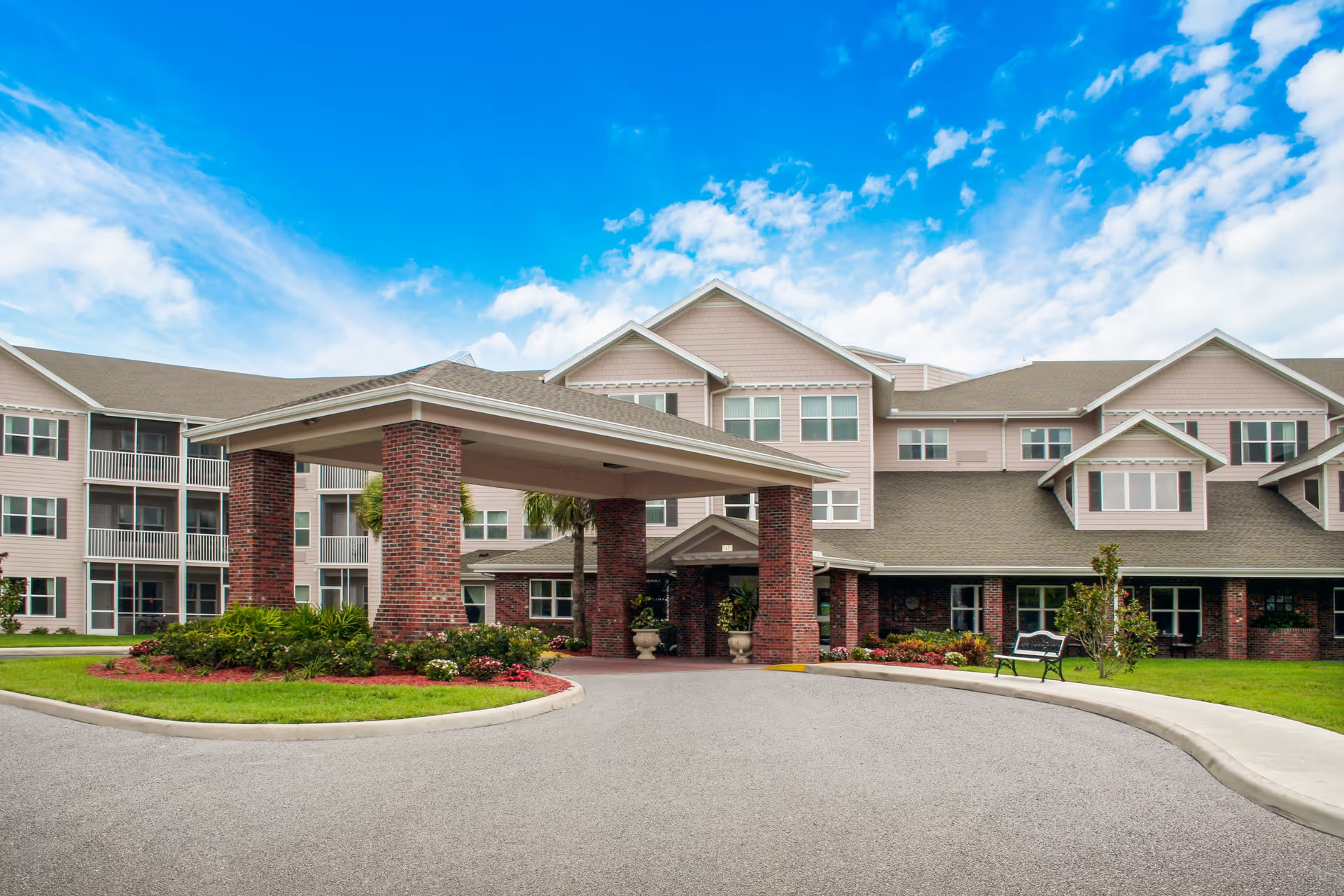
Facilities and safety: Physical facilities are described as attractive, clean, and well cared for, with useful apartment features (kitchenette, walk-in closet, living area) and safety elements such as grab bars and call buttons. Outdoor spaces and proximity to local restaurants and the hospital were further positives. At the same time, the building’s older layout—narrower hallways and an older wing—was mentioned as a limitation for accessibility and movement. A small number of comments point to inconsistent bathroom safety implementation and at least one fall-related incident; these suggest the need for consistent fall-prevention practices and monitoring across units.
Management and notable patterns: Management and front-line supervisors receive favorable mentions for being accommodating and responsive, and the facility provides a range of operational supports (laundry, medication management, transportation). The overall pattern is one of strong relational care and robust programming paired with some operational and infrastructure limitations: mixing of care levels, a perceived restrictive memory-care setting, meal-service delays, and older physical layout constraints. Prospective residents and families should weigh the facility’s strengths in staff engagement, activities, and dining against these operational considerations—particularly if specialized memory care or enhanced accessibility is a primary concern.