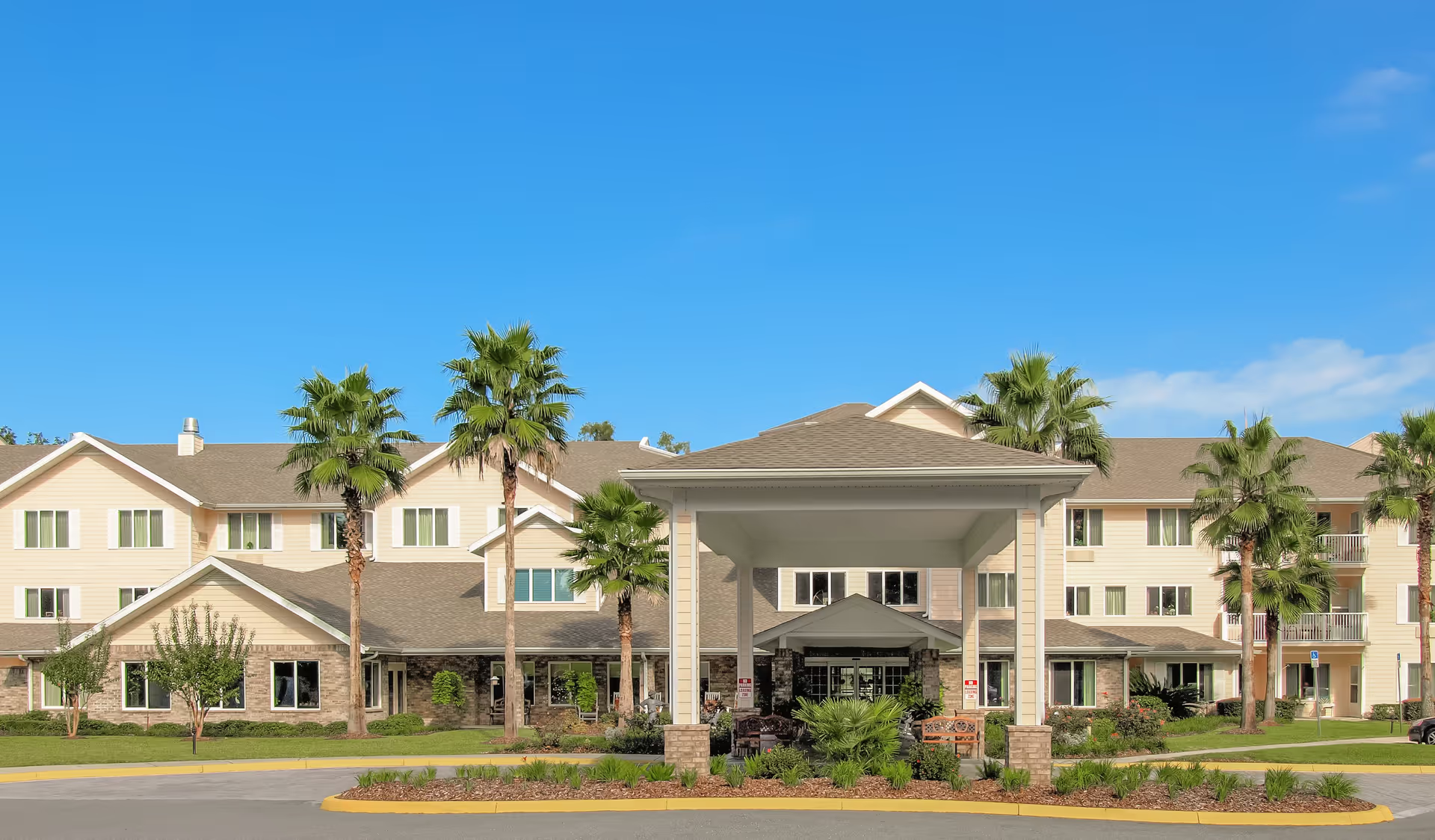
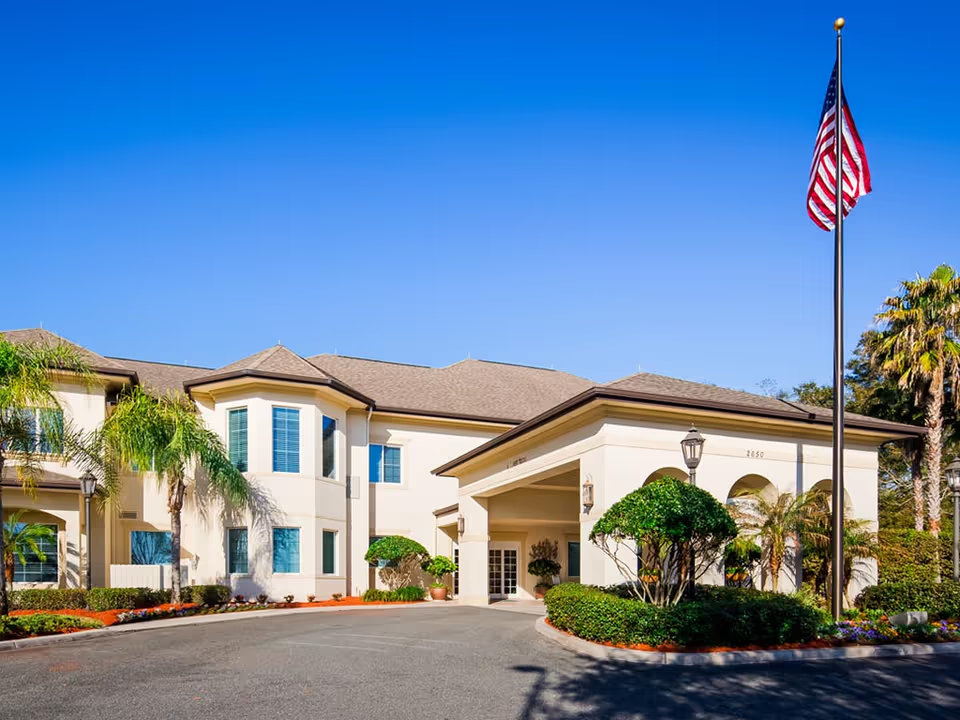
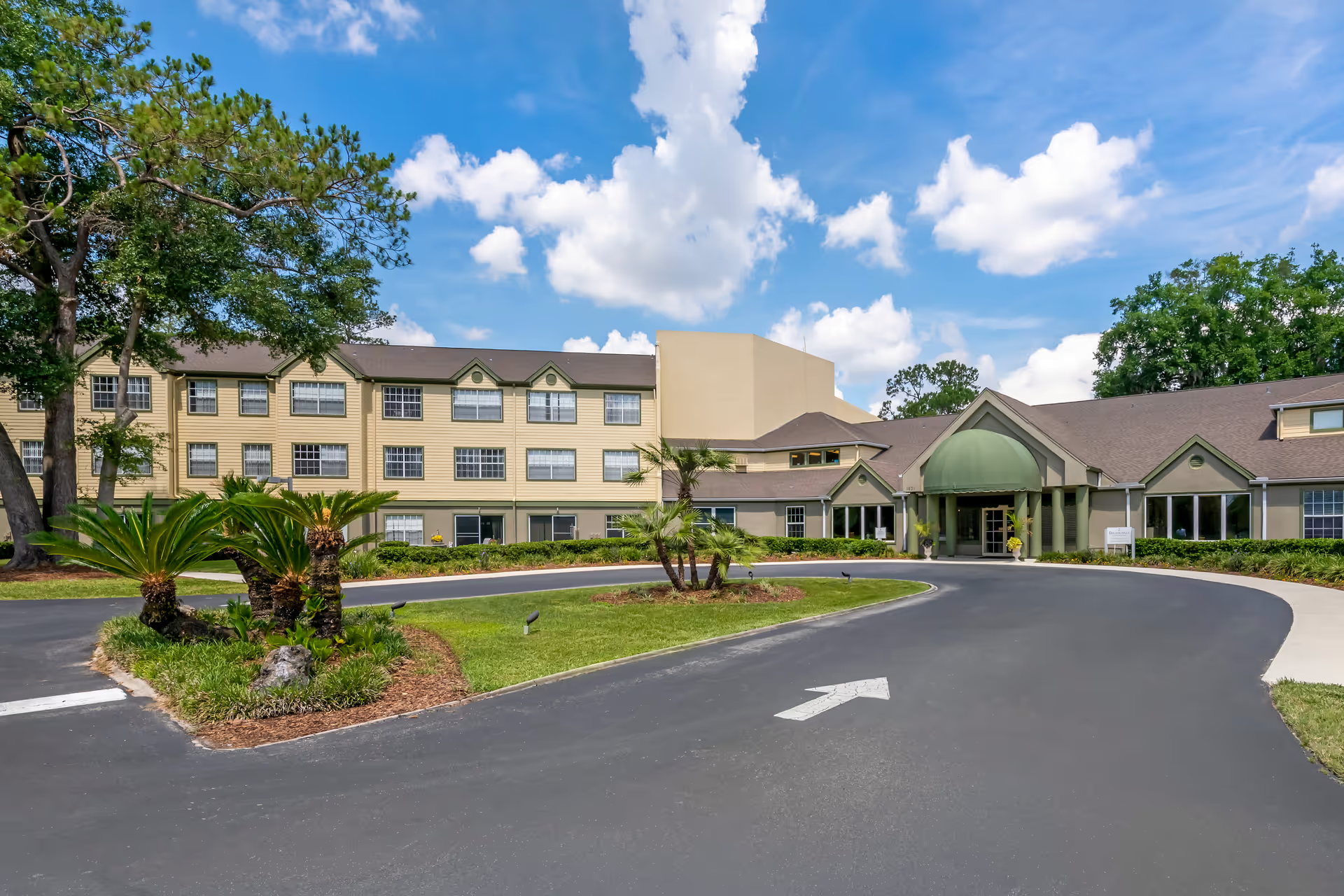
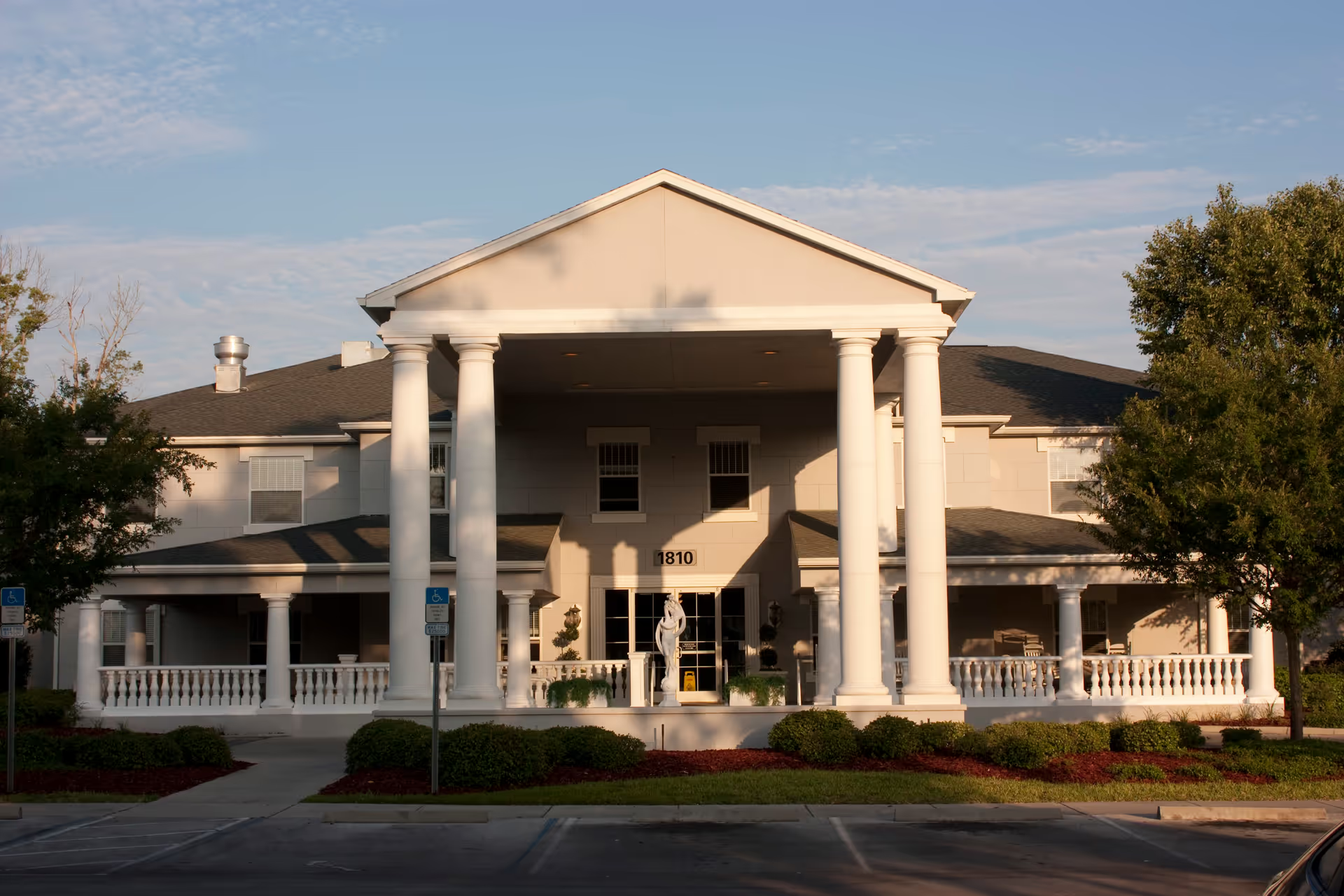
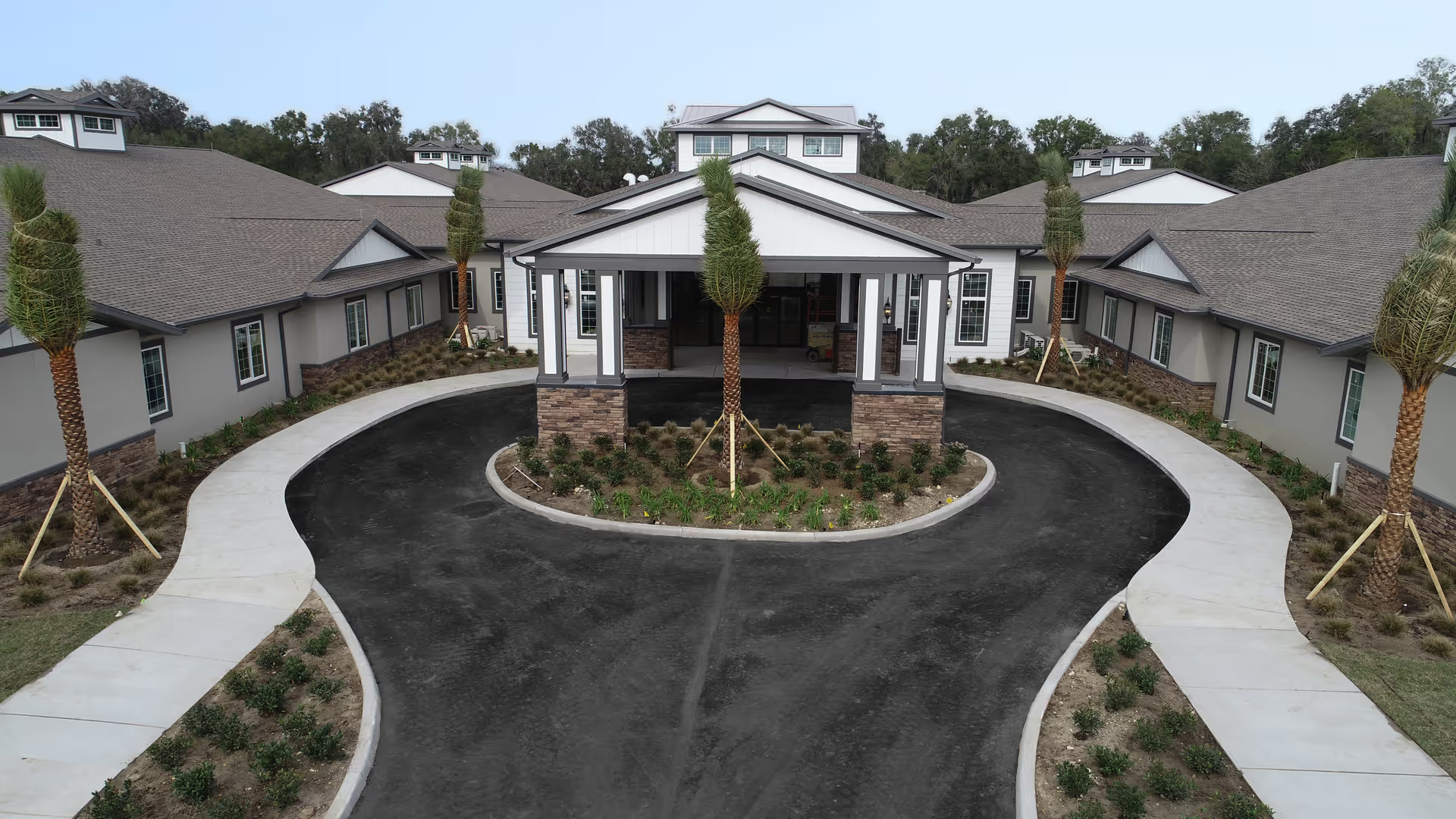
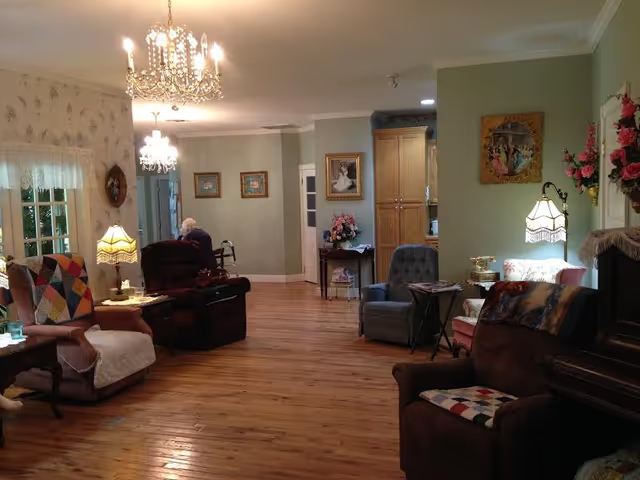
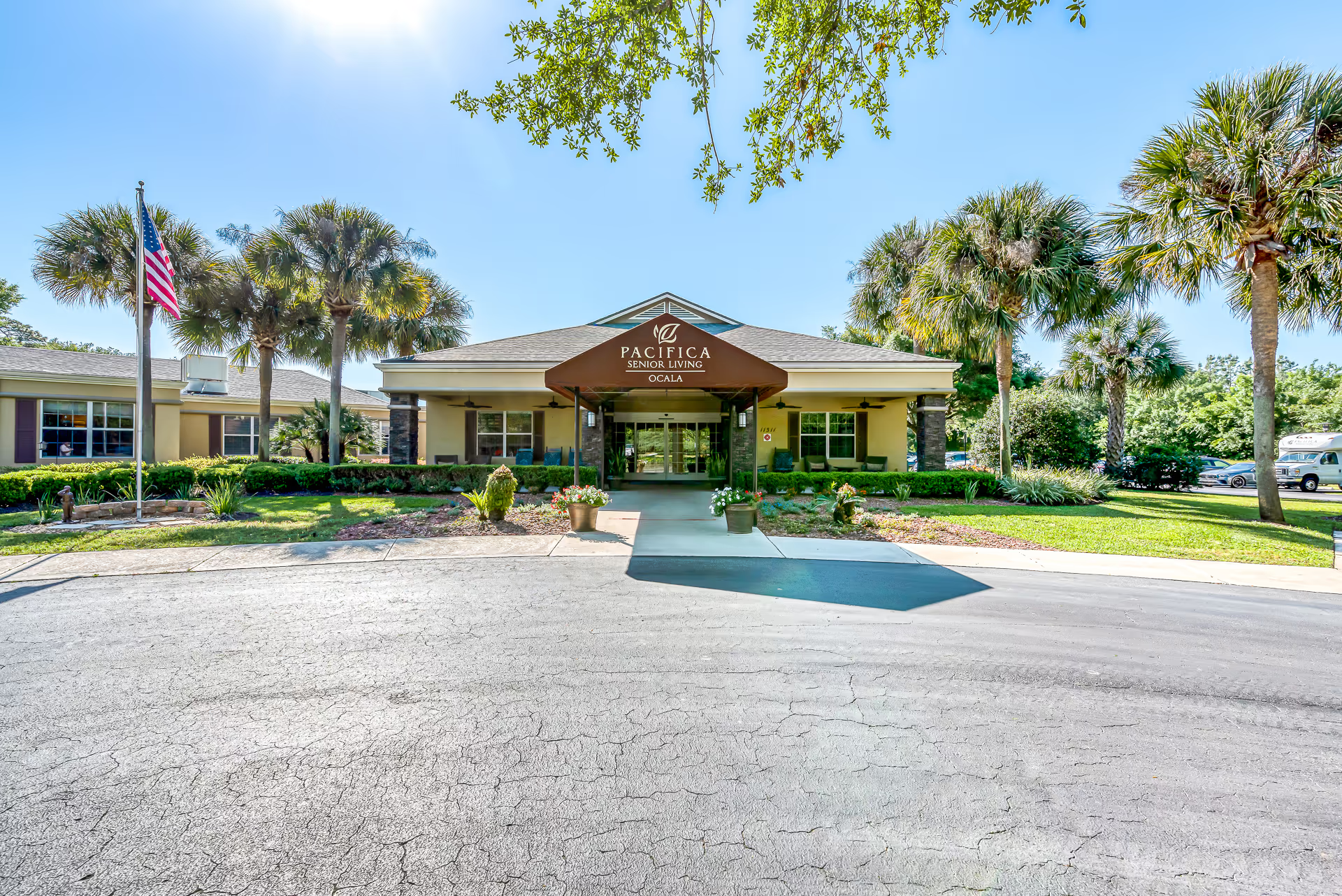
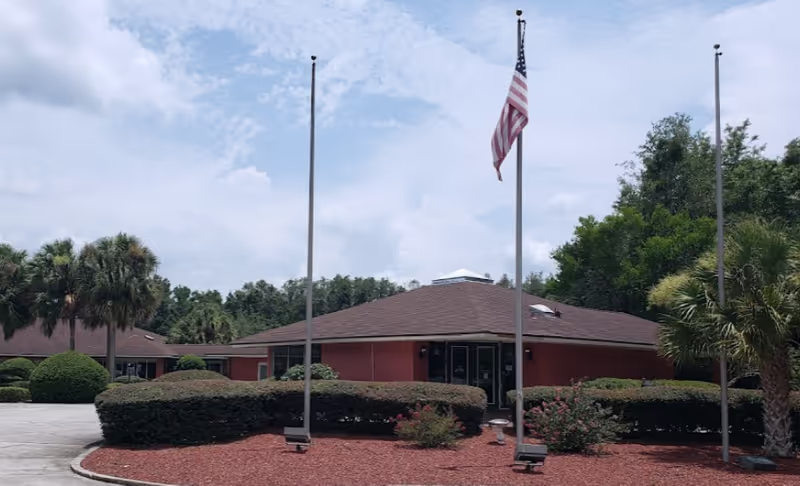
Arbor Springs Health and Rehabilitation Center elicits a wide spectrum of experiences. Many reviewers praise the facility’s rehabilitation program and note that physical‑therapy staff provide strong, goal‑oriented care. Families and residents also describe individual staff members—particularly front‑desk personnel, certain nurses, and CNAs—as compassionate, attentive, and effective at building rapport. The center offers a range of activities, accessible spaces and private rooms, and a location convenient to nearby hospitals, which supports short‑term rehab stays and timely discharges when operations run smoothly.
Clinical-care quality shows substantial variability. Positive accounts describe coordinated therapy, clean, well‑maintained wings, and attentive nursing for specific patients. Conversely, numerous reports describe delays in basic care tasks (bathing, pad changes, toileting assistance, repositioning) and slow responses to call lights. Medication timing and administration errors, inconsistent wound‑care practices, and perceived lapses in pressure‑injury prevention are recurring concerns that families linked to rehospitalizations or extended recovery. Several accounts describe safety and supervision gaps during transfers or in communal areas, which highlight the importance of active risk management for higher‑acuity residents.
Staffing and staff conduct are central themes. Reviewers commonly identify variability across shifts and individual staff members: some CNAs and nurses are described as highly supportive and communicative, while others are characterized by poor responsiveness or an abrupt communication style. Weekend and after‑hours staffing shortages are frequently mentioned, along with slow phone‑response times and sporadic administrative follow‑through. These operational inconsistencies affect family communication and clinical coordination, including physician contact and discharge planning.
Dining and nutrition receives mixed feedback. Some families describe balanced meals and improvements to menu offerings, while others note bland or poorly managed food service, difficulty meeting special dietary needs (including diabetic diets), and interrupted meal access during staffing or supply issues. Activity programming—bingo, crafts, therapy animals, and social events—is generally seen as a strength for resident engagement, although the breadth and consistency of programming may vary by unit.
Facility condition and housekeeping show uneven performance. Positive reports mention clean, well‑kept areas and effective housekeeping; contrasting reports raise sanitation and pest‑control concerns in particular units, inconsistent linen and bathing schedules, and maintenance issues in older wings. Personal property management and security are also areas of concern, with multiple accounts of missing items and billing irregularities that families found difficult to resolve.
Management and administrative practices receive mixed reviews. Some families describe proactive, visible leadership and responsive unit managers who improve morale and follow through on concerns. Other accounts identify slow or unresponsive administration, problematic billing interactions, and documentation issues. A small number of serious claims (including access to resident financial accounts) were raised and framed as allegations by families, underscoring the need for careful review in those instances.
Overall pattern: the facility provides robust rehabilitation services and has staff who deliver high‑quality, person‑centered care in many cases; however, persistent operational weaknesses—chiefly inconsistent staffing, delays in basic-care tasks, medication and wound‑care management gaps, variable housekeeping/pest control, and administrative/billing deficiencies—create polarized experiences. Prospective residents and families should weigh the facility’s strong therapy capabilities and activity programming against the reported variability in day‑to‑day nursing responsiveness and administrative reliability. For higher‑acuity or highly dependent residents, families are advised to confirm staffing levels, wound‑care protocols, dietary accommodations, property‑security practices, and lines of clinical communication before admission, and to monitor care closely during the stay.