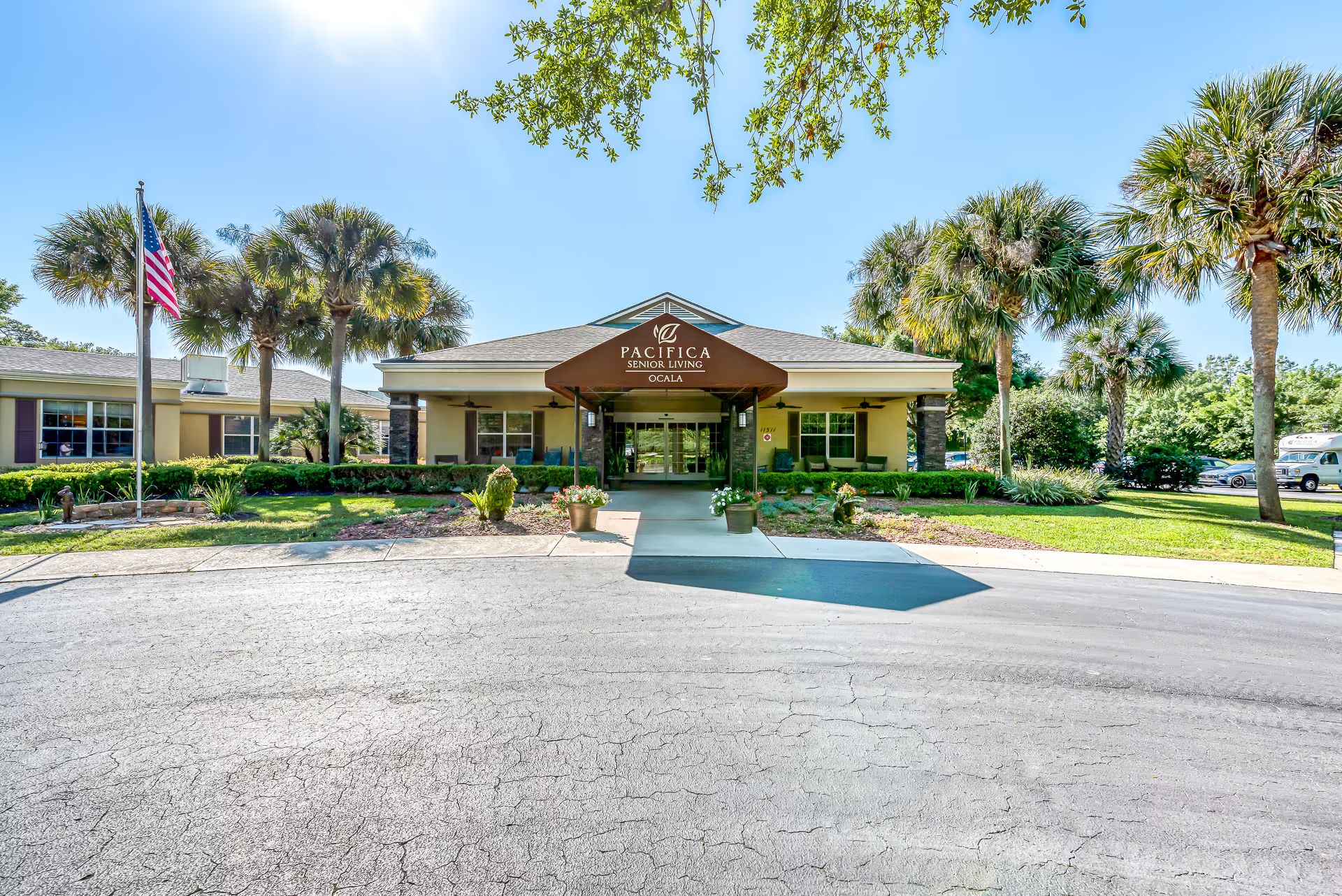
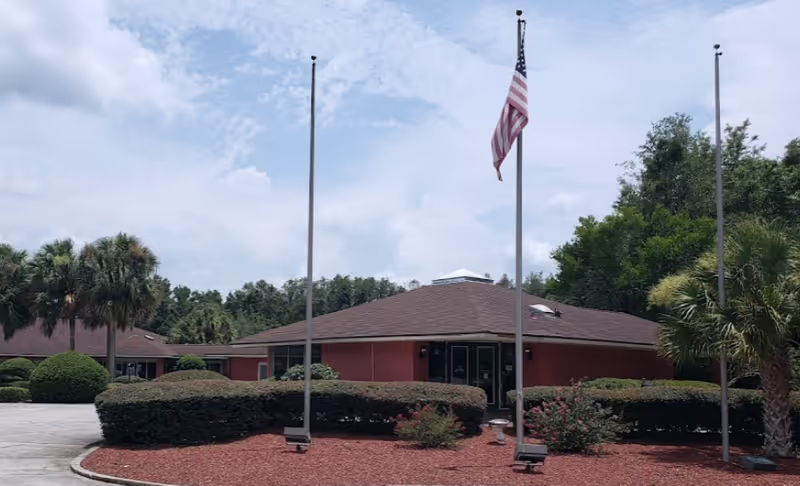
Overall impression: Best Care Senior Living at Ocala elicits strongly mixed but specific patterns. Many families and observers praise the facility's compassionate caregivers, visible nursing resources (including an on-site advanced practice provider), therapy services, and a warm, home-like physical environment with recent improvements. At the same time, multiple accounts point to operational inconsistencies that affect the day-to-day experience for residents and families.
Care quality and clinical operations: Clinical capabilities are a clear strength when staffing and processes are functioning — reviewers note skilled nurses, on-site therapists, and an ARNP who provide effective individualized care. However, there are recurrent concerns about inconsistent clinical oversight: failures to follow physician orders or medication protocols were described, bed checks and monitoring logs were sometimes absent, and families experienced delays in attending to incontinence needs. Staffing restrictions and turnover were cited as contributors to these issues, with particular strain reported during overnight shifts and in certain wings. There are also a small number of accounts alleging safety lapses; prospective families should inquire directly about monitoring, incident reporting, and corrective actions.
Staff culture and leadership: Many reviews highlight warm, professional, and dedicated caregivers who create a familial atmosphere and reassure families. Kitchen and front-desk staff received frequent positive mention for interpersonal warmth. Conversely, leadership instability and management turnover are recurring themes — some reviewers describe recent positive changes under new leaders and improved follow-through, while others reported poor communication from administration and inconsistent enforcement of policies. This variability suggests that leadership performance may be in transition and can materially affect daily operations.
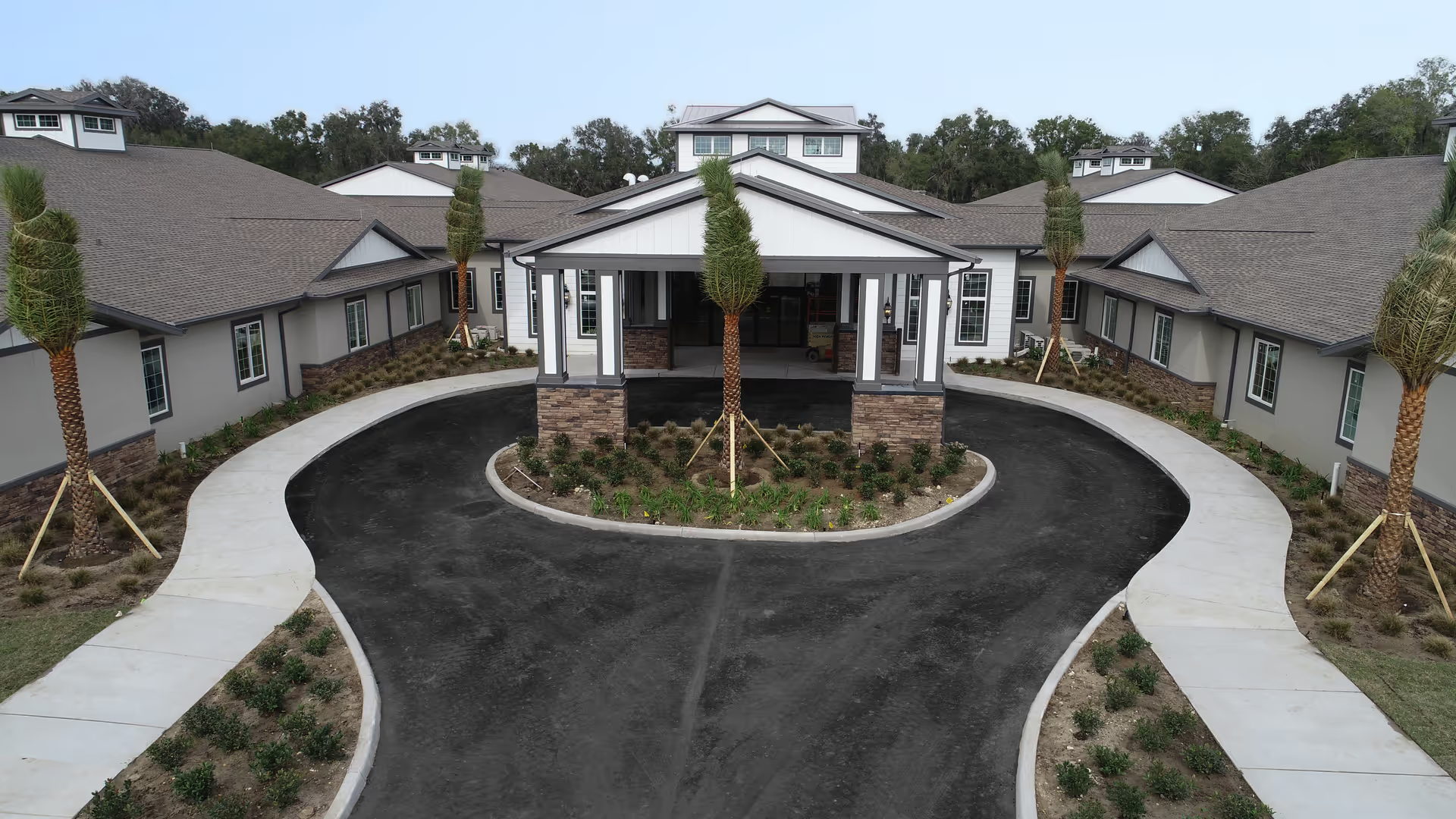
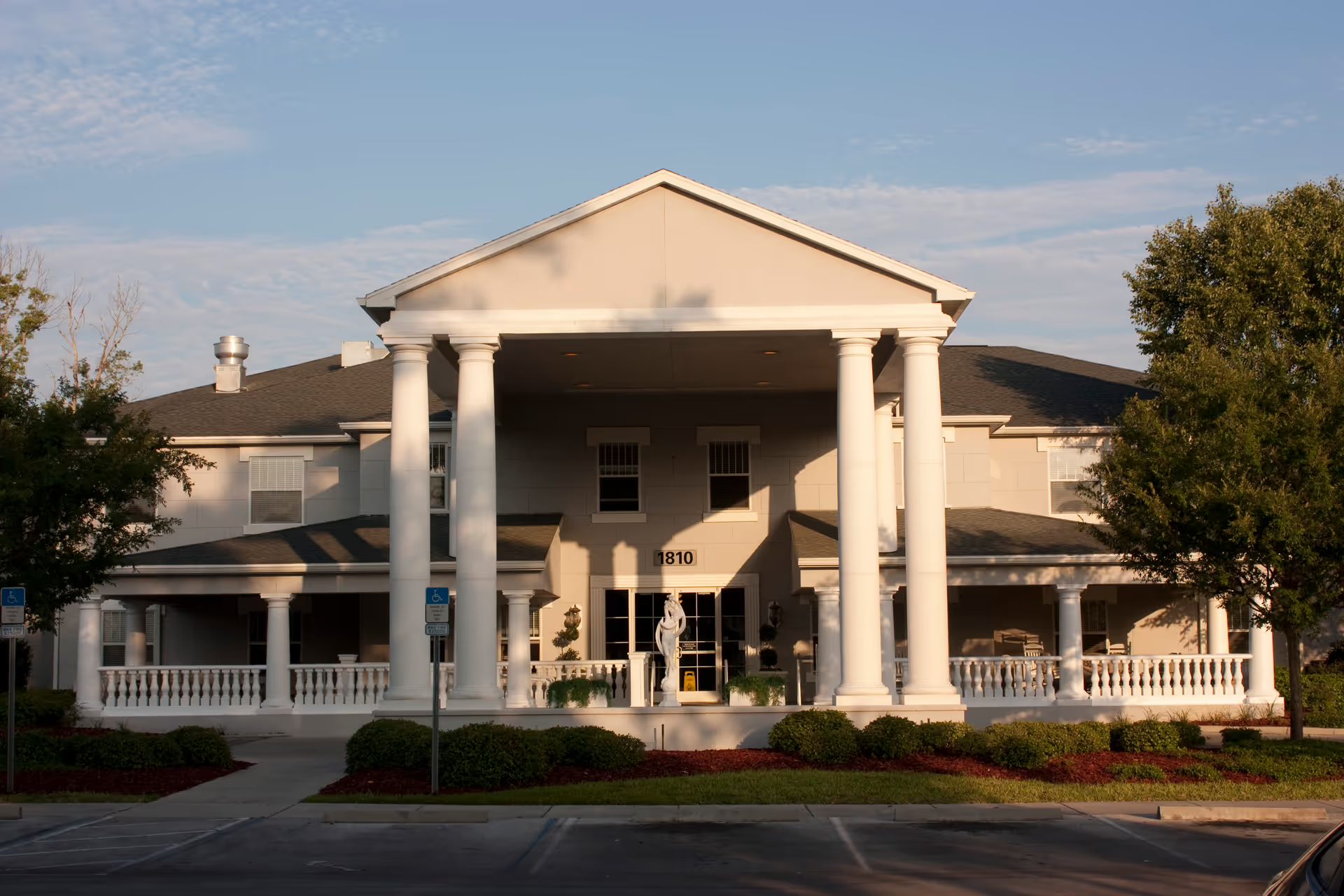
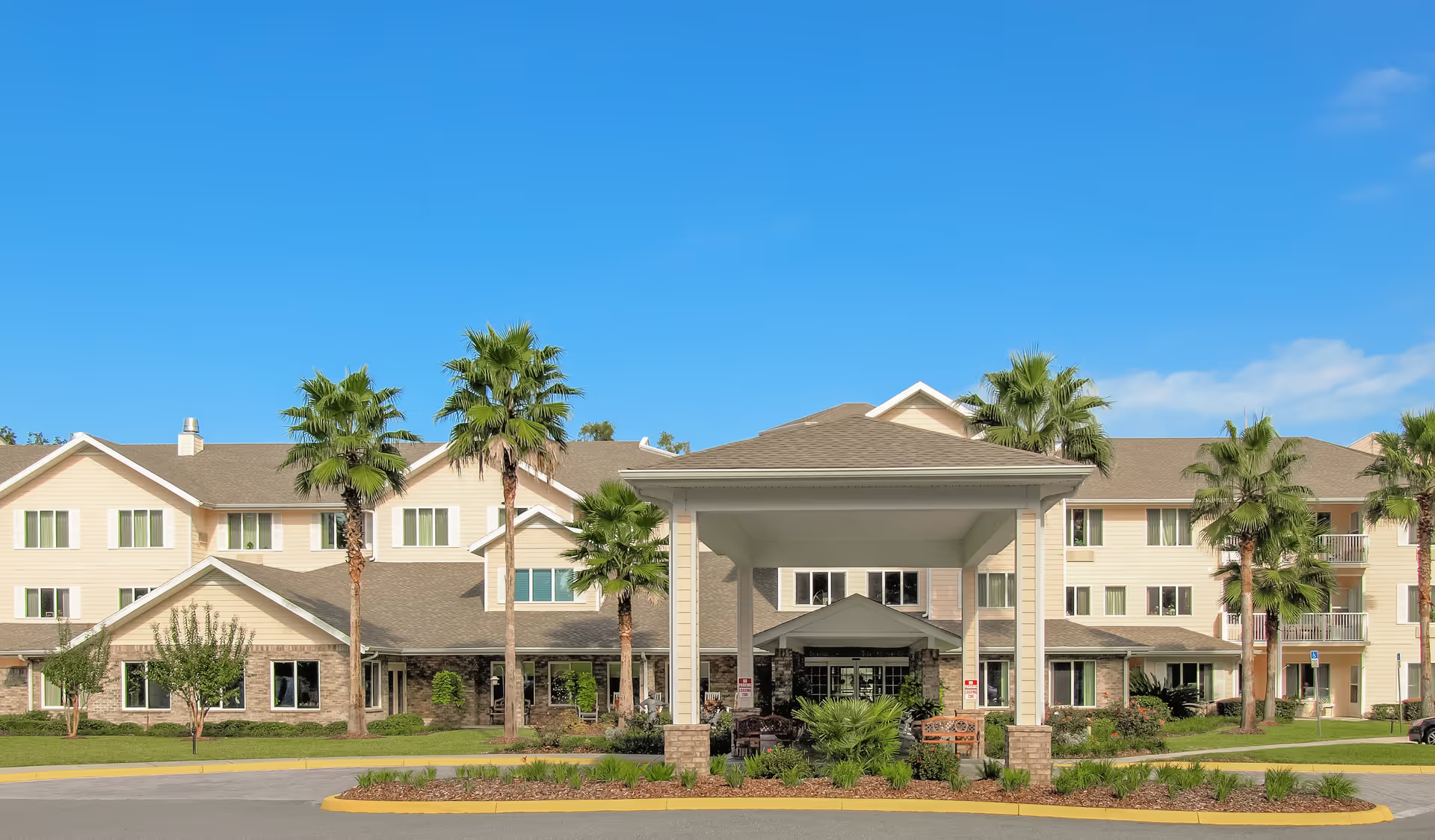
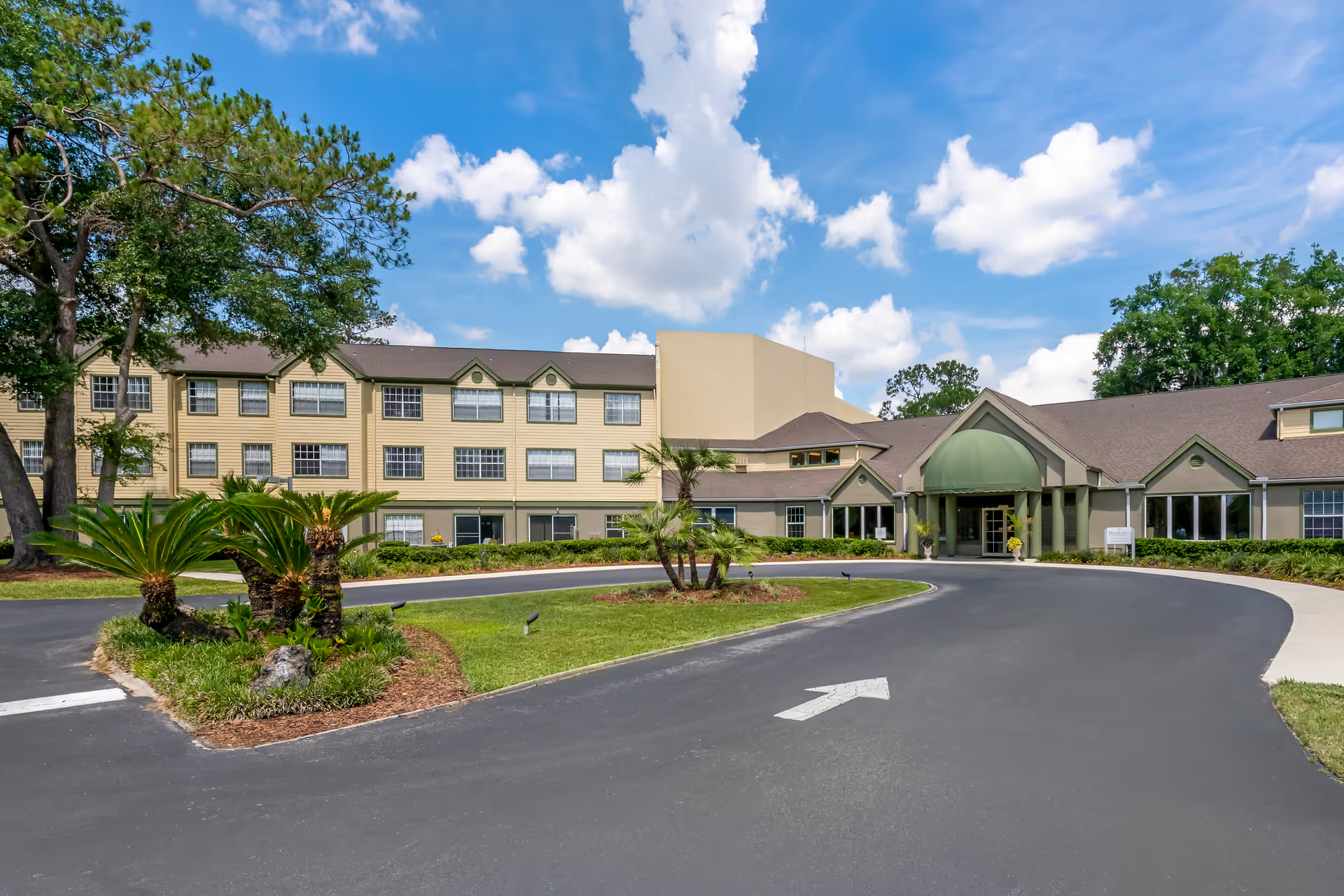
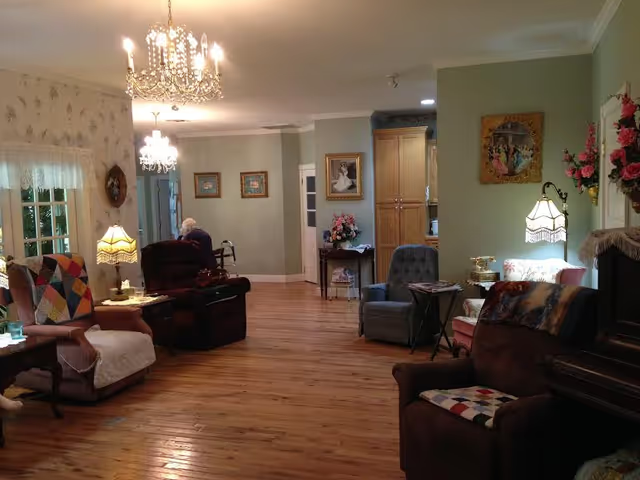
Dining, activities, and facilities: The facility's aesthetic appeal, cleanliness, and comfortable apartment-style units are consistently praised. The kitchen staff are often credited with brightening residents' days, though meal quality and reliability are variable across accounts; instances of missed dinners and differing food quality were noted. Activities programming appears robust and community-oriented in some wings, but uneven in others (with certain wings described as having limited offerings). Practical safety and maintenance items were raised as concerns by some families — for example, unreliable door hardware and accessibility to potentially hazardous items — indicating that physical-plant oversight may be uneven between areas.
Communication and family experience: Communication quality varies: some families report excellent responsiveness, timely placement, and empathetic leadership; others describe poor phone handling, lack of Plan of Care meetings, and inadequate updates about clinical changes. These mixed experiences underscore the importance of confirming care-planning practices, escalation pathways, and family involvement expectations during a tour or intake.
Patterns and considerations for families: The facility offers meaningful clinical resources and many genuinely caring staff, and it can provide a pleasant, home-like environment when operating conditions align. The most consistent operational drawbacks are staffing variability (especially overnight), uneven clinical monitoring and documentation, management turnover, and inconsistent cleanliness or safety oversight in particular areas. Prospective residents and their families would benefit from an in-person tour that includes: observing multiple wings at different times of day (including evenings), asking for specifics about staffing ratios and overnight coverage, reviewing medication and monitoring protocols, confirming sanitation and maintenance procedures, and speaking with current families about activities and meal consistency. Those steps will help determine whether the facility's strengths align with the prospective resident's clinical needs and expectations.