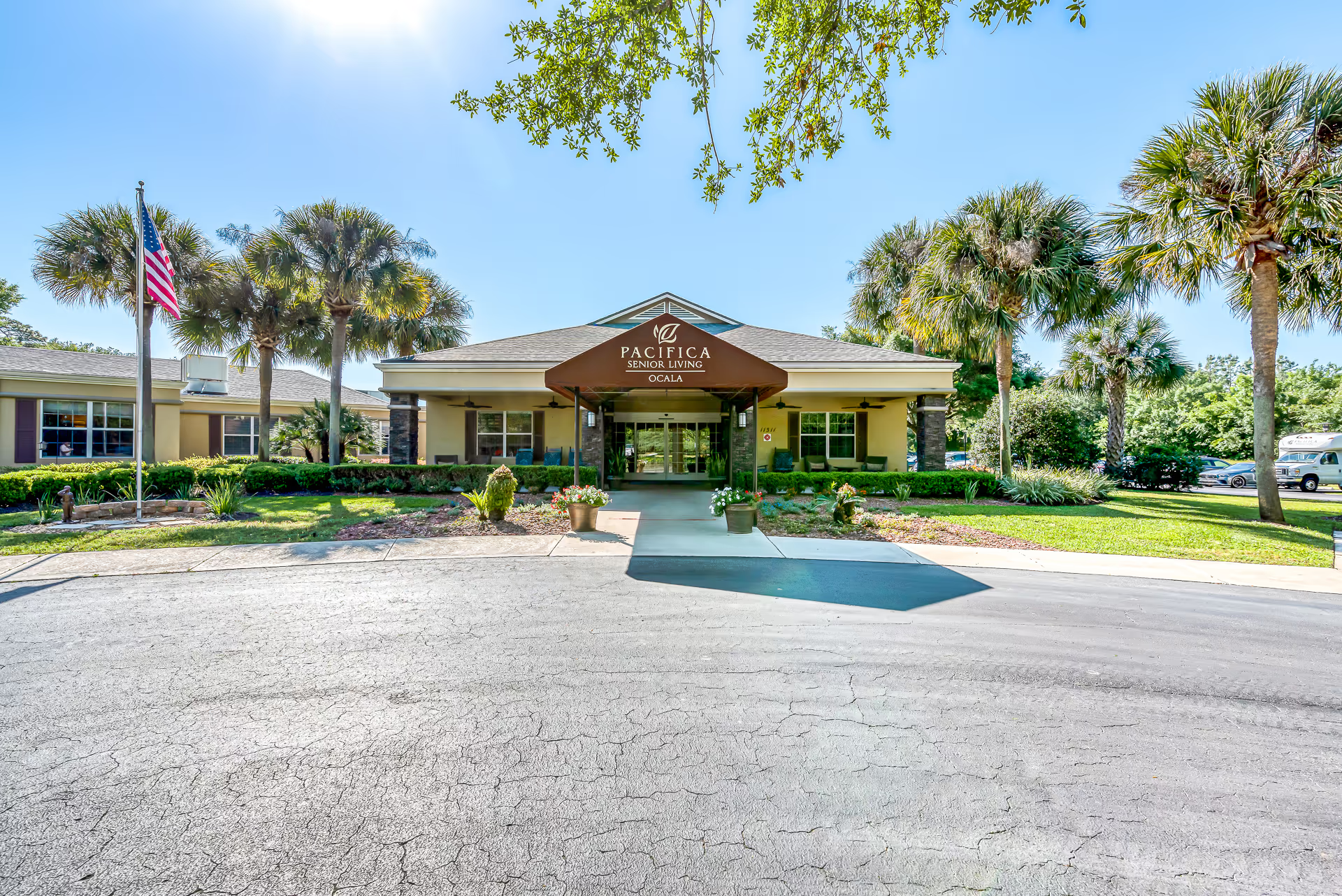
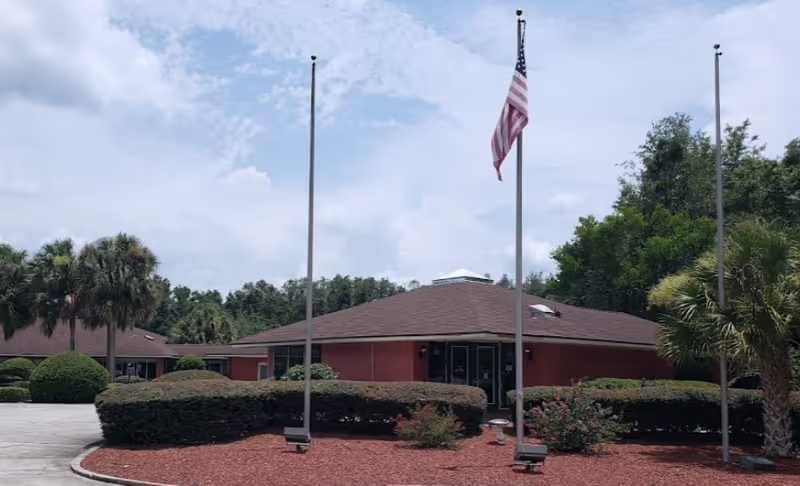
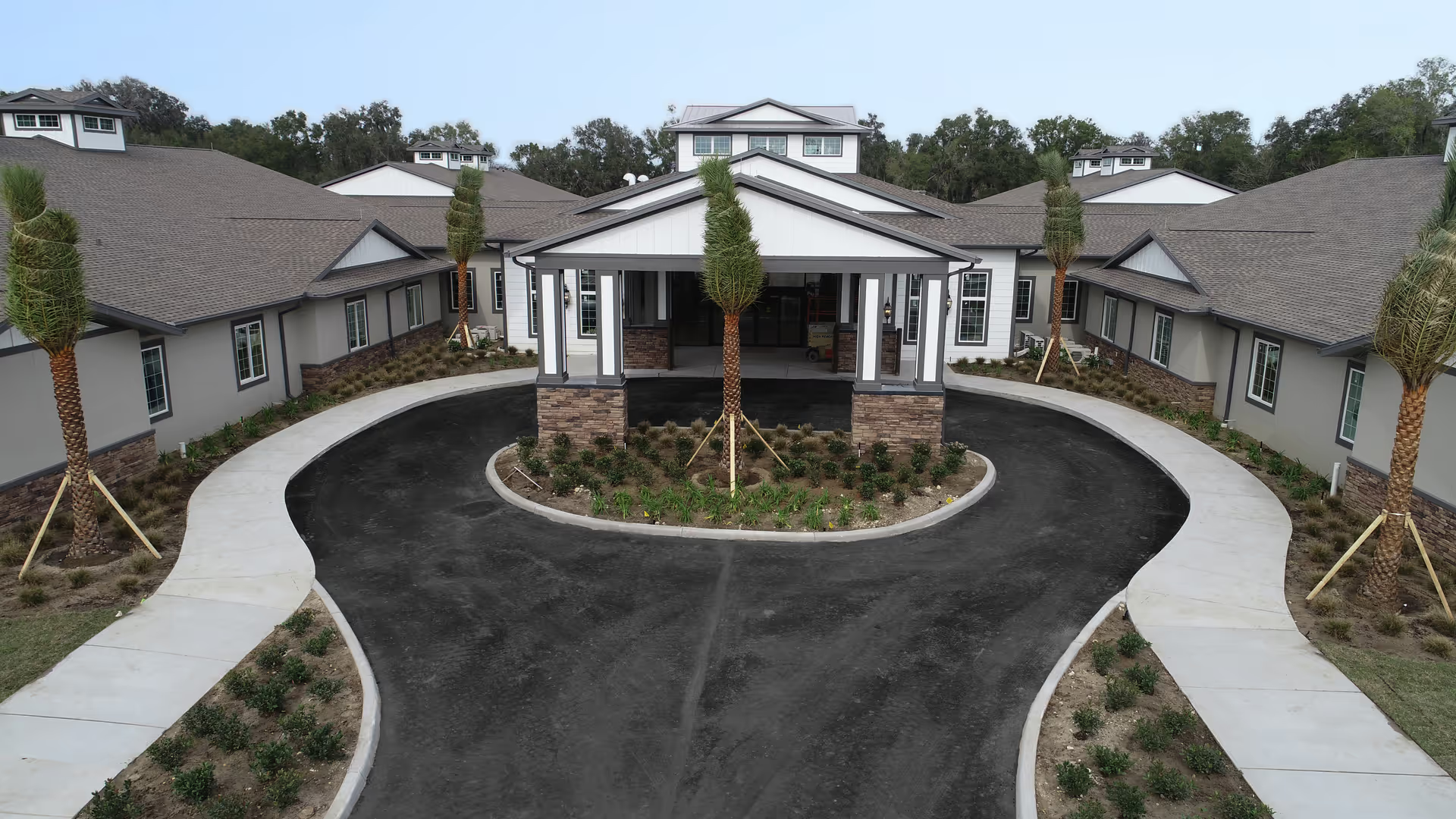
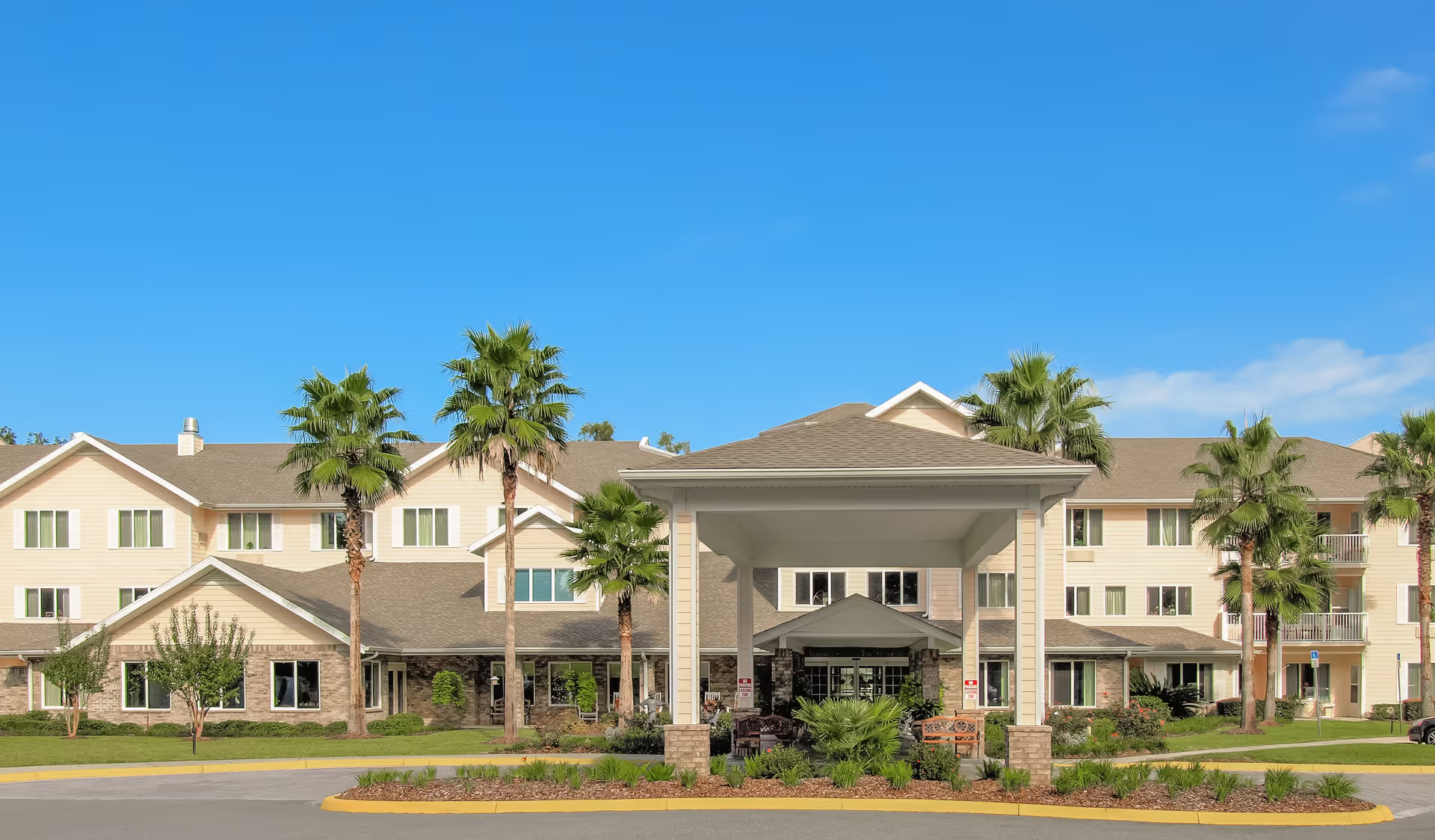
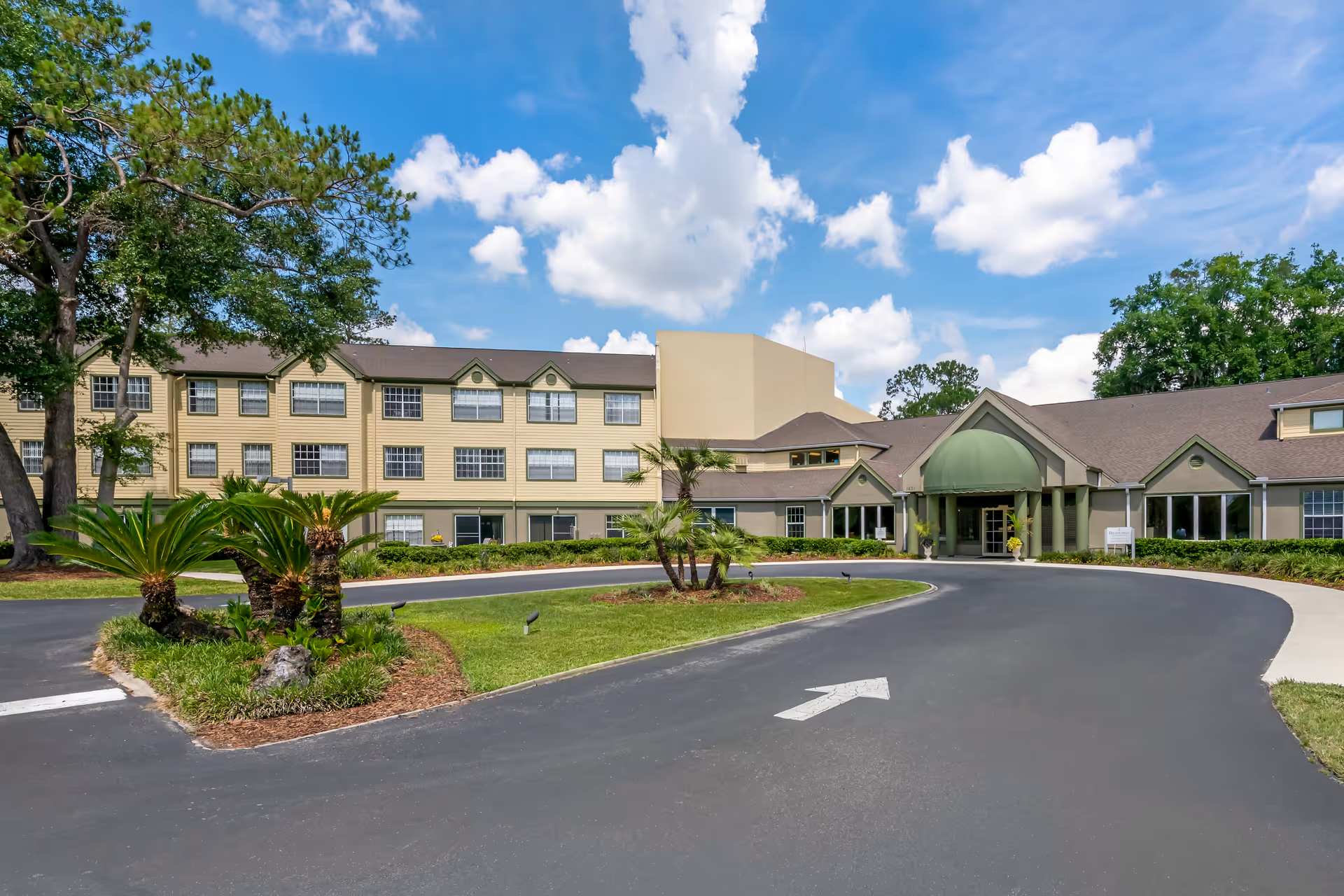
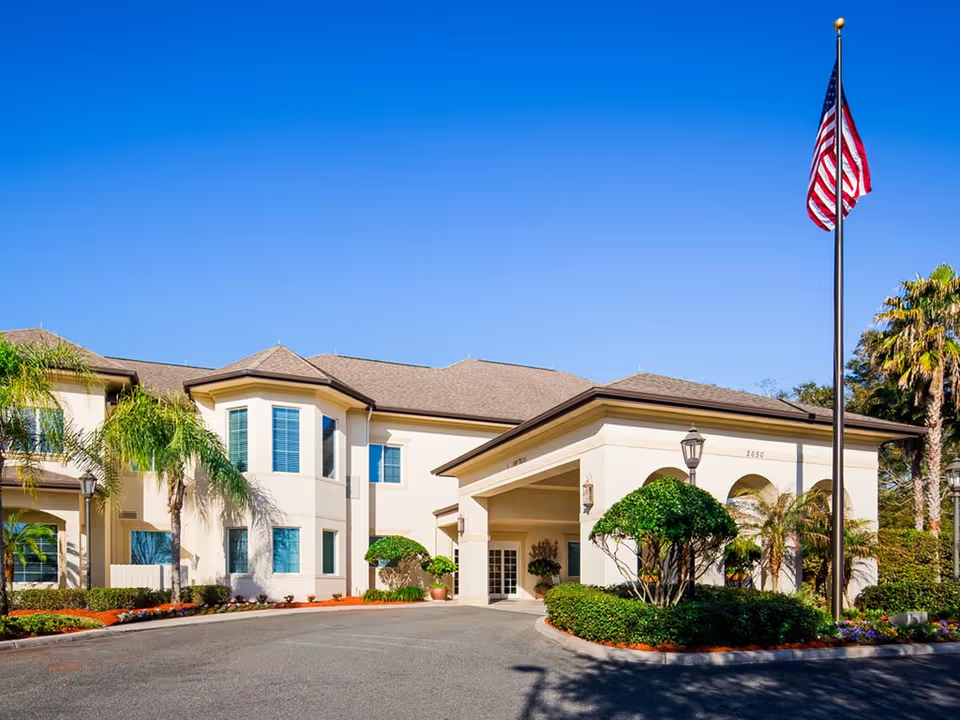
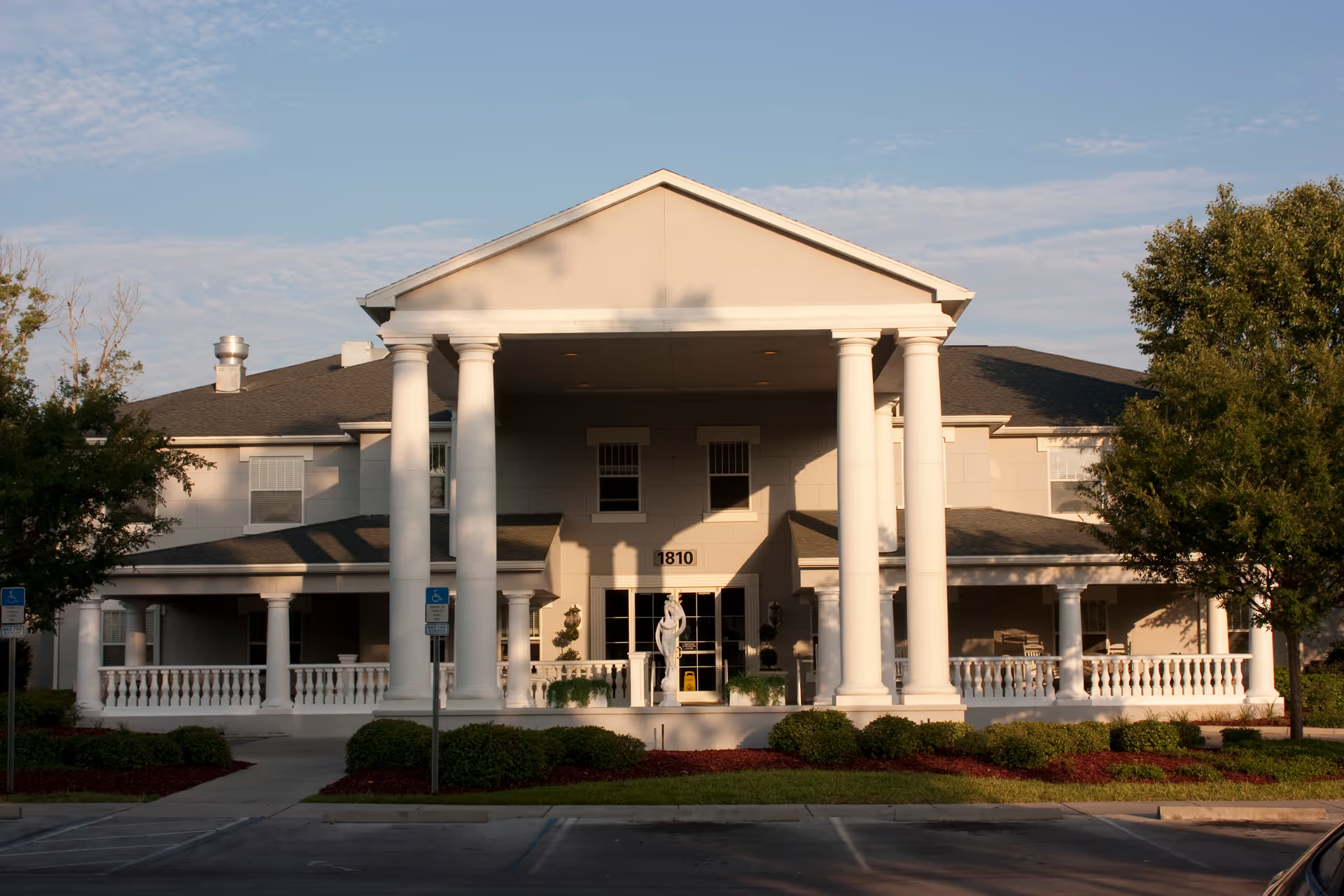
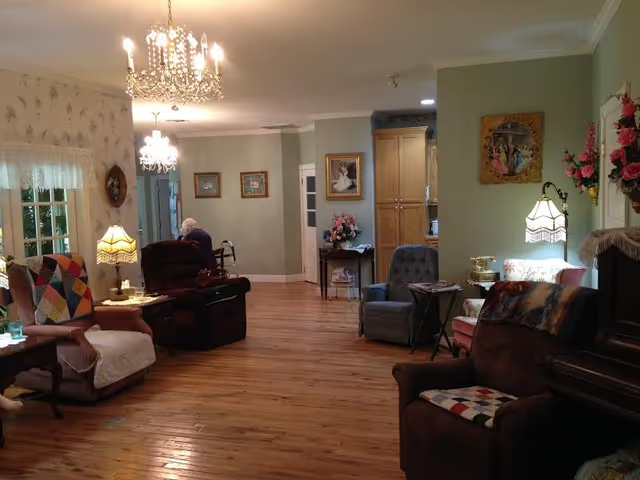
Bridgewater Park Assisted Living elicits a polarized set of impressions. A substantial portion of families praise its caregiving culture, leadership, and the physical environment: reviewers frequently describe compassionate, attentive staff, continuity of caregivers, smooth memory-care and rehab transitions, and supportive hospice partnerships. The facility's appearance, private rooms with balconies, courtyard and common spaces, and a generally clean, well-maintained interior are commonly noted as strengths. Many families also compliment dining presentation, an engaging activities program, and accessible on-call leadership and maintenance support.
Care and staffing are areas of both strength and concern. On the positive side, nursing staff, aides, and administrators receive consistent praise for warmth, professionalism, and hands-on support; several families reported feeling welcomed and describing the community as family-like. At the same time, a recurring operational theme is understaffing—including reduced night coverage—and the related effects of overworked personnel. This dynamic is linked in reviews to delays in responsiveness, variability in clinical consistency, and situations where families felt additional paid assistance was necessary to meet a resident's needs.
Dining and food service show mixed signals. Numerous reviews describe meals as delicious and the dining room as pleasant, while a meaningful subset raise concerns about limited menu variety, reliance on bread and fried items, infrequent fresh fruit and vegetables, and occasional inventory shortages that prevent planned menu items from being served. These inconsistencies contribute to perceptions that the facility's cost does not always align with the delivered dining experience.
Activities and environment are frequently highlighted as positives: organized outings, a proactive activities team, and well-kept outdoor and indoor common areas. However, some families reported that residents received limited assistance to participate in activities, which suggests a gap between program availability and the staffing needed to support participation for residents with higher care needs.
Management and admissions receive both commendation and critique. Leadership and specific staff members are often singled out for responsiveness, supportive transitions, and helpfulness during difficult periods. Conversely, several families expressed concerns that marketing and the facility’s initial presentation did not always match day-to-day operations, and some described frustration with complaint resolution and communication after a resident’s death. Prospective residents and families would benefit from direct questions about staffing ratios (including night coverage), expected out-of-pocket fees for additional care, menu cycles and inventory practices, emergency response systems, hospice and rehabilitation partnerships, and recent staffing/quality metrics. A thorough tour during active service hours and conversations with current residents or families can help clarify how consistent the positive elements are in daily practice.