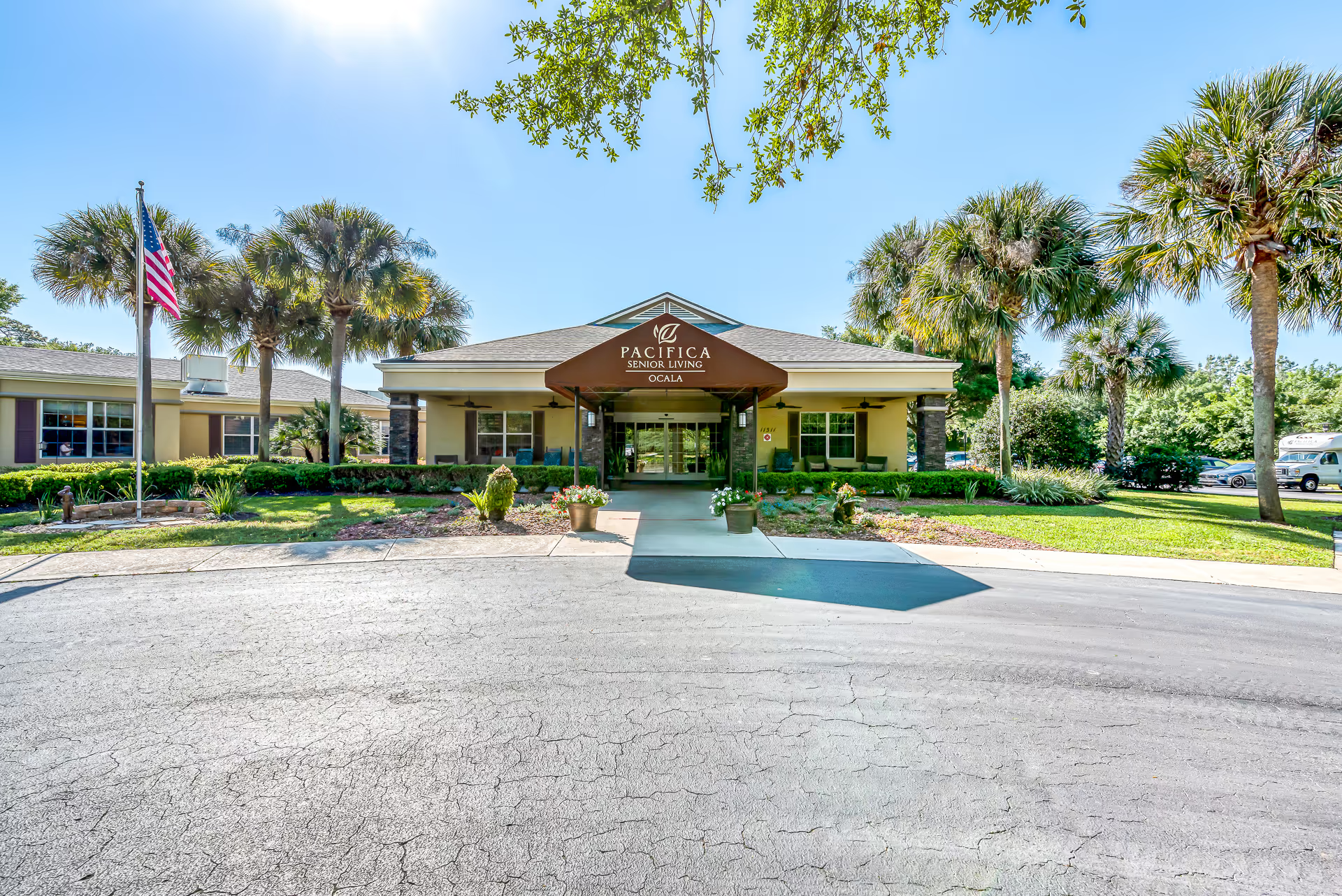
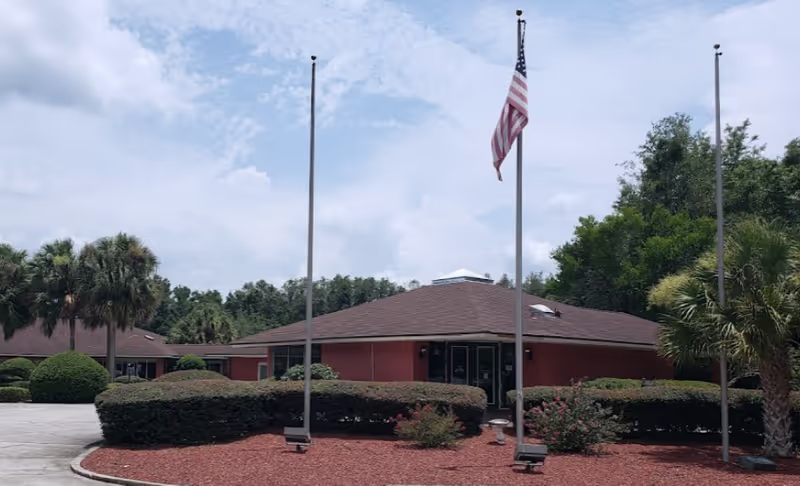
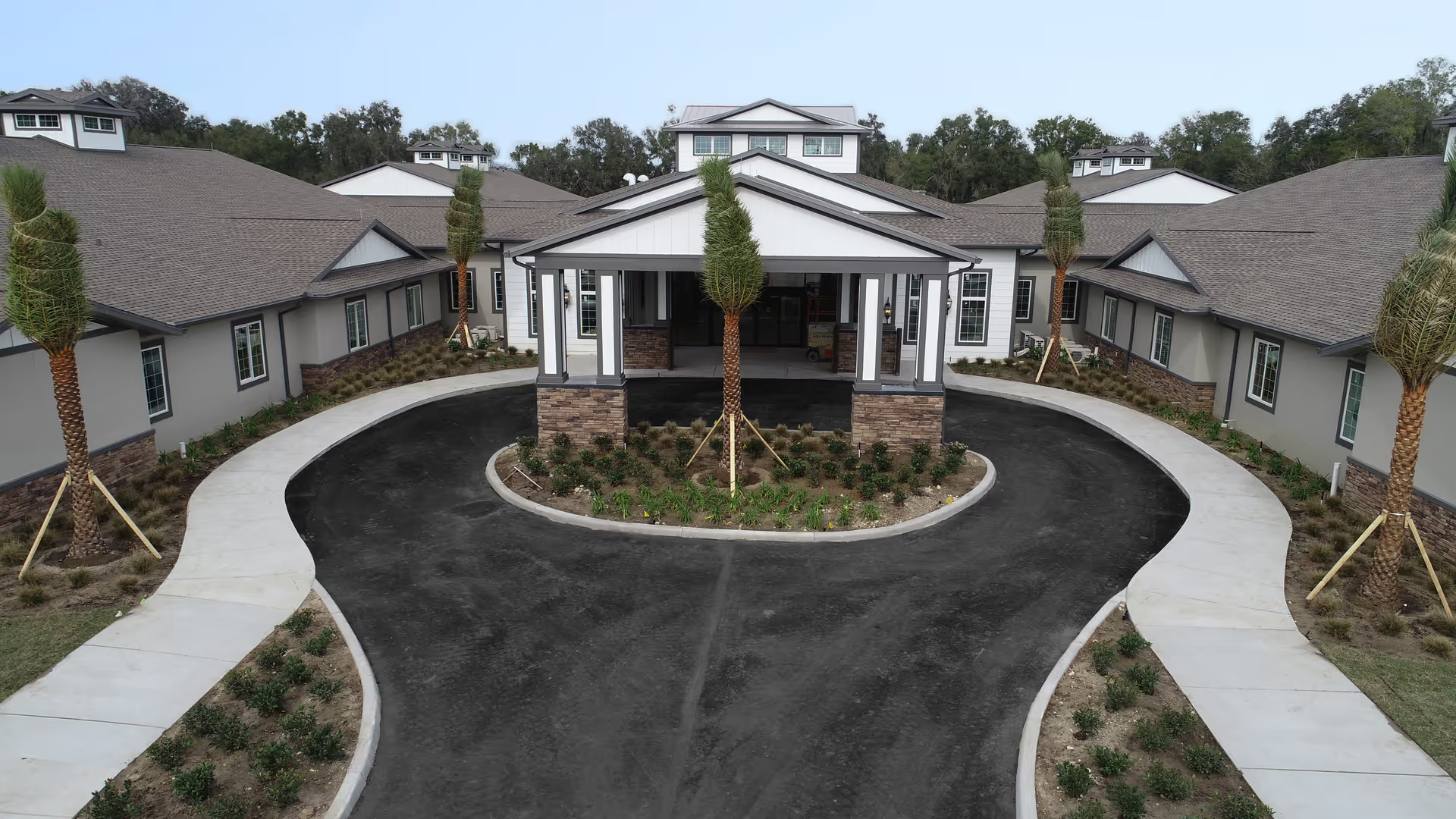
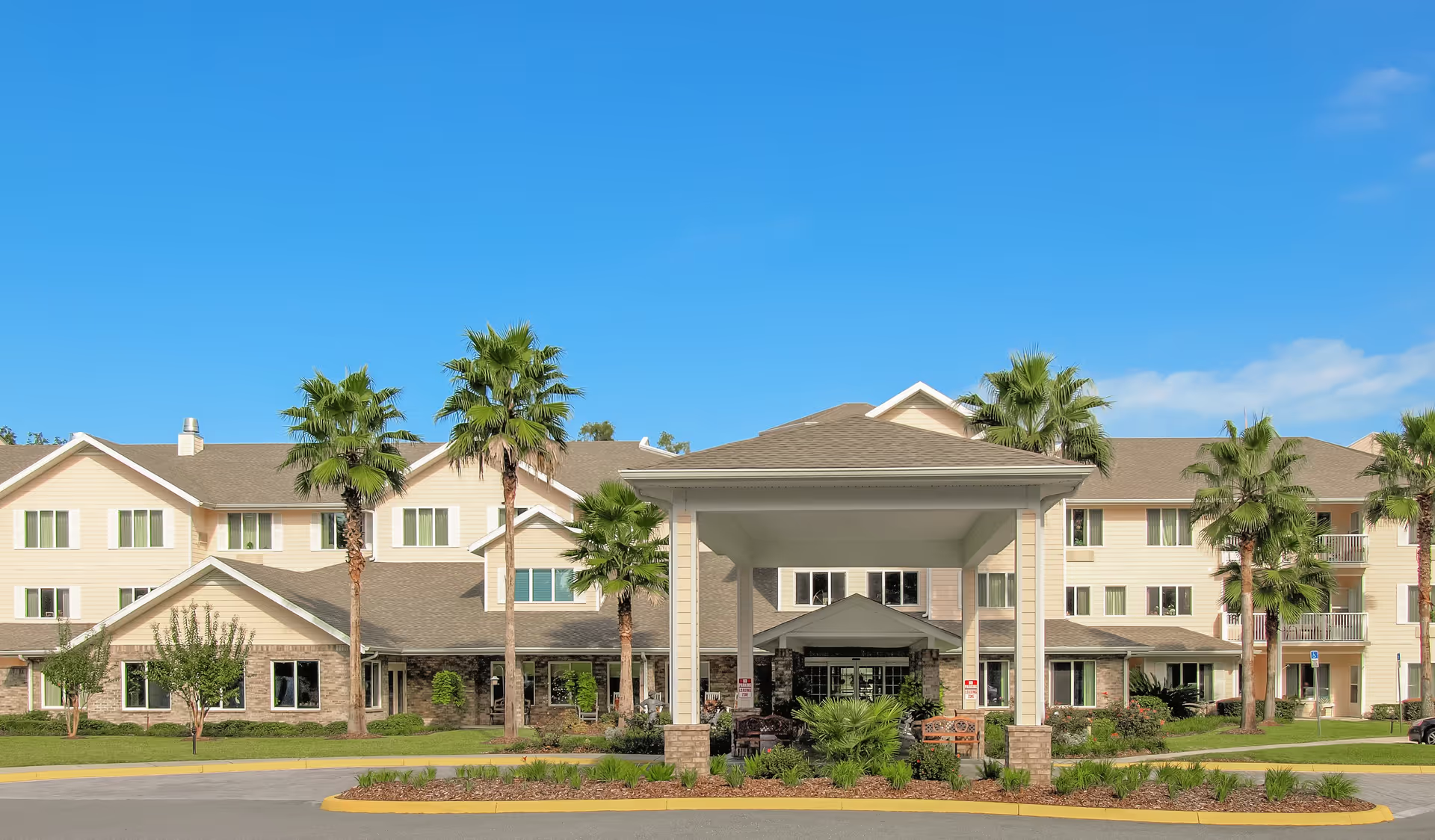
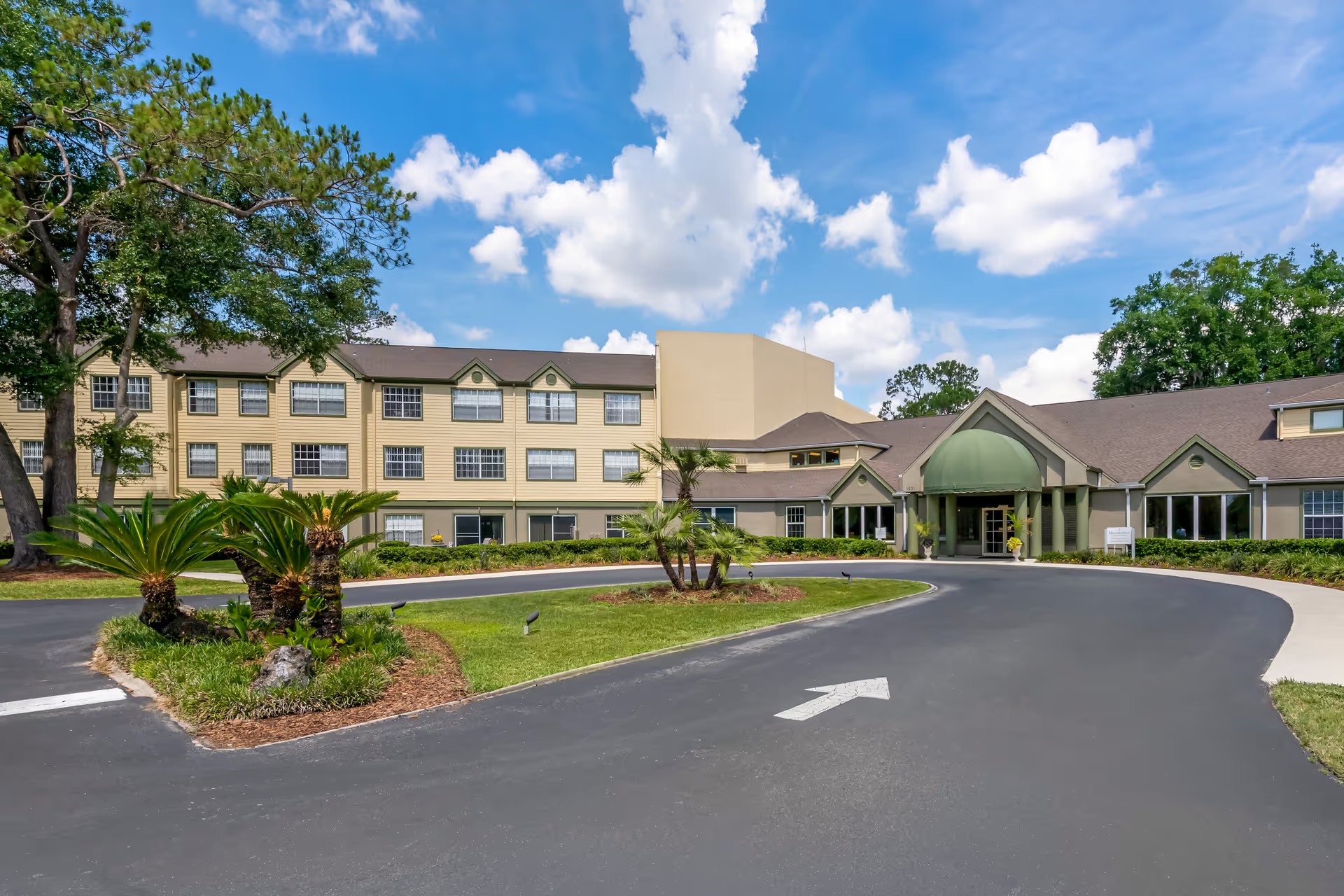
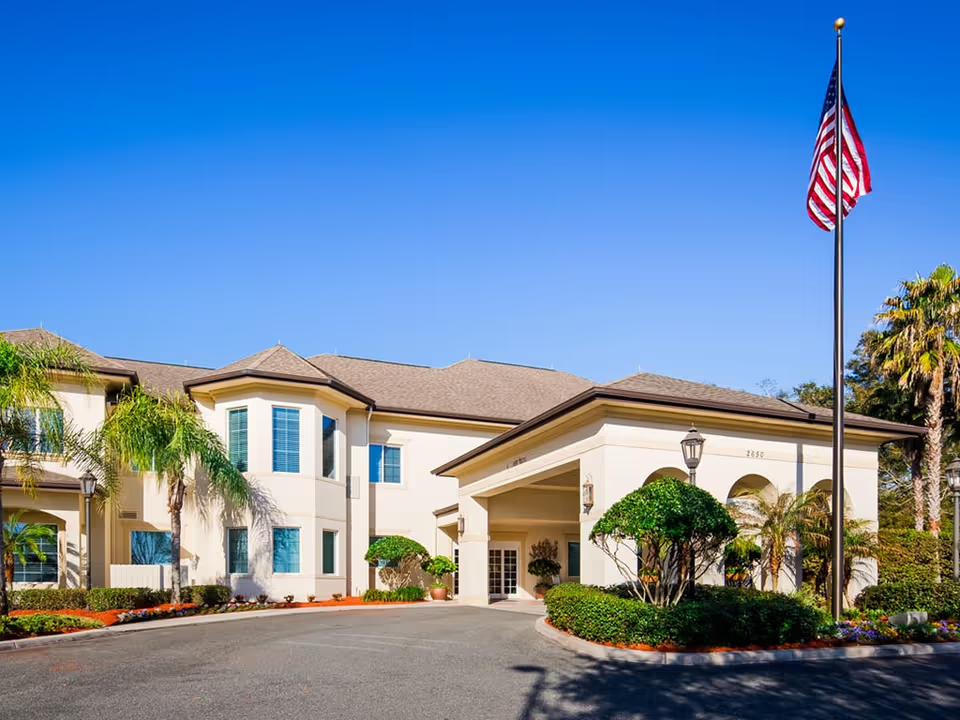
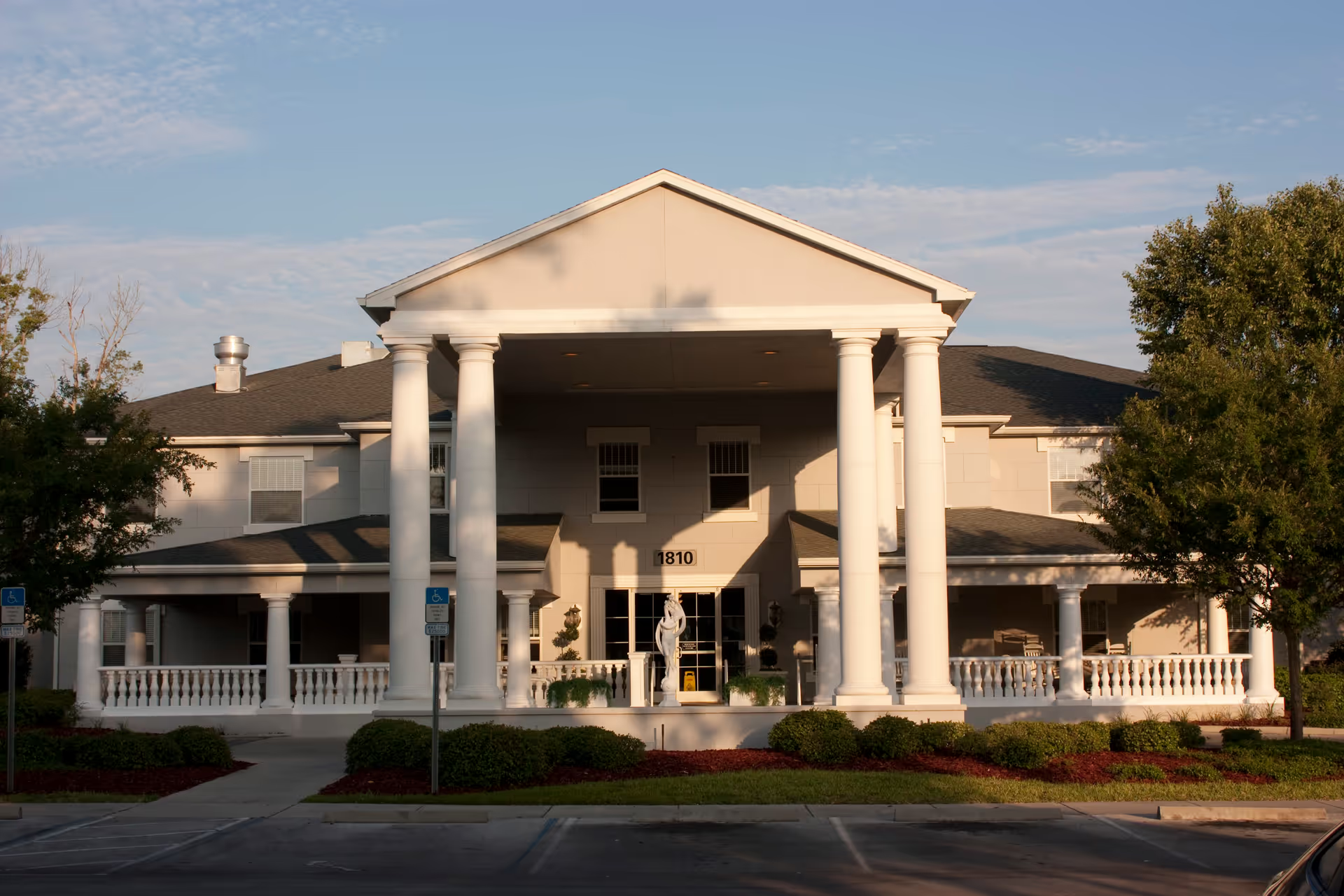
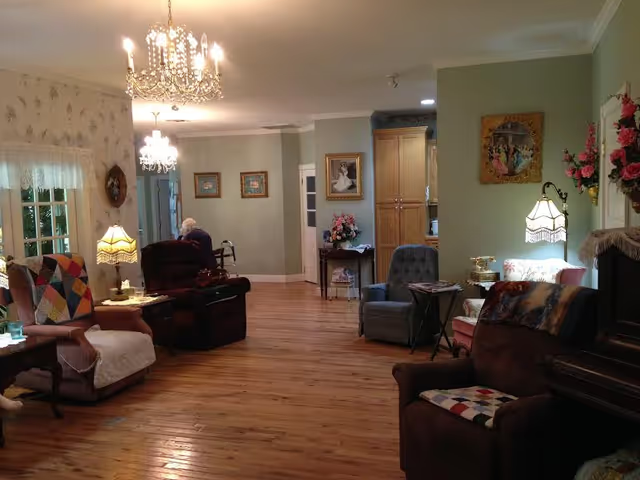
Bridgewater Park Health & Rehabilitation Center presents as a largely new, well‑appointed senior living and skilled‑nursing campus with many amenities and an active social program. Reviewers consistently describe a bright, modern aesthetic: private, apartment‑style rooms with en suite bathrooms, balconies or patios in some units, spacious hallways, a koi pond courtyard and multiple shared amenity spaces such as a restaurant‑style dining room, salon, gym and banquet/activity rooms. The facility’s physical environment is a frequently cited strength and is often described as clean and hotel‑like.
Care and staff are among the facility’s most commonly praised aspects. Many families highlight compassionate, attentive caregivers, an engaged activities director, and therapy teams that have supported successful rehabilitation outcomes. There is particular positive feedback about individualized attention in memory care and a holistic/Montessori approach in that unit. Communication with families during health events and an active resident council are also noted as facilitators of responsiveness and community engagement.
However, reviews reveal operational variability. Staffing levels and turnover are recurring concerns and are associated with delays in responding to call lights or the need for staff prompting. Relatedly, some families perceived gaps in clinical follow‑up and continuity of care, including instances where additional nursing attention or more intensive therapy was desired. Prospective residents should verify current staffing ratios and ask about how the facility manages shift changes and continuity of care.
Dining and programming show mixed impressions. On the positive side, the main dining room is described as upscale with varied, home‑style menus and advance meal planning; activities are plentiful (bus trips, ice cream socials, movies, games, arts and crafts). At the same time, reviewers described inconsistent meal quality—some called food delicious and balanced while others found it institutional—and noted that in certain units residents eat in their rooms or rely on shared kitchen arrangements, which can limit communal dining. Activity quality and emphasis can vary by unit, and some families found the overall facility scale too large or impersonal for their relatives.
Management strengths include proactive family communication in many cases and an engaged resident council; weaknesses include occasional waitlist coordination issues, confusing messaging about care level (rehab vs. long‑term assisted living), and mixed impressions of some leadership individuals. Cost is another theme: the facility is frequently described as expensive, and several reviewers recommended weighing price against personal priorities for therapy intensity, dining preferences, and level of staff engagement.
Overall, Bridgewater Park may be a good fit for people seeking a modern, amenity‑rich community with active programming and strong environmental standards. Families considering placement should tour the specific unit their loved one would occupy, ask targeted questions about current staffing ratios and turnover, obtain specifics on therapy schedules for rehab stays, confirm dining arrangements (communal dining vs. in‑room service), and clarify waitlist and contract procedures before deciding.